

 Joko Susilo
Representatives from 20 New Mexico pueblos, alongside the state’s congressional delegation, converged on the U.S. Capitol this week to deliver a unified and resounding message: "Chaco Canyon is not for sale." This impassioned plea comes as the Bureau of Land Management (BLM), under the current administration, moves to revoke a critical 10-mile buffer zone that currently shields the revered Chaco Culture National Historical Park from new oil and gas drilling and mineral extraction. The proposed reversal directly challenges a 2023 order enacted by then-Interior Secretary Deb Haaland, herself a former New Mexico Democratic gubernatorial nominee and the first Native American cabinet secretary, which closed approximately 336,404 acres surrounding the UNESCO World Heritage site to such activities for two decades.
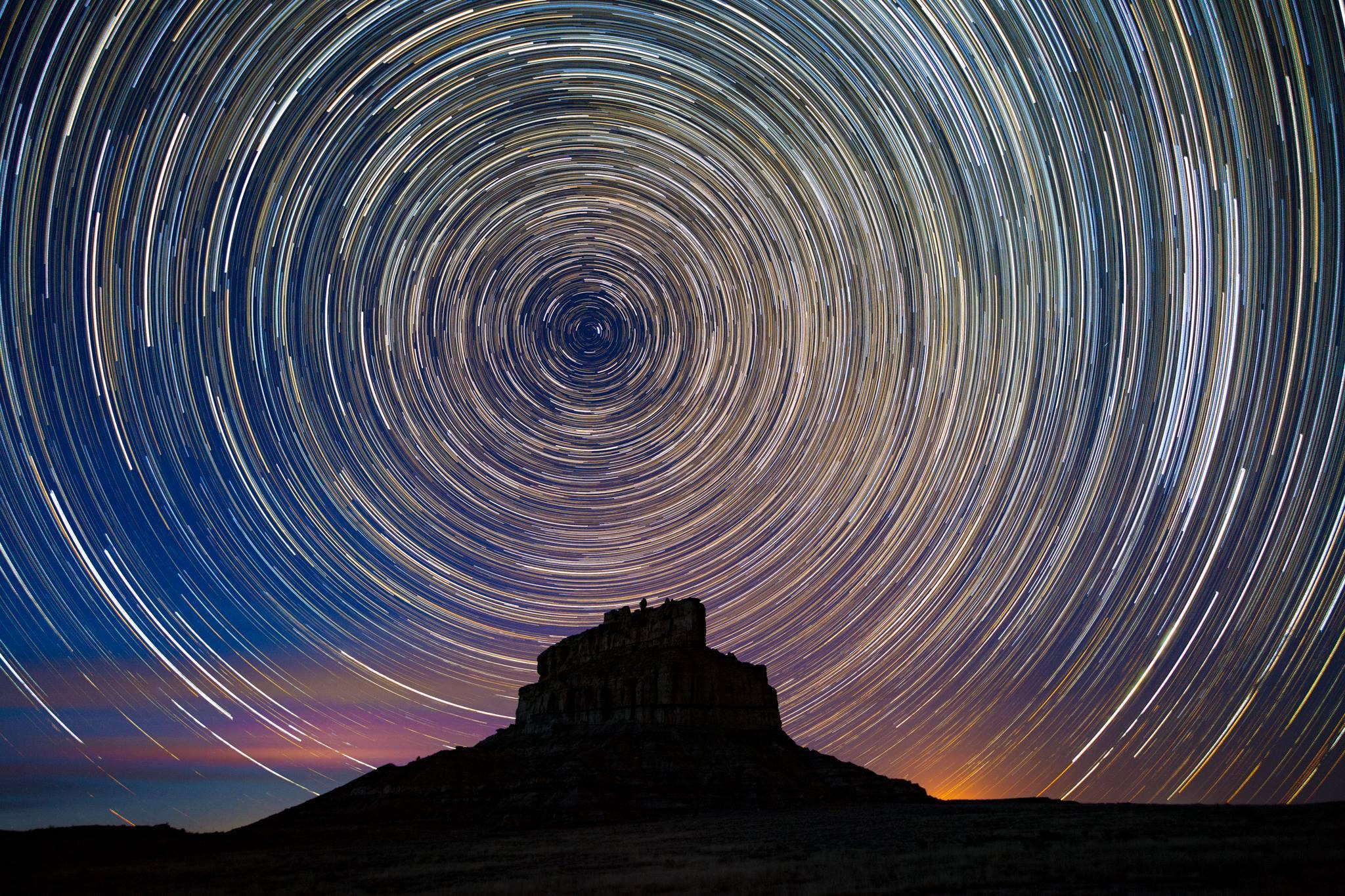
For millennia, Chaco Canyon has served as the sacred heartland of the ancient Puebloan civilization, a sophisticated cultural hub whose monumental architecture, intricate road networks, and advanced astronomical alignments stand as enduring testaments to Indigenous ingenuity and spiritual connection to the land. As U.S. Rep. Gabe Vasquez underscored at Wednesday’s Washington, D.C. news conference, Chaco Canyon "is a vibrant place of prayer, pilgrimage and core to the identity of many Southwest tribes, whose connection to this land stretches back thousands of years. In other words, there is no replacing it." He condemned the administration’s decision to dismantle these vital protections as an "absolute gut punch to New Mexico and to our pueblos," further decrying the brevity of the public comment period—a mere 14 days—as an "insult" to stakeholders and the democratic process.
The controversy highlights a persistent tension between resource development and the preservation of irreplaceable cultural landscapes, a debate echoed in various forms across public lands globally. The Trump administration, in line with its broader deregulatory agenda aimed at boosting domestic energy production, had previously sought to expand drilling opportunities on federal lands, often drawing criticism from environmental groups and Indigenous communities. The current administration’s move to reconsider the Chaco buffer zone, despite its stated commitment to environmental justice and tribal consultation, signals a potential shift back towards prioritizing extraction over long-term cultural and ecological safeguarding.
Supporters of the buffer zone have intensified their public outreach efforts, rallying against the impending July 29 deadline for the environmental assessment’s public comment period. The perceived inadequacy of a two-week window for public input on a proposal with such profound and irreversible consequences has ignited widespread concern. Cochiti Pueblo Gov. Phillip Quintana articulated the profound stakes involved: "The question before us is simple: What kind of legacy will we leave? Will we choose short-term extraction, or will we choose to protect one of the most important Indigenous cultural landscapes in North America, a place whose meaning reaches far beyond any single administration?" This question resonates far beyond New Mexico, touching on universal principles of heritage preservation, intergenerational equity, and the global responsibility to protect sites of outstanding universal value.
In a direct response to the expedited timeline, New Mexico’s five Democratic senators and members of Congress formally petitioned U.S. Interior Secretary Doug Burgum on Wednesday, urging him to extend the comment period to a minimum of 90 days. Their letter also pressed Secretary Burgum to visit Chaco Canyon personally "before taking any action that would put this irreplaceable landscape at risk." This request harks back to an appearance before the House Natural Resource Committee in June 2025, where Burgum reportedly committed to such a visit. However, Rep. Teresa Leger Fernández, whose district encompasses Chaco Canyon, starkly accused the Secretary, stating, "He lied." She affirmed the delegation’s resolve to "hold him to his comment" and ensure the Department of Interior adheres to "the rules and the laws and the regulations," vowing, "we will not let them silence us." Joey Sanchez, chair of the All Pueblo Council of Governors, echoed this sentiment, lamenting the lack of a meeting with Burgum despite requests and reiterating the invitation for him to witness the sacred landscape firsthand. Secretary Burgum, when approached for comment, remained silent on the matter.
The struggle for Chaco’s future extends beyond federal offices, drawing in state-level advocacy. State Rep. Derrick Lente, a Democrat from Sandia Pueblo, urged New Mexico’s Governor Michelle Lujan Grisham to assert "unmistakable" state opposition and to dedicate state resources to defending the landscape. Lente specifically called upon the state Department of Cultural Affairs and the State Historic Preservation Officer to fully leverage their authority within the federal review process, particularly under the National Historic Preservation Act. This act mandates that federal agencies consider the effects of their undertakings on historic properties and consult with state and tribal historic preservation officers. Lente emphasized the need for an honest assessment and weighing of the "cultural harm of this proposal." A spokesperson for Governor Lujan Grisham confirmed her administration’s consistent "pushing back on this terribly shortsighted and reckless proposal for months," citing official correspondence and coordination with the congressional delegation to amplify the state’s stance.
The debate surrounding the Chaco buffer zone, while drawing unified opposition from New Mexico’s pueblos, reveals a more complex dynamic within the Navajo Nation, whose lands envelop Chaco Canyon. Historically, the Navajo Nation has presented mixed views on resource extraction in the region, largely due to the intricate land ownership patterns resulting from the General Allotment Act of 1887 (Dawes Act), which fragmented tribal communal lands into individual "allotments." These allottees, many of whom face economic hardship, often possess surface and subsurface rights, creating a powerful incentive for oil and gas development on their land.
This internal divergence was evident in recent Navajo Nation politics. President Buu Nygren, who openly opposed the buffer zone, did not secure a return to office in the recent primary election. However, the two leading candidates to succeed him share similar perspectives. Justin Jones has explicitly stated that allottees should be permitted to develop oil and gas resources, citing their "surface and subsurface possessory rights." Similarly, Crystalyne Curley, the Navajo Nation Council speaker, previously voiced strong disagreement with then-Secretary Haaland’s 2023 decision to implement the 10-mile buffer. This stance underscores the difficult balance tribal governments must strike between economic development opportunities for their citizens and the broader cultural and environmental concerns.
Yet, this perspective is not universally held within the Navajo community. Mario Atencio, a Navajo activist and vocal critic of the oil and gas industry’s environmental toll, whose family holds allotments within the buffer zone, argues vehemently against revoking protections. He contends that such a move would grant the government "free rein to pollute the land," posing significant and "challenging and detrimental" risks to the public health of local communities. This internal debate within the Navajo Nation mirrors the global challenge faced by many Indigenous communities: navigating the complexities of economic self-determination while upholding cultural stewardship and environmental responsibility.
The potential environmental ramifications of lifting the buffer zone extend beyond immediate land disturbance. Increased drilling activity in the region poses risks of air and water pollution, including methane emissions that contribute to climate change, and impacts on fragile desert ecosystems and wildlife habitats. This local battle for Chaco Canyon thus encapsulates a microcosm of the global struggle for sustainable development, where the drive for finite resources often clashes with the imperative to safeguard ancient heritage and a livable planet for future generations. The outcome of this bureaucratic battle will not only shape the future of a sacred American landscape but also send a powerful message about the true value assigned to Indigenous heritage and environmental justice in the 21st century.







