

 Joko Susilo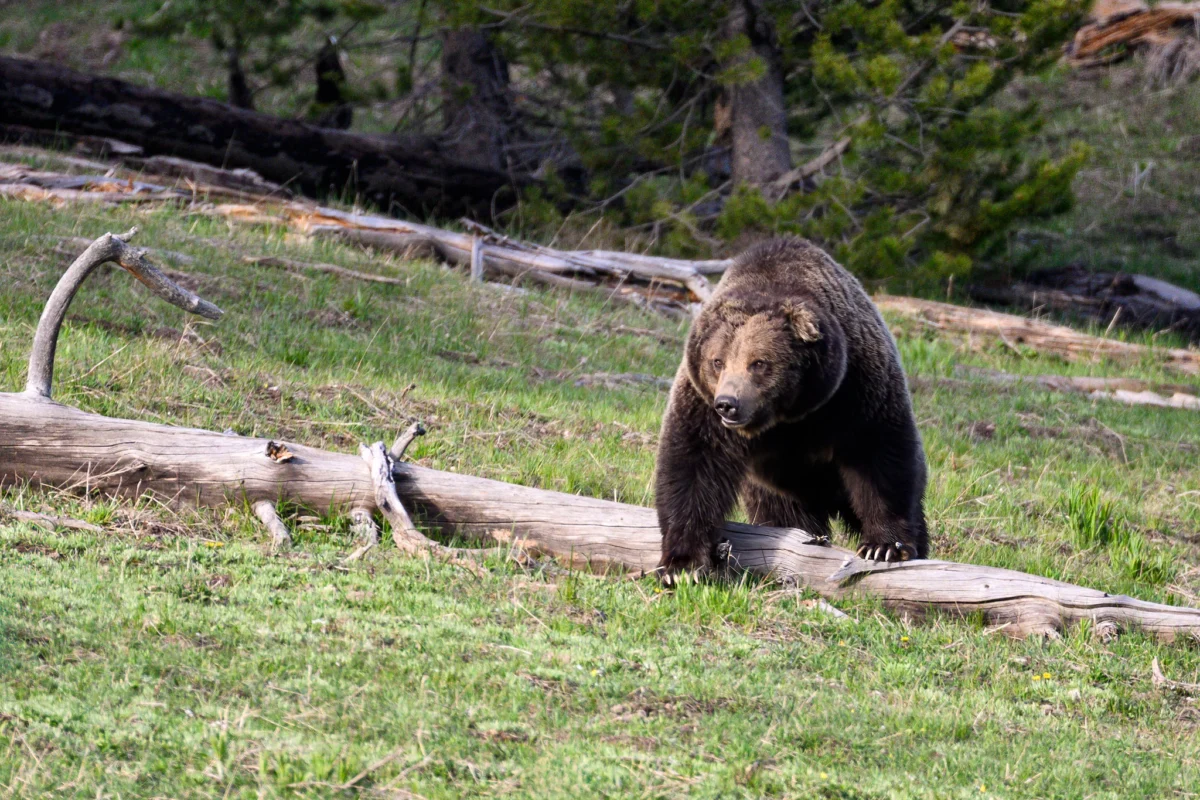
The Trump Administration announced a significant shift in wildlife policy on Tuesday, proposing to transfer the management of grizzly bears in the contiguous United States from federal oversight to state control, marking a pivotal moment in the species’ half-century long recovery journey. Secretary of the Interior Doug Burgum, flanked by Governors Greg Gianforte of Montana, Mark Gordon of Wyoming, and Brad Little of Idaho, unveiled the new rule at a press conference strategically held in the heart of grizzly country, just north of Yellowstone National Park, signaling a commitment to local control over a species that has long been a symbol of wilderness.
Governor Gianforte of Montana underscored the administration’s position from a makeshift stage south of Big Sky, declaring the grizzly bear’s resurgence "one of America’s greatest conservation successes." He highlighted the growing challenges associated with a thriving grizzly population, specifically pointing to an increase in human-bear conflicts occurring in residential areas, public playgrounds, and agricultural pastures across the region. Gianforte asserted Montana’s readiness and capability to assume full authority for managing its grizzly bear populations, a sentiment echoed by his counterparts from Wyoming and Idaho.
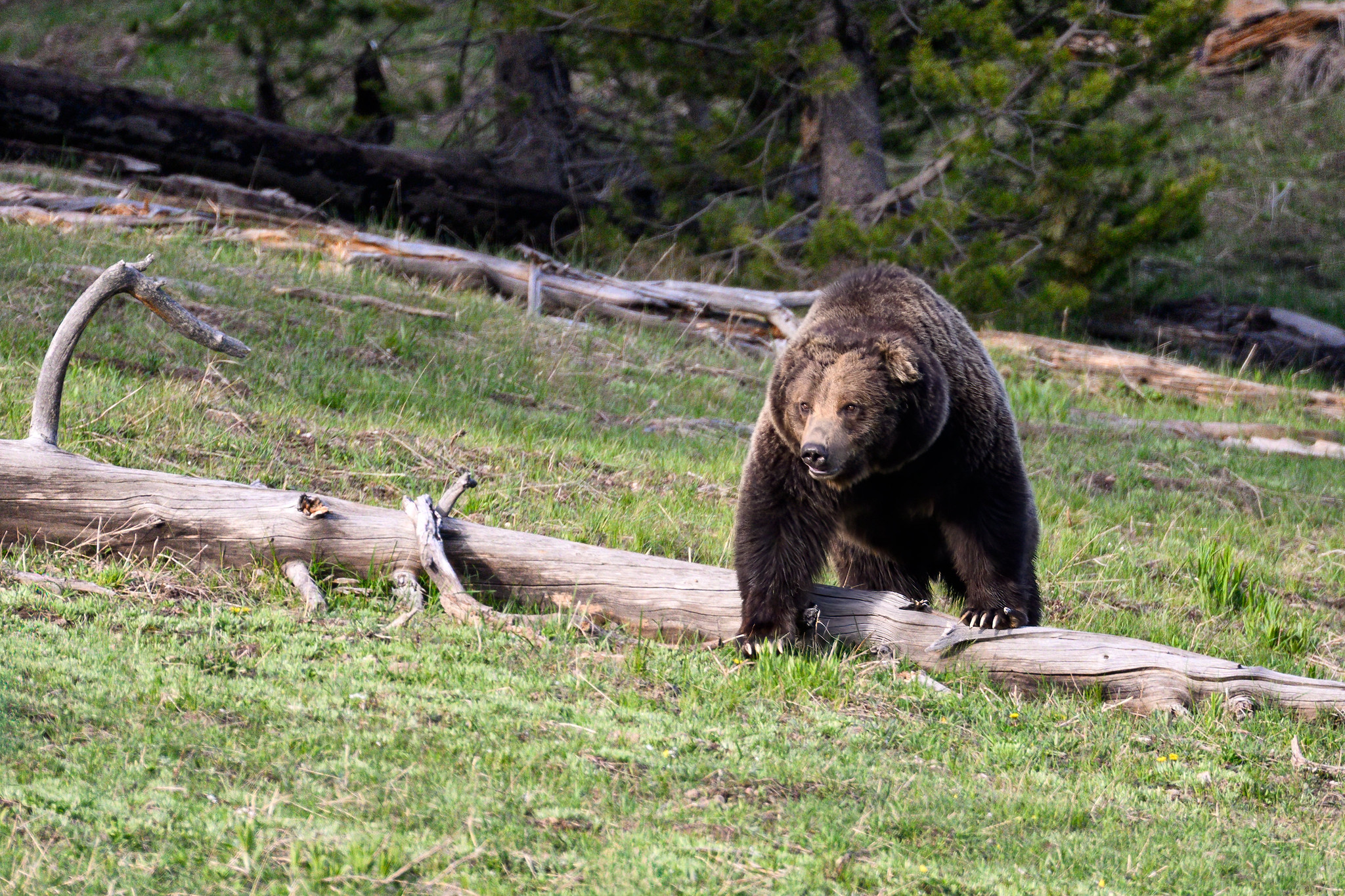
This proposed change comes nearly fifty years after the U.S. Fish and Wildlife Service (USFWS) first listed the grizzly bear (Ursus arctos horribilis) as "threatened" in the Lower 48 states under the landmark Endangered Species Act (ESA) in 1975. At that time, the majestic carnivore teetered on the brink of extinction, with fewer than 600 individuals remaining south of the Canadian border, remnants of a population that once numbered over 50,000 across the American West. Intensive conservation efforts, including habitat protection, anti-poaching measures, and public education, have since fostered a remarkable rebound. Today, two robust populations, each estimated at approximately 1,000 bears, thrive within and surrounding the Greater Yellowstone and Glacier National Park ecosystems. Additionally, smaller, more isolated populations exist, and efforts continue to explore the potential for population growth and connectivity in other historical grizzly habitats such as the Selkirk, Cabinet-Yaak, and Bitterroot ecosystems.
The federal government has previously attempted to remove ESA protections for grizzlies, particularly those in the Greater Yellowstone Ecosystem, on two separate occasions in 2007 and 2017. Both efforts, which would have reverted management to the states of Idaho, Montana, and Wyoming, were ultimately overturned in federal courts following legal challenges from environmental groups. These legal setbacks often cited concerns regarding genetic isolation, the sufficiency of state management plans, and the overall scientific robustness of delisting proposals. Despite these judicial decisions, the states have persistently petitioned for the removal of federal protections, arguing for their expertise in managing local wildlife populations. Just last year, in January 2025, during the final hours of the Biden administration, the USFWS denied these state petitions and issued a new rule that explicitly maintained the grizzly bears’ protected status under the ESA.
The rule announced by the Trump administration takes a distinct legal and strategic approach, amending the Biden administration’s 2025 edict without outright delisting the grizzlies. Under this new revision of Section 4(d) of the Endangered Species Act, grizzly bears will technically remain on the threatened species list, but the federal government will cede primary management responsibilities to the states. Section 4(d) of the ESA allows the USFWS to issue specific regulations for species listed as "threatened" that are deemed "necessary and advisable to provide for the conservation of the species." This flexibility often enables tailored management strategies that might not be possible under the stricter mandates for "endangered" species. By utilizing a 4(d) rule, the administration aims to grant states greater flexibility in handling local bear populations, including responding to conflicts and implementing population control measures, while technically keeping the species under federal protection.

Christy Clark, director of Montana Fish, Wildlife and Parks, acknowledged the strategic nature of the move, remarking after the announcement, "I think of this as a dress rehearsal for delisting." This statement suggests that while bears remain listed, the new rule is intended to test the waters for eventual full delisting by allowing states to demonstrate their capacity for effective stewardship. For decades, a central concern surrounding delisting efforts has been the potential for states to institute a grizzly hunting season. However, Governor Gianforte affirmed that Montana currently maintains a five-year moratorium on hunting grizzlies post-delisting, and he clarified that the new 4(d) rule would not immediately permit a hunt in Montana. The specific text of the new 4(d) rule remains to be fully published and scrutinized, but all three governors and Secretary Burgum emphasized that the framework is designed to empower states with more adaptive tools to manage grizzlies as the species transitions from an era primarily focused on recovery to one of sustained population stewardship.
Despite the administration’s assurances, critics of the decision express deep apprehension, warning that the move could ultimately lead to increased grizzly mortality and jeopardize the species’ long-term viability. Andrea Zaccardi, a senior attorney at the Center for Biological Diversity, voiced strong disapproval, stating, "We’re disappointed the Trump administration is trying to make it easier to kill grizzly bears." Environmental advocates argue that while grizzly populations have rebounded in core areas, they still face significant threats from habitat fragmentation, climate change, and human encroachment, making robust federal protections more crucial than ever.
Jenny Harbine, managing attorney at the nonprofit environmental law firm Earthjustice, highlighted a confluence of federal actions that, in her view, threaten grizzly bears. She cited weakened environmental reviews, the rescinded roadless rule, and accelerated logging and mining projects as factors contributing to a more precarious future for the bears. These policies, critics contend, could diminish vital habitat, fragment wildlife corridors essential for genetic exchange between isolated populations, and increase human-bear conflicts as development pushes further into wild areas. Harbine asserted, "This does not create a situation where the service should be relaxing protections for grizzly bears. They need them more than ever."

The debate over grizzly bear management reflects a broader, ongoing tension in wildlife conservation between federal oversight and state control, particularly concerning large carnivores. Proponents of state management often argue that local agencies possess a more nuanced understanding of regional ecological conditions and socio-economic factors, allowing for more responsive and effective conservation strategies. They also point to the financial burden and administrative complexities of federal management, asserting that states are better equipped to integrate wildlife management with local land use planning and public safety concerns. Conversely, conservationists advocating for continued federal protection emphasize the importance of a consistent, science-driven approach across state lines, particularly for wide-ranging species like grizzlies that traverse multiple jurisdictions. They fear that a patchwork of state-specific regulations could undermine recovery efforts, especially if political pressures or economic interests lead to less protective measures.
The implications of this new 4(d) rule extend beyond the immediate future of grizzly bears. It sets a precedent for how threatened species might be managed under the ESA, potentially influencing the conservation trajectories of other recovering species across the United States. Furthermore, the decision resonates with global wildlife management challenges, where increasing human populations and development pressures frequently bring people into conflict with large carnivores, from tigers in Asia to lions in Africa. Striking a balance between human safety, economic interests, and the ecological imperatives of apex predators remains a complex and often contentious endeavor worldwide.
The legal battle over grizzly management is far from over. Environmental organizations are expected to challenge the new 4(d) rule in court, likely arguing that it fails to adequately ensure the conservation of the species as required by the ESA. These legal challenges will scrutinize the scientific basis of the decision, the sufficiency of state management plans, and whether the rule truly serves the long-term recovery goals for grizzlies. The ultimate fate of these iconic bears, symbols of American wilderness, now rests on the outcomes of these legal proceedings and the practical application of state-led management in the years to come.







