Roger Danuarta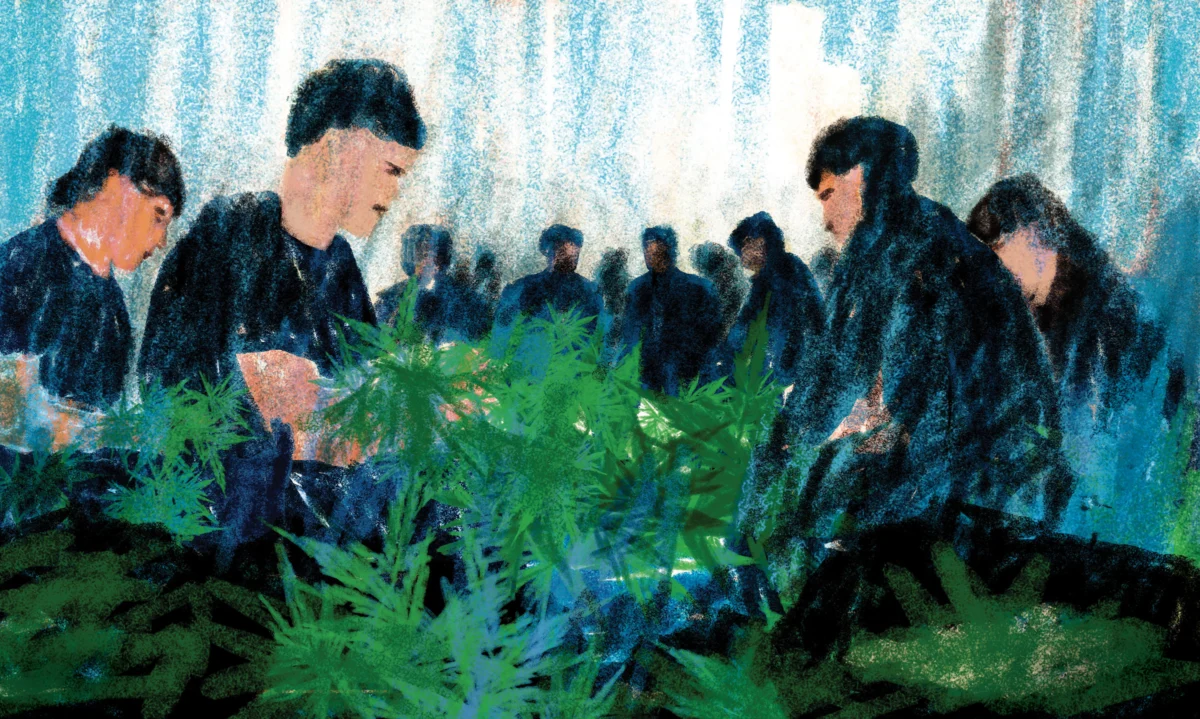
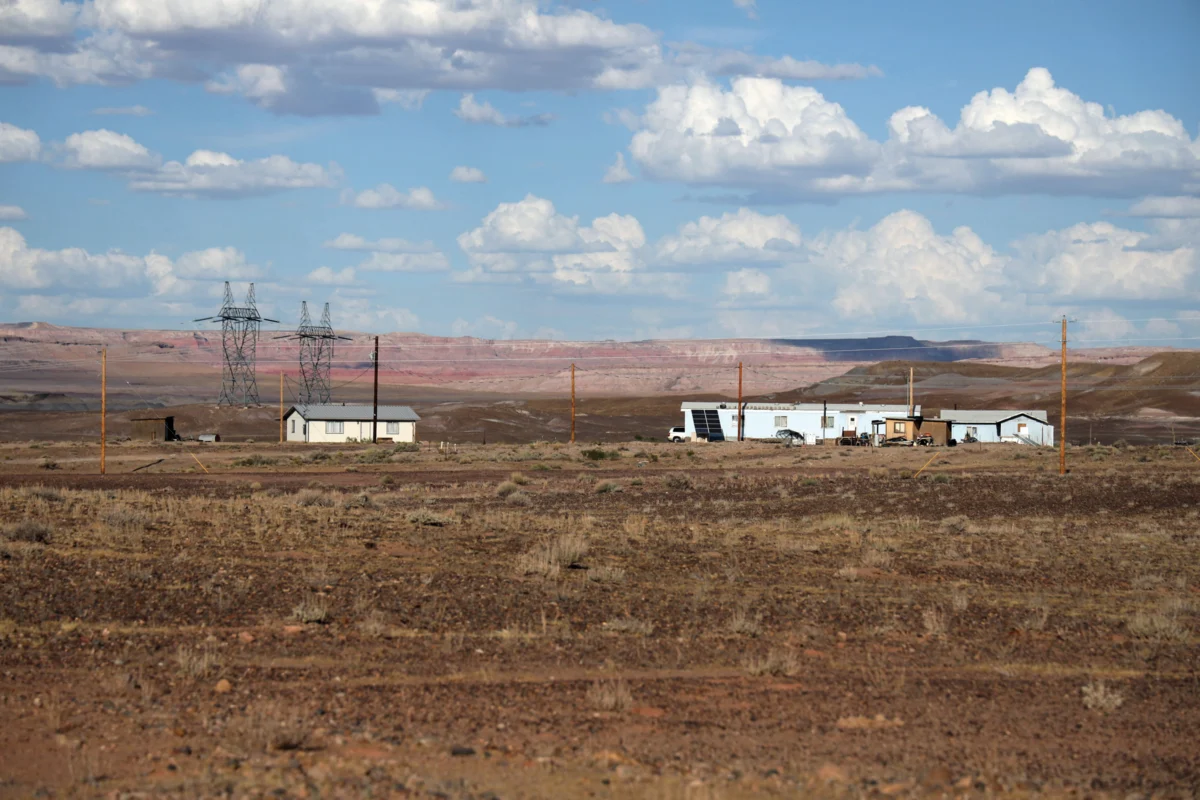
The phone call revealed an enticing offer: $200 daily for eight to ten hours of "flowering trimming," with food and accommodation included. A subsequent text message directed them to Farmington, a quiet oil-and-gas town of 46,000 residents situated at the gateway to the vast Navajo Nation, a prominent hub in the Four Corners region where New Mexico, Colorado, Utah, and Arizona converge. The 740-mile, nearly 12-hour drive east in early October was a landscape transformed, from the bustling California coast to the stark, majestic high desert dominated by Shiprock, a colossal volcanic rock formation piercing the sky. Yet, the promise of legitimate work quickly dissolved into a nightmare upon their arrival at a pink, two-story motel.
Mary recounted how a Chinese-speaking man confiscated their car keys and phones, separating her and Mark into different rooms. Some motel rooms had been crudely converted into makeshift processing facilities, mattresses removed and drawers emptied. Legal documents later revealed that doors were locked or guarded, and workers were instructed to sit on upside-down buckets amidst heavy-duty black trash bags overflowing with lime-green marijuana plants. The pervasive, pungent odor of cannabis, Mary recalled, became synonymous with her ordeal. She worked tirelessly, from 7 a.m. or earlier until 10 p.m., cutting leaves from plant buds with scissors. Denied medication despite a 100-degree fever and suffering from a painfully swollen nose, she was forced to continue working even when she tried to stop, as later stated in a civil case filed by her and other victims.
Mark and Mary had unknowingly stumbled into the illicit fringes of New Mexico’s then-nascent legal cannabis industry, becoming pawns in an emerging network that exploited Chinese immigrants as cheap, disposable labor to supply the escalating demand for marijuana. New Mexico, which officially legalized adult-use cannabis in 2021 and commenced licensed sales in 2022, now generates over $35 million monthly from the plant. This rapid growth mirrors a broader trend across the Western United States, where states like Colorado have embraced legalization over the past decade and a half, creating a complex regulatory environment often exploited by black market operators. Simultaneously, cannabis entrepreneurs recognized an unexpected labor pool: a surge of Chinese immigrants. Between 2021 and 2024, over 60,000 Chinese migrants crossed the Mexican border into the U.S., many driven by China’s post-pandemic economic downturn and youth unemployment rates hovering around 15%. This confluence of factors—legalization creating demand and economic hardship driving migration—created fertile ground for exploitation.

Initially, when law enforcement intervened in illicit cannabis operations, the workers themselves frequently became the primary focus of punitive action. Despite the diligent efforts of social support groups, these trafficked immigrant workers often bore the brunt of the legal system, suffering consequences for the very system that exploited them.
The turning point for Mark and Mary came on the afternoon of October 8, 2020. A local passerby, observing a man transferring marijuana plants from a vehicle into a motel room and detecting the strong scent of cannabis emanating from cars with California license plates, alerted 911. Police quickly arrived, knocking on the motel room doors. Mary initially felt a surge of relief, believing rescue had finally arrived. This hope, however, quickly faded. Officers escorted 16 workers out, instructing them with gestures to sit or kneel on the ground, as captured by police dashcam video. Some held their hands behind their heads, waiting over two hours before being transferred to the San Juan County Adult Detention Center. A Mandarin-speaking officer inquired if they knew what they were cutting; all shook their heads. After approximately five days in detention, Mary and the other workers were informed they could not leave San Juan County pending trial, a bewildering directive amidst legal papers they could not comprehend.
Days before the motel bust, a reporter, following rumors of extensive illegal marijuana grows involving hundreds of Chinese Americans and Chinese immigrants on the Navajo Nation, had visited Farmington. This investigation uncovered ads promising "golden opportunities" for investment and employment in tribal land cannabis operations. The reporter encountered Chinese-speaking workers in mobile home parks and sparsely populated strip malls, even speaking with one of Mary’s future co-workers outside a motel. This connection proved vital when the co-worker, arrested alongside Mary, later shared his confused charging documents.
In the wake of the Farmington motel raid, law enforcement aimed to dismantle the entire operation. At its peak, this sprawling enterprise employed over 1,000 Chinese Americans and Chinese immigrants, according to Navajo Nation police. Local authorities adopted a stringent stance, asserting culpability for anyone involved in illegal cannabis cultivation. "You can’t say you don’t know what’s going on," a top San Juan police officer stated at the time, vowing, "We will charge them. And we will prosecute them."

This punitive approach is not uncommon. Since 1979, the U.S. Drug Enforcement Agency (DEA) has funded cannabis eradication efforts, often measuring success by seizures and destruction, leading state and local agencies to prioritize physical operations over financial backers and leadership. The increasing legalization and decriminalization of cannabis have paradoxically reduced the impetus to prosecute those orchestrating these illicit businesses, often shifting the harshest consequences onto the least responsible parties. In early November 2020, weeks after the Farmington motel bust, federal officers from the FBI and DEA raided farms belonging to Dineh Benally, a Diné politician and entrepreneur, on the Navajo Nation. They found dozens of Chinese workers, scantily dressed for the cold, half-asleep among plants in heated hoop houses. The workers were searched, bused to a nearby high school, and interrogated in makeshift rooms. Crucially, none of the farm’s operators or financial backers were present or arrested; they had vanished before law enforcement arrived. The charges against the 16 motel workers were not dropped until late November, over two weeks after their arrest, despite clear evidence they were not the masterminds and many were unaware of the illegality of their work.
The central question remained: How did dozens of Chinese-speaking workers end up in this remote corner of New Mexico, a state with minimal Chinese communities? Workers consistently mentioned a "Mr. Lin." The reporter traced the phone number from Chinese-language investment ads, along with various speeding citations and police calls, to Irving Rea-Yui Lin, a Taiwanese American entrepreneur from Monterey Park, California. Lin, then nearly 70, a slightly hunched, unassuming figure, agreed to an interview in Farmington.
Lin revealed that around 2018, he began exploring cannabis investment opportunities, leading him to Benally. In early 2020, Lin acted as a translator for Benally in Los Angeles’ suburban Chinatown, where Benally promoted cannabis investment on the Navajo Nation. Benally reportedly asserted tribal sovereignty allowed for unique regulations and licenses, likening it to China’s "one country, two systems" policy in Hong Kong. The meeting attracted about 100 attendees, convinced by Lin that the pandemic presented a "golden opportunity." Lin admitted he was fully aware it was marijuana, but viewed it as a continuation of his life’s philosophy: "always going through Pian Men," a Chinese phrase meaning "side gates" or unofficial, higher-risk ways of earning money outside traditional employment, a common strategy for first-generation immigrants.
Despite cannabis being strictly illegal in most of East and Southeast Asia, and Asian Americans generally showing less support for legalization than other ethnic groups in the U.S., Benally and Lin’s strategy proved effective. Some investors poured their life savings into the venture, promised legitimacy by Benally. Job opportunities for "New Mexico flower trimming," "weeding on Indian Reservations," and "building greenhouses and pipework on the Navajo Nation" proliferated on WeChat groups and in Chinese-language classifieds.

Lin’s own life mirrored this "side gate" philosophy. After graduating college in Taiwan, he worked as a seaman, dreaming of immigrating to the U.S. He studied English and computer science, planning to attend a master’s program and work for IBM. To fund his education, he found his first "side gate" job as a warehouse manager through Manhattan’s Chinatown job agencies. Post-graduation, he dabbled in IT, mining, and real estate, even leading a coalition of Chinese IT entrepreneurs, earning him the moniker "President Lin" on the East Coast. However, his reputation was later marred by a copyright lawsuit, and other ventures were fleeting successes, forcing him to the fringes of American society and to reestablish himself in L.A.’s suburban Chinatown. He saw the workers in Benally’s operation as simply doing the same. Cannabis cultivation, a seasonal, labor-intensive industry easily staffed informally through brokers, had surfaced with similar trafficking allegations in California, Oklahoma, Massachusetts, and Maine.
Lin admitted to profiting from the business, shuttling over 100 workers from Los Angeles to New Mexico, sometimes for a fee, and transporting thousands of marijuana seedlings in his 12-seat van. The workers and investors, however, lacked his insider knowledge. New Mexico has a history of trafficked workers, but existing support systems, largely geared towards Spanish speakers, struggled to assist those caught in Lin and Benally’s operation. Lynn Sanchez, director of human trafficking outreach at The Life Link, a Santa Fe-based nonprofit, first met Mary and other Chinese workers after the Navajo Nation raid. Expecting Spanish-speaking farmworkers, she arrived with Spanish and English pamphlets, only to find all the victims were Chinese. With an FBI agent translating, Sanchez explained Life Link’s services, but initially only eight of nearly 60 workers accepted prepaid debit cards, clothing, and food. The agent, frustrated, remarked, "They don’t want help; they just want another job."
A public defender, Nicole Hall, later contacted Sanchez, disturbed by the misspelled Chinese names in the case files of the 16 Farmington motel workers. "Something was wrong," Hall later told a reporter, concluding, "And none of these people should be going to jail." Sanchez visited Mary and the other 15 workers sharing two hotel rooms in Farmington, describing them as having "been through an awful lot," unsure how they were surviving. The workers found their new environment disorienting. "You don’t see the world the same way when you’ve been psychologically overwhelmed like that, to be their age, to be taken at gunpoint to jail, and then to be told you have to stay here, in this climate that was really very anti-Asian," Sanchez explained. "And if they’re stuck in New Mexico, they’re stuck on a whole other planet." Their mugshots, published locally and republished in China, made them targets amidst rising anti-Asian sentiment during the COVID-19 pandemic, leaving many afraid to leave their rooms or seek help.
After the charges were dropped in late November 2020, many workers used state crime victim funds to return to Monterey Park, only to face a cold reception. News of their suspected involvement in the black-market marijuana industry had spread, making it difficult to find legitimate employment in Chinese communities in the U.S. and China. At least three workers reported receiving threatening phone calls warning them against cooperating with law enforcement. "There was a sense that someone was following us," Mary confided. Desperation drove some to take further risks. One man in his 50s, hoping to earn money for his daughter’s critical heart medication in China, immediately took a job transporting marijuana plants. In late 2021, he was arrested in Oklahoma while driving a truckload, spending a year and a half in immigration detention centers in Colorado and Texas. During his detention, his daughter tragically passed away.

While delivering checks for lost wages to the workers in Monterey Park, a low-rise, predominantly Asian suburb brimming with Chinese restaurants, churches, and employment agencies, Sanchez realized Mark and Mary’s experience was not isolated. Monterey Park, a hub for an estimated 2.5 million Chinese migrant workers seeking opportunity due to political suppression and economic distress, served as a gateway. "Monterey Park was packed with a dense mass of Chinese men looking for work," another Life Link employee noted, "And some would end up in New Mexico."
Mary, no longer feeling safe in Monterey Park, accepted Life Link’s offer to relocate to New Mexico with her husband. The organization assisted them with affordable housing, rent assistance, and healthcare, connecting them with legal partners like the New Mexico Immigration Law Center and the Human Trafficking Legal Center to apply for T-visas, reserved for trafficking victims, despite their high rejection rate. Life Link also hired its first Chinese-speaking employee, Yuxi Qin, whose father was among those arrested in Farmington and found recovery through Life Link’s aid. Qin now helps Sanchez with the growing number of Chinese-speaking clients. "The illicit cannabis industry brought migrant workers from China, a place that we’d never expected to see in New Mexico," Sanchez acknowledged, emphasizing it was a learning experience and that "there is much more to do."
Concurrently, some law enforcement agencies began shifting their focus to the masterminds behind the illicit cannabis trade. Kevin McInerney, a commander at California’s Department of Cannabis Control and a West Coast partner of Sanchez, also spent time in Monterey Park, following the lead of a Chinese-speaking anti-trafficking investigator. He frequented Chinese restaurants and employment agencies, observing laborers waiting for rides to worksites. "They were picked up during the days, dropped off, and then ended up in the day-rental converted apartments, where multiple people slept in the same room, with their belongings in a separate place," McInerney described. He increasingly saw workers as victims, not criminals, questioning the conventional police tactics of raiding shacks and handcuffing laborers. In 2022, California’s Department of Cannabis Control launched an anti-trafficking and worker exploitation initiative to "investigate the recruitment pipeline funneling migrant workers into cannabis" and "shift the culture of law enforcement." McInerney conceded this was "a struggle" due to limited resources for the time-consuming work of investigating complex recruitment, transportation, housing, and coercion networks.
The alleged activities of Lin and others represent a particularly insidious form of "affinity exploitation." Operators prey on newcomers by leveraging the same language and social circles immigrants rely on for survival, transforming these trusted networks into conduits for fraud, coercion, and forced labor. Once involved, victims become integral to the supply chain. Legal experts explain that without stability, individuals become vulnerable to exploitation across all their basic needs. Erika Moritsugu, former deputy assistant to President Joe Biden and the Asian American and Native Hawaiian and Pacific Islander senior liaison at the White House, noted that "Cannabis entered and operated within this existing infrastructure," drawing her attention to the New Mexico case after learning about it through "community partners on the ground" and "field colleagues in government." She met with eight of the Chinese workers via video chat in 2021.

Despite growing awareness, law enforcement’s understanding of the power wielded by illicit operators lagged behind the rapidly evolving business. Lin initially emerged from the Navajo Nation bust relatively unscathed, except for a law enforcement visit to his Farmington hotel. He quickly returned to corralling new investors for projects in Oklahoma, pitching groups at Chinese community centers in Los Angeles County. Flyers promised "Legally licensed, completely transparent! The COVID-19 Pandemic has brought a turning point to the industry! A senior expert explains!" Lin, gesturing like a stand-up comedian, urged investment in Oklahoma cannabis, promising returns "higher than 1,000%," claiming, "Finance one greenhouse, and you’ll walk away with $300,000." He asserted that a "professional team" would manage everything, but failed to disclose that transporting marijuana across state lines is a federal felony, a crucial omission for potential investors and workers.
Lin obtained a permit for a marijuana farm in Waterflow, New Mexico, in December 2023, though it was revoked in August 2024 for exceeding plant count. He also reconnected with Benally, who had established cannabis grows in Estancia, New Mexico, 45 minutes southeast of Albuquerque, and Lin admitted helping bring workers there for a year. The Estancia operation, however, marked a pivotal shift in how New Mexico law enforcement approached these cases. David, a sturdy 20-something cattle rancher from northwestern China, was among those who ended up in Estancia. Drawn by the prospect of earning $4,500 monthly, he flew from New York, where he lived after crossing the Mexican border to reunite with his spouse in 2023. He described being picked up in Albuquerque and driven to a "complete wasteland" in Estancia, "without a single light bulb in sight. And you wouldn’t even know if you were being sold to anyone." The farm housed about 60 Chinese-speaking employees in an isolated environment, guarded by locked gates and dogs. David wanted to quit on his second day due to the long hours, but his request was denied, and without a car, leaving felt impossible.
On his third morning, as David ate breakfast, at least 100 officers, including armored vehicles, a truck with a large antenna, and three circling helicopters, descended on the farm. Officers made announcements in Mandarin Chinese via loudspeakers, stating they were from the New Mexico attorney general’s office: "Don’t panic, we’re here to search." Workers emerged from hoop houses, crouching and covering their heads, as officers checked their documentation. A bus arrived for those who wished to leave. Most chose to continue working until payday, but six, including David, boarded it. Law enforcement connected them to Lynn Sanchez and Life Link. David was initially skeptical until Mary reassured him, "Lynn is kind-hearted and genuinely here to help you."
On September 27, 2023, Mark, Mary, and 13 other Chinese migrant workers arrested in Farmington filed a civil lawsuit against Lin, Benally, and others for alleged trafficking. McInerney saw the workers’ progress—finding stable housing, legal support, and a clearer path to immigration relief—as a model: treat trafficked individuals as victims first, and use that stability to build cases against criminal networks rather than individual laborers. Irving Lin, when asked about the civil lawsuit, maintained his "clean background," claiming he merely served as an interpreter and feeling betrayed by his own people. He inaccurately asserted the workers received green cards, reiterating, "Again, it’s all through side gates." His defiance echoed a 2021 conversation where he dismissed his wife’s fears of arrest and his daughter’s concerns, stating, "Daddy is creating something." He was driven by a sense of urgency, believing, "Marijuana would devalue if we don’t move fast, given the wave of legalization in many states. I’m no longer young. Time is limited. And I might not be able to do this in another three or five years."

The legal system eventually caught up with the operators. In 2024, Benally’s cannabis license in Estancia and Lin’s in Waterflow were revoked, and Lin was arrested in late 2024. On January 23, 2025, after more than five years of federal investigations, the FBI arrested Dineh Benally. Both men were detained without bail, facing federal charges. Benally pleaded guilty to 15 felonies related to his operations on the Navajo Nation and elsewhere, including "unlawfully employing illegal aliens" and "conspiracy to harbor illegal aliens," facing a mandatory minimum of 15 years and potentially life imprisonment. Lin was charged with three counts of drug conspiracy, manufacturing marijuana, and possession with intent to distribute. Diagnosed with pancreatic cancer while in custody, he continued to assert his innocence and requested English-Chinese interpretation in court. In December 2025, Lin passed away in custody from heart failure, prompting his estate to file a wrongful death lawsuit.
Efforts to prevent future exploitation face ongoing challenges. In March 2024, Los Angeles County proposed a workers’ resource center in Monterey Park, offering comprehensive support in Chinese, including health services, housing navigation, immigration and employment-rights training, and wage-theft clinics. However, due to a lack of funding, the plan requiring approximately $2 million annually, a fraction of McInerney’s total budget, remains on hold.
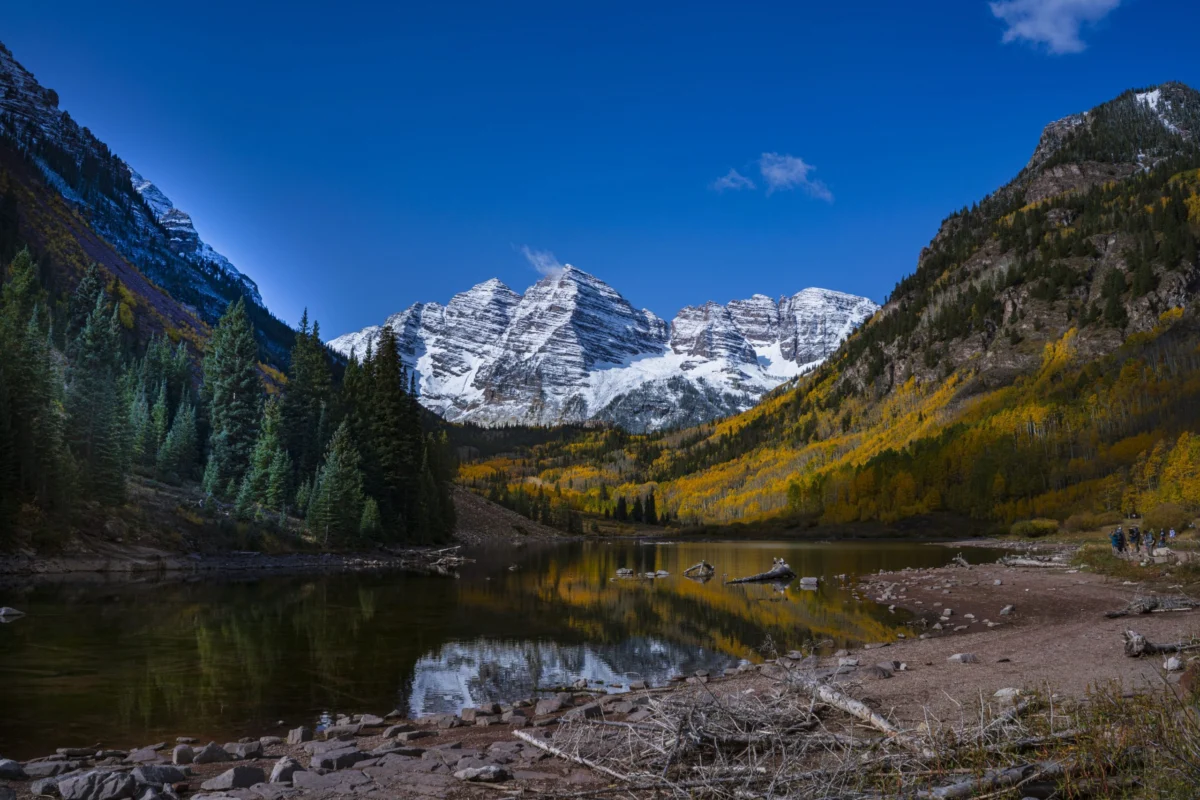
While some victims, like the man who lost his daughter, continue to bear lifelong consequences and travel between California and New Mexico seeking work, others have begun to rebuild their lives. Almost all the other workers who filed suit successfully obtained T-visas. Mark and Mary have forged a quiet life in Santa Fe, residing in an apartment near the visual art exhibition Meow Wolf. They prefer the tranquility of nature, driving to the Santa Fe Mountains, where the high desert meets aspen and ponderosa pine forests. Their dream is to open a dumpling restaurant or a traditional Chinese medicine health center. "People like them used to feel like they were fish, always swimming aimlessly to find gigs in job agencies and floating around the United States," Yuxi Qin observed. "They have become trees, started to take root, and are flourishing in New Mexico." This narrative highlights the ongoing battle against human trafficking within an evolving industry, underscoring the critical need for comprehensive support for vulnerable populations and a legal system that prioritizes justice for victims over punitive measures against the exploited.