

 Joko Susilo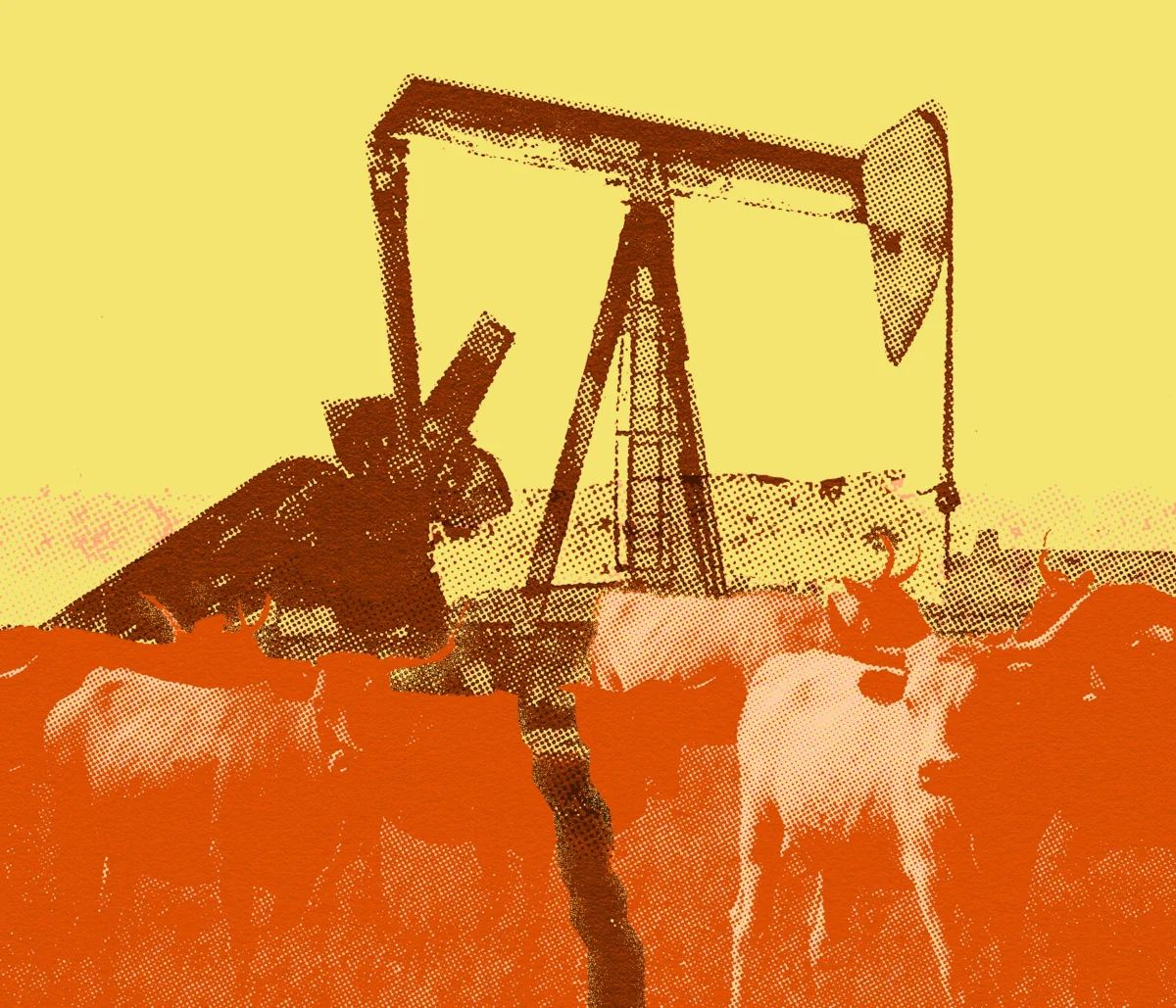
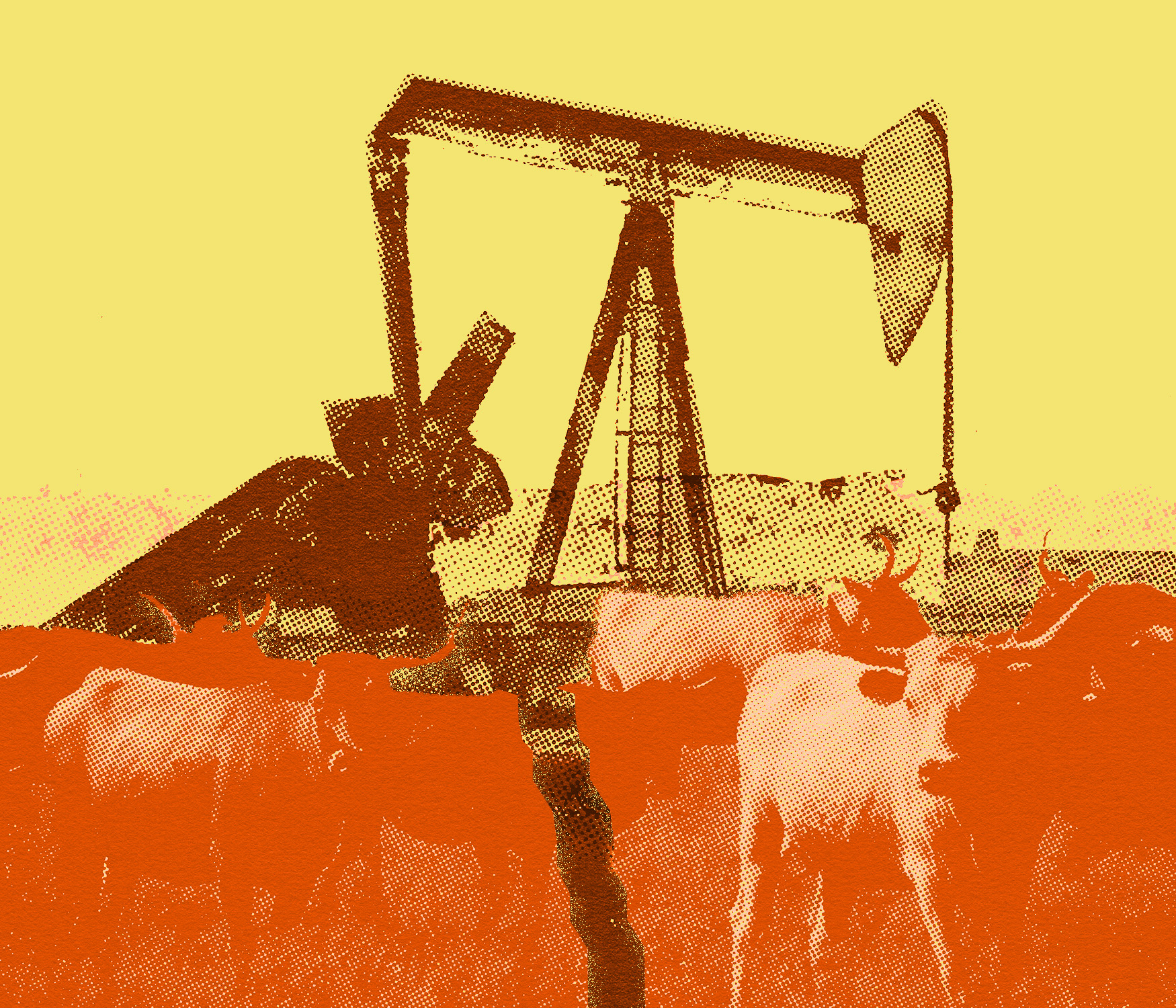
A contentious federal proposal from the Bureau of Land Management (BLM) is poised to drastically alter the landscape of oil and gas development across the Western United States, potentially stripping surface landowners of their traditional rights to influence or even comment on drilling operations beneath their properties. At the heart of this debate lies the "split estate" — a legal anomaly where surface property ownership is separate from the mineral rights below, a situation affecting nearly 58 million acres nationwide, predominantly in states like Wyoming and Montana. Ranchers like Joe Rankin, whose family has worked their land north of Douglas, Wyoming, for 80 years, find themselves on the front lines of this escalating conflict, navigating a complex web of environmental challenges and logistical frustrations stemming from subsurface energy extraction.
Rankin’s experience encapsulates the daily realities for many split estate landowners. His ranch, a testament to generations of stewardship, is already crisscrossed by a "spaghetti bowl" of pipelines, a visual metaphor for the pervasive reach of energy infrastructure. Beyond the physical footprint, the environmental repercussions are stark: leaks from abandoned, or "orphaned," wells have compromised water sources and caused health issues for his cattle. He recounts incidents ranging from his herd becoming stranded in a pipeline ditch during a blizzard to encountering BLM officials driving across his private pasture without prior consultation, highlighting a persistent tension between surface and subsurface interests.
Historically, the public has been granted a robust 90-day window to provide input on BLM-managed mineral leasing. This process mandated that oil and gas companies identify surface owners potentially affected by proposed underground development, with the BLM then formally notifying those landowners. However, the recent proposal seeks to dramatically curtail these protections, reducing the general public comment period to a mere 10 days and, critically, eliminating the requirement for direct landowner notification in split estate cases. Furthermore, the agency intends to lower the minimum bonds that companies are required to pay, collateral meant to cover environmental cleanup costs should drilling operations be abandoned without proper reclamation. These proposed changes are not limited to oil and gas but extend to all subterranean natural resources managed by the agency, sparking widespread alarm among landowners, environmental advocates, and local government officials.
The rationale behind these proposed revisions, as articulated by industry interests and some government proponents, centers on streamlining the leasing process, reducing perceived "red tape," and fostering economic growth, particularly for small- and medium-sized energy companies. Advocates argue that such measures are essential for bolstering domestic energy production and attracting investment in the sector. However, a formidable coalition of landowners and public officials views the proposal as a profound erosion of public input, an infringement on landowner rights, and a direct threat to community health and environmental integrity.
The concept of the split estate itself is a historical artifact, largely a product of early 20th-century federal land policies like the Homestead Act and the Stock-Raising Homestead Act of 1916. These laws encouraged westward expansion by granting settlers surface rights for agricultural purposes while retaining subsurface mineral rights for federal management, often with the intent of promoting resource extraction. This legal division established a clear, albeit often contentious, hierarchy: mineral rights are deemed "dominant" over surface rights. This dominance grants companies holding mineral leases significant latitude to access surface property, construct infrastructure, and operate equipment, even in the face of landowner objections. This enduring legal framework has fueled decades of legal battles and legislative efforts as Westerners have sought to balance property rights with the imperative of resource development.
The proposed reduction in public comment periods, from three 30-day opportunities to a single, truncated 10-day protest window, is particularly concerning for those directly impacted. Jim Magagna, executive vice president of the Wyoming Stock Growers Association, lambasted the brevity of the proposed comment period as "unreasonable." He emphasized the demanding schedules of ranchers, who are constantly occupied with calving, haying, feeding, or shipping livestock, making a 10-day window practically impossible for meaningful engagement. Critics argue that this severe reduction effectively silences a crucial segment of the public, particularly those with the most intimate knowledge of the land and its vulnerabilities.
The elimination of direct landowner notification further exacerbates these concerns. Under the current rules, companies must identify affected surface owners, and the BLM is obligated to inform them of proposed activities. Removing this requirement means that ranchers like Rankin could potentially discover drilling operations on or near their property only after they have commenced, without any prior opportunity for input or negotiation. The BLM, in its federal documents, justifies this change by asserting that the Mineral Leasing Act does not explicitly mandate such notification and that the existing requirement "imposes undue burdens on the oil and gas industry." However, Gwen Lachelt, founder of the Western Leaders Network, which champions conservation and democratic principles, argues that public feedback is invaluable, not just for landowners but also for companies and regulators. She notes that BLM personnel have historically used public comments to significantly improve drilling applications, recognizing that "no one knows their land better than those people who are being directly drilled on."
The debate over bond levels represents another critical facet of the proposal. Bonds serve as a financial safeguard, collateral against the eventuality that a company abandons a drilling site without fulfilling its environmental cleanup obligations. The funds from these bonds are then used to plug orphaned wells and remediate ecological damage, preventing taxpayers from bearing the financial burden. The scale of the orphaned well crisis is significant: a 2023 U.S. Geological Survey analysis identified over 1,000 such wells in Wyoming alone, with thousands more scattered across the Western states. These derelict wells pose substantial environmental risks, including groundwater contamination, methane emissions, and habitat degradation.
For decades, federal bond levels were set at a remarkably low $25,000 for statewide leases, an amount widely considered inadequate to cover the true costs of modern environmental remediation. In 2024, the Biden administration sought to address this shortfall by raising the statewide bond amount to $500,000, aiming to account for inflation and better cover cleanup expenses. This move, while lauded by environmental groups and many landowners, faced fierce opposition from industry. The current proposal seeks to reverse this increase, returning minimum bond levels to $10,000 for leases and $25,000 statewide. Aaron Johnson, vice president of public and legislative affairs with the Western Energy Alliance, characterized the Biden-era increase as "punitive," arguing that the half-million-dollar sum sits "idle" and disproportionately burdens small- and medium-sized operators. The BLM, in supporting the proposed reduction, asserts that it "reduces barriers for smaller operators while continuing to ensure adequate reclamation coverage."
However, critics like Joe Rankin contend that higher bond levels provide "more incentive to care" for private companies, encouraging responsible practices and discouraging abandonment. A 2019 Government Accountability Office report estimated that even adjusting the historical $25,000 bond for inflation would place it closer to $198,000, underscoring the severe inadequacy of the proposed $25,000 level. The BLM itself acknowledges in federal documents that reducing bond amounts "may delay orphaned well reclamation," a concession that fuels concerns about the long-term environmental and financial liabilities for taxpayers.
This comprehensive set of proposed changes underscores a perennial tension in federal land management: balancing the drive for domestic energy production and economic growth with the protection of environmental resources and the rights of private property owners. The Western U.S., with its vast public lands and rich mineral deposits, has long been the crucible for this debate. The potential ramifications of these proposed rules extend far beyond individual ranches; they could reshape the very relationship between citizens, their land, and the federal government’s role in resource extraction, setting a precedent for future land use and environmental policy. As the public comment period concludes, the fate of these sweeping changes, and the balance of power in Western land management, hangs in the balance.







