Johny Prima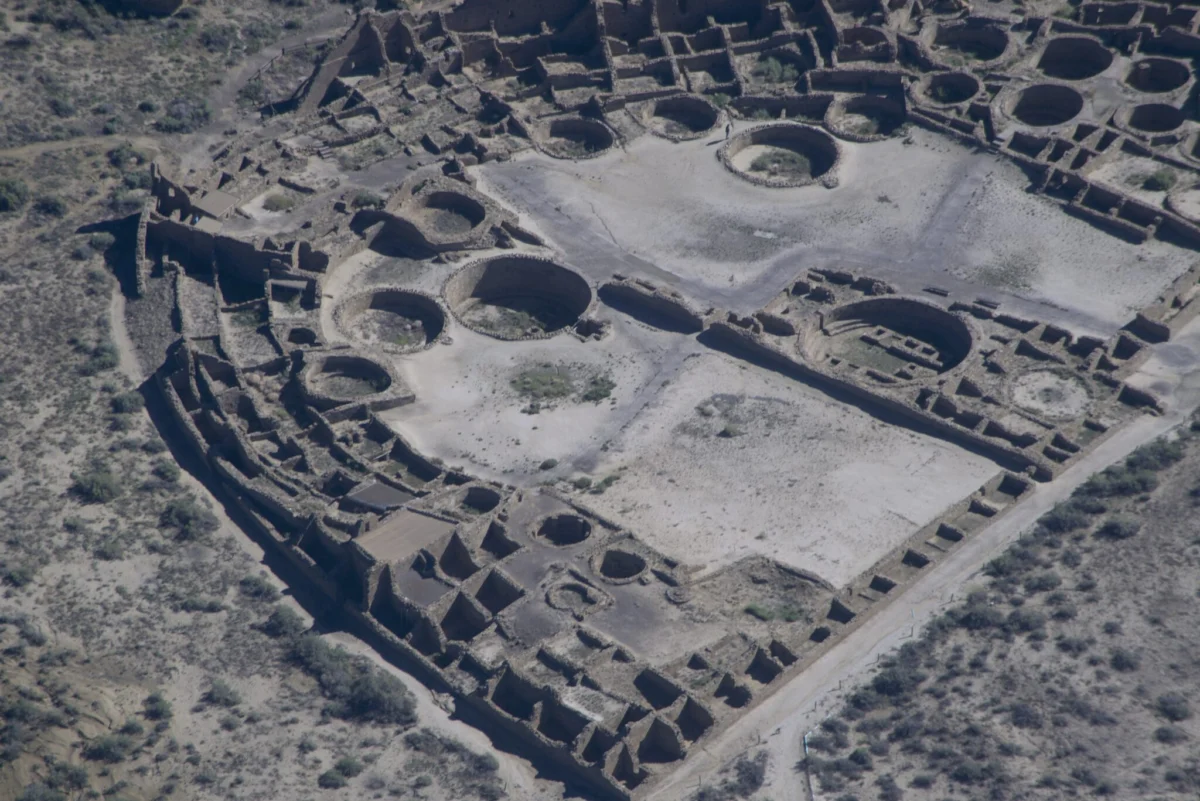
New Mexico’s federal delegation, alongside a chorus of tribal officials, has vehemently accused the outgoing Trump administration of orchestrating a rushed and inadequate process to dismantle a critical federal prohibition on oil and gas drilling in the revered vicinity of Chaco Culture National Historical Park. The contentious move, initiated by the U.S. Bureau of Land Management (BLM), has ignited a firestorm of protest, with critics decrying a mere seven-day window for public comment on a proposal that could profoundly impact a site of unparalleled spiritual, cultural, and historical significance. This compressed timeline, strategically placed to coincide with major religious and traditional holidays including Easter and Passover, has been widely condemned as an egregious attempt to circumvent meaningful public and tribal engagement.
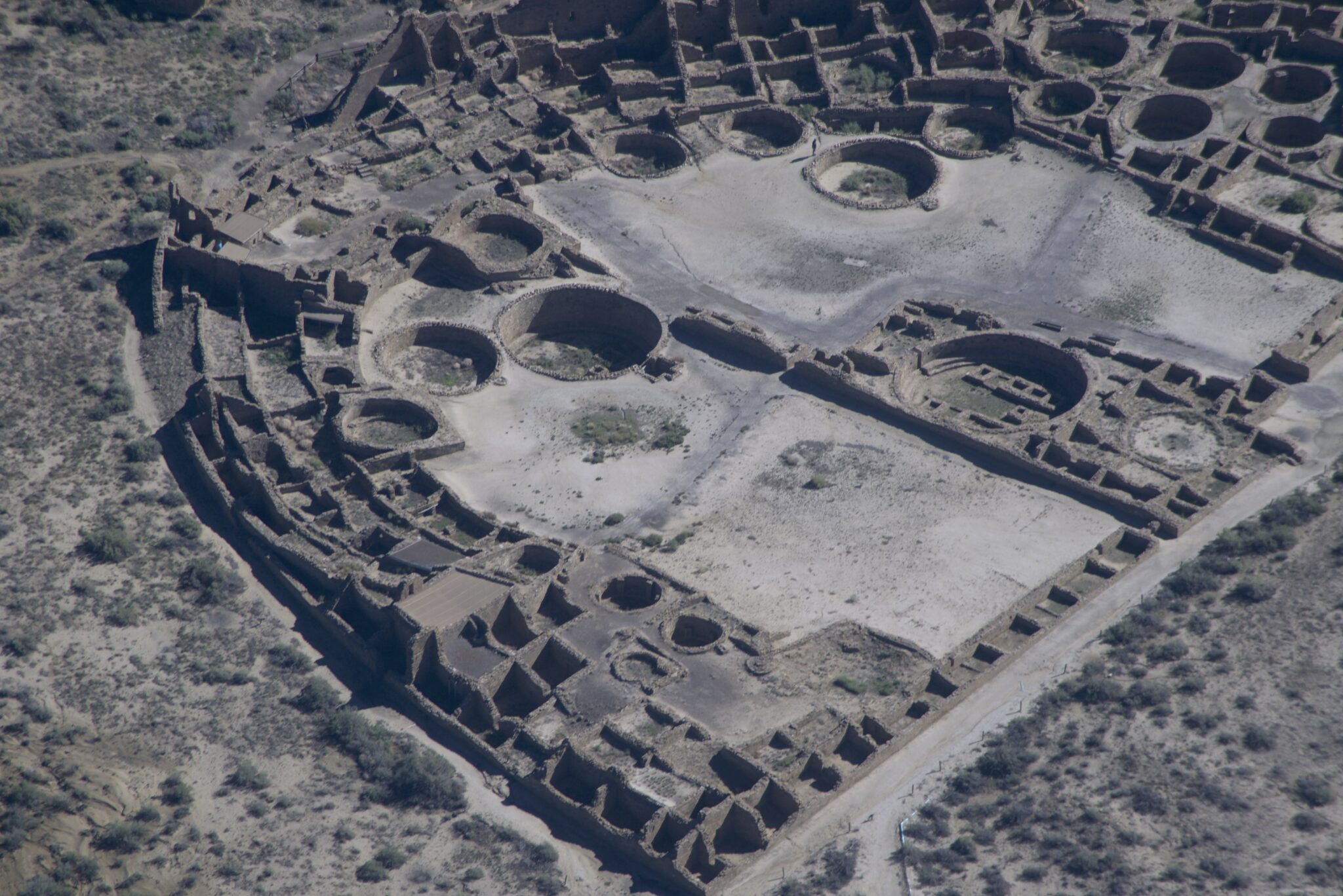
The roots of this escalating conflict lie in a Biden-era directive, a 20-year ban implemented in 2023, which effectively halted new oil and gas development on federal lands within a 10-mile radius of the iconic Chaco Culture National Historical Park. This protective buffer aimed to safeguard the integrity of the UNESCO World Heritage Site, a sprawling complex of monumental stone structures and ceremonial kivas that stand as a testament to the sophisticated astronomical, architectural, and engineering prowess of the ancestral Pueblo people, who flourished in the San Juan Basin between 850 and 1250 A.D. For modern Pueblo and Navajo communities, Chaco Canyon is far more than an archaeological marvel; it is an enduring ancestral homeland, a sacred landscape, and a vital spiritual nexus that informs their identity and traditions to this day. The Trump administration, however, has consistently signaled its intent to reverse these protections, aligning with a broader policy agenda prioritizing domestic energy production and deregulation.
The BLM’s announcement on Monday, soliciting online public feedback for an environmental review, immediately drew sharp rebukes from New Mexico’s entirely Democratic congressional delegation. Senator Martin Heinrich, a vocal advocate for Chaco’s preservation and ranking member of the U.S. Senate Energy and Natural Resources Committee, forcefully articulated the profound disrespect inherent in the administration’s approach. "Chaco Canyon is a living cultural landscape that holds deep historical meaning and is a sacred space for many of our New Mexico Tribes," Senator Heinrich stated, underscoring that the site is "not just one more place to drill." His words highlight the fundamental clash between industrial resource extraction and the preservation of irreplaceable cultural heritage. Senator Ben Ray Luján echoed this sentiment, condemning the seven-day comment period as "inadequate and disgraceful" for determining the fate of a 1,000-year-old sacred site. The brevity and timing of the comment period are particularly galling to stakeholders, who argue that it intentionally marginalizes the voices of those most directly affected.
New Mexico Land Commissioner Stephanie Garcia Richard, who independently enacted a similar 20-year moratorium on oil and gas activities across over 72,000 acres of state trust lands near Chaco in 2023, characterized the proposed reversal as a "disastrous plan." She joined the chorus of officials demanding an extended and more accessible public comment process, emphasizing that "giving only seven days for communities to respond, with no public meetings planned, is a slap in the face to the people who have called this place home long before there ever was a United States government." This sentiment resonates deeply with tribal communities, many of whom face significant barriers to digital access. Acoma Pueblo Governor Charles Riley highlighted the critical issue of the digital divide, explaining that the requirement to submit comments through an online portal presents a "substantial barrier." Many elders and community members in remote areas lack consistent or reliable internet access, effectively excluding their vital perspectives from the decision-making process. Governor Riley called for the federal government to expand avenues for public input to include traditional methods such as mail or in-person comments, ensuring that all voices, particularly those of the ancestral custodians of the land, are heard.
The collective outrage extends across tribal nations. The All Pueblo Council of Governors (APCG), representing the 20 Pueblo nations of New Mexico and Texas, expressed profound dismay at the federal government’s efforts to unravel the established protections. Chairman Joey Sanchez of Santa Ana Pueblo reiterated the enduring reverence for Chaco Canyon, stating, "Chaco Canyon will always be revered and respected as a sacred place by Pueblo people. We will use our collective voice to continue the fight." This unified stance underscores the unwavering commitment of Indigenous communities to protect their heritage against perceived federal overreach and disregard.
The controversy surrounding Chaco Canyon is not an isolated incident but rather emblematic of broader tensions between resource development and cultural preservation, particularly on lands deemed sacred by Indigenous peoples. The San Juan Basin, rich in both cultural heritage and fossil fuel reserves, has long been a flashpoint for these conflicts. The "checkerboard" land ownership pattern in the region—a complex mosaic of federal, state, private, and tribal lands resulting from historical land grants and railroad development—exacerbates these challenges, making comprehensive, contiguous protection difficult to achieve. While the Biden administration’s ban addressed federal lands, the vulnerability of state and private parcels within the 10-mile radius remains a concern, making unified, cross-jurisdictional protection a complex endeavor.
From a global perspective, the struggle to protect Chaco Canyon resonates with similar battles fought by Indigenous communities worldwide, from the Arctic to the Amazon, where ancestral lands and sacred sites are threatened by industrial expansion. The increasing international recognition of Indigenous rights and the value of traditional ecological knowledge places a greater onus on governments to engage in meaningful consultation and uphold their trust responsibilities. For many tribes, land is not merely a commodity or a resource; it is an intrinsic part of their cultural identity, spiritual practice, and intergenerational well-being. The potential environmental impacts of expanded drilling—including air and water pollution, noise disruption, habitat fragmentation, and increased traffic—add another layer of concern to the cultural affront. These environmental degradations could irrevocably alter the landscape, affecting not only the park itself but also the broader ecological systems that sustain the region and its inhabitants.

The Trump administration’s rationale for reversing such protections often centers on arguments of energy independence and economic development. Proponents of drilling emphasize the jobs created and the revenues generated for state and local governments through lease sales and royalties. However, critics argue that these short-term economic gains pale in comparison to the irreversible damage to cultural heritage and the long-term environmental costs. Furthermore, many advocates propose that investing in sustainable economic development, such as heritage tourism and renewable energy, could offer more enduring benefits without sacrificing invaluable cultural resources. The Chaco debate thus crystallizes a national and global dilemma: how to balance economic imperatives with the imperative to protect irreplaceable cultural patrimony and environmental integrity.
The current administration’s move is perceived by many as a calculated attempt to fast-track decisions before a potential change in presidential leadership later this year. The timing of the announcement and the truncated public comment period reinforce suspicions that the process is designed to limit opposition and secure outcomes favorable to extractive industries. As the April 7 deadline for public comments looms, the fight to protect Chaco Culture National Historical Park from the encroachment of oil and gas development remains a poignant reminder of the ongoing struggle to defend sacred landscapes and uphold the voices of Indigenous communities in the face of powerful political and economic interests. The collective resolve of New Mexico’s political leaders and tribal nations signals that this battle for Chaco’s future is far from over.