Rocky Gerung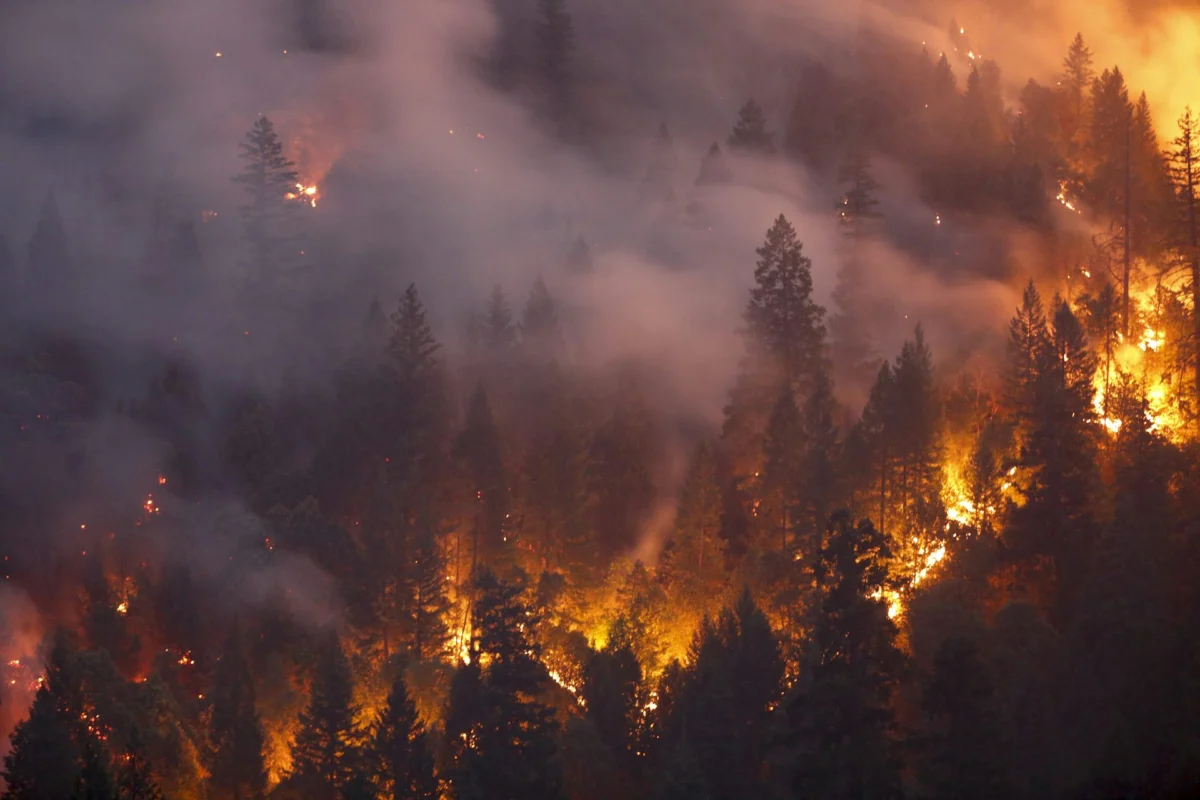
Prolonged periods of extreme heat, commonly known as heat waves, are significantly escalating the risk and scale of wildfires across the Western United States, according to groundbreaking research that quantifies this critical link for the first time. While heat waves constitute a relatively small portion of warm-season days, the study reveals they are responsible for a disproportionately large share of the area burned by wildfires, highlighting their potent role in fueling devastating fire events. The research, which analyzed two decades of wildfire activity from 2001 to 2024, found that heat waves, defined as three or more consecutive days with temperatures in the top tenth percentile of historical averages, accounted for 42% of all land burned by fires during the warm season.
This elevated fire risk is not a minor concern; the study indicates that the daily area burned during heat waves was over 50% larger compared to the cooler periods immediately preceding them in many Western regions. In some areas, this increase was as substantial as 300%, underscoring the dramatic intensification of fire behavior under extreme heat conditions. These findings are particularly urgent given the increasing frequency and intensity of heat waves globally, driven by rising greenhouse gas emissions and a warming climate.

The mechanisms by which heat waves exacerbate wildfire risk are multifaceted. Firstly, high temperatures increase the atmosphere’s demand for moisture, a phenomenon known as vapor pressure deficit. This increased demand rapidly dries out vegetation, turning forests, grasslands, and shrublands into highly flammable fuel. As the air becomes drier, it readily saps moisture from plants, making them more susceptible to ignition from even a small spark.
Furthermore, heat waves often suppress nighttime humidity levels. Typically, cooler nighttime temperatures allow humidity to rise, helping to dampen fuels and slow fire spread. However, during heat waves, the dry air can persist through the night, allowing fires to remain active for longer periods and burn more intensely, often continuing their destructive path through hours that would normally see a significant reduction in fire activity. This lack of nighttime respite for vegetation means that fuels remain critically dry, setting the stage for more aggressive fire growth.
Adding another layer of danger, heat waves can create atmospheric conditions conducive to lightning. The hot, unstable air masses associated with these events can lead to increased cloud-to-ground lightning strikes. Critically, this often includes "dry lightning"—storms where precipitation evaporates before reaching the ground, leaving behind a lightning strike without the moderating effect of rain. Such lightning strikes are exceptionally dangerous as they can ignite dry vegetation without providing any moisture to suppress the nascent flames, creating a perfect storm for rapid wildfire development.

The study also found that the heightened risk of wildfire ignition and spread persists even after the immediate heat wave has subsided. The vegetation and ground litter that have been thoroughly dried out by extreme heat remain in a highly flammable state for days, or even weeks, after temperatures return to more moderate levels. This lingering dryness means that fires ignited during or shortly after a heat wave can continue to grow and spread, posing a long-term threat to communities and ecosystems.
The growing prevalence of heat waves is a direct consequence of global climate change. Since 2001, the number of heat wave days recorded in Western U.S. forests has nearly doubled. Concurrently, the total area of forest burned has increased by a staggering 2.5 times during the same period. The researchers calculated that if the number of heat wave days had not increased since 2001, the cumulative area of forest burned would have been approximately 37% smaller, highlighting the profound impact of rising temperatures on wildfire regimes.
However, the study also revealed nuanced differences in how various ecosystems respond to heat waves. While a strong correlation between increasing heat waves and escalating burned area was observed in forests, this trend was not as pronounced in grasslands and shrublands. In these drier, more open landscapes, the total annual burned area appears to be more strongly influenced by the availability of vegetation—the fuel itself—rather than solely by heat intensity. This suggests that while heat is a critical factor, the interaction between heat and fuel load plays a complex role in determining fire extent across different biome types.

Looking ahead, the outlook for the Western United States indicates a future characterized by even hotter and drier summers. This trend is directly linked to ongoing climate change, which is projected to increase the frequency, intensity, and duration of heat waves. Recent decades have seen a decline in relative humidity during heat waves, particularly in the forested regions of California, Oregon, and Washington. These increasingly arid heat waves are proving exceptionally effective at promoting wildfire activity.
Compounding this challenge are long-standing fire deficits. Decades of aggressive fire suppression policies, aimed at extinguishing all fires quickly, have led to an accumulation of dead vegetation and forest debris. This buildup of fuel provides ample material for fires to consume once ignited, leading to larger and more intense blazes. The combination of increasingly potent heat waves and abundant fuel creates a volatile environment where catastrophic wildfires are becoming more probable.
Current wildfire forecasting models typically incorporate factors such as wind speed, humidity, and fuel moisture content. However, the explicit inclusion of heat waves as a significant driver of fire risk has been notably absent. This new research strongly advocates for greater integration of heat wave analysis into fire management strategies and predictive models. Heat waves are not merely periods of uncomfortable or dangerous weather; they are increasingly recognized as critical determinants of wildfire potential, demanding a reevaluation of how we prepare for and respond to these escalating threats. The implications extend beyond ecological damage, impacting air quality, water resources, infrastructure, and human safety across vast regions. Understanding and acting upon the amplified wildfire risk posed by heat waves is paramount for building resilience in the face of a changing climate.