Rocky Gerung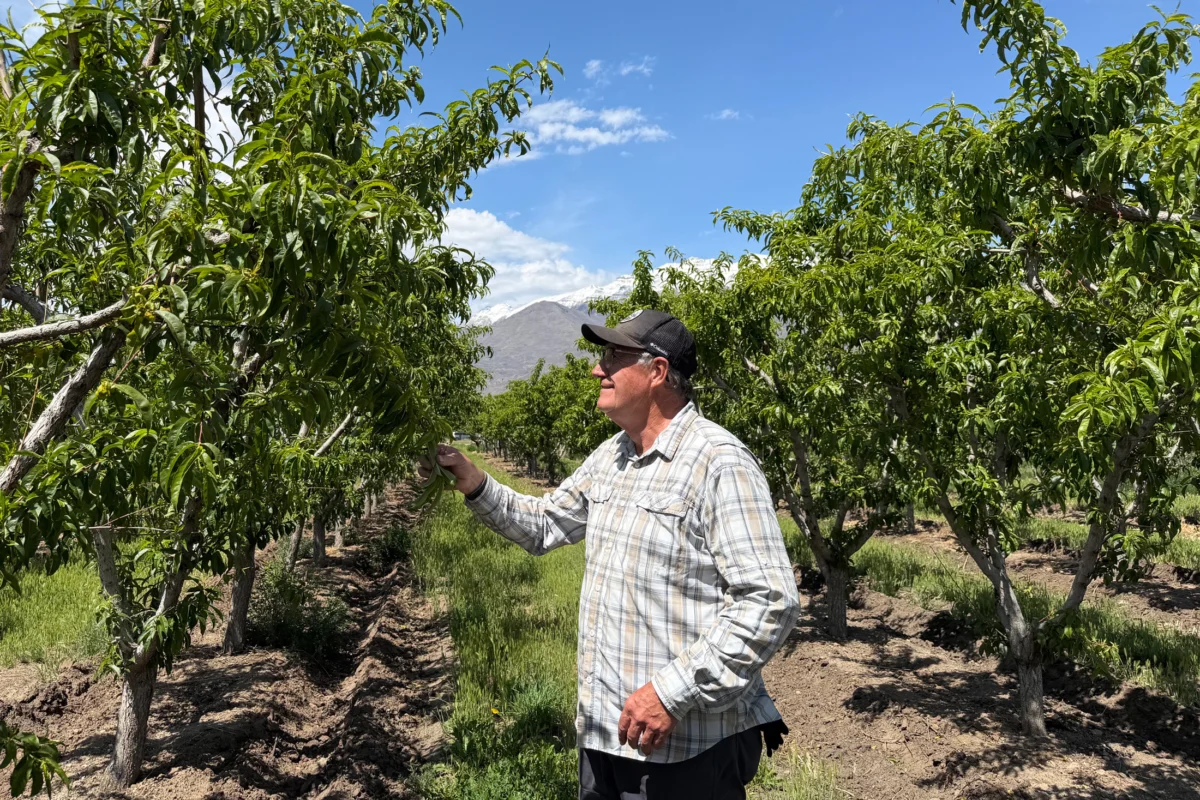
On a sun-drenched May afternoon in Utah County, where leafy peach trees usually signal the abundance of a thriving orchard, Tim Crandall found himself searching for a single surviving fruit. Instead of the usual task of thinning a plentiful crop, Crandall, whose family has cultivated their land for nearly 150 years, was surveying the damage. "In a normal year, you would just go up to a limb like this, and there would just be peaches and peaches," he lamented, gesturing to a branch that, in better times, would have been laden with developing fruit. "I’m still looking for one." This stark reality is shared by tree fruit growers across Utah, who are reporting near-total harvest losses following a convergence of unusual weather patterns.
The devastating situation stems from a confluence of extreme weather events that began with one of the warmest and driest winters on record for the state. This mild winter lulled the fruit trees into an early dormancy break, followed by a record-breaking spring heatwave that spurred an exceptionally early bloom, approximately three weeks ahead of schedule. This premature flowering left the delicate blossoms vulnerable to a series of hard frosts that descended in April, decimating much of the state’s fruit crop. Matt Hargreaves, vice president of communications for the Utah Farm Bureau, reported after touring orchards and speaking with numerous growers that the crop losses are estimated to be around 95% statewide, a figure corroborated by multiple farmers.
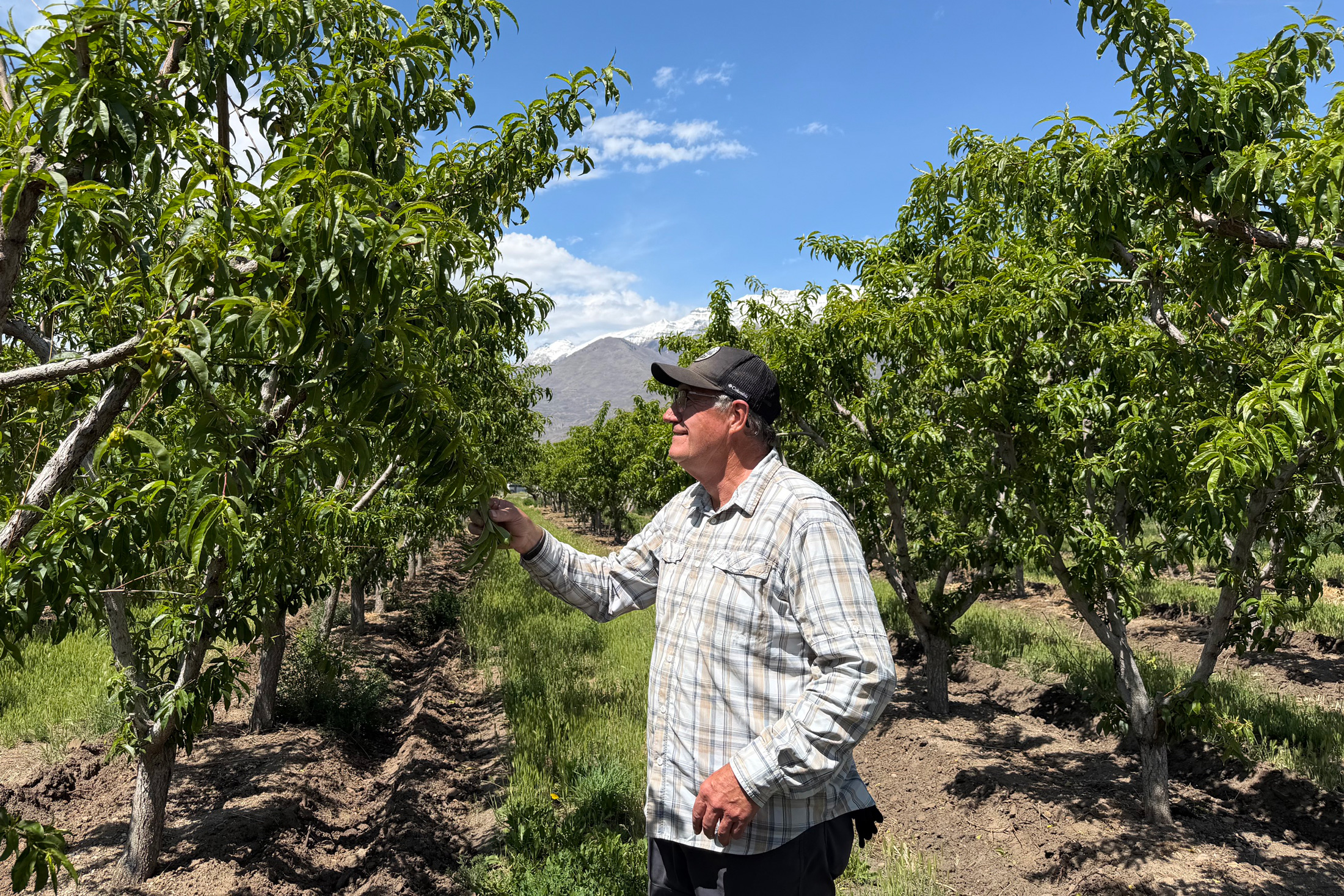
Crandall’s family orchard, situated on the Orem benches, is a prime example of the vulnerability faced by these agricultural producers. This area has historically been recognized as one of Utah’s most fertile regions for fruit cultivation, benefiting from the unique microclimate created by warm winds from Provo Canyon, an ideal elevation above the valley floor’s coldest air, and rich, loamy soil. Before the urban sprawl of the 21st century, orchards extensively covered much of Orem and Provo, transforming these areas into a verdant landscape. Despite this advantageous location, Crandall reported a 100% loss of his peach crop. His livelihood, which includes a popular roadside farm stand, is now in jeopardy, with an uncertain future for his apple harvest and the potential closure of his business for the season. Larger, multigenerational operations, such as Allred Orchards, a significant producer of peaches and apples, have already announced they will remain closed for the entire year, underscoring the severity of the agricultural crisis.
While late frosts have always been an inherent risk in fruit farming, the magnitude of this year’s losses is described as nearly unprecedented by growers. In response to the widespread devastation, Utah Governor Spencer Cox declared a state of emergency on May 15th, aiming to facilitate access to crucial financial resources, including low-interest disaster relief loans, for affected agricultural producers. The impact of these anomalous weather events is not confined to Utah; other fruit-growing regions in the Western United States have also experienced significant damage. Colorado’s Western Slope has reported substantial freeze damage in its peach orchards, while California’s Central Valley, despite experiencing record spring heat that is prompting an unusually early peach harvest, also faces the broader implications of shifting climate patterns.
In north-central Utah, peaches are traditionally among the first tree fruits to announce the arrival of spring, their blossoms painting the landscape in vibrant pink hues. The region typically enjoys a six-week harvest season, beginning in August, with a dozen varieties ripening in succession. The season traditionally starts with Redhavens, known for their soft, melting flesh, followed by the sweet John Boys, the firm Diamond Princesses, and the canning-favorite golden Lemon Elbertas. The highly sought-after O’Henrys often conclude the season, prized for their exceptional eating quality.

However, the peach tree’s characteristic precocious blooming, while aesthetically pleasing, renders it particularly susceptible to late frosts. Blossoms and developing fruits can be irrevocably damaged at temperatures as low as 28 degrees Fahrenheit, with a further drop to 25 degrees capable of wiping out an entire crop within hours. Crandall observed the tell-tale signs of an early spring in January, noting that buds were already emerging, a clear indicator that a normal harvest would be unlikely. By the time the final mid-April freeze arrived, his cherry trees had already developed fruit the size of peas, and he estimated that half of his peach crop and a healthy apple yield remained. "Then, in two hours, most of it was gone," he recounted, a somber testament to the swift and brutal impact of the frost.
The phenomenon of earlier plant development is a well-documented consequence of climate change, which is contributing to warmer springs across Utah and the broader Western United States. This warming trend lengthens the period during which fruit trees are exposed to the risk of frost damage. William Anderegg, a climate scientist at the University of Utah and former director of the Wilkes Center for Climate Research and Policy, explains that while a single frost-induced crop failure cannot be directly attributed to climate change, the overall warming trend is significantly increasing the probability of such devastating events. "This has been observed in thousands of plant species by now," Anderegg stated, likening the situation to "loading the dice" for damaging frosts.
When frost is imminent, fruit farmers employ various strategies to mitigate the cold, attempting to gain a few precious degrees of warmth. Large-scale operations utilize wind machines to circulate warmer air from higher altitudes down towards the trees, often complemented by propane heaters to further raise the ambient temperature. Another effective method involves irrigating the base of the trees; as water freezes, it releases latent heat, which can help to warm the surrounding orchard.

Chris Riley, a 39-year-old farmer managing 200 acres of fruit and vegetables at Riley Orchards in Genola, Utah, employed all available protective measures. "We were trying everything we had to try and warm it up just enough," he said, acknowledging the ultimate futility against the power of nature. "But Mother Nature’s in control." Riley estimated that he lost approximately 95% of his fruit, encompassing peaches, cherries, nectarines, pluots, and apples.
The economic and human ramifications of this crop failure are profound. Riley Orchards, like many agricultural operations, relies on the federal H-2A visa program to secure seasonal labor, typically hiring the same skilled farmhands year after year. The devastating crop loss forced Riley to send 11 of his 15 workers back to their home countries. To sustain his remaining employees and his family, Riley has taken on a summer job delivering equipment for a local John Deere dealership, hoping to avoid drawing income from the farm. "Sending workers home really, really bothered me," he admitted, "But we just weren’t going to have work for them."
Despite the absence of a harvest, essential orchard maintenance continues. Pruning, spraying, and irrigation are critical tasks to ensure the health of the trees and safeguard future crops, even without the immediate financial return from this year’s yield. Crandall, a retired schoolteacher, is already focusing on the future, viewing his role as a steward not only of the land but also of the community. He values the connections forged with customers who visit his farm stand, not just for the produce but for the brief conversations that foster a sense of connection. This year, however, the lack of fruit may diminish that vital interaction. Fortunately, the trees themselves have survived, and the prospect of peaches, and the eager consumers who await them, remains a hopeful, albeit delayed, possibility.