Rocky Gerung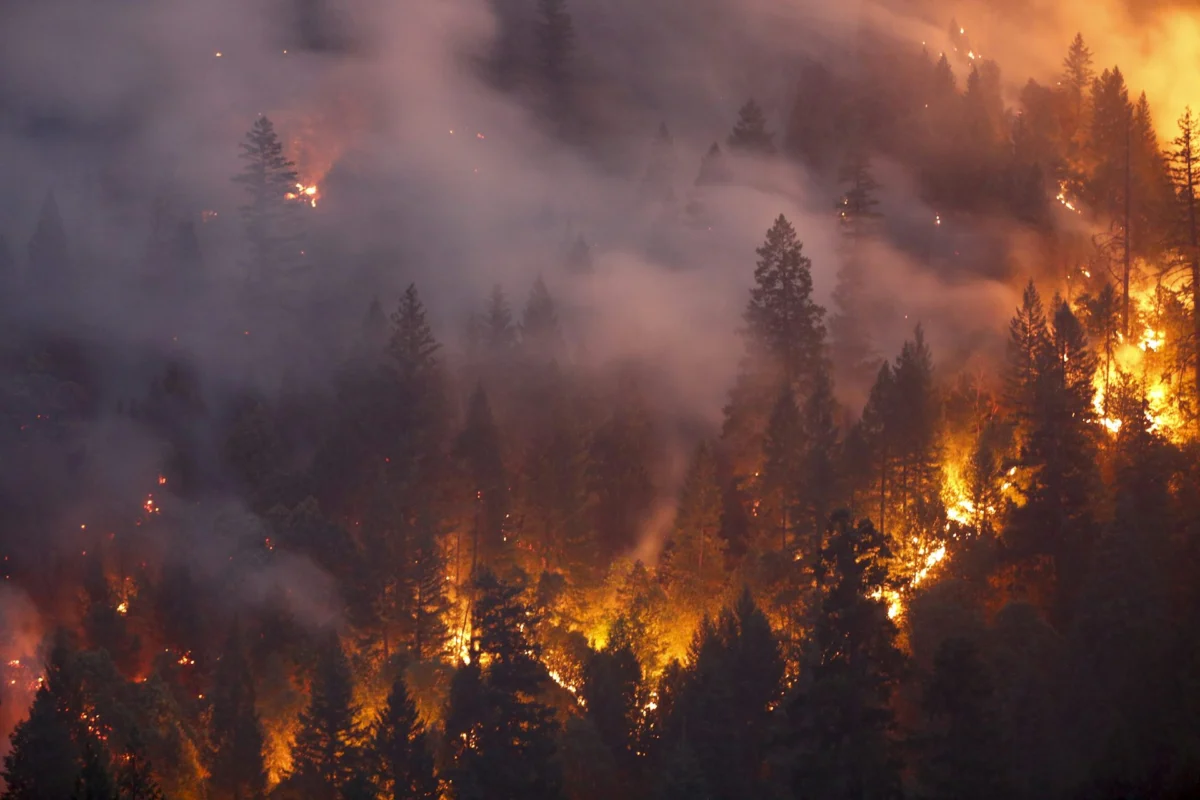
A comprehensive new study examining two decades of wildfire activity across the Western United States has quantified the profound impact of heat waves on the scale and intensity of fires, revealing that these extreme weather events are responsible for a disproportionately large share of burned land. Researchers found that while heat waves, defined as three or more consecutive days with temperatures within the hottest tenth of the year, occurred on only 12% to 15% of warm-season days between 2001 and 2024, they were associated with 42% of the total area burned by wildfires. This highlights a critical and often underestimated link between a warming climate and the escalating wildfire crisis in the region.
The study’s findings demonstrate that heat waves not only increase the likelihood of ignitions but also dramatically accelerate fire spread. On average, the area burned each day during a heat wave was more than 50% larger compared to the cooler days immediately preceding the heat event in many Western areas. In some particularly susceptible regions, this increase was as high as 300%, underscoring the potent synergy between extreme heat and wildfire behavior. This phenomenon is particularly concerning given the increasing frequency and intensity of heat waves globally, driven by anthropogenic climate change.

The mechanisms by which heat waves exacerbate wildfire risk are multifaceted. Elevated temperatures significantly increase the atmosphere’s evaporative demand, a process known as vapor pressure deficit. This heightened demand rapidly dries out vegetation, transforming it into highly flammable fuel. Furthermore, heat waves often suppress nighttime humidity levels, allowing fires to remain active and spread for extended periods, even through the night, which traditionally offers a reprieve from fire activity. This continuous burning through the night contributes significantly to the rapid growth and containment challenges of fires occurring during these periods.
Adding to the peril, heat waves create atmospheric conditions conducive to lightning strikes. The study observed a notable increase in cloud-to-ground lightning, including the particularly dangerous phenomenon of "dry lightning," during and in the immediate aftermath of heat waves across many Western landscapes. Dry lightning occurs when precipitation from a storm evaporates before reaching the ground, leaving behind the electrical discharge without the mitigating effect of rain. This can ignite dry vegetation, leading to wildfires that start with little to no rainfall to help suppress them, thereby compounding the ignition risk already heightened by dry fuels.
The dangerous conditions created by heat waves can persist long after temperatures return to more moderate levels. The study noted that the heightened dryness of vegetation and ground fuels, along with the accumulation of dead organic material, can linger for days post-heat wave. This prolonged period of elevated fire risk means that even if a fire ignites towards the end of a heat wave, its potential for spread and growth can remain exceptionally high in the subsequent days, presenting a continuous challenge for fire management agencies.

The increasing prevalence of heat waves is a direct consequence of global climate change, largely fueled by greenhouse gas emissions from human activities. Since the turn of the century, the number of days experiencing heat waves in Western U.S. forests has nearly doubled. Concurrently, the total area of forest burned during this period has increased by approximately 2.5 times. The researchers calculated that without the observed increase in heat wave days since 2001, the cumulative area of forest burned would have been substantially smaller, estimated at 37% less. This stark comparison emphasizes the critical role of rising temperatures in driving the current wildfire crisis.
However, the study also revealed important nuances in how different ecosystems respond to heat waves. While a strong correlation was found between increased heat wave frequency and greater burned areas in forests, this trend was not as pronounced in grasslands and shrublands. In these ecosystems, the total annual burned area appears to be more strongly influenced by the availability of vegetation fuel rather than heat waves alone. This suggests that while heat is a universal accelerant, the specific fuel types and landscape characteristics play a crucial role in determining the ultimate scale of wildfire impact.
Looking ahead, the trend toward hotter and drier summers in the Western U.S. is expected to continue, driven by ongoing climate change. Relative humidity levels during heat waves have also declined in recent decades, particularly in the forested regions of California, Oregon, and Washington. These increasingly arid heat waves are proving exceptionally effective at intensifying wildfire activity. When combined with long-standing "fire deficits" – areas where historical fire suppression practices have led to an accumulation of unburned fuel – these conditions significantly elevate the potential for megafires in the West.

Current wildfire forecasting models typically incorporate factors such as wind speed, humidity levels, and fuel moisture content. However, the explicit inclusion of heat waves as a distinct predictor has been less common. This new research strongly advocates for greater emphasis on heat waves within these predictive frameworks. It underscores that heat waves are not merely periods of discomfort or health risks, but are increasingly potent drivers of wildfire ignition and spread, demanding a more integrated approach to risk assessment and mitigation strategies.
The implications of these findings extend beyond the immediate concern of wildfire management. They highlight the interconnectedness of climate, weather patterns, and ecological responses. As global temperatures continue to rise, understanding and quantifying the impact of extreme weather events like heat waves on natural landscapes becomes paramount for developing effective adaptation and resilience strategies. The escalating wildfire seasons in the Western U.S. serve as a stark reminder of the far-reaching consequences of a changing climate and the urgent need for global action to mitigate greenhouse gas emissions. The study’s robust data provides a crucial foundation for policymakers, land managers, and communities to better prepare for and respond to the intensifying threat of wildfires in a warming world.