Johny Prima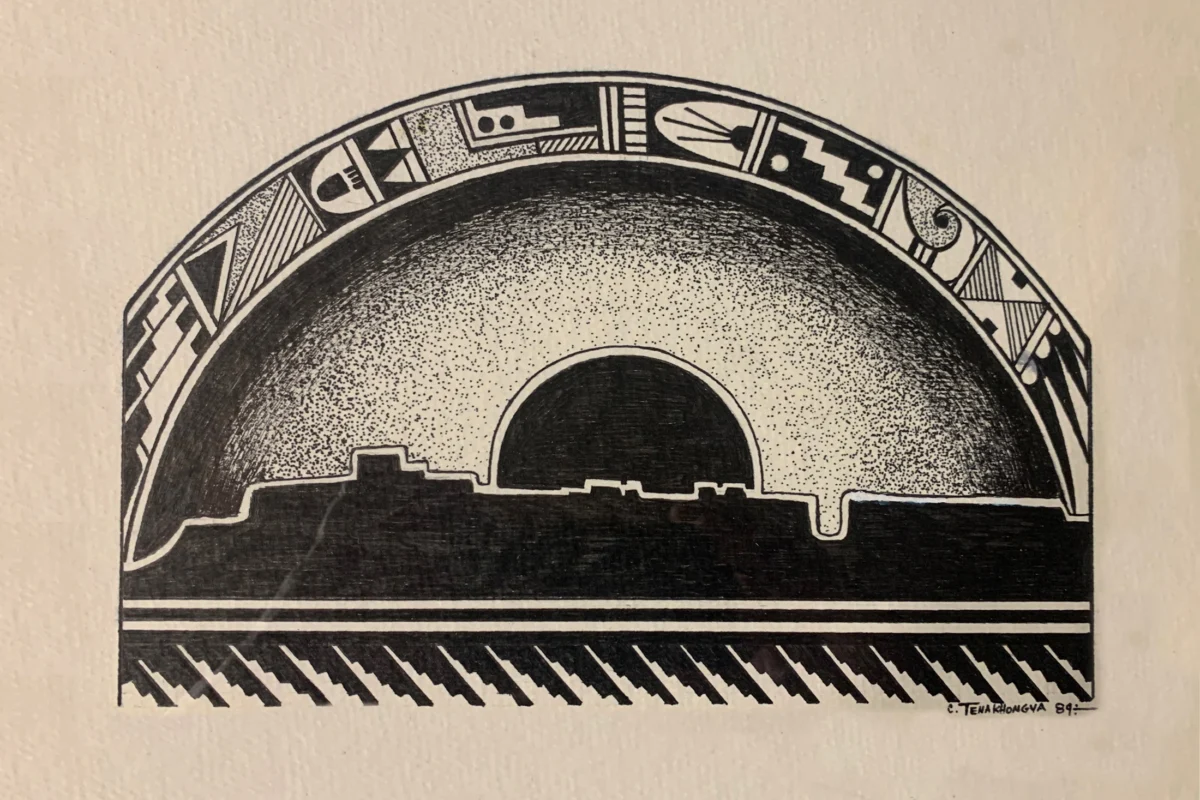
For generations, Hopi culture has carried prophecies of profound societal shifts, foretelling a time when the arrival of non-Indigenous nations would cause the Earth to tremble and life to become irrevocably ruptured. This ancient wisdom finds a poignant echo in the modern era, particularly for those familiar with the evocative 1982 film Koyaanisqatsi, a title derived from the Hopi word signifying "life out of balance," which starkly juxtaposes burgeoning industrialization with the timeless, sacred sandstone landscapes of Indigenous lands. Today, the unprecedented environmental challenges gripping the American West—including record-breaking heat domes and alarming deficits in snowpack and vital moisture—are seen by Hopi elders and cultural practitioners as undeniable manifestations of the very warnings passed down through countless generations, signaling a critical imbalance in the natural world.
Central to this unfolding crisis is the fate of Pisisvayu, the majestic Colorado River, which for centuries flowed freely, nurturing vast ecosystems and sustaining numerous Indigenous communities. Now, this vital artery is tragically obstructed by pah’uutsi, known to settlers as the Glen Canyon Dam, a monumental structure that has transformed a dynamic river into the stagnant, baking expanse of Lake Powell. This artificial reservoir, while serving as a crucial water source for millions, has tragically submerged countless sacred ancestral sites of the Hopi and other tribes, effectively smothering a rich cultural heritage beneath its waters. The damming has also diverted the river’s lifeblood into expansive development projects, such as those fueling the rapid growth of St. George, Utah, and channeled it through massive infrastructure like the Central Arizona Project, often terminating its historical journey long before reaching paatuwaqatsi, the Sea of Cortez. This particular dam represents just one of three major barriers in Arizona erected to harness the Pisisvayu, yet the Hopi people recall a profound and fundamentally different relationship with water—one rooted in reverence, treating it not merely as a resource but as a cherished family member, bound by a sacred covenant with the Creator to steward both land and water with utmost care.
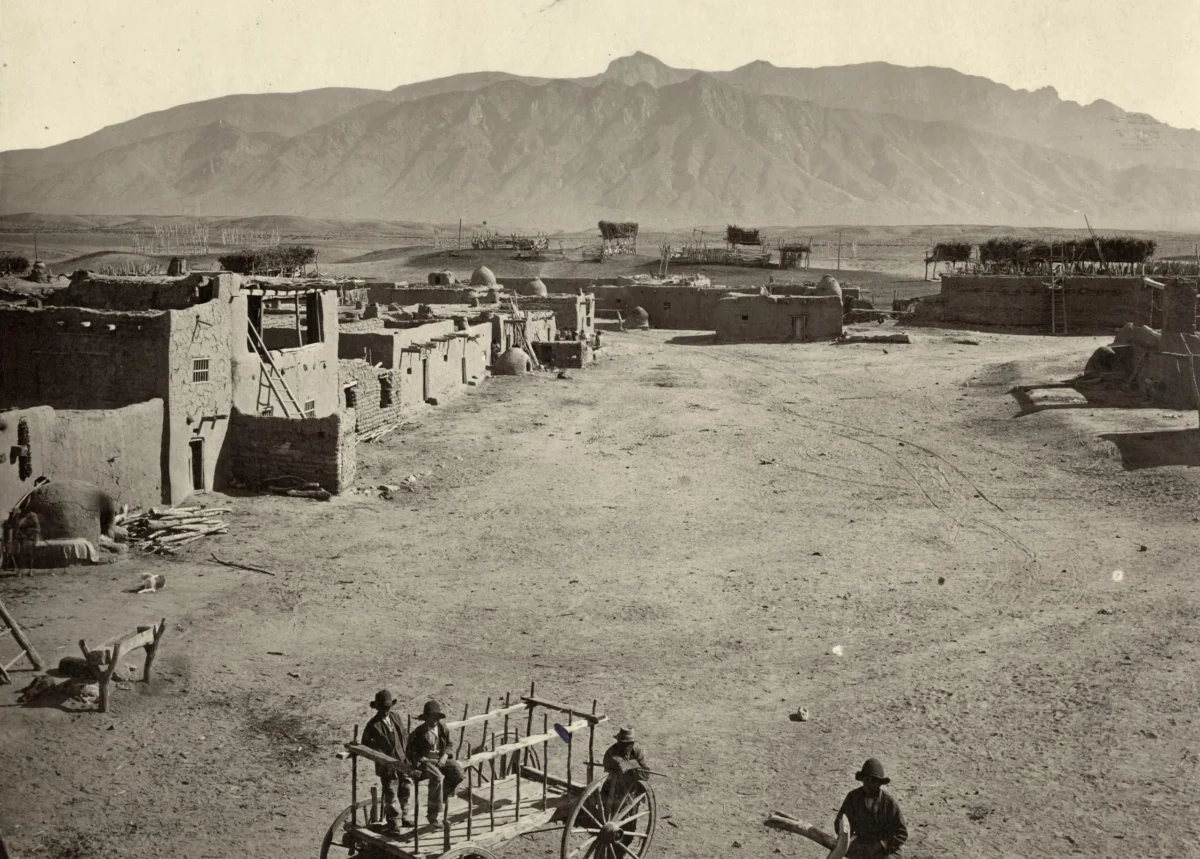
Historically, the Hopi people undertook arduous journeys, meticulously hauling water up steep hills to their mesa-top villages, carrying this essential lifeforce for both sacred ceremonies and daily sustenance within their homes for millennia, long before the advent of colonization. As inheritors of an ancient tradition of dry farming, the Hopi have perfected agricultural techniques that rely exclusively on natural rain cycles and the slow melt of snowpack to nourish their crops, transforming a seemingly barren landscape into fertile ground. Many Hopi individuals, drawing on decades of experience, continue to practice these sustainable methods, cultivating food on the small reservation squares in northern Arizona, lands originally carved by the federal government from the vast expanse of Hopitutskwa, their ancestral domain. Beyond dry farming, traditional ranching practices, such as rounding up cattle on horseback rather than utilizing environmentally disruptive all-terrain vehicles, exemplify a deep-seated commitment to mitigating severe damage to the delicate land and its precious vegetation. This dedication to stewardship, often performed despite personal physical hardship, reflects a profound honor for the responsibilities bestowed by the Creator.

Over many generations, the Hopi people have borne witness to colossal transformations affecting the animals, human populations, landscapes, and intricate food systems of their homelands. They have observed with growing alarm as vital water resources have been systematically siphoned from the land, not for essential needs within their communities, but for luxuries such as sprawling golf courses and opulent swimming pools, fed by extensive projects like the Central Arizona Project. These amenities, starkly absent on the Hopi reservation, compel Indigenous leaders to pose a fundamental question to the wider society: are these extensive diversions driven by genuine necessity, or by an insatiable societal want? This inquiry underscores a profound philosophical divergence between traditional Indigenous values of sustainability and the consumption-driven ethos prevalent in modern industrial societies, highlighting the uneven distribution of critical resources and the disproportionate impact of development on Indigenous lands and lifeways.
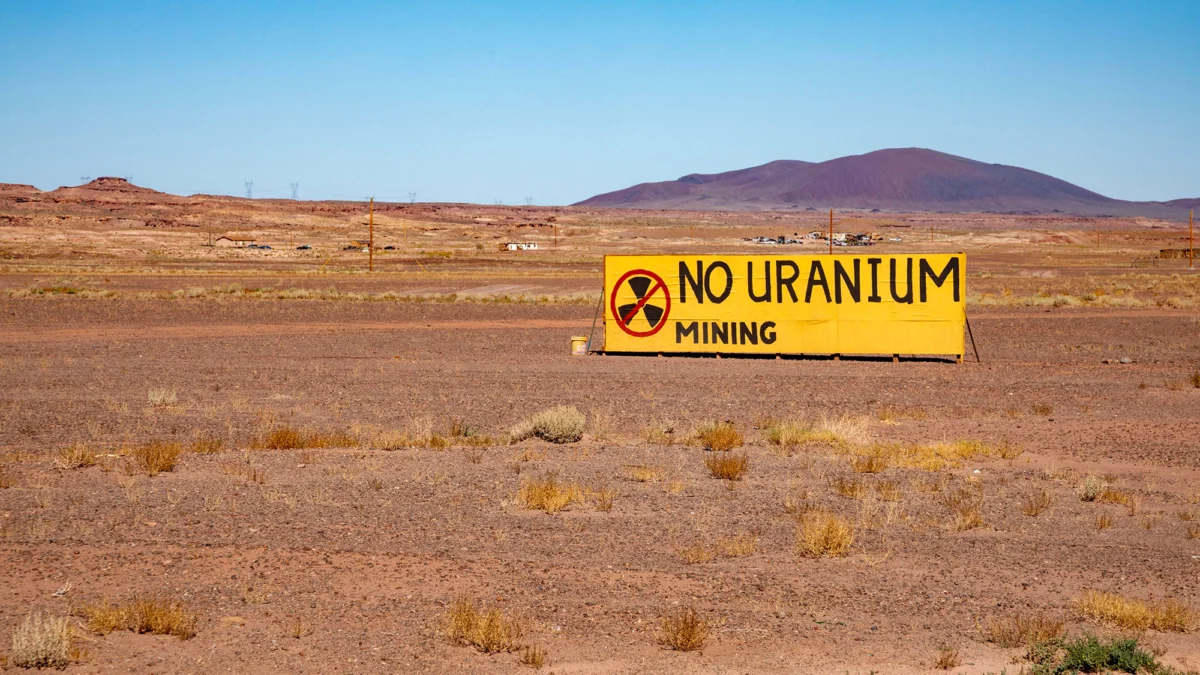
A pervasive concern among Indigenous communities is the prevailing legislative and managerial frameworks at every level of government, which often reflect a profound ignorance and an obstinate refusal to heed the wisdom of those with generations of intimate, lived experience on the land. The ability to retain precious water on the land remains severely compromised as long as federal agencies—including the U.S. Forest Service, the Bureau of Land Management, and the overarching federal bodies that govern them, namely the U.S. Congress and the executive branch—continue to prioritize external, often corporate interests over the inherent needs of the land and its original stewards. These agencies, critics argue, frequently manage vast tracts of ancestral lands and critical water resources as if they were mere commodities to be exploited and sold to the highest bidder. A particularly egregious example of this modern colonial approach is the controversial decision to hand over Oak Flat, a site of immense spiritual significance for the Apache people in central Arizona, to a foreign mining conglomerate, Rio Tinto. This transfer, framed under the dubious premise of a prosperous land exchange, represents what many Indigenous leaders describe as the final frontier of colonialism. The sheer scale of proposed mining operations, a notoriously water-intensive endeavor, raises urgent questions about the source of the vast quantities of water required and, crucially, who will bear responsibility for the inevitable pollutants that will be carried downstream, threatening the water supplies of major population centers like Phoenix and Tucson.
Across the vast traditional territory of Hopitutskwa, and notably in regions like New Mexico, the very agencies and decision-makers tasked with land management, often influenced by powerful special interests such as the oil and gas industry, have permitted rampant hydraulic fracturing, or fracking. This environmentally destructive process not only exacerbates the global climate crisis by releasing potent greenhouse gases but also extracts enormous volumes of water from already arid lands through its inherently wasteful methods. This troubling phenomenon is not confined to Hopitutskwa; it is a global pattern, manifesting in diverse ecosystems worldwide, intensifying water scarcity and ecological degradation. The Hopi people, with their deep spiritual connection to the Earth, understand that upon passing, their body’s moisture rejoins the Earth, allowing them to become Oomawsinom, the Cloud People. They lament that the ceaseless emissions, pervasive pollutants, and systemic disrespect for water are actively impeding the sacred completion of this spiritual journey, blocking the natural cycle of life and death.
In Arizona, a disconcerting trend has emerged with the introduction of numerous anti-wolf and anti-wildlife bills at both state and federal levels, largely at the behest of the powerful cattleman’s industry. These legislative efforts, critics argue, are designed to enrich shareholders who often have no direct connection to the land or its ecological health. One such legislative proposal, HB 2160, went so far as to mandate the inclusion of specific special interest groups in the management of wolves, should they fall under state jurisdiction, yet conspicuously omitted any tribal voices. This exclusion is particularly egregious given that Indigenous communities have coexisted successfully with wolves and many other so-called "predators" for millennia without resorting to such extreme levels of panic or intervention. Many Indigenous leaders perceive these legislative pushes as a calculated distraction, a form of manufactured hysteria designed to divert public attention from the critical need to hold state and federal agencies and decision-makers accountable for the dire fate of countless wild creatures. Scientific data overwhelmingly demonstrates that wolves, as apex predators, are keystone species crucial for maintaining ecological balance, including the critical function of helping to retain water on the land by regulating herbivore populations and promoting healthy riparian zones. The Hopi believe that when humans and animals were first created, the Creator established an intricate balance within the ecosystem, appointing not just people to manage the land, but also waterfowl, reptiles, amphibians, and raptors as vital messengers to bring water back to the land, underscoring the interconnectedness of all life forms.

The U.S. Forest Service and the Bureau of Land Management, despite their mandates, often operate under a "multiple use" directive that effectively treats aboriginal lands as a transactional balance sheet. Their metrics for success, critics contend, are often outdated and ecologically damaging, focusing on quantifiable outputs like the number of cattle heads grazed or trees logged, rather than holistic ecosystem health. While these agencies are legally obligated to consult with tribes, this process frequently devolves into superficial engagements—brief phone calls with tribal government officials, entirely lacking the face-to-face interactions and deep relational work essential for genuine understanding and collaboration with cultural practitioners. This perfunctory "consultation" falls far short of true consent, leading Indigenous leaders to unequivocally state: "Consultation does not equal consent. We cannot drink oil or money." These so-called public lands are visibly drying out from persistent overgrazing, aggressive thinning practices, and the increasing recreational demands of off-road vehicle use, such as ATVs. Furthermore, the few existing environmental protections designed to guide responsible land management are steadily being eroded by administrations often beholden to the fossil fuel industry. This constant defensive posture, protecting fundamental environmental safeguards, consumes precious time and resources that should instead be proactively directed towards compelling these agencies to genuinely serve the people, the land, and the animals, by redefining success to center on keeping water on the land through abundant biodiversity, increasing habitat connectivity, and fostering true co-existence.
The chronic mismanagement of land and water in the relentless pursuit of profit lies at the very foundation of this escalating global disaster, threatening the continued existence of life as we know it. This profit-driven mentality was the underlying cause for the deliberate inundation of ancestral sites during the creation of Lake Powell, a project born from the settler belief that a wild river could be literally contained and bent to human will within an unnatural concrete basin. Yet, as the waters of Lake Powell continue to recede dramatically due to the accelerating impacts of climate change, revealing long-submerged ancestral sites, the Hopi people’s timeless wisdom is starkly affirmed: there is no sustainable way to "hold" water on the land through such artificial constructs. True water retention, they emphasize, occurs naturally—in the living bodies of animals, in the expansive branches of trees, in the rich, moisture-laden soil of old-growth forests. Water is held on the land when balanced ecosystems thrive, such as when deer and elk populations are naturally regulated by their wolf relatives, allowing vital vegetation to flourish and secure the soil. Water is held on the land when it is not violently drilled or blasted from the Earth’s belly for fracking and mining operations. Ultimately, water is held within our own human bodies, intricately connected to the entire ecological web, every single drop precious and sacred. Paahuquatsi—water is life. The time for genuine stewardship, guided by ancestral wisdom and scientific understanding, is now.