Rocky Georgio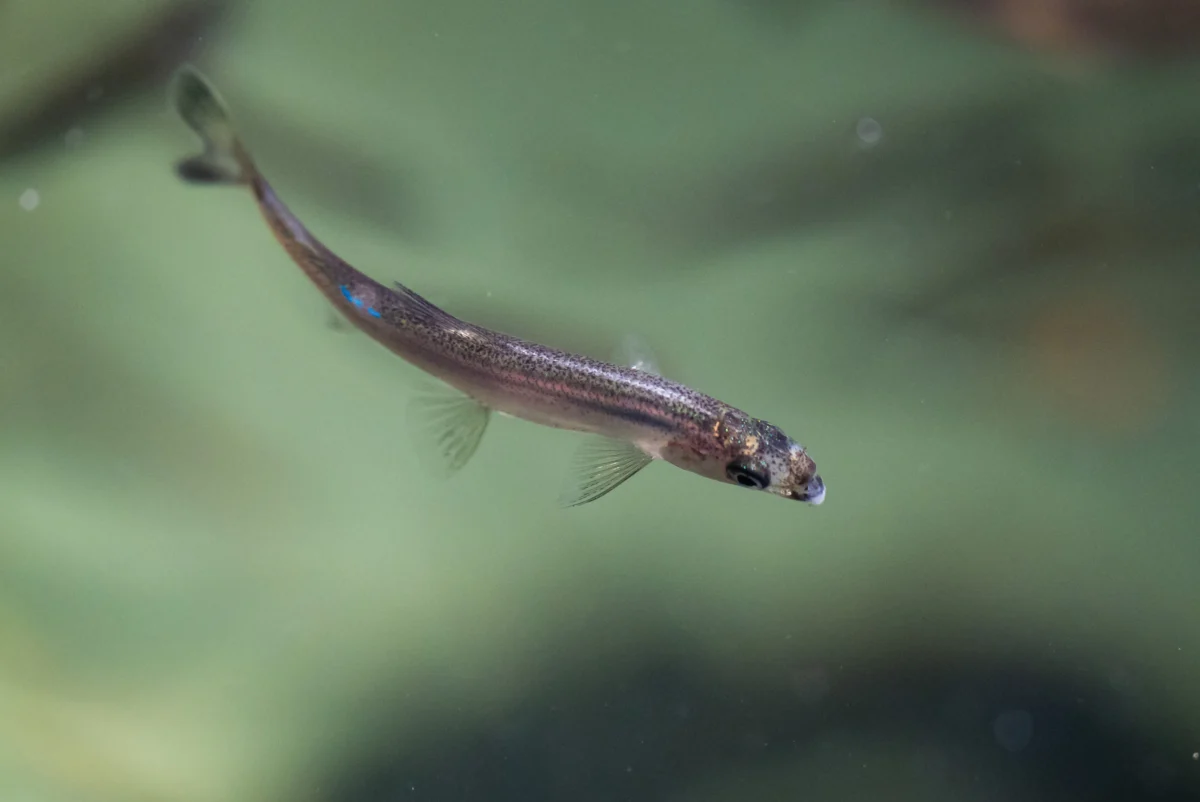
Lookout Slough, a sprawling 3,400-acre wetland bordering California’s Sacramento-San Joaquin Delta, now teems with life, its waters alive with aquatic plants and the rhythm of tides pulsing from San Francisco Bay. This vibrant ecosystem, home to dozens of fish, amphibian, reptile, and bird species, represents a remarkable transformation from its recent past as parched farmland, isolated from the Sacramento River’s floodplain by a formidable 26-foot levee. This ambitious restoration, the largest tidal habitat renewal project in the Delta, was initiated in response to the precipitous decline of the Delta smelt, a tiny fish whose survival is intrinsically linked to the ecological health of this vital estuary. The smelt, a mere index finger in length, has adapted over millennia to the Delta’s brackish tides, serving as a crucial indicator species; its scarcity signals insufficient phytoplankton and zooplankton, the base of the food web supporting numerous other species, from birds to larger fish. Charlotte Biggs, program manager for the California Department of Water Resources (DWR), aptly described the smelt’s significance, comparing its role to blood tests that reveal underlying health issues in humans, raising the critical question of whether revitalized wetlands like Lookout Slough can indeed bring the Delta smelt back from the brink.
Historically, the Sacramento-San Joaquin Delta has been one of California’s most agriculturally productive regions, a natural confluence where freshwater from the Sacramento and San Joaquin rivers meets the saltwater of San Francisco Bay. For thousands of years prior to European settlement, Indigenous peoples, including the Miwok, Maidu, and Yokut, thrived along its fertile riverbanks, relying on its abundant resources. However, the 20th century ushered in an era of intensive water management, driven by the state and federal governments’ vision of harnessing the Delta’s water to fuel California’s burgeoning cities and expansive agricultural industries. A vast network of levees was constructed to control river flows, mitigate flood risks, and enable the conversion of wetlands into lucrative orchards and farmlands. By 1969, the completion of seven massive pumping stations, part of the California State Water Project, marked a turning point, beginning the diversion of vast quantities of Delta water. These powerful pumps, located near Tracy, lifted water over a 244-foot hill and channeled it through extensive aqueducts to irrigate the Central Valley’s farmlands and supply growing populations further south.

This massive water diversion had profound ecological consequences, directly impacting the Delta smelt. The pumping operations diminished the freshwater flows essential for the smelt’s spawning grounds, reduced the tidal fluctuations that supplied vital microorganisms, and dried up the shallow aquatic vegetation that provided critical shelter from predators. By the early 2000s, the Delta smelt population plummeted, mirroring the decline observed in other native species such as the longfin smelt, striped bass, and threadfin shad, all of which depend on the Delta’s unique estuarine environment.
The ecological crisis precipitated by these water diversions eventually led to regulatory action. In 2008, the U.S. Fish and Wildlife Service determined that the ongoing diversion of freshwater posed a significant threat to fish habitat, mandating the restoration of 8,000 acres of wetland and stream ecosystems. This landmark ruling initiated an 18-year undertaking by the state to rectify the environmental damage caused by its own water management practices. Over the subsequent decade, the DWR identified and commenced work on 10 restoration sites across the Delta, collectively covering approximately 5,000 acres. Each of these projects involved breaching or dismantling levees that had long separated the land from its natural tidal influence. However, with an additional 3,000 acres still requiring restoration to meet the federal mandate, the state recognized the need for broader collaboration and the involvement of what are known as "biodiversity brokers."
Under federal and many state environmental laws, private and public developers are obligated to compensate for the ecological impacts of their projects on waterways and sensitive species. This mitigation requirement often involves funding habitat restoration in other locations. A significant portion of this compensatory work is facilitated through mitigation banking, a practice where private companies specialize in restoring landscapes and then sell "mitigation credits" to developers. This industry, which emerged in the 1980s, has experienced dramatic growth over the past two decades, evolving into a multibillion-dollar enterprise.

In 2018, the state of California issued a call for proposals to restore the remaining 3,000 acres of riparian habitat. Adam Davis, co-founder and managing director of Ecosystem Investment Partners (EIP), a prominent mitigation banking firm, responded to this request. His company acquired the 3,400 acres that would become Lookout Slough, with the explicit goal of restoring the habitat to generate mitigation credits for sale. EIP entered into an agreement with the state in 2018, and construction began in June 2022. Approximately a year later, during a site visit, Davis pointed out the extensive earthmoving operations underway. "People forget," he remarked, "that underneath all the ecology – the fish, the migration corridors, the places where birds need to land – underneath all that is land that people own." He emphasized that mitigation banking harnesses private land ownership for conservation purposes, thereby creating financial incentives to curb extinction rates and land degradation.
To prepare Lookout Slough for inundation and the re-establishment of tidal flows, EIP and its contractors undertook a massive earthmoving operation. They sculpted the land, creating intricate networks of channels and indentations designed to slow water currents and provide essential spawning habitat for fish and amphibians. Over two years, they excavated 26 miles of channels across the 3,400-acre property, moving an estimated 30,000 truckloads of soil. EIP was subsequently awarded 2,975 mitigation credits, for which the state paid $32,605 per credit, totaling nearly $97 million.
In September 2024, the culmination of this extensive work was marked by the breaching of the levees. As a bulldozer tore into the earthen barrier, the waters of the Delta rushed across the newly accessible landscape. Eighteen months later, the site had transformed into a complex mosaic of water channels and low-lying islands. Teenagers were observed fishing from the banks, pelicans circled overhead, and a flock of geese gracefully navigated the water near a distant island, signaling the return of wildlife to the restored habitat. However, as of this reporting, the DWR has not yet recorded the presence of Delta smelt within Lookout Slough.

The restoration of Lookout Slough and other Delta landscapes, while significant, may have arrived too late for the Delta smelt itself. The species’ population has declined by an astonishing 99% since it was first listed as federally threatened by the Fish and Wildlife Service in 1993. Despite multiple efforts to reintroduce hatchery-raised smelt in recent years, weekly surveys conducted by the Fish and Wildlife Service in Delta waterways continue to report alarmingly low numbers, often in the single digits. Jon Rosenfield, a fish biologist and science director for San Francisco Baykeeper, an environmental advocacy organization, stated, "The smelt used to be among the most common fish species in the delta. Now, it’s almost impossible to find them." He described the restoration efforts as "admirable but inadequate," likening the situation to "building a very nice playground in a neighborhood you’ve allowed to burn down."
Despite these grim assessments, Dan Riordan, section manager for tidal habitat restoration at DWR, expressed cautious optimism, noting that the state has documented the presence of phytoplankton and zooplankton within the slough. These microorganisms are fundamental components of the smelt’s diet and indicate the development of promising habitat conditions, findings that will be detailed in an upcoming report scheduled for release in September. More than five decades after the powerful pumps began extracting water from the Delta, the plight of the Delta smelt has ultimately driven a significant return of water to the land. If the restored wetlands continue to flourish and ecological conditions improve, they may well provide a lasting sanctuary for a diverse array of species, potentially including the Delta smelt itself, offering a glimmer of hope for its long-term survival.