Rocky Gerung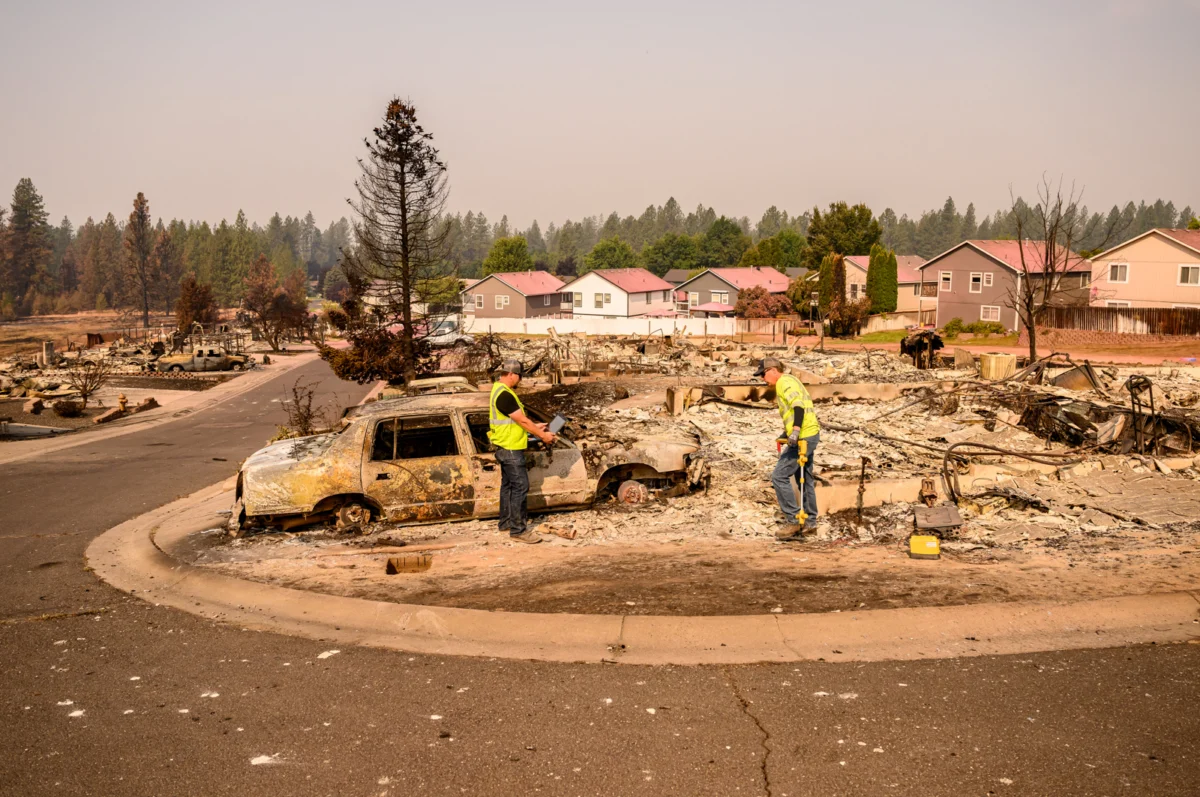
An ember, followed by several more, ignited the destructive Old Trails Fire, which rapidly crossed the Spokane River from a nearby state park into the Indian Trail neighborhood, triggering mass evacuations across Spokane, Washington, on Saturday afternoon. While the blaze’s origins are reportedly linked to an arsonist arrested on Monday, its rapid spread into the northwest corner of Spokane resulted in the devastation of numerous homes. By Monday afternoon, local reports indicated that between 700 and 1,100 structures were lost across three ongoing fires: the Old Trails fire, the Autumn Lane Fire in the Suncrest area, and the Fairview Fire in Mead. Collectively, these fire perimeters encompassed over 10,000 acres by Tuesday, according to Watch Duty, a platform that aggregates human-collected wildfire information. Spokane Mayor Lisa Brown characterized the event as "the worst natural disaster the region has faced."
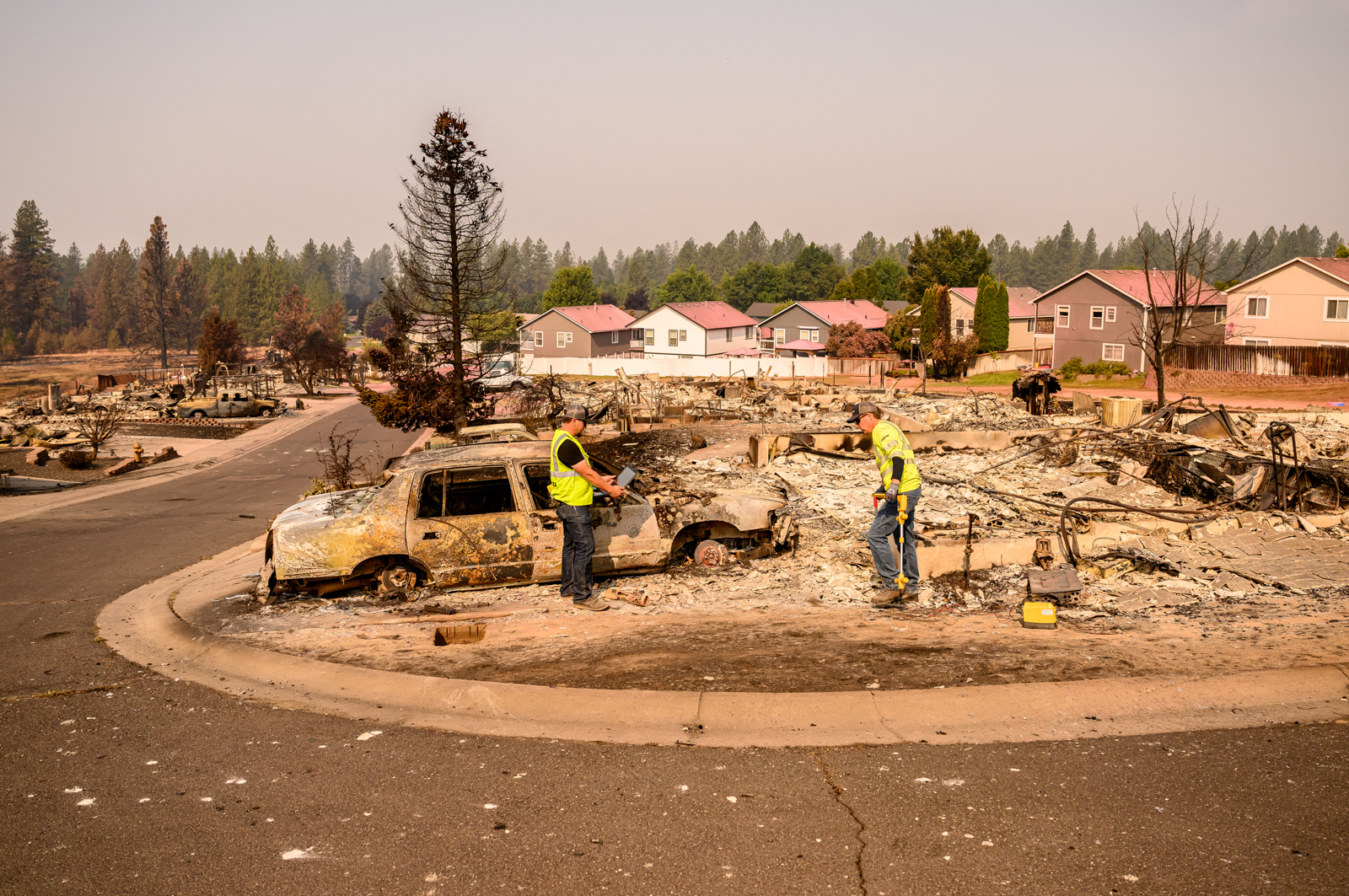
These devastating fires underscore the increasing threat posed by the wildland-urban interface, a term used by fire experts to describe areas where homes are situated amidst flammable natural fuels like trees, grasses, and bushes, and where undeveloped land meets human development. While often associated with remote mountain towns or rural settings, the Old Trails fire has starkly redefined this concept, demonstrating that suburban areas are equally vulnerable. This phenomenon is not unique to Spokane; recent years have seen similar urban-wildfire conflagrations, including the Eaton and Palisades fires in the Los Angeles area in January 2025 and the 2021 Marshall fire in Colorado, which became that state’s costliest wildfire on record. These incidents, often sparked on the periphery of suburbs and fanned into communities by strong winds, have consistently illustrated the swiftness with which neighborhoods can be consumed under favorable fire conditions.
The Indian Trail neighborhood, largely developed between the 1980s and 2010s, represents a significant portion of a broader trend of development in fire-prone Western landscapes. Its residential fabric, characterized by amenities like a large sports complex, schools, churches, a skatepark, and manicured lawns, might appear far removed from wildlands. However, its proximity to the trails of Riverside State Park and its location just 15 minutes from downtown Spokane, the second-largest city in Washington with a metropolitan population exceeding 600,000, places it squarely within the wildland-urban interface. This situation is mirrored nationwide, with Forest Service research from 2020 indicating that nearly a third of all housing in the United States is located within these high-risk zones. As climate change intensifies the conditions conducive to wildfires, these communities face escalating threats.

FEMA maps highlight that much of northern Spokane, extending eastward towards Division Street, is considered at risk from ember-driven wildfires. Further analysis of Forest Service maps reveals that homes in Spokane County face a higher fire risk than in 82% of U.S. counties. Paradoxically, some of the areas that experienced the most severe destruction were previously classified as having moderate or even low fire risk, underscoring the unpredictable nature of these events. In Spokane, high winds significantly amplified the risk, leading the National Weather Service to issue a "particularly dangerous situation" warning for the first time in Washington state history. These same powerful winds fueled other wildfires across north-central Washington, including the Sinlahekin Fire, which had grown to nearly 74,000 acres by August 3rd; the Little Giant Fire, which spread across Lake Chelan over the weekend; and the Kaiser Canyon Fire on the Colville Indian Reservation, which had burned over 136,000 acres as of press time. The resulting smoke plume from these widespread fires has drifted across the northern Rockies, blanketing communities and serving as a somber reminder of the ongoing wildfire crisis. As communities across the West grapple with preparedness, the events in Spokane serve as a critical case study, prompting renewed consideration of wildfire risks, particularly in areas that may have previously felt insulated from such dangers.