Joko Susilo
A unified front of Pueblo leaders and New Mexico’s congressional delegation converged on the U.S. Capitol, delivering an unequivocal message: "Chaco Canyon is not for sale," as they vehemently opposed federal plans to rescind a crucial 10-mile buffer zone protecting the sacred ancestral landscape from oil and gas drilling and mineral extraction. This gathering underscores a deeply rooted conflict between the preservation of irreplaceable cultural heritage and the relentless pursuit of energy resources, echoing debates faced by indigenous communities and environmental advocates across the globe. The proposed revocation of protections for Chaco Culture National Historical Park, a UNESCO World Heritage site, ignites a fierce battle over land management, tribal sovereignty, and the legacy left for future generations.
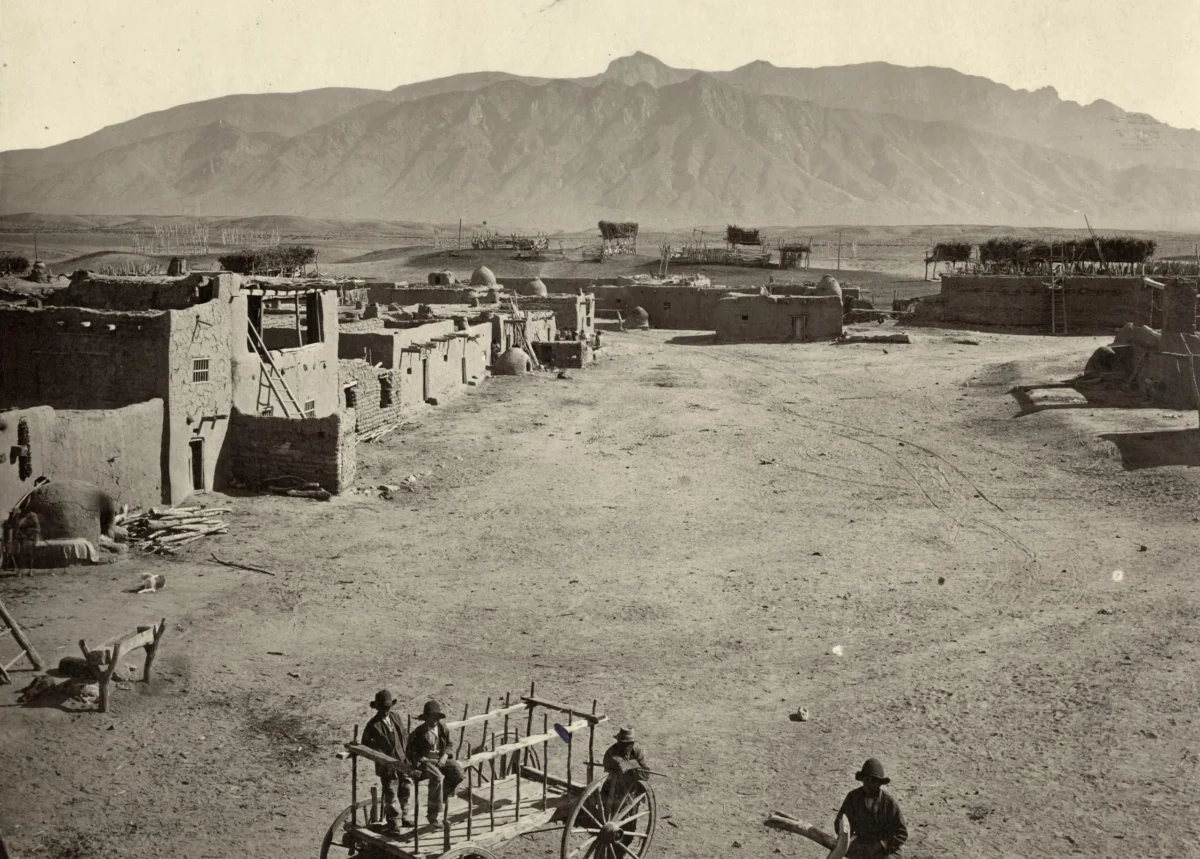
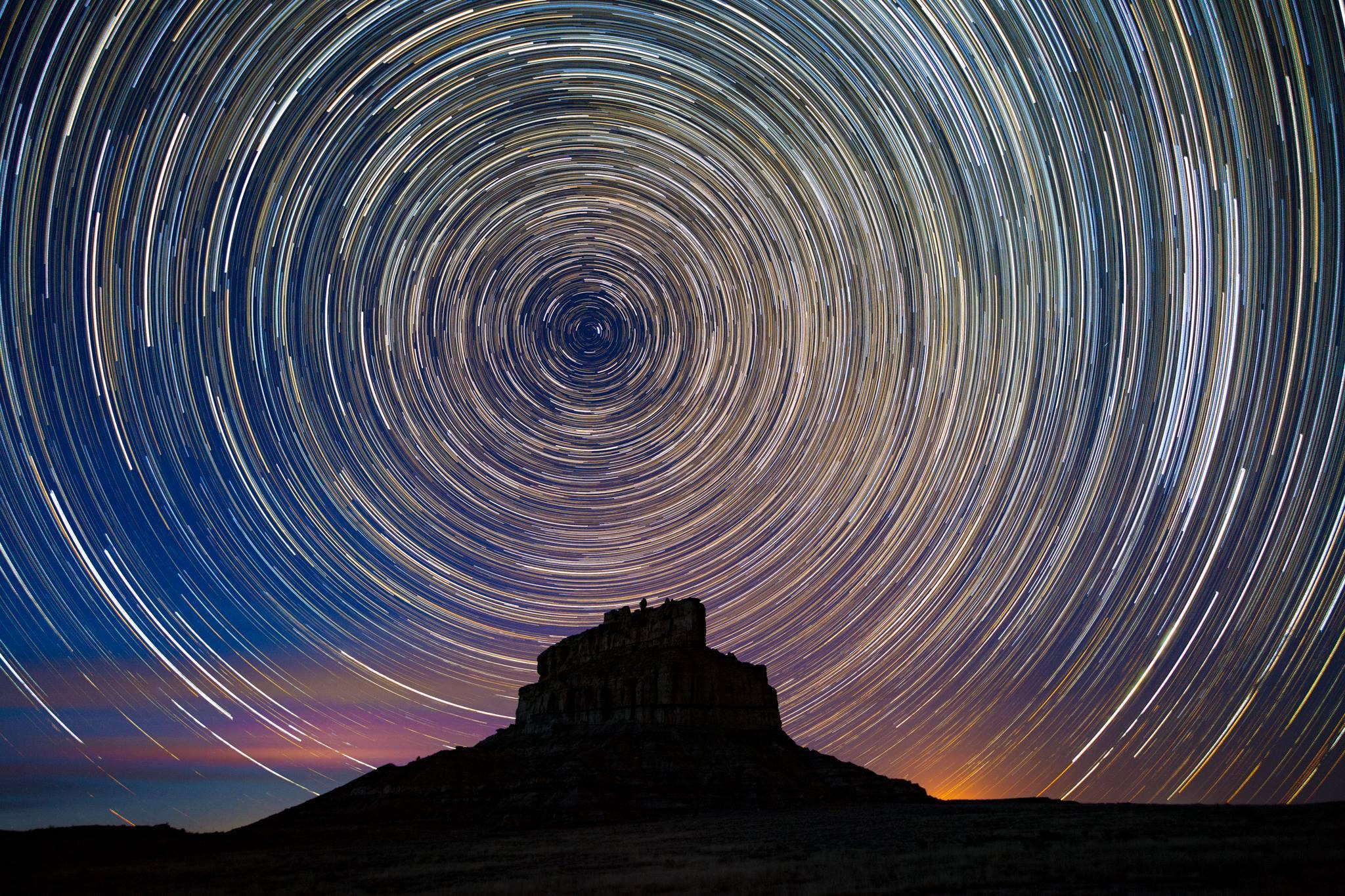
Chaco Canyon, nestled in the remote northwestern corner of New Mexico, represents one of the most significant pre-Columbian cultural centers in North America. For over a millennium, from roughly 850 to 1250 AD, the Chacoan people, ancestors of today’s Pueblo communities, engineered monumental great houses, intricate road systems, and sophisticated astronomical observatories, demonstrating an unparalleled understanding of architecture, engineering, and cosmology. This ancient metropolis served as a vibrant hub of ceremony, commerce, and pilgrimage, its influence extending across the Southwest. The spiritual and historical connection to Chaco remains profoundly alive for the 20 modern Pueblo tribes, who consider it a living landscape vital to their identity, prayers, and cultural continuity. Its designation as a UNESCO World Heritage site in 1987 recognized its "outstanding universal value," placing it among humanity’s most cherished cultural treasures, akin to the pyramids of Egypt or the Great Wall of China.
The current controversy stems from a proposal by the Bureau of Land Management (BLM) to revoke a 2023 Secretarial Order that established a 20-year moratorium on new oil and gas leasing and mining claims on approximately 336,404 acres of federal land within a 10-mile radius around Chaco Culture National Historical Park. This protective measure, championed by Interior Secretary Deb Haaland, herself a member of the Laguna Pueblo and the first Native American to hold a Cabinet position, aimed to safeguard the Chacoan cultural landscape from further industrial encroachment. However, the BLM’s recent environmental assessment suggests a move to reverse this protection, a decision critics argue aligns with a broader philosophy of prioritizing resource extraction over cultural and environmental preservation, reminiscent of past administrations’ "energy dominance" agendas. U.S. Rep. Gabe Vasquez voiced the collective outrage, stating that Chaco "is a vibrant place of prayer, pilgrimage and core to the identity of many Southwest tribes," emphasizing that "there is no replacing it." He condemned the BLM’s decision as "an absolute gut punch to New Mexico and to our pueblos," further decrying the brevity of the public comment period, which closes on July 29, as an "insult."
New Mexico’s entire Democratic congressional delegation, including Senators and Representatives, dispatched a letter to Interior Secretary Doug Burgum, urging an extension of the comment period to a minimum of 90 days. They also demanded that Secretary Burgum personally visit Chaco Canyon before authorizing any actions that could jeopardize the irreplaceable landscape. U.S. Rep. Teresa Leger Fernández, whose district encompasses Chaco, openly accused Burgum of reneging on a previous commitment to visit the site, stating, "He lied." She affirmed, "We will hold him to his comment. We will hold the Department of Interior to the rules and the laws and the regulations, and we will not let them silence us." Joey Sanchez, Chair of the All Pueblo Council of Governors, echoed the sentiment of tribal leaders who have sought direct engagement with the Secretary, lamenting, "We asked for a meeting, but we never got it. We’re ready to be with you. We ask you to come and visit." The lack of response from Secretary Burgum to these urgent requests has further intensified the frustration among tribal and state officials.
Recognizing the critical juncture, state-level leaders are also mobilizing. State Rep. Derrick Lente, a Democrat from Sandia Pueblo, called upon Governor Michelle Lujan Grisham to assert New Mexico’s "unmistakable opposition" and to deploy state resources to defend the threatened landscape. Lente specifically urged the state Department of Cultural Affairs and the State Historic Preservation Officer to leverage their full authority under the National Historic Preservation Act (NHPA) to ensure a comprehensive and honest assessment of the "cultural harm" posed by the proposed revocation. The NHPA mandates federal agencies to consider the effects of their undertakings on historic properties, requiring consultation with State Historic Preservation Officers and Native American tribes. A spokesperson for Governor Lujan Grisham confirmed the administration’s consistent pushback against the "terribly shortsighted and reckless proposal," citing official correspondence and coordination with the state’s congressional delegation to bolster New Mexico’s unified opposition.
While the New Mexico Pueblos present a united front against drilling near Chaco, the Navajo Nation, whose vast lands surround the national park, exhibits a more complex and divided perspective. Navajo President Buu Nygren, who recently lost his primary bid for re-election, has previously opposed the buffer zone. His potential successors, Justin Jones and Crystalyne Curley, also hold views that largely favor development. Jones advocates for the rights of Navajo allottees – individuals who hold privately owned parcels of land within the reservation – to develop oil and gas resources, citing their surface and subsurface possessory rights. Similarly, Navajo Nation Council Speaker Crystalyne Curley previously expressed strong disagreement with Secretary Haaland’s 2023 decision to impose the buffer. For many Navajo families, particularly those with allotments, the economic prospects offered by oil and gas development represent a vital source of income and self-sufficiency in an economically challenged region. However, this perspective is not universally shared within the Navajo community. Mario Atencio, a Navajo activist and vocal critic of the oil and gas industry’s environmental toll, whose family also holds allotments within the buffer zone, vehemently argues that revoking protections would grant the government "free rein to pollute the land." He warns of the "challenging and detrimental" impact on the public health of local communities, highlighting the environmental justice concerns often overlooked in the push for resource extraction. This internal debate within the Navajo Nation underscores the intricate balance between economic needs, individual property rights, and collective environmental and cultural preservation.
The struggle over Chaco Canyon extends far beyond New Mexico’s borders, resonating with global efforts to safeguard indigenous heritage and critical ecosystems from industrial exploitation. Similar conflicts are playing out worldwide, from the Amazon rainforests to the Arctic Circle, where indigenous communities stand as frontline defenders against resource extraction that threatens their ancestral lands, cultural practices, and very survival. The outcome at Chaco could set a significant precedent for how federal agencies balance their mandates for resource development with their responsibilities for cultural preservation and tribal consultation under international standards and domestic laws. Environmentally, lifting the buffer zone risks exacerbating air and water pollution, disrupting fragile desert ecosystems, and contributing to climate change, while culturally, it threatens to desecrate a landscape of profound spiritual importance, undermining the Pueblo peoples’ continued connection to their ancestral past. The ongoing push for short-term economic gains from fossil fuels stands in stark contrast to the long-term imperative of preserving irreplaceable cultural assets and fostering sustainable practices. As the public comment period draws to a close, the question posed by Cochiti Pueblo Governor Phillip Quintana remains central: "Will we choose short-term extraction, or will we choose to protect one of the most important Indigenous cultural landscapes in North America, a place whose meaning reaches far beyond any single administration?" The answer will reflect not only federal policy but also the nation’s commitment to its indigenous peoples and its global responsibility to protect universal heritage.