Joko Susilo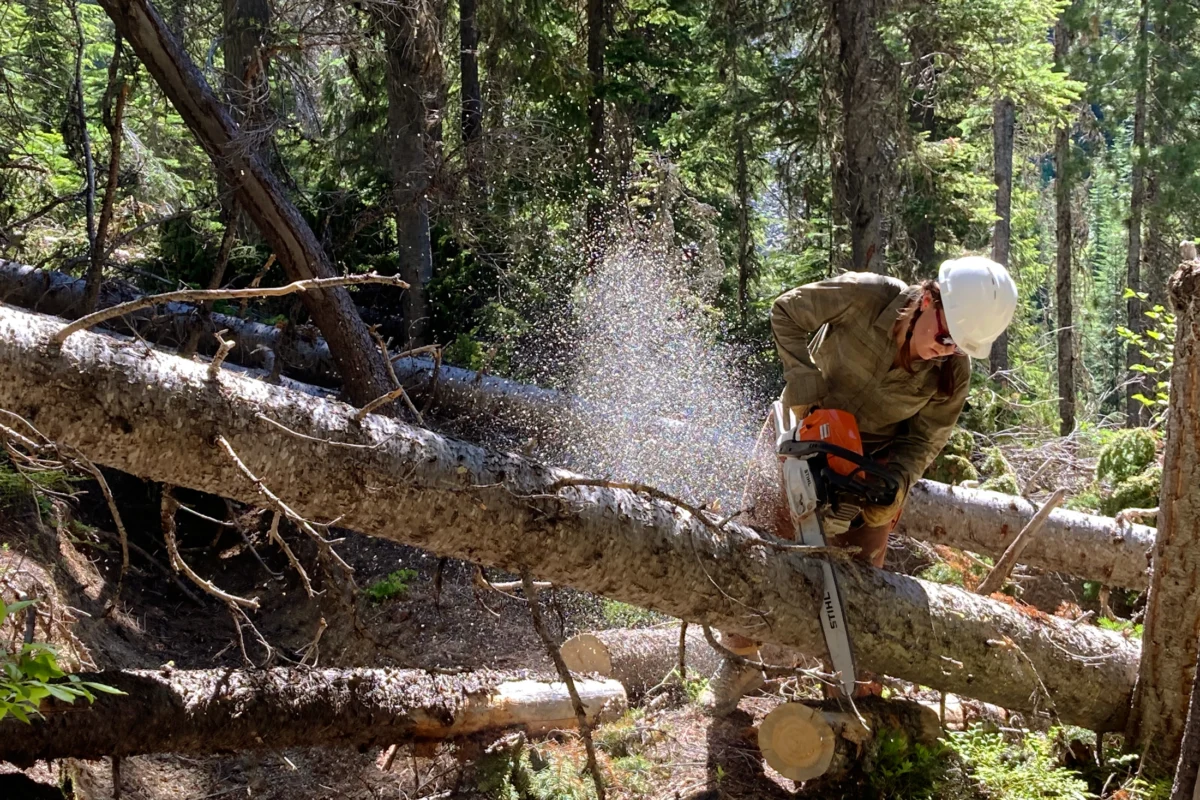
The very concept of "wilderness" in the United States transcends a mere abstract notion of untamed nature; it is a legally defined entity enshrined in the landmark 1964 Wilderness Act. This foundational legislation established a National Wilderness Preservation System, designating areas of 5,000 or more contiguous roadless acres that offer "opportunities for solitude," "unconfined recreation," and are largely free from "permanent improvements." The Act’s core purpose is to preserve these areas in their natural condition, protecting them from development and strictly regulating human activities, including a general prohibition on motorized equipment. This legal framework has profoundly shaped the management philosophy for over 111 million acres of federal public lands, ensuring their primitive character endures.
However, the practical application of this half-century-old law is facing unprecedented pressures. Earlier this spring, the U.S. Forest Service granted a limited waiver to the Idaho Outfitters and Guides Association, allowing chainsaws to clear certain trails within the expansive Frank Church-River of No Return Wilderness. This move immediately triggered alarm among some wilderness advocacy groups, who perceived it as a dangerous precedent, a potential erosion of core wilderness protections, and a concession to special interest groups. They fear that any deviation from the strict interpretation of the Wilderness Act could unravel the protections painstakingly built over decades, setting a slippery slope towards further mechanization and human intrusion.
In stark contrast, many professional trail workers, who spend countless hours on the front lines of wilderness stewardship, express a more nuanced perspective. These skilled individuals, often overlooked in the broader public discourse, grapple daily with the devastating impacts of escalating climate change, relentless federal budget cuts, and the sheer physical demands of maintaining thousands of miles of trails. For them, the debate is not about undermining wilderness values, but about finding pragmatic solutions to an overwhelming and growing crisis, ensuring the long-term viability and accessibility of these cherished landscapes.

The scale of the challenge facing wilderness trail crews has grown exponentially. The American West, in particular, has witnessed a dramatic increase in the frequency and intensity of wildfires, a direct consequence of a warming climate. Following a wildfire, what was once a navigable trail can become an impassable labyrinth of fallen, fire-scarred trees, blocking passage for scores, sometimes hundreds, of yards. Even years, or indeed decades, after a major burn, trees continue to fall, creating a persistent and escalating maintenance burden. Beyond wildfires, other climate-fueled phenomena contribute significantly to this deadfall accumulation: widespread beetle infestations weaken vast tracts of forest, making trees susceptible to extreme winds, and heavier, wetter snowfalls contribute to massive tree collapses.
A trail crew on a typical national forest ranger district, often comprising just four or five dedicated individuals supplemented by a handful of volunteers, can barely scratch the surface of the problem. For instance, in Washington’s fire-prone Cascade Range, where one former trail worker spent eight years clearing logs from over 700 miles of trail, half of which lay within designated wilderness, the annual clearing efforts barely addressed half of the district’s total trail mileage. Districts with even smaller crews, or those that have seen their budgets slashed to the point of having no dedicated trail teams, face an even more dire situation, leaving vast stretches of wilderness trails to succumb to natural forces.
The consequences of unmaintained and impassable trails extend far beyond mere inconvenience for recreational users. They pose significant safety hazards, impeding emergency backcountry evacuations and making it difficult for search and rescue operations to reach those in distress. Impenetrable trails also hinder critical fire management efforts, preventing firefighters from accessing remote areas to contain blazes or establish firebreaks. Furthermore, they restrict scientific monitoring, making it challenging for researchers to study the ecological health and changes within these vital ecosystems.
Crucially, the erosion of trail access also limits public engagement with wilderness. The Wilderness Act explicitly states that these areas are to be administered "for the use and enjoyment of the American people"—a phrase underscored three times within the law’s text. When trails become impassable, the public, particularly those without specialized equipment or extensive backcountry experience, loses the opportunity to experience these wild places. This lack of access stifles the growth of a diverse community of wilderness lovers and defenders, weakening the very constituency needed to advocate for their protection. As renowned naturalist David Attenborough eloquently observed, "No one will protect what they don’t care about; and no one will care about what they have never experienced."

The physical and emotional toll on trail workers, who often dedicate their lives to this demanding profession, is immense. While the mastery of a crosscut saw is a source of pride and a testament to traditional skills, the relentless labor of clearing thousands of logs manually, year after year, takes a heavy toll on the body and morale. A single cut that takes mere seconds with a chainsaw can consume minutes, or even hours, with a crosscut, significantly increasing sawyers’ exposure to inherent hazards such like unstable dead snags. In the face of unprecedented environmental challenges and chronic understaffing, a rigid, no-exceptions ban on chainsaws in wilderness areas, many argue, risks becoming counterproductive. Instead of safeguarding wilderness, it inadvertently contributes to its disappearance by rendering it inaccessible and unmanageable.
The word "chainsaw" does not appear in the original Wilderness Act. Instead, Section 4(c) broadly prohibits "motorized equipment" except "as necessary to meet minimum requirements for the administration of the area." This crucial clause provides a potential avenue for flexibility. The National Park Service, for example, has long interpreted trail clearing as a "minimum requirement" for wilderness administration and accordingly allows its wilderness trail crews to utilize chainsaws, demonstrating a precedent for such pragmatic adaptation within federal land management. Given the overwhelming buildup of deadfall now obliterating trails in national forests, proponents argue the Forest Service should adopt a similar, more flexible approach.
Even if every ranger district across the Western United States were to receive full staffing and funding next year, the sheer volume of falling trees and the increasing frequency of wildfires would still present an insurmountable challenge. Chainsaws, strategically and judiciously employed, could transform an overwhelming workload into a manageable one, allowing crews to clear more miles of trail efficiently and safely. Modern battery-powered saws, in particular, offer a quieter, less polluting alternative to traditional gas-powered models, mitigating some of the traditional concerns about noise and environmental impact within wilderness areas.
The consequences of inaction are already evident. By 2016, many ranger districts had already ceased maintaining minor wilderness trails. A decade later, the struggle has shifted to keeping open major routes that provide the only remaining access to entire backcountry zones, including critical sections of iconic through-hikes like the Pacific Crest Trail. The abandonment of these trails funnels hikers into already popular, often overused, areas such as the Enchantments or bustling national parks like Mount Rainier, exacerbating existing pressures on these fragile ecosystems.

The Frank Church-River of No Return Wilderness, central to the current debate, presents a unique context. This vast wilderness area, predating the Wilderness Act, contains dozens of historic airstrips and private ranches that welcome fly-in guests, highlighting that some forms of mechanized access were grandfathered into its designation. For the broader public, however, trails represent a far more equitable and affordable pathway into these wild landscapes. Preserving these trails ensures that the wilderness remains a democratic resource, accessible to all who seek its solace and adventure.
The potential impact of allowing targeted chainsaw use in wilderness areas would primarily be more miles of safe and passable trails. Hikers themselves often report the rarity of encountering a trail crew at all, making the likelihood of hearing a chainsaw exceptionally low. The most significant, and arguably beneficial, outcome would be the creation of expanded opportunities for people to experience, enjoy, and ultimately become passionate advocates for the long-term protection of these irreplaceable wilderness areas. The challenge lies in finding a balanced path that honors the spirit of wilderness preservation while adapting to the urgent realities of the 21st century.