Joko Susilo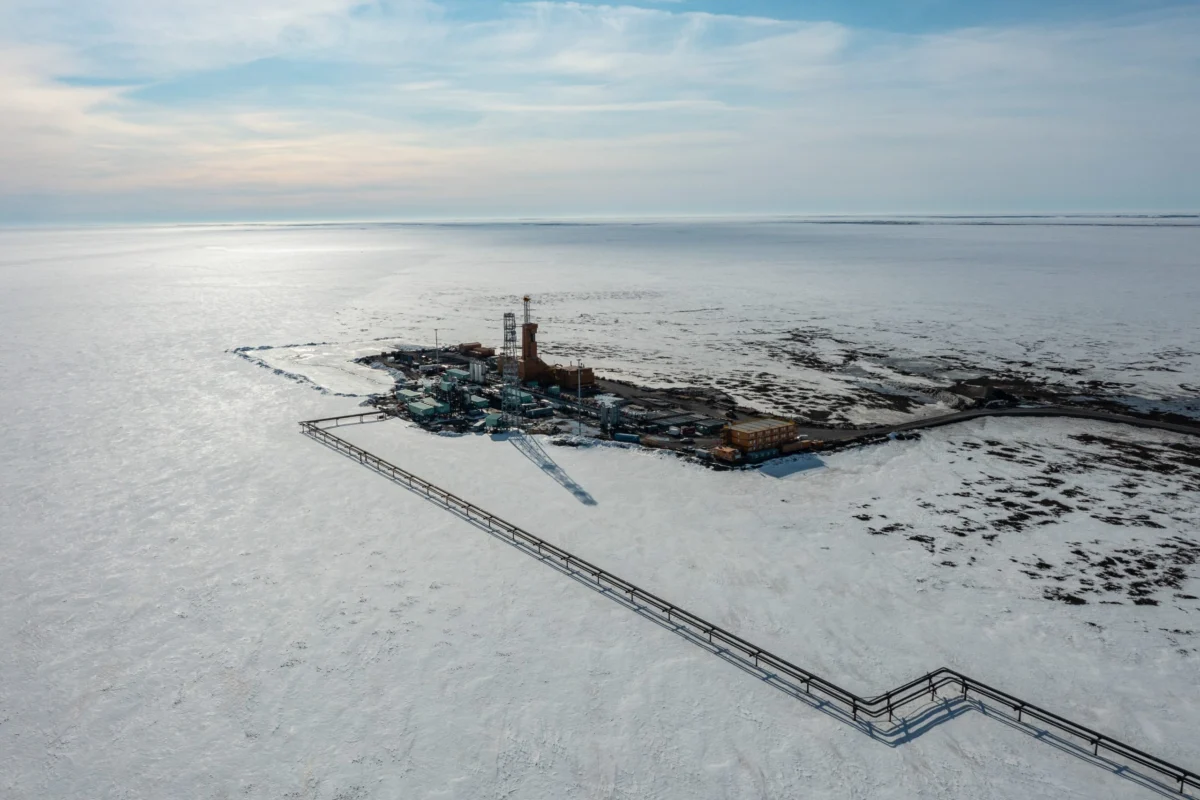
A sweeping executive order, signed on President Donald Trump’s first day in office, has ignited a fierce debate over the future of Alaska’s vast oil, gas, and mineral reserves, particularly across its ecologically sensitive North Slope. Titled "Unleashing Alaska’s Extraordinary Resource Potential," the directive signaled an aggressive shift towards expanding energy development, specifically targeting major public land tracts like the coastal plain of the Arctic National Wildlife Refuge (ANWR) and the National Petroleum Reserve-Alaska (NPRA). This bold move aimed to dismantle what the administration characterized as "punitive restrictions" imposed by previous administrations, promising to streamline the permitting and review processes for new energy projects.
Now, informed sources and official documents reveal that the administration is rapidly fulfilling its pledge to fast-track drilling within the NPRA. A significant policy change is underway, poised to allow new winter exploration and drilling to proceed without the rigorous environmental scrutiny typically required under federal law. The Department of the Interior is preparing to issue a "categorical exclusion" to the National Environmental Policy Act (NEPA), a critical piece of legislation designed to ensure federal agencies consider the environmental impacts of their actions. This categorical exclusion would significantly ease the path for the oil and gas industry to conduct seismic surveys, secure rights of way, and drill exploratory wells in the NPRA, a region that has become increasingly attractive to energy companies seeking new frontiers for extraction.
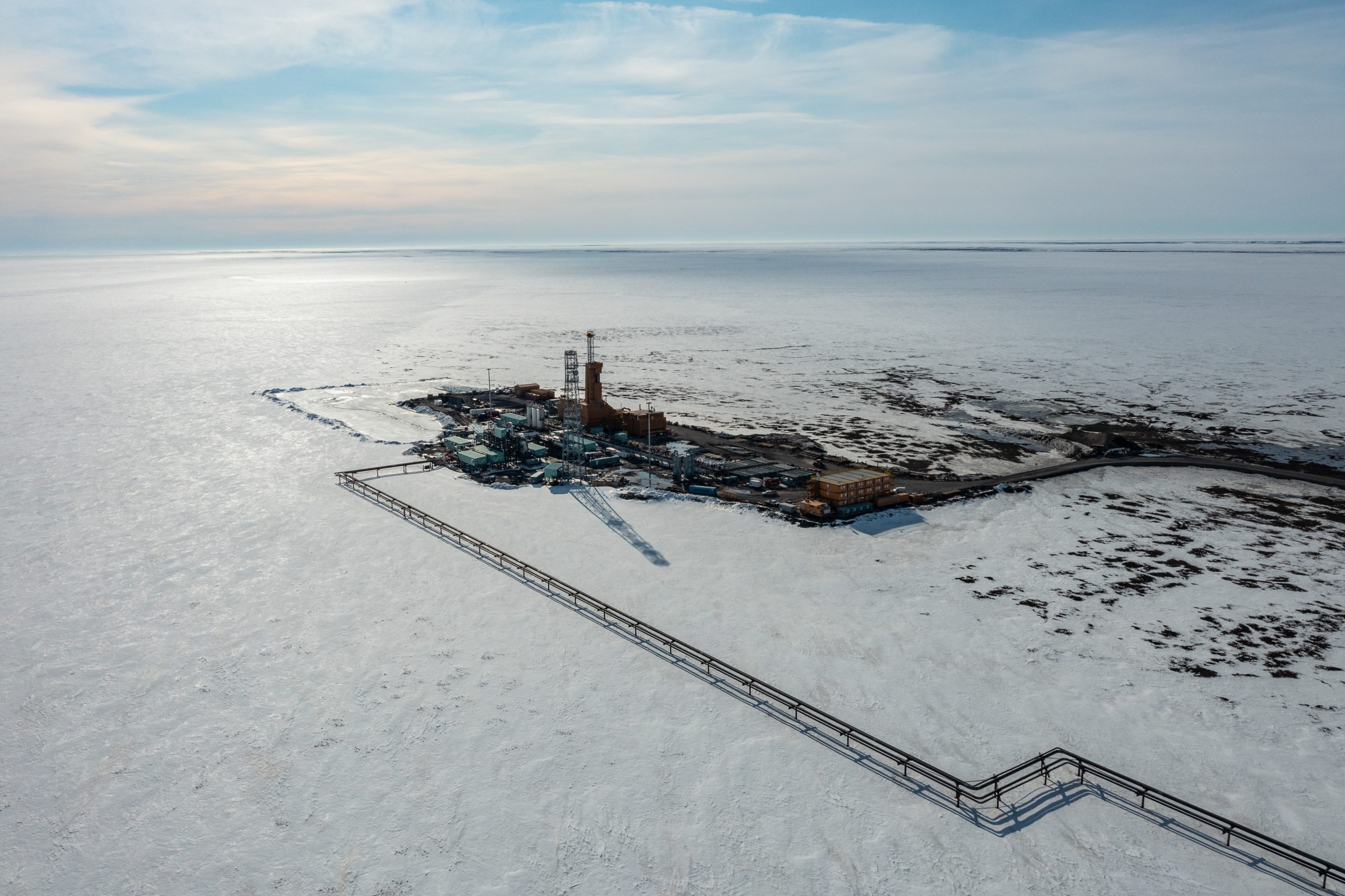
The environmental implications of such an accelerated approach are profound and widely documented. Seismic surveys, which employ massive vibroseis trucks weighing over 15 tons, are known to leave lasting scars on the delicate Arctic tundra. These operations, often conducted in winter, disturb vulnerable wildlife populations, including female polar bears that den along the North Slope’s coastal regions, a species already facing significant challenges from climate change and whose numbers have declined precipitously over the last two decades. Beyond exploration, the construction of drilling pads, pipelines, and associated infrastructure is highly intrusive. Studies by the U.S. Geological Survey indicate that such development has demonstrably altered caribou behavior and disrupted their ancient migration patterns across the Arctic landscape. The inherent challenges of operating in this extreme environment are further compounded by the accelerating effects of climate change, particularly the widespread thawing of permafrost, which can compromise infrastructure stability and lead to ecological disruption.
Alarmingly, the administration is moving to strip away existing environmental protections for nearly all phases of this development. The categorical exclusion, tentatively named "NPR-A Wintertime Oil and Gas Exploration Operations," could be released imminently to facilitate winter seismic surveys and drilling. Critically, this exclusion was reportedly drafted without any opportunity for public comment or direct input from the Indigenous communities in the region who stand to be most directly affected by these changes.
An Interior Department spokesperson, in an emailed statement, confirmed the department’s work on a categorical exclusion. The spokesperson asserted that this initiative draws on findings from "dozens of environmental reviews" to expedite permitting for winter activities, including seismic surveys and exploratory drilling. The department maintains that "These efforts are about using decades of experience and analysis to create a more efficient, predictable, and effective process while upholding environmental standards." However, environmental advocates argue that such a claim is difficult to reconcile with the nature of a categorical exclusion.
The legal foundation for a categorical exclusion rests on the premise that proposed activities will have "no significant impact" on the environment. Historically, these exclusions apply to routine actions with minimal risk to natural resources. Jeremy Lieb, a senior attorney with Earthjustice, a prominent advocacy group actively challenging Arctic development, vehemently disputes this application. He argues that exploratory drilling and extensive seismic testing in the Arctic have well-documented and significant impacts, making them precisely the kind of actions that demand thorough scrutiny by land-management agencies. Lieb warned that these new rules, alongside other regulatory changes, will effectively "rubber-stamp" industrial operations in one of the planet’s most remote and highly sensitive ecosystems. "Drilling and seismic exploration for oil and gas in the Arctic are large-scale, industrial activities that cause significant, lasting negative impacts to the environment and nearby communities," Lieb stated. "The administration cannot rely on a categorical exclusion to hide these projects from the public and avoid evaluating their environmental impacts."
The 23-million-acre National Petroleum Reserve-Alaska, a vast expanse roughly the size of Indiana, represents the largest single tract of land managed by the Department of the Interior. It provides crucial habitat for dozens of migratory bird species that traverse continents, supports a significant population of denning polar bears, and is home to three distinct caribou herds, two of which have experienced dramatic population declines over the past decade. Under the previous Biden administration, a substantial portion of the reserve received enhanced conservation protections. The Interior Department had been in the process of establishing a roughly 1 million-acre caribou conservation area, a direct response to a request from the Native Village of Nuiqsut. This Indigenous community, situated just east of the reserve, relies heavily on the Teshekpuk Caribou herd as a fundamental food source for their subsistence way of life. The agreement, finalized just before the change in administrations, would have imposed additional restrictions on drilling activity within the herd’s vital calving grounds.

However, the current administration has systematically dismantled these Biden-era regulations, explicitly prioritizing oil and gas development over conservation. The caribou conservation initiative has been canceled, leading to a lawsuit filed by the Native Village of Nuiqsut against the Interior Department. While the community secured a preliminary injunction in March, the broader regulatory landscape continues to shift. Following a petition from the Alaska Oil and Gas Association (AOGA), a powerful trade group promoting drilling in the state, the federal agency announced in May its intention to "streamline permitting for oil and gas infrastructure" in the NPRA. The close ties between the administration and industry are evident: Kara Moriarty, AOGA’s former CEO and president, now serves as a senior advisor at Interior, while Steve Wackowski, Interior’s senior advisor for Alaska during the administration’s first term, subsequently replaced Moriarty as head of AOGA.
This AOGA-influenced rule aims to establish a blanket environmental impact statement that would cover all oil and gas production sites within the NPRA, thereby simplifying the approval process for essential infrastructure like pipelines, gravel mines, and access roads. The newly proposed categorical exclusion appears to specifically target winter exploration activities, particularly seismic surveys. This move aligns with recent guidance from the Council on Environmental Quality (CEQ) that emphasized the "importance of CEs as a core feature of NEPA."
Compounding concerns, this categorical exclusion is also being developed without any public input. Historically, a public comment period was a legally mandated component of this process. However, last April, the CEQ relinquished its government-wide responsibility to oversee and implement NEPA, effectively allowing federal agencies to bypass the customary 30-day public comment period. Ted Boling, a partner at Ashurst Perkins Coie and a former member of the White House Council on Environmental Quality, observed that this represents largely uncharted territory for federal agencies. Given the immense size and ecological complexity of the NPRA, he suggested that the forthcoming provision could be highly vulnerable to legal challenges. "These (categorical exclusions) historically have been done if there’s a rulemaking procedure," Boling commented. "So, if they’re not going to get public comment on it, we’ll see how reliable it is."
The elimination of standard environmental reviews for specific drilling-related activities comes at a time when industry has aggressively acquired dozens of new leases across the NPRA. During a lease sale held in March, nearly 200 parcels, encompassing more than 1.3 million acres, were secured by major oil and gas companies, including Exxon Mobil, ConocoPhillips, and Shell. Much of this newly leased land lies in proximity to ConocoPhillips’ controversial Willow Project, an extensive oil development approved during the Biden administration, whose infrastructure is designed to facilitate future expansion. Significantly, ExxonMobil’s new leases, located just south of Teshekpuk Lake—the largest body of freshwater in Arctic Alaska—directly overlap with the former caribou conservation area. Matt Jackson, Alaska senior manager for The Wilderness Society, an organization currently suing the Interior Department over its NPRA development plans, lamented that public lands in the Arctic are being "sacrificed for oil company profits."

The NPRA’s history as a naval petroleum reserve dates back to the early 1920s. Despite its name, the reserve saw remarkably little development for decades, with most oil and gas drilling on the North Slope concentrated on state-owned land around Prudhoe Bay. However, in recent decades, ConocoPhillips has steadily expanded its operations westward, pushing into the reserve. A significant discovery by wildcatter Bill Armstrong in 2013, particularly within the formation around the Willow Project, reignited interest in the area, sparking talk of a "North Slope renaissance." In the most recent NPRA lease sale, Armstrong’s company, North Slope Exploration LLC, acquired the highest number of tracts, signaling a clear intent to develop these leases with what now promises to be minimal environmental oversight.
This proposed development poses heightened risks to an already fragile and rapidly changing environment. The Arctic is experiencing warming temperatures at a rate more than twice the global average, leading to widespread permafrost thaw, accelerated coastal erosion, and increasingly unpredictable winter weather patterns, precisely when most drilling activities are slated to occur. This past January, an unusually warm week coincided with a significant incident: one of ConocoPhillips’ drilling rigs, nicknamed "the beast" for its immense size and status as the largest rig on the North Slope, toppled over and caught fire while being moved along an ice road towards the Willow project. Several employees sustained injuries, and thousands of gallons of oil spilled onto the surrounding tundra. It took the operator a staggering four months to remove the damaged rig and clean up the contaminated site. This incident serves as a stark reminder, as Earthjustice attorney Jeremy Lieb pointed out, of the "scale of these projects and the kind of things that can go wrong" in the challenging and unforgiving Arctic environment. The accelerating push for energy extraction in this critical region underscores a global tension between energy security, economic development, and the urgent imperative of environmental protection and climate action.