Johny Prima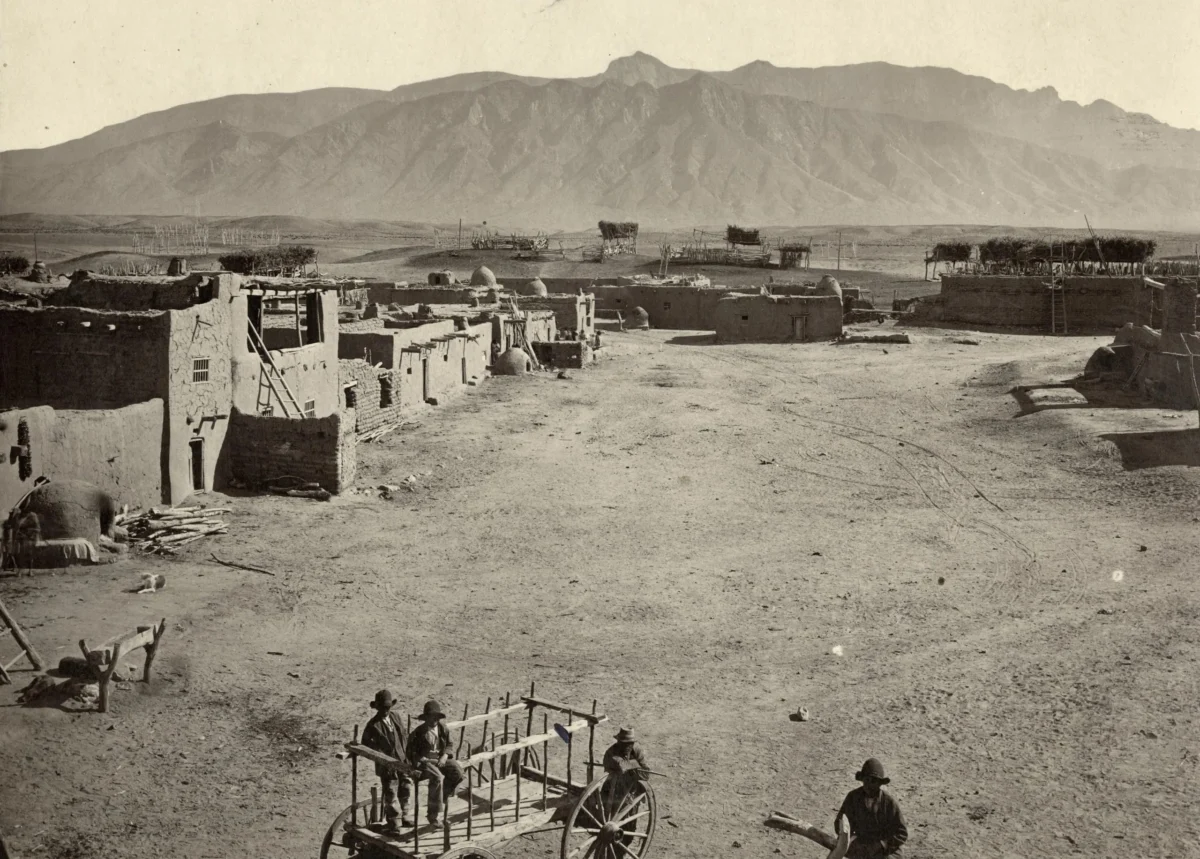
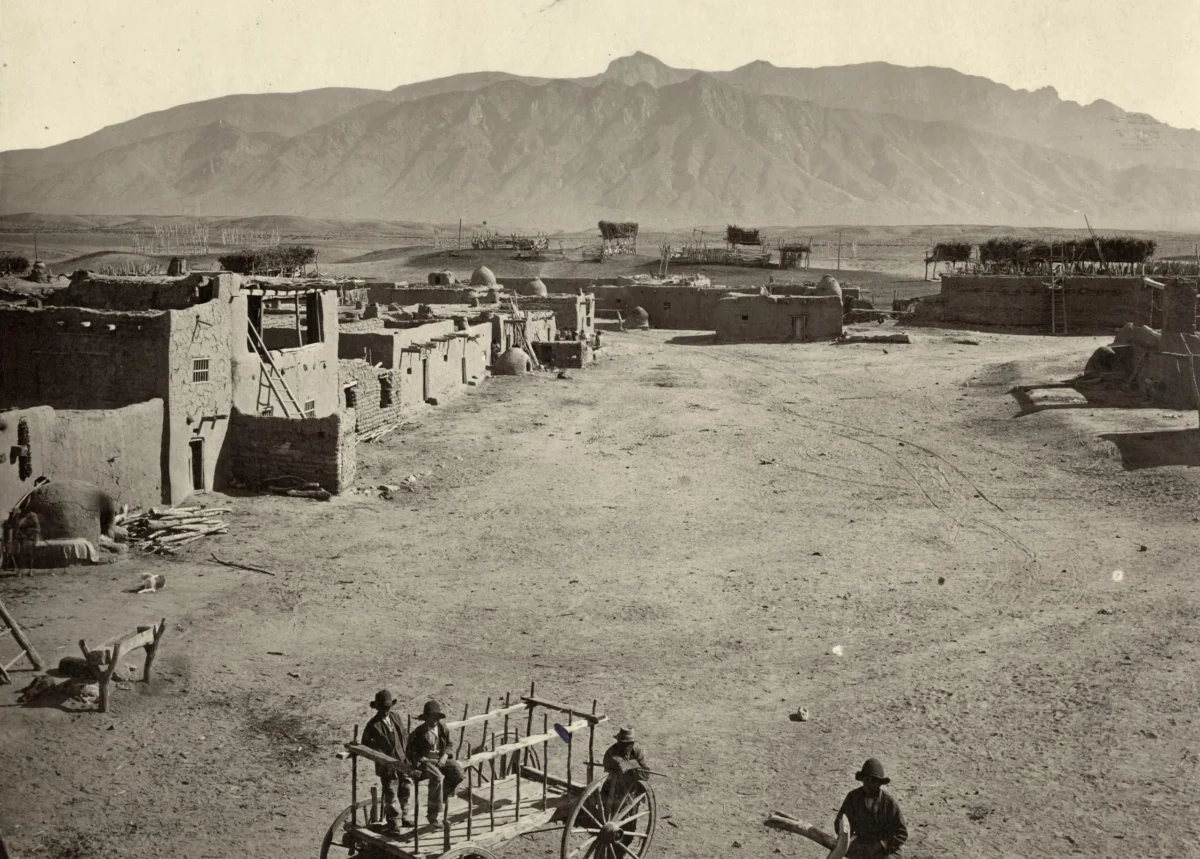
For centuries, the Pueblo of Sandia has maintained an unbroken, profound relationship with the majestic Sandia Mountain and the life-giving Rio Grande, enduring through epochs of immense political and social upheaval in what is now New Mexico. This enduring bond, rooted in spiritual reverence and practical sustenance, persisted even as Spanish, Mexican, and American incursions threatened their very existence, demonstrating an unwavering commitment to the lands and waters that define their heritage. Amidst these historical currents, the Pueblo tirelessly offered prayers for the well-being of their communities and the intricate tapestry of the natural world surrounding them. Today, as the planet faces unprecedented environmental challenges and the Middle Rio Grande Valley experiences rapid change, the Pueblo of Sandia is calling upon lawmakers and the public to honor their ancestral knowledge, cultural heritage, and inherent sovereignty by supporting a critical land transfer designed to further protect Sandia Mountain for generations to come.
Sandia Mountain, revered as sacred since time immemorial, transcends its physical form for the Pueblo; it is their church, a benevolent protector, and an indispensable source of communal well-being. Beyond its profound spiritual significance, the mountain represents a vital ecological sanctuary, harboring diverse wildlife and critical ecosystems that contribute to the region’s biodiversity. It also offers breathtaking beauty and essential recreational opportunities for the hundreds of thousands of residents and visitors who frequent the Middle Rio Grande Valley, underscoring its multifaceted value to both the indigenous community and the broader public.
The Pueblo’s leadership has formally requested that Congress facilitate the transfer of land within the T’uf Shur Bien Preservation Area from the U.S. Forest Service, an agency within the U.S. Department of Agriculture, to the Bureau of Indian Affairs, which falls under the Department of the Interior. This proposed transfer represents a crucial step towards affirming tribal self-determination and implementing an indigenous-led conservation model. While acknowledging the diligent efforts of local Forest Service employees in safeguarding this special area through various political administrations, the Pueblo has concurrently observed alarming degradation. Evidence of neglect includes pervasive litter and graffiti, significant deferred maintenance, compromised fence lines, proliferation of illegal trails, violations of occupancy regulations, and widespread disrespect from individuals who disregard both the sacredness and natural beauty of Sandia Mountain.
Moreover, the Pueblo has documented the destruction of irreplaceable cultural sites and persistent encroachment into sensitive areas, a direct contravention of federal assurances. These specific sites and broader landscapes were explicitly designated for protection when Congress enacted the T’uf Shur Bien Preservation Trust Area Act in 2022. This legislation, a landmark achievement, was itself the culmination of decades of arduous legal battles and intricate agreements, all stemming from the Pueblo’s tenacious efforts to reclaim access to ancestral lands. The original land grant, bestowed upon the Pueblo by the King of Spain in 1748, and subsequently confirmed by the U.S. Congress in 1858 under the foundational Treaty of Guadalupe Hidalgo, clearly stipulated the eastern boundary of the Pueblo’s territory at the "main ridge" of Sandia Mountain. However, a hastily conducted survey in 1859, completed in a mere four days, arbitrarily deviated from this agreed-upon ridgeline, instead meandering through the foothills near the Pueblo. This egregious misrepresentation resulted in the unjust loss of approximately 10,000 acres from the Pueblo’s rightful land grant, an injustice that has resonated through generations.
The T’uf Shur Bien Act of 2022 aimed to partially rectify this historical dispossession, recognizing the Pueblo’s profound connection to the land and the errors of past surveying practices. It explicitly guarantees tribal members "free and unrestricted access to the Area for traditional and cultural uses," while also safeguarding private landowners situated within the claim area. Crucially, the Act also enshrines in perpetuity the wilderness character of the area, strictly prohibiting logging, mining, and other forms of industrial development that could compromise its ecological integrity. The current request to transfer these lands from USDA to the Interior Department is a logical progression of this recognition, designed to empower the Pueblo with the direct stewardship necessary to fulfill the Act’s protective mandates more effectively.

To garner broad understanding and support for this vital move, the Pueblo of Sandia has undertaken an extensive outreach campaign, conducting over 75 meetings with a diverse array of stakeholders. This includes lawmakers at various levels, neighboring communities, local businesses, and numerous community members. Despite these transparent efforts and the Pueblo’s impeccable record as a sovereign nation that has consistently upheld its promises and agreements, disinformation continues to circulate within certain media outlets and segments of the public. This misinformation often fuels unfounded anxieties about potential changes to public access or land management practices.
In response to these concerns, the Pueblo of Sandia unequivocally assures all stakeholders that the proposed land transfer will not impede access for legitimate landowners or responsible, respectful recreational users. Upon transfer, all existing authorized uses and activities, alongside established public rights-of-way for roads and utility corridors, will remain fully intact. Visitors will continue to enjoy the area’s natural splendor, and the lands, waters, and precious wildlife of Sandia Mountain will receive enhanced protection, not only for the present but for countless future generations. The Pueblo’s long-standing history of loving care and meticulous stewardship of the mountain far predates any federal agency involvement, underscoring their unparalleled expertise and commitment to its preservation.
By assuming direct management of the T’uf Shur Bien Preservation Area, the Pueblo will gain the critical autonomy needed to more effectively safeguard its unique culture, cherished traditions, and ancestral way of life. This self-determination aligns with global movements advocating for indigenous land rights and co-management, recognizing that traditional ecological knowledge often provides the most sustainable and resilient solutions for environmental protection. Such transfers reflect a growing understanding that empowering indigenous communities to manage their ancestral territories can lead to superior conservation outcomes, leveraging centuries of place-based wisdom.
Furthermore, direct Pueblo management will significantly bolster the mountain’s resilience against future development pressures, further environmental degradation, and the increasing threat of catastrophic wildfires, a growing concern across the American West due to climate change. The Pueblo is uniquely positioned to offer local solutions, deploy resources, and implement strategies precisely tailored to the distinctive cultural and physical landscape of Sandia Mountain. This localized expertise will also facilitate more efficient and effective intergovernmental coordination efforts for emergency responses, public safety initiatives, and law enforcement activities, enhancing overall regional security and preparedness.
Ultimately, preserving Sandia Mountain’s religious and traditional meaning for the Pueblo is inextricably linked to its ecological health. The mountain must be rigorously conserved and protected not only for its profound spiritual significance but also for the environmental well-being of the entire Middle Rio Grande Valley and the prosperity of future generations. The Pueblo of Sandia, with its unmatched historical lineage and an unbroken record of love and care for this sacred landscape, stands ready to fulfill this enduring responsibility as its rightful stewards. This land transfer is more than an administrative adjustment; it is an affirmation of justice, a commitment to sustainable futures, and a recognition of the invaluable role indigenous communities play in global conservation efforts.