Rocky Gerung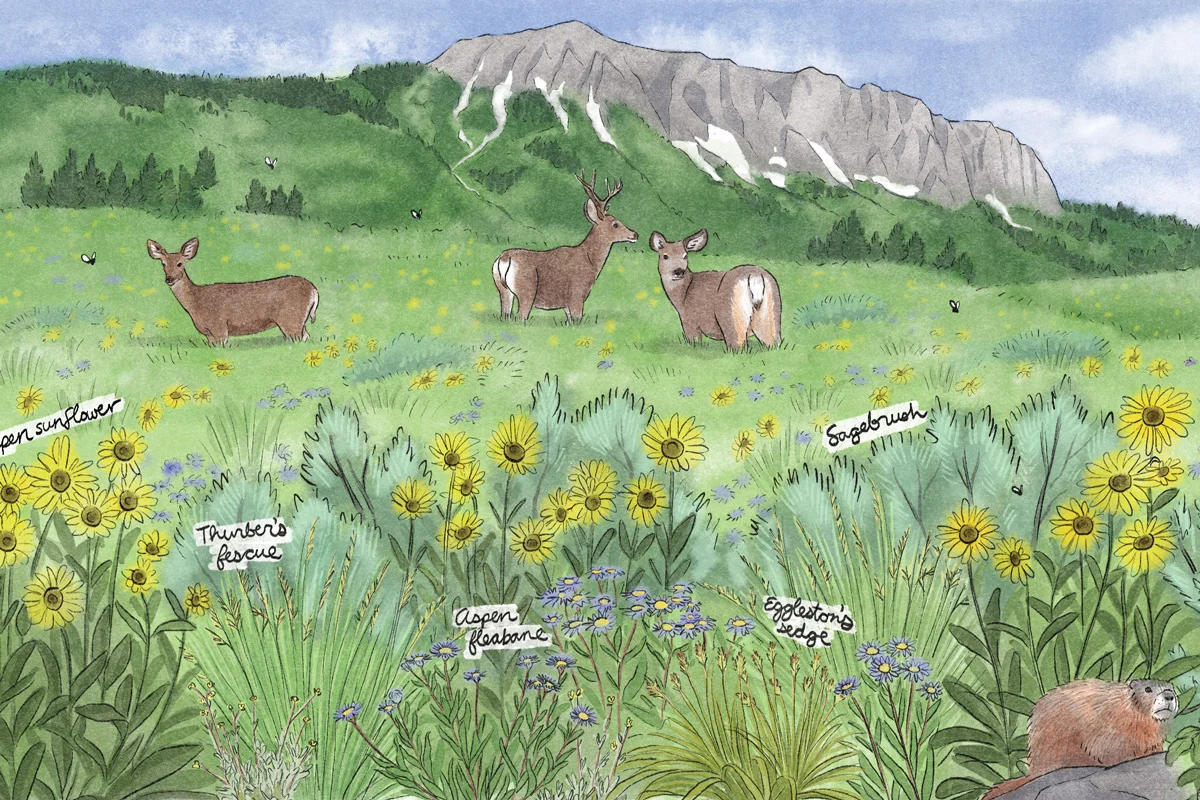
The natural world hums with intricate communication networks, a constant exchange of information and resources that underpins the health of ecosystems. Plants, often perceived as passive inhabitants of their environment, actively engage in a vibrant dialogue, both above and below the soil surface. Their brightly colored petals and intoxicating scents serve as clear signals to pollinators, guiding them towards the promise of nectar and pollen. Simultaneously, their root systems engage in a more subtle, yet equally vital, conversation with the vast underground network of fungi. These subterranean partnerships are fundamental to plant survival, facilitating the exchange of essential nutrients. Mycorrhizal fungi, in particular, form a deeply symbiotic relationship with plants, playing a critical role in drawing atmospheric carbon deep into the soil while enhancing the plant’s ability to absorb vital carbohydrates and minerals. This ancient collaboration is a cornerstone of terrestrial life, enabling plants to thrive and contributing to the overall fertility and structure of soils worldwide.
However, the very nature of this botanical discourse is undergoing a profound transformation in our warming world. For nearly three decades, researchers led by John Harte, a distinguished ecologist at the University of California, Berkeley, have been meticulously observing the impact of artificially elevated temperatures on a subalpine meadow near Gothic, Colorado. This long-term experiment, one of the most extensive climate change studies globally, provides invaluable insights into the subtle yet significant ecological shifts occurring in response to a changing climate.
The experimental setup involved the use of heat lamps to incrementally warm designated test plots, resulting in an approximate 3.6 degrees Fahrenheit (2 degrees Celsius) increase in soil temperature. This controlled warming mirrors what many regions around the globe are projected to experience by the end of the century under current climate models, often representing an optimistic scenario. For instance, state-level climate projections indicate that Colorado itself could face warming exceeding 6 degrees Fahrenheit. Within these artificially warmed plots, scientists have meticulously documented a cascade of changes, impacting both the visible plant life above ground and the complex biological activity occurring beneath the surface. These altered temperature regimes have demonstrably influenced the competitive balance among plant species, leading to shifts in which plants flourish and which ones decline. The repercussions of these botanical changes extend far beyond the meadow floor, rippling throughout the entire ecosystem, affecting soil composition, the behavior and abundance of local wildlife, and even influencing the frequency and intensity of wildfires.
Further research, delving into the intricate subterranean realm, has illuminated the consequences of these ecosystem-wide transformations. Lara Souza, a plant ecologist at the University of Oklahoma, and her colleagues have investigated the profound changes that occur in the soil environment as a meadow transitions from a diverse expanse of grasses and forbs to one dominated by encroaching sagebrush. Their findings, published in the prestigious peer-reviewed journal Proceedings of the National Academy of Sciences earlier this year, suggest a fundamental alteration in the dialogue between plants and fungi. Souza describes this shift as a "decoupling," indicating a breakdown in the once-balanced, mutually beneficial relationship.

As the prevalence of mycorrhizal fungi diminishes, they are increasingly replaced by saprotrophic fungi. These latter organisms are primarily decomposers, focused on breaking down dead organic matter. This shift fundamentally alters the subterranean conversation, transforming the formerly reciprocal exchange of nutrients between plants and fungi into a more unidirectional and less beneficial relationship for the plants. When mycorrhizal fungi are displaced, the intricate web of resource sharing that supports plant growth and soil health begins to unravel. This change has particularly serious implications for the remaining flowering plants, impacting their ability to access essential nutrients and maintain their vigor. The vibrant displays of wildflowers, which play a crucial role in supporting insect populations and contributing to the aesthetic and ecological richness of meadows, may face an uncertain future as their underground support system weakens.
The implications of this research extend beyond the specific subalpine meadows studied. Mycorrhizal fungi are ubiquitous in terrestrial ecosystems, forming critical partnerships with an estimated 90% of all plant species. Their decline, driven by factors such as land-use change, pollution, and climate change, represents a global threat to plant health, agricultural productivity, and the overall resilience of natural landscapes. The disruption of these ancient symbioses can lead to reduced plant growth, increased susceptibility to disease and pests, and a diminished capacity for carbon sequestration, further exacerbating climate change.
The long-term experiment in Colorado highlights the interconnectedness of ecological processes. The warming of the soil, a seemingly localized change, triggers a cascade of effects that ultimately reshape the entire ecosystem. The shift in plant community composition, with sagebrush outcompeting grasses and forbs, alters the physical structure of the meadow, impacting water infiltration, soil erosion, and habitat availability for wildlife. Furthermore, changes in soil moisture and vegetation type can significantly influence the flammability of the landscape. Drier, more combustible vegetation, potentially a consequence of altered plant-fungal dynamics and temperature increases, can increase the risk and severity of wildfires, creating a feedback loop that further degrades the ecosystem.
Understanding these complex interactions is crucial for developing effective conservation and management strategies. As climate change continues to accelerate, the ability of ecosystems to adapt and remain resilient will depend on the health of these foundational biological relationships. The "decoupling" observed in the plant-fungal dialogue serves as a stark warning that even the most fundamental natural processes are vulnerable to human-induced environmental changes. Restoring and protecting these vital underground networks, therefore, should be a priority for ecologists, policymakers, and land managers alike. This includes promoting sustainable land management practices that minimize soil disturbance, reduce pollution, and foster diverse plant communities that can support robust fungal populations.
The research conducted by Souza and her colleagues underscores the urgent need for continued scientific investigation into the hidden workings of our planet’s ecosystems. The "conversations" happening beneath our feet, though often unseen, are fundamental to the health and stability of the natural world. As temperatures rise and landscapes transform, these vital dialogues are being rewritten, with potentially far-reaching consequences for biodiversity, ecosystem services, and the very fabric of life on Earth. The future of our planet’s floral beauty and ecological integrity may well depend on our ability to understand and safeguard these intricate subterranean relationships.