Joko Susilo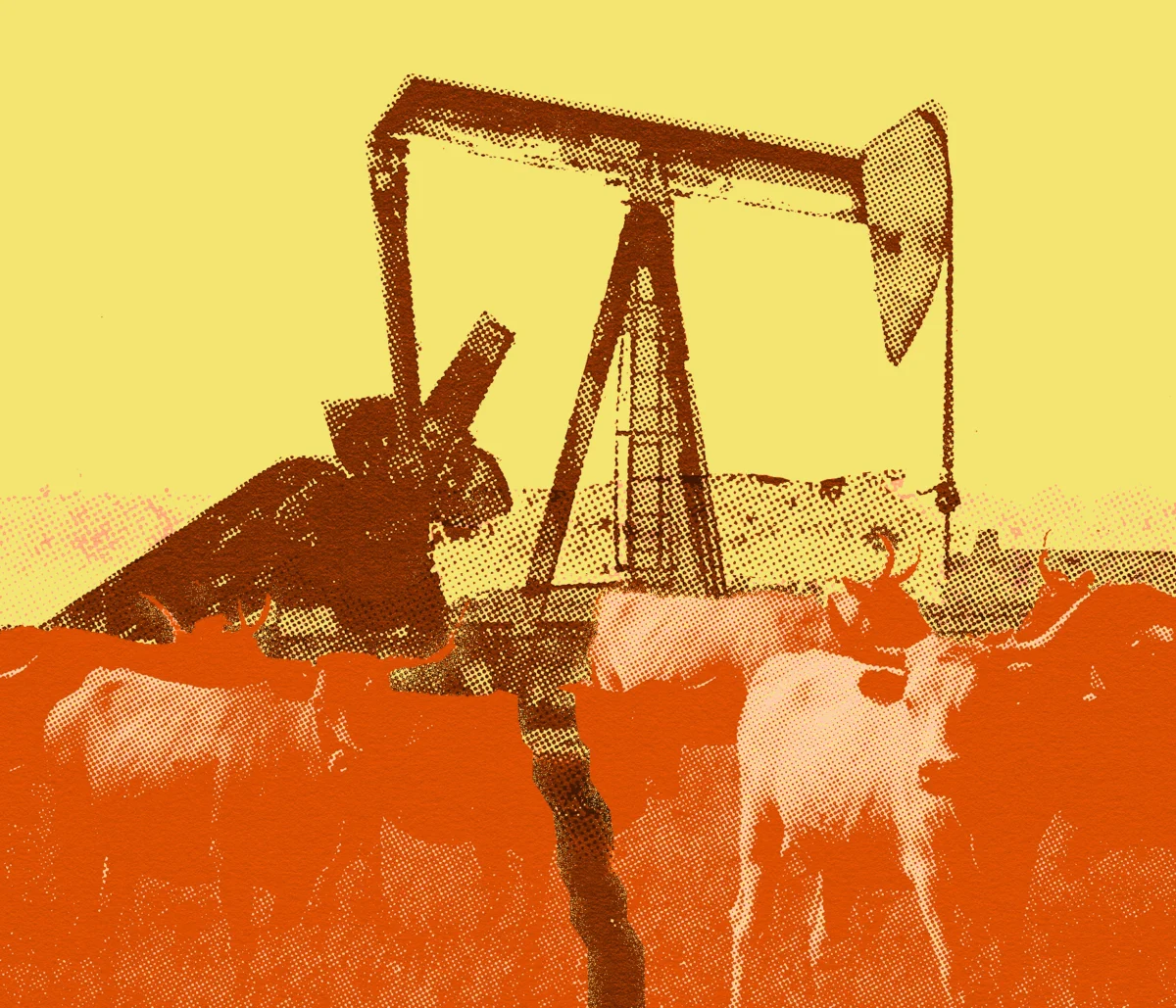
A controversial federal proposal from the Bureau of Land Management (BLM) is poised to drastically reshape the landscape of oil and gas development across the American West, potentially eroding landowner rights, curtailing public input, and weakening environmental protections. At the heart of this debate are changes to how the federal government manages "split estate" lands—properties where private individuals own the surface rights, but the mineral rights beneath are federally owned and leased to energy companies. Ranchers like Joe Rankin, whose family has worked their land north of Douglas, Wyoming, for 80 years, fear these revisions could strip away their ability to influence, or even comment on, drilling operations that directly impact their livelihoods and the health of their land.
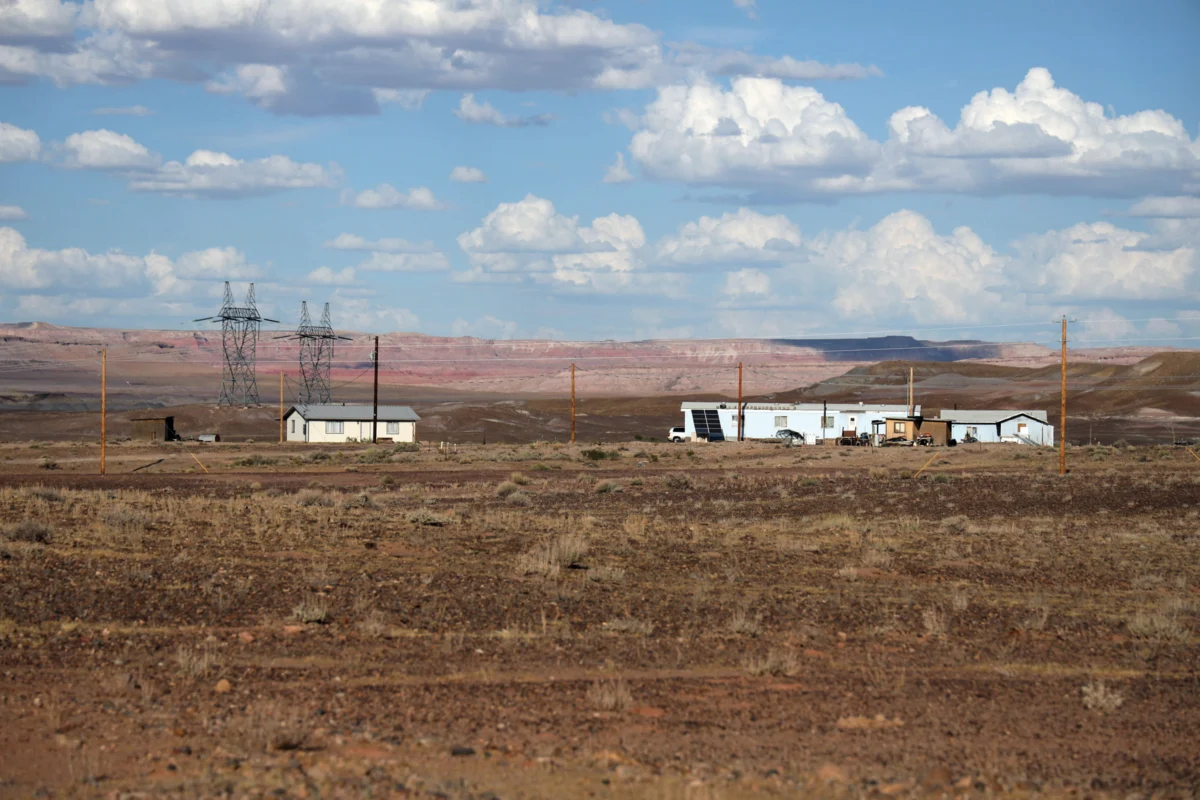
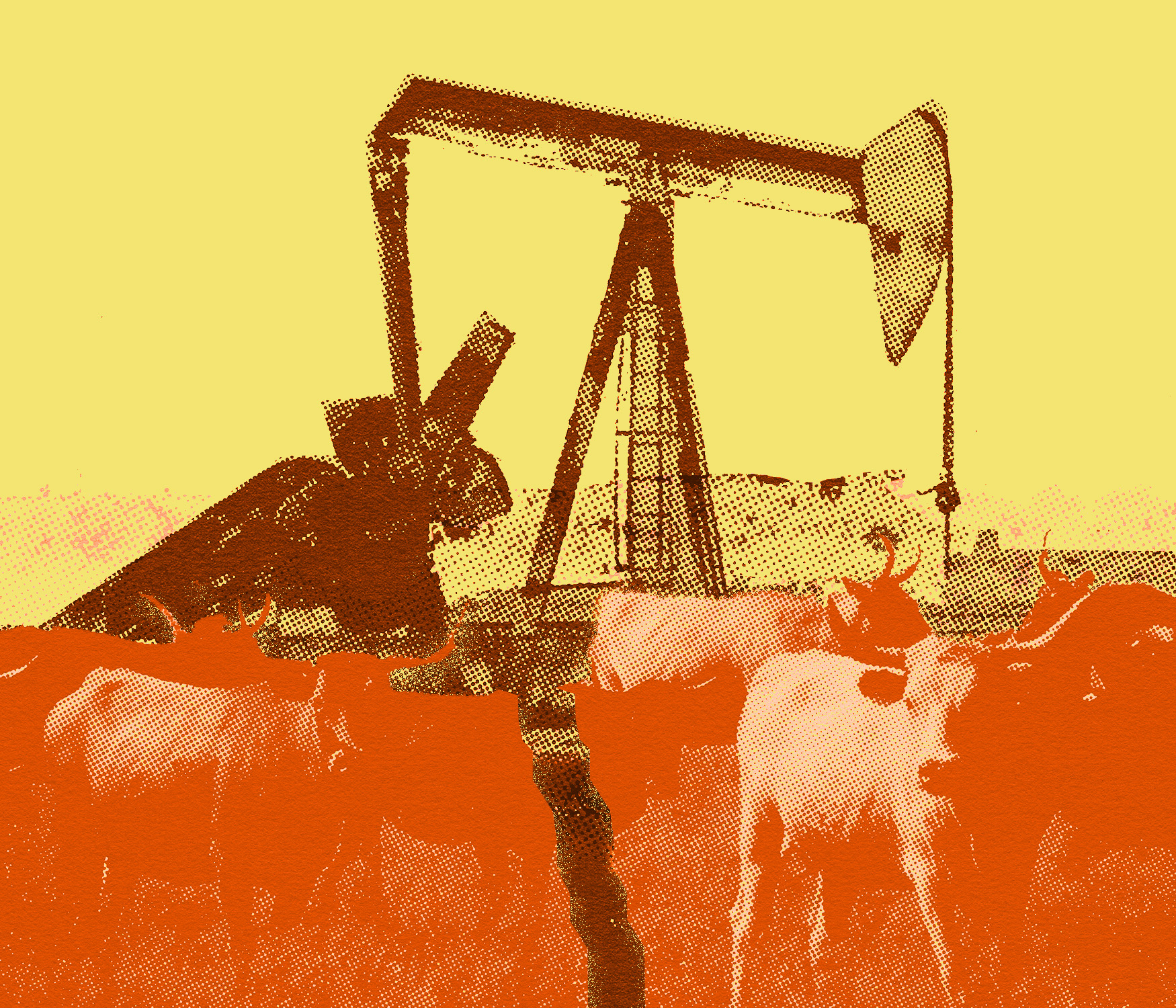
Rankin’s experiences are a stark illustration of the challenges faced by surface owners in areas rich in subsurface resources. He meticulously tracks oil drilling activities underneath his ranch, navigating the complex interplay between agriculture and energy extraction. The environmental consequences are often immediate and tangible; leaks from abandoned, or "orphaned," wells have affected his cattle, leading to health issues. The visual impact is equally striking, with vast stretches of land resembling a "spaghetti bowl" due to the proliferation of pipelines. Encounters with developers and even BLM officials sometimes escalate, as Rankin once had to assert his property rights to agency personnel driving across his pasture without permission. These incidents underscore the persistent tension inherent in the split estate arrangement, where mineral rights, often owned by federal agencies and leased to industry, historically supersede surface property rights, granting companies considerable access and operational leeway, even against landowner objections.
The federal proposal, issued in June, introduces three key changes that have sparked widespread concern. Firstly, it seeks to reduce the general public comment period for mineral leasing from a cumulative 90 days (comprising three distinct 30-day windows) to a mere 10 days, effectively eliminating initial scoping and environmental review comment periods and drastically shortening the final protest window. Secondly, the proposal eliminates the existing requirement for the BLM to identify and notify surface landowners whose property might be impacted by proposed underground development. Historically, such notifications were a crucial mechanism for landowners to stay informed and exercise their limited influence. Thirdly, the agency intends to significantly reduce the minimum bond amounts that companies are required to pay in case drilling operations are abandoned without proper environmental cleanup and well reclamation. These proposed changes are not limited to oil and gas but would extend to other subterranean natural resources managed by the agency, amplifying their potential impact across millions of acres. The public comment window for these sweeping changes concluded on August 24, signaling a rapid progression towards potential implementation.
While industry interests, particularly smaller companies, have lauded the proposal as a beneficial step for economic growth and streamlined operations, a broad coalition of landowners, environmental advocates, and local government officials argue that these changes represent a dangerous rollback of public input, an impedance of fundamental landowner rights, and a direct threat to community health and environmental integrity. Prominent figures, including Douglas Mayor Kim Pexton, Montana State Representative Shelly Fyant, and New Mexico rancher Don Schreiber, publicly criticized the proposal, highlighting its adverse implications for private property owners and democratic processes. Across the United States, nearly 58 million acres operate under split-estate arrangements, an area roughly the size of Wyoming itself. States like Montana and Wyoming bear a disproportionate share, with over 11 million acres each, an expanse five times larger than Yellowstone National Park and the Wind River Reservation combined, making the implications of this federal policy particularly acute for these Western communities.
The concept of split estates is a pervasive, if often misunderstood, feature of land ownership in the rural U.S., especially in the West. Its origins trace back to early 20th-century federal policies, such as the Stock-Raising Homestead Act of 1916, designed to promote westward expansion and agricultural settlement while simultaneously reserving valuable subsurface minerals for future extraction, primarily by the federal government. This historical legacy has created a legal framework where mineral rights are often considered the "dominant estate," giving mineral owners (or their lessees) superior rights of access and use over the surface owner. For decades, Westerners, from individual ranchers to powerful lobbying groups, have engaged in legislative and judicial battles, striving to rebalance these rights and protect their surface properties from the impacts of energy development.
The current federal proposal, characterized by some as aligning with previous administrations’ goals of bolstering and deregulating the energy industry, underscores a persistent ideological divide in natural resource management. The Department of the Interior, which oversees the BLM, stated in its announcement that these revisions are expected to benefit small oil and gas companies. Proponents argue that "these targeted updates cut through the red tape that has historically deterred investment, ensuring our public lands remain a reliable engine for economic growth and innovation," reflecting a common sentiment within industry that regulatory burdens stifle development and competitiveness.
However, critics like Gwen Lachelt, founder of the Western Leaders Network, a group advocating for conservation and democratic principles, contend that the changes represent a concerning shift in the BLM’s traditional values. Lachelt noted that while the agency has historically been challenging to work with, it has, in the past, demonstrated a respect for public input and landowner rights. The proposal’s impact is expected to be most acutely felt by rural communities, who often bear the brunt of industrial activity on their doorsteps. Rankin himself acknowledges the variability of his interactions with drilling companies, remarking, "One company just falls over backwards to take care of us. Another company, when you shake hands, you count your fingers when you’re done to make sure you have them all." This anecdotal insight highlights the critical role that robust regulatory oversight and enforceable standards play in ensuring responsible industry conduct.
The curtailment of public comment periods and the elimination of landowner notification are particularly contentious aspects of the proposal. Under current regulations, companies interested in leasing and extracting underground minerals are required to identify potentially impacted surface landowners, and the BLM is then mandated to notify these individuals, often through formal letters or direct communication. This system provides surface owners with crucial advance warning and the opportunity to engage in the planning process. The proposed changes would dismantle these safeguards, leaving landowners potentially unaware of imminent mineral development beneath their property until operations are underway. Jim Magagna, a seasoned rancher from Rock Springs and the executive vice president of the Wyoming Stock Growers Association, lambasted the proposed 10-day public comment period as utterly unreasonable. "Our people are out busy," Magagna explained, describing the demanding seasonal cycles of ranching—haying, feeding, calving, shipping. He questioned the practicality of expecting busy ranchers to respond effectively within such a compressed timeframe, arguing that the reduction effectively eliminates landowners’ right to comment altogether. The BLM, for its part, contends that the Mineral Leasing Act, which governs extraction on public land, does not explicitly require landowner notification and that such notifications impose "undue burdens on the oil and gas industry." While the BLM suggests that concerns raised in public comment periods can be addressed through other, larger-scale land-use planning processes, critics like Lachelt emphasize that no one possesses more intimate knowledge of the land than those who live and work on it. This local expertise, she argues, is invaluable for improving drilling applications and ensuring more responsible development.
The proposal’s third significant change involves rolling back bond levels, a critical financial safeguard against environmental damage. Bonds serve as collateral, ensuring that if an energy company abandons a drilling site without proper environmental cleanup, the funds are available to plug orphaned wells and remediate any ecological harm. The issue of orphaned wells is a pressing concern across the West, with a 2023 U.S. Geological Survey analysis documenting over 1,000 such wells in Wyoming alone, and thousands more scattered across the region. These abandoned wells pose significant environmental risks, including groundwater contamination, methane emissions, and surface hazards, often becoming a financial burden on taxpayers when companies fail to fulfill their reclamation responsibilities.
From 1951 until 2024, federal bond levels for statewide leases were set at a remarkably low $25,000. Recognizing the escalating costs of environmental cleanup and the widespread problem of orphaned wells, the Biden administration, in 2024, enacted significant reforms, raising the statewide bond amount to $500,000. This increase aimed to better reflect the actual costs of reclamation and incentivize companies to properly plug and abandon wells. A 2019 Government Accountability Office report had estimated that even adjusted for inflation, statewide bond amounts should be around $198,000. Ranchers like Rankin strongly support higher bond levels, believing they provide companies with "more incentive to care" and ensure accountability.
However, the recent federal proposal seeks to reverse these increases, returning minimum bond levels to $10,000 for individual leases and $25,000 statewide. Aaron Johnson, vice president of public and legislative affairs with the Western Energy Alliance, criticized the Biden-era increase as "punitive," arguing that "that half a million dollars is just sitting idle" and creates an undue burden, particularly for small- and medium-sized companies. The BLM echoes this sentiment, stating that "returning minimum bond levels to $10,000 for leases and $25,000 statewide reduces barriers for smaller operators while continuing to ensure adequate reclamation coverage." Yet, the agency’s own federal documents acknowledge that reducing these bond amounts may, in fact, delay orphaned well reclamation, shifting the financial and environmental risk further onto the public.
The broader implications of these proposed changes extend beyond individual ranches and immediate environmental concerns. They touch upon fundamental questions of governance, democratic participation, and the long-term stewardship of America’s public lands and private property. By diminishing the public’s and landowners’ voice and reducing financial accountability for environmental damage, the federal government risks exacerbating conflicts, externalizing costs onto communities and ecosystems, and undermining trust in federal land management agencies. As the nation continues to grapple with the complex demands of energy security, economic development, and environmental sustainability, the outcome of this proposal will profoundly shape the future of the American West and serve as a crucial test of the balance between industrial interests and the rights of citizens and the environment.