Rocky Gerung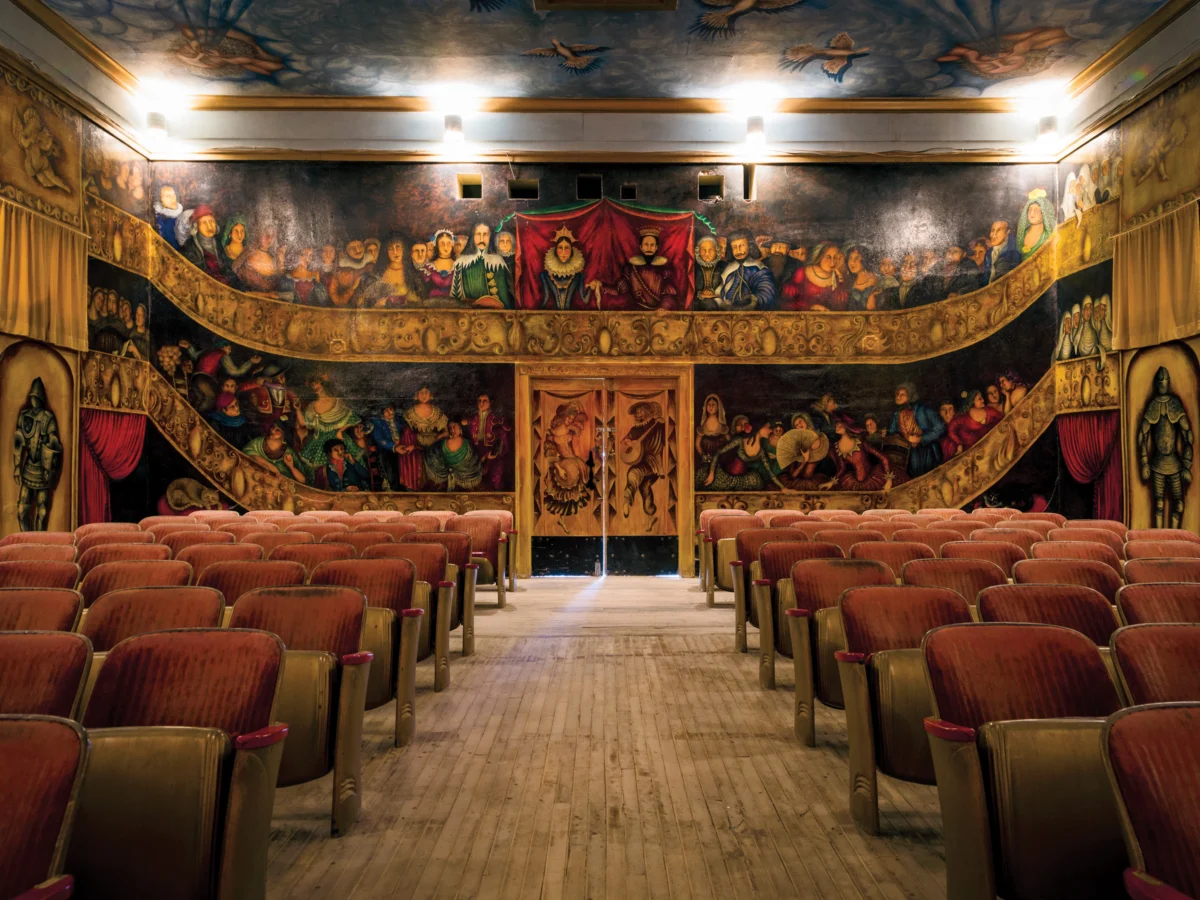
Dry mud tracks trace a path across the deep red and green carpets of the lobby of the Amargosa Hotel and Opera House, a testament to the persistent challenges of operating a historic landmark in the unforgiving landscape of Death Valley Junction, California. Hotel manager Emilee Brown, who has overseen the unique establishment since 2022, describes a daily reality of unpredictable issues, ranging from plumbing failures and flooding to crumbling adobe walls. Yet, amidst these structural battles, Brown finds profound reward in the stories shared by the guests who are drawn to this remote desert oasis, a place imbued with a rich artistic legacy. The Amargosa Opera House and Hotel, a century-old adobe structure, stands as a monument to the vision of its former proprietor, Marta Becket, whose enduring work and spirit the dedicated staff and board members are determined to preserve against the ravages of time and the elements.
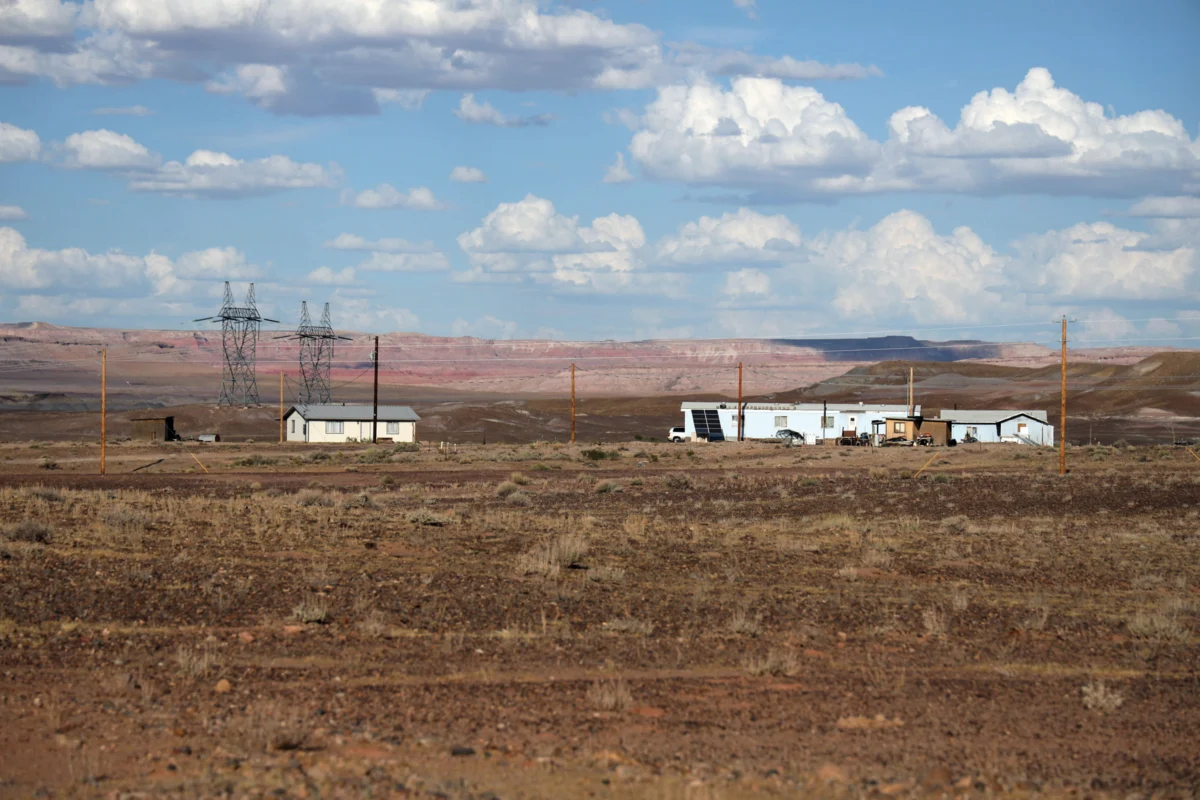
The improbable genesis of the Amargosa Opera House and Hotel dates back to 1967, when Marta Becket and her husband, Tom, found themselves in Death Valley Junction due to a flat tire. At the time, the settlement was little more than a ghost town, with only an auto shop and a gas station serving the sparse inhabitants. This desolate crossroads, however, held deep historical significance, having long served as a vital trade route for the federally recognized Timbisha Shoshone Tribe. The tribe’s ancestral lands in the desert were home to them year-round until their forced removal in the late 19th and early 20th centuries, a displacement driven by the expansion of mining operations and the establishment of Death Valley National Monument in 1933. By the 1960s, the area had largely fallen into disuse; the borax mill had relocated, the Tonopah-Tidewater railroad had been dismantled for wartime materials, and Corkhill Hall, the Spanish Colonial-style adobe complex that housed the hotel, workers’ camp, garage, and theater, had deteriorated into a state of disrepair. Situated at the edge of the Amargosa Desert, a name derived from the Spanish word for "bitter," the hotel was located in a basin notoriously vulnerable to flash floods, a threat that plagued the region then and has intensified in recent years.
Becket, a seasoned touring ballerina on a respite from her performances, caught a glimpse through the locked doors of the old adobe theater. The sight of the stage ignited an immediate passion, leading to a swift decision to lease the entire complex for a nominal sum and a handshake. This spontaneous act would irrevocably transform not only the fortunes of the ghost town but also the trajectory of Becket’s own life. Over the subsequent five decades, she dedicated herself to resurrecting the abandoned theater into a vibrant opera house and revitalizing the dilapidated hotel.

“I longed to find a place where I could dance and dance – creating a new repertoire of beauty,” Becket shared in a 1972 interview with Desert magazine. Between 1968 and 1972, Becket meticulously renovated the hotel and, with her own hands, repainted the theater’s interior. She employed a masterful trompe-l’œil technique to simulate opulent red velvet draperies and intricately carved, gilded Rococo woodwork on the stage walls. A sweeping mural adorned the adobe walls, depicting balconies populated by life-size figures from 16th-century Spain. Adding a personal touch, two of Becket’s beloved cats, one orange and one black, are immortalized curled beneath painted seats, while a celestial ceiling features clouds and cherubs against a backdrop of blue sky. In 1968, her inaugural performance graced this transformed space before an audience of just twelve.
From its reopening in 1972 until 2012, the Amargosa Opera House, as it became known, was the stage for Becket’s unwavering dedication. She performed en pointe every Friday, Saturday, and Monday night, regardless of weather or audience size, sometimes with only her cats as witnesses. The theater was conceived as a singular platform for her artistry, and her final performance, on February 12, 2012, was a poignant event. Every one of the theater’s 113 seats was filled, with standing room only in the aisles, as the 84-year-old dancer presented "The Sitting Down Show," a title reflecting her diminished physical capacity.
"The theater interior looks just the way it did when Marta painted it," remarked Fred Conboy, a board director of Amargosa Opera House Inc., the nonprofit organization Becket established in 1974 to safeguard her artistic legacy. The theater’s stage is still illuminated by lights fashioned from repurposed Folgers coffee cans. Conboy emphasized that the preservation of the murals is intrinsically linked to the structural integrity of the building itself. Becket, who passed away in 2017, succeeded in creating a cultural anomaly in an area where the permanent population had, at times, dwindled to fewer than four residents.
Since Becket’s passing, the nonprofit has continued to host occasional cultural events, including lectures and concerts. Conboy fondly recalled a performance by a tribal blues band whose music generated vibrations that "nearly peeled the paint off the walls." In February of the current year, the Opera House celebrated its 57th anniversary with a sold-out Valentine’s Day event, featuring performances by local groups like the Desert Players, who presented a variety show inspired by Becket’s distinctive artistic vision. Across the street, the original stucco garage where the Beckets experienced their fateful tire mishap remains standing. Adjacent to it, a single-room storefront, once an art gallery, now displays Becket’s theatrical costumes in its windows, their velvet bodices adorned with metallic braiding and their soft, bell-shaped tulle skirts evoking a bygone era of performance.

However, maintaining an arts complex in the harsh environment of Death Valley presents formidable challenges. The 1972 Desert magazine article already noted the area’s precarious weather, particularly the seasonal rains that posed a threat to the century-old adobe structure. In the intervening years, these challenges have been exacerbated by increasingly intense weather patterns. The region has experienced at least four "1,000-year rain events" annually since 2022, and last year’s summer monsoons resulted in flooding within the theater. The month of November 2025 marked the wettest November in 115 years for the region, with nearly an entire year’s worth of rainfall concentrated within that single month. This escalating climatic instability places Becket’s artistic legacy in peril, with the specter of closure or even structural collapse looming if significant repairs are not undertaken.
Following the extensive flooding in 2025, the hotel staff and board members, a core group of approximately five individuals, launched "Campaign Amargosa" to raise critical funds for repairs and preservation. According to Conboy, the immediate priority is addressing the aging infrastructure, including the plumbing, electrical systems, and the persistently leaky roof, which has been dislodged by high winds on multiple occasions. Private donations and contributions through Campaign Amargosa form the foundation’s secondary revenue stream, while the hotel, which operates on a razor-thin margin, remains the primary source of operating income. It serves as one of the few lodging options available for visitors to Death Valley, particularly during the spring bloom of wildflowers and in the late fall, when room occupancy reaches capacity as the holiday season approaches.
Los Angeles-based artist Patricia Fernández Carcedo, a long-time visitor who has frequented the hotel since her teenage years, cited Becket’s Amargosa project as a profoundly influential endeavor. She recounted a Thanksgiving visit where she brought friends to camp and share a meal. "A couple of bikers came through, and they knew about Amargosa; there was this sense of magic in knowing that someone could love this strange and quiet and beautiful place as much as I did," Carcedo recalled. She added, "I haven’t returned to Amargosa for a few years now, as a way of preserving my own dreams and memories of this place." Carcedo reflected, "Standing at a junction, the site of Marta’s Opera House will always be part of the desert’s very layered and complex historical landscape. It feels very important to remember Marta as an artist and visionary whose life was unpredictable in many ways."
The precarious state of the Amargosa Opera House and Hotel serves as a poignant metaphor for the challenges facing arts funding in the United States today, particularly in rural communities. This delicately appointed adobe arts complex, slowly yielding to the relentless forces of nature, is sustained by the tireless efforts of a dedicated team striving to prevent its dissolution back into the surrounding desert landscape. Even Becket herself acknowledged the perpetual struggle inherent in preserving her extraordinary dream. "Even if it’s torn down tomorrow, no one can take away the hours of joy I spent painting it," she stated in the 2000 documentary Amargosa, her eyes reflecting the desert light. "It’s the experience that matters."

Within the hotel lobby, a mural painted by Becket presciently depicts the potential future of the town. It portrays a sun-drenched desert framed by a painted archway, as if the wall itself opens onto the vast landscape beyond. Sparse shrubs dot the sandy floor of the Death Valley desert, while the low, colonnaded ruins of the Amargosa complex stretch inward from either side, their repeating arches casting long, rhythmic shadows. Soft brown swirls evoke the powerful winds that sweep across the valley. In the distance, silhouetted against the Black Mountain range to the west, a ghostly figure of Becket, clad in her signature tulle ballet skirt, spirals into the sky, a lasting artistic echo of her indomitable spirit.