

 Joko Susilo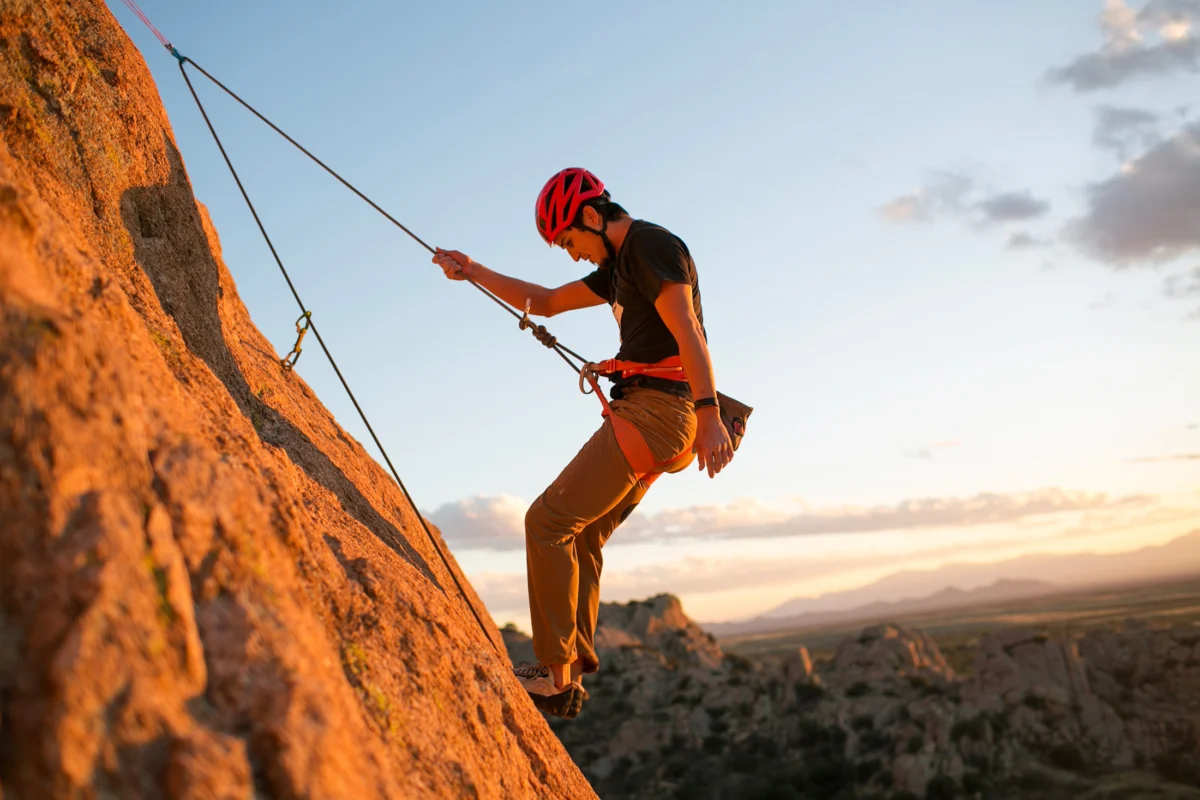
A decades-long, deeply philosophical debate concerning the appropriate management of rock climbing in the nation’s most pristine wilderness areas appears to be nearing a critical juncture as federal land-management agencies, including the U.S. Forest Service, National Park Service, Bureau of Land Management, and Fish and Wildlife Service, released a comprehensive draft guidance in mid-June. This directive specifically addresses the contentious use of permanent anchors—essential metal points of attachment for climbing ropes—within designated wilderness, a move mandated by Congress’s landmark 2025 Protecting America’s Rock Climbing (PARC) Act. The legislation sought to clarify the legal status of an activity that, while deeply embedded in the culture of outdoor recreation, has long existed in a grey area under the stringent regulations of the Wilderness Act.
At the heart of the controversy lies the fundamental tension between preserving the "untrammeled" character of wilderness, as enshrined by the 1964 Wilderness Act, and accommodating human recreational pursuits. The Wilderness Act, a cornerstone of American conservation, generally prohibits permanent infrastructure, mechanical transport, and commercial enterprises to maintain areas "where the earth and its community of life are untrammeled by man, where man himself is a visitor who does not remain." Yet, rock climbing has been a popular, and often pioneering, activity in many of these areas for decades, frequently predating their official wilderness designation. This historical presence creates a complex legacy, with climbers arguing for continued access and the recognition of their traditional practices.

For climbers, fixed anchors are not merely conveniences but crucial safety components. When ascending a sheer rock face, climbers periodically place protective devices to secure their ropes, ensuring a safe catch in the event of a fall. Upon reaching the summit or the end of a pitch, these anchors are also vital for safely rappelling back down. While some protective gear, such as spring-loaded cams or removable nuts, can be placed in natural cracks and later retrieved, many routes, especially those on smooth, featureless rock, offer no such options. In these scenarios, climbers must drill bolts directly into the rock to attach metal hangers, or hammer in pitons—small, spiked pieces of metal with a loop—into narrow fissures. Additionally, fixed ropes or slings might be installed around natural features like sturdy boulders or trees to create robust, redundant rappel stations, which are often left in place for subsequent use, thereby becoming permanent fixtures. These fixed elements are indispensable for safety on many challenging routes, particularly in modern sport climbing, and their removal would render countless established climbs inaccessible or dangerously impractical.
The recently proposed rules for these permanent fixtures demonstrate a nuanced, agency-specific approach, reflecting the diverse mandates and management philosophies across the federal landscape. The National Park Service, known for its stricter preservation ethos, would require climbers to obtain special-use permits or broad permission from a park superintendent before installing any new bolts. This reflects a more centralized control and a higher bar for introducing new permanent features. In contrast, the Bureau of Land Management, which manages vast tracts of multi-use public lands, offers a more lenient stance, allowing climbers to place a small number of bolts without explicit prior authorization, acknowledging the dispersed nature of climbing on its lands. The U.S. Forest Service, which oversees approximately half of the country’s public-land climbing opportunities, directs its local offices to collaborate directly with climbers and established climbing organizations. This localized approach aims to develop tailored management plans for both wilderness and non-wilderness climbing areas, fostering a cooperative model that recognizes the expertise and stewardship of the climbing community. Erik Murdock, deputy director of programs, policy and government affairs at the Access Fund, a prominent nonprofit dedicated to climbing access and environmental conservation, characterized these diverse policies as "overall workable," despite some minor points of contention from the climbing community. He emphasized that the guidance helps solidify climbers’ legitimate place within the intricate tapestry of wilderness users.
However, these new guidelines have not been universally welcomed. Wilderness advocates express profound concern that the framework too loosely regulates activities that fundamentally contradict the spirit and letter of the Wilderness Act. Dana Johnson, policy director with the Montana-based environmental nonprofit Wilderness Watch, articulates a significant worry regarding the capacity of land management agencies to effectively implement and monitor these new regulations. She points to a troubling trend within several Forest Service regional offices, which have reportedly suffered substantial losses in wilderness staff over the past 18 months due to deferred resignations and budget cuts initiated by the now-defunct Department of Government Efficiency (DOGE). This depletion of personnel, Johnson argues, leaves these offices ill-equipped to develop and oversee the new management plans, or to adequately monitor existing and new climbing routes containing permanent anchors. Her apprehension extends to the broader ecological implications, stating, "We’re squeezing wildlife into smaller and smaller pockets of protected space, and we have a lot of people waiting in line for more access." The fear is that a lack of oversight could lead to a "climbing free-for-all," irrevocably altering the wild character of these irreplaceable landscapes.

These concerns echo sentiments previously held within the Biden administration. In 2023, the administration had proposed a national directive aimed at prohibiting all new fixed anchors in wilderness areas and mandating a review of existing climbing routes. This proposal stemmed from growing fears that increasing overcrowding and the proliferation of permanent bolts were causing unacceptable damage to protected environments. However, the political landscape shifted significantly two years later with the passage of the PARC Act. This congressional intervention effectively reversed the administration’s proposed course, legislatively codifying recreational climbing—including the use, placement, and maintenance of fixed anchors—as an appropriate and legitimate activity within wilderness areas. The PARC Act thus represents a pivotal moment, re-establishing climbing’s legal standing in these cherished landscapes.
Beyond the specific debate over fixed anchors, some argue that the focus on this singular issue distracts from a more pervasive challenge facing wilderness areas: overall recreational impact. Zach Lentsch, owner of Wyoming Mountain Guides, a company that frequently guides clients through designated wilderness, contends that hikers, backpackers, and other "quiet recreationists" contribute significantly to wilderness overcrowding and its associated environmental degradation. He cites alarming examples, such as Lonesome Lake near Wyoming’s renowned Cirque of the Towers in the Wind River Range, which has shown dangerous levels of E. coli contamination primarily from improperly managed human waste. Lentsch argues that a narrow ban on fixed anchors would do little to solve such systemic problems. Instead, he advocates for a more holistic approach, urging agencies to collaborate with all wilderness users to establish comprehensive permit systems where necessary to limit overall use, and to mandate practices like the use of specialized bags for containing and packing out human feces. He underscores a crucial aspect of climbing ethics, stating, "If you’re not a climber, it might seem like climbers are going out there willy-nilly and putting ugly hardware into the walls. There are plenty of places in the wilderness where you don’t need a fixed anchor, and typically the ethic has been if you don’t need a fixed anchor, you don’t bring one." This sentiment aligns with broader "Leave No Trace" principles, emphasizing minimal impact.
The debate over fixed anchors in U.S. wilderness areas is not unique; similar challenges are faced globally in managing recreational activities within protected natural environments, from the Patagonian Andes to the European Alps. Many nations grapple with balancing growing outdoor recreation tourism, its economic benefits, and the imperative of ecological preservation. The public comment period for the Forest Service proposal concluded on July 20, while those for the National Park Service, Bureau of Land Management, and Fish and Wildlife Service are set to end on August 14. The outcomes of these consultations will shape the future of rock climbing in America’s wilderness, representing a delicate negotiation between safety, access, historical practice, and the enduring vision of untouched nature.







