Rocky Gerung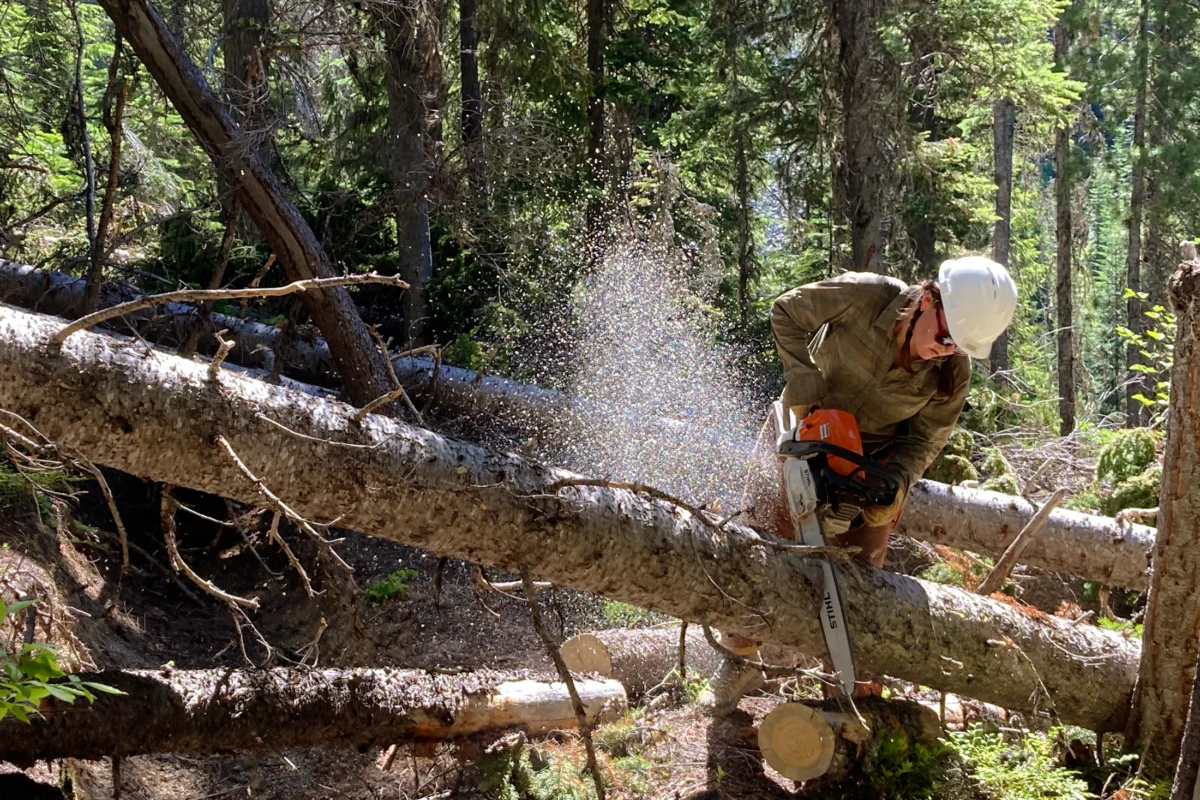
The debate over motorized equipment in federally designated wilderness areas has intensified, particularly concerning the use of chainsaws for trail maintenance. While the iconic image of wilderness often evokes untouched solitude, the practical realities of managing these vast landscapes, especially in the face of accelerating climate change, are forcing a re-evaluation of long-held regulations. For years, trail crews have meticulously cleared fallen trees from backcountry paths using traditional crosscut saws, a laborious process that often prompts curious hikers to question why more efficient tools are not employed. The answer lies in the stringent protections afforded by the 1964 Wilderness Act, which defines wilderness not just as a feeling of remoteness but as a legal designation for areas of 5,000 or more contiguous roadless acres. These legally protected zones are characterized by opportunities for solitude, unconfined recreation, and a strict absence of permanent human-made improvements, thereby limiting activities to preserve their pristine character.
Recently, a decision by the U.S. Forest Service to permit the use of chainsaws for a limited trail clearing project in Idaho’s Frank Church-River of No Return Wilderness ignited a firestorm among some wilderness advocacy groups. These critics voiced concerns that such a concession would erode established protections and suggested the agency was yielding to the influence of special-interest organizations. However, this perspective often overlooks the voices of experienced trail workers, professionals who have dedicated years to the demanding task of maintaining these wild spaces. These individuals are on the front lines, directly confronting the escalating impacts of climate change and chronic federal budget limitations on their ability to steward these lands. Their lived experience and practical needs for greater flexibility in tool usage, specifically regarding chainsaws, have largely been absent from the public discourse surrounding this issue.

One seasoned trail worker, who spent eight years on crews in Washington’s fire-prone Cascade Range, recounted the Sisyphean task of clearing downed timber from trails. Their district alone encompassed over 700 miles of trails, nearly half of which fell within designated wilderness. The sheer volume of fallen trees, exacerbated by increasingly frequent and intense wildfires, presented a formidable challenge. A single wildfire can litter a mile of trail with scores, even hundreds, of dead trees, and this accumulation continues for years, if not decades. Beyond wildfires, other climate-driven phenomena such as widespread bark beetle infestations, heavier snowpacks, and severe wind events contribute significantly to the buildup of deadfall. Even with dedicated crews of four to five people, supplemented by dozens of volunteers each season, the team could only manage to clear approximately half of their district’s trail mileage. Districts with fewer resources or no dedicated crews were inevitably able to accomplish far less.
The consequences of impassable and unsafe trails extend beyond mere inconvenience, posing serious risks to backcountry evacuations, hindering critical fire management operations, and impeding vital scientific monitoring efforts. Furthermore, these obstructed pathways act as barriers to public access, thereby stifling the growth of a diverse community of wilderness enthusiasts and advocates. This diversification is crucial, especially now, as the need for broad support for wilderness preservation grows. Trail workers are fundamentally committed to ensuring public lands remain accessible, a core tenet of their profession. The Wilderness Act itself mandates that wilderness areas be administered "for the use and enjoyment of the American people," a phrase emphasized multiple times within the legislation. Yet, experiencing and appreciating wilderness becomes exceedingly difficult when access is severely restricted, underscoring the importance of maintaining navigable trails.
The personal toll on trail workers engaged in clearing large downed trees with crosscut saws is considerable. The repetitive, physically demanding labor over many years can lead to chronic physical ailments and a sense of demoralization. This reality has led many to question the efficacy of a strict, no-exceptions ban on chainsaws within wilderness areas. While a crosscut saw requires minutes, even hours, to fell a substantial tree, a chainsaw can accomplish the same task in mere seconds. This stark difference in efficiency not only saves significant physical exertion but also reduces the prolonged exposure of sawyers to potential hazards, such as falling snags. In the context of contemporary forests, characterized by an abundance of deadfall and often limited staffing, the absolute prohibition of chainsaws can be seen as a performative gesture that, paradoxically, contributes to the degradation of wilderness rather than its preservation.

Effective wilderness access, proponents argue, requires a dual approach: robust, well-compensated trail crews and the judicious, targeted use of chainsaws. It is noteworthy that the word "chainsaw" does not appear in the original Wilderness Act. Instead, Section 4(c) broadly prohibits "motorized equipment" except when "necessary to meet minimum requirements for the administration of the area." The National Park Service, for instance, has long recognized trail maintenance as a minimum requirement and permits its wilderness trail crews to utilize chainsaws. Given the current proliferation of deadfall overwhelming trails in national forests, many believe it is time for the Forest Service to adopt a similar, more pragmatic approach.
Even with a fully staffed complement of ranger districts across the western United States next year, the ongoing challenges posed by falling trees, wildfires, and other natural events mean that crews would likely remain in a perpetual state of catch-up. The integration of chainsaws could help to rebalance this workload, making it more manageable and effective.
When the author began working for the Forest Service in 2016, their district had already ceased maintaining over a dozen less-trafficked wilderness trails. A decade later, the focus has shifted to preserving access to major routes that serve as gateways to entire backcountry zones and vital sections of long-distance trails like the Pacific Crest Trail. The abandonment of these trails would inevitably lead to increased pressure on already overcrowded areas such as the Enchantments or heavily visited national parks like Mount Rainier. In the Frank Church Wilderness, the epicenter of the recent chainsaw debate, numerous airstrips and private ranches that predate the Wilderness Act still accommodate fly-in visitors, highlighting a different model of access. Trails, however, offer a more equitable and affordable means for the public to experience wilderness, provided they can be kept open and passable.

Modern advancements in battery-powered chainsaws offer a quieter and more environmentally friendly alternative to traditional gasoline-powered models. Furthermore, encounters with trail crews on backcountry paths are reportedly rare, significantly diminishing the likelihood of hikers even hearing a chainsaw. The primary observable outcome of allowing chainsaws for necessary trail maintenance would be the restoration and upkeep of miles of safe and accessible trails, thereby fostering greater opportunities for the public to experience, appreciate, and ultimately champion the preservation of these invaluable wild places.