Joko Susilo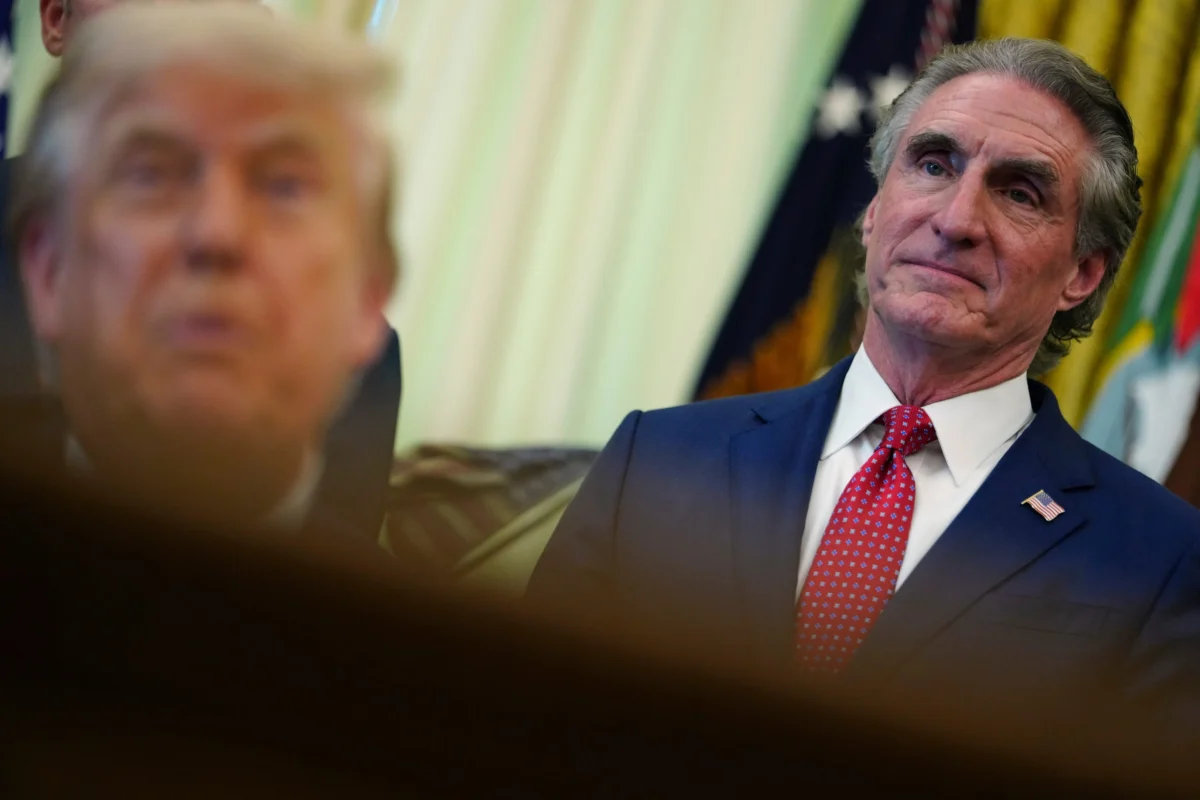
On September 14, the U.S. Fish and Wildlife Service (FWS) issued an internal directive that drastically reinterprets the scope of the Endangered Species Act (ESA), effectively legalizing the accidental killing of protected wildlife and signaling a profound shift in federal conservation policy. This controversial memo narrows the definition of "take" – a cornerstone prohibition of the ESA against harming, harassing, or killing endangered species – to exclude unintentional acts, as long as the action was not "intentionally directed against a particular animal or animals." Critics argue this move systematically weakens one of the nation’s most critical environmental statutes, potentially opening the door for industrial activities to decimate vulnerable populations without legal consequence. For instance, while hunting a critically endangered peregrine falcon would remain illegal, a timber company could, under this new interpretation, inadvertently destroy an entire falcon nest during logging operations, or an energy firm could wipe out a unique fish species through an oil spill, all without facing legal repercussions for the "take" of these protected animals.

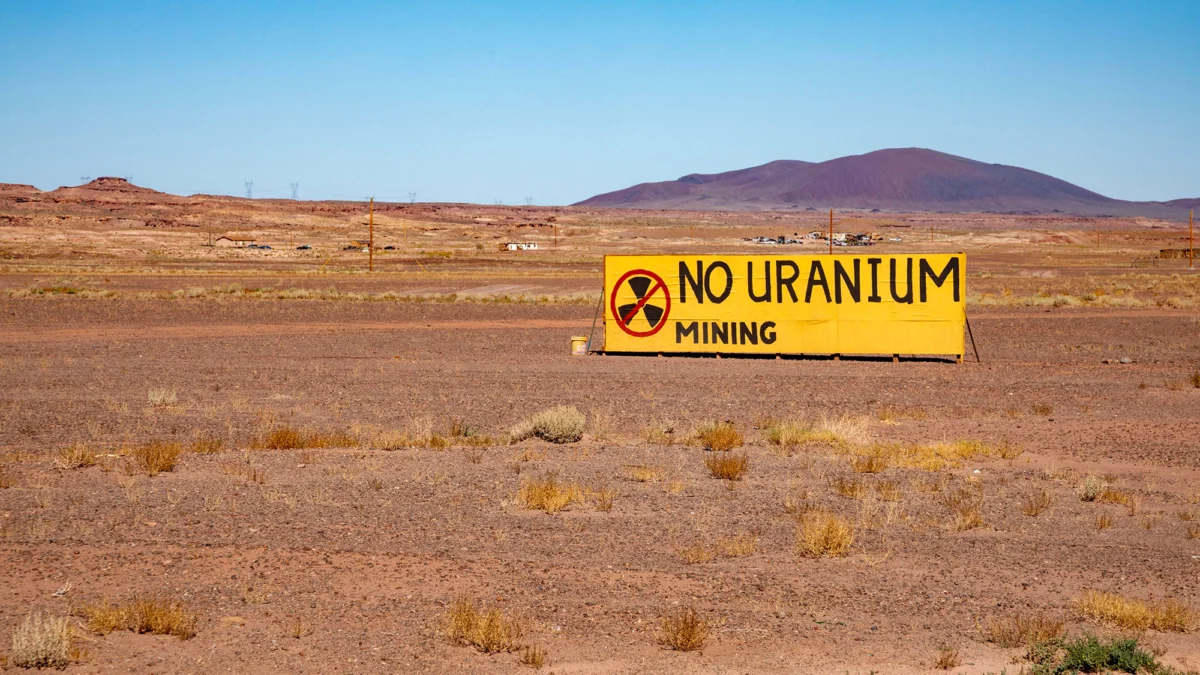
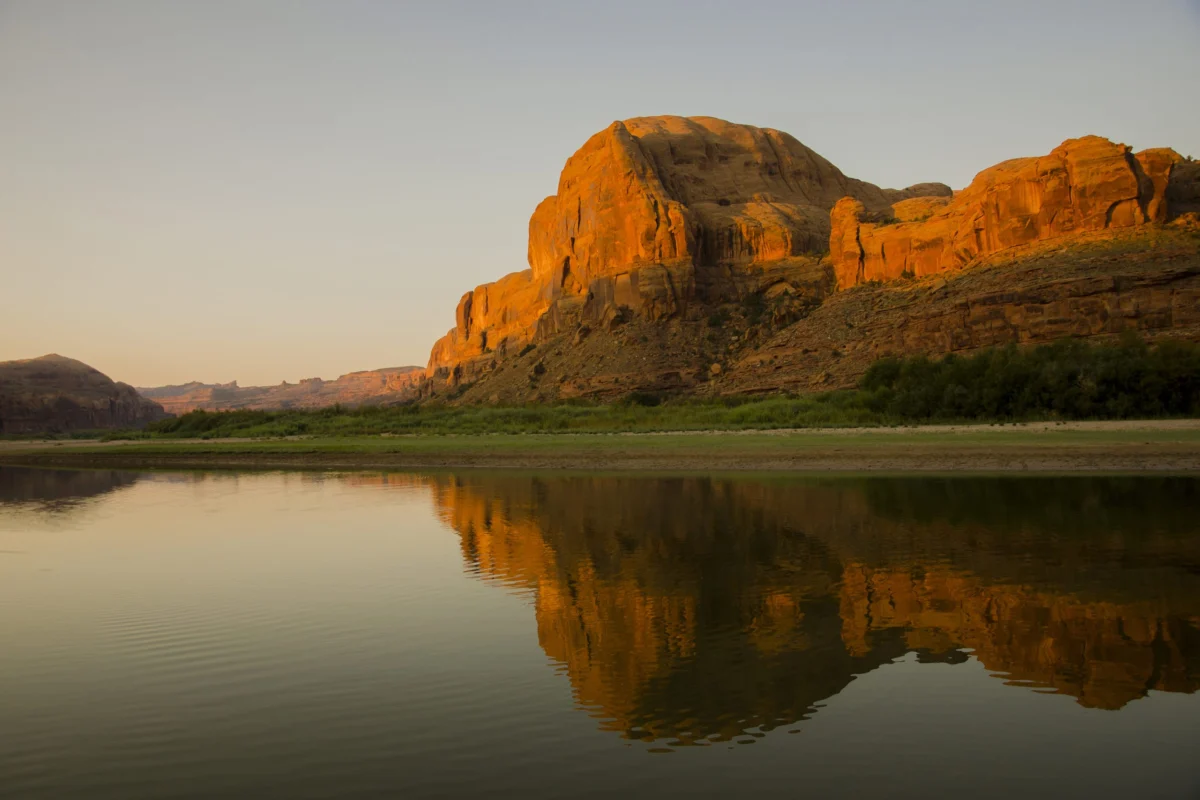
This latest regulatory maneuver bears the distinct hallmarks of Interior Secretary Doug Burgum’s tenure, which has quickly become synonymous with aggressive environmental deregulation. Since his confirmation, Burgum has presided over a series of actions that have significantly rolled back environmental protections and expanded resource extraction across America’s vast public lands. His record includes the contentious reduction of approximately three million acres from the Bears Ears and Grand Staircase-Escalante national monuments in Utah, areas rich in archaeological treasures and ecological diversity. Furthermore, Burgum has greenlit extensive oil and gas drilling in sensitive Arctic wildlands, streamlined the permitting processes for uranium mining and fossil fuel projects, and controversially approved data centers on public lands with minimal to no public consultation. This pattern of decisions has led many to characterize him as one of the most environmentally detrimental Interior Secretaries in U.S. history, placing him in the company of figures like James Watt, Gale Norton, and Albert B. Fall, whose legacies are marked by fierce opposition from conservation groups.
Yet, Burgum’s appointment during the outset of Trump’s second term initially presented a paradox for some environmental observers. A segment of the conservation community viewed him as a potential outlier, a pragmatic, old-school Western Republican in the mold of Theodore Roosevelt, an admiration Burgum himself claimed. In January 2025, the Outdoor Recreation Roundtable, a powerful coalition representing outdoor-oriented businesses and organizations, publicly endorsed his nomination. Their letter lauded Burgum’s "history of support for outdoor recreation, the outdoor recreation economy, and the protection of public lands and waters," deeming his leadership "critical." This unexpected support stemmed largely from his record as North Dakota’s governor, where he had pledged to achieve carbon neutrality for the oil-rich state by 2030 through a combination of renewable energy development and carbon capture technologies. His perceived pragmatism and commitment to a diversified energy future resonated with groups seeking common ground between economic development and environmental stewardship.

The U.S. Senate subsequently confirmed Burgum with a significant bipartisan majority, an 80-to-17 vote that included support from several conservation-minded Democratic senators representing states like New Mexico, Colorado, Nevada, and Arizona. These lawmakers and advocacy groups likely saw Burgum’s stated goals and background as a welcome contrast to more confrontational nominees. However, a deeper examination of his gubernatorial record revealed a more complex and, for many, troubling picture. While promoting carbon neutrality, he staunchly backed a contentious carbon dioxide pipeline project championed by Continental Resources, a major oil and gas company founded by his close associate, Harold Hamm. Moreover, Burgum supported severe measures to suppress protests against the Dakota Access Pipeline, issuing evacuation orders and signing legislation that effectively criminalized dissent. These actions were followed by substantial campaign donations to his 2020 re-election efforts from Energy Transfer, the company behind the pipeline, raising concerns about undue corporate influence.
During his confirmation hearing, Burgum candidly articulated his vision for managing the Interior Department, framing it through a distinctly business-oriented lens. He spoke of the "trillions of dollars of assets" – a clear reference to natural resources – lying beneath the nation’s public lands, describing them as "the balance sheet of America." His assertion that "if we were a company, they would look at us and say, ‘Wow, you are really restricting your balance sheet’" alarmed environmentally focused lawmakers who viewed public lands as a public trust, not merely exploitable commodities. While he attempted to assuage fears by adding that his "public land balance sheets" would exclude wilderness areas, national parks, and "those areas we have to absolutely protect for their precious stuff," the underlying philosophy underscored a preference for resource extraction over preservation.

Initially, some held out hope that Burgum might temper his extractive impulses, especially concerning the "precious places" he mentioned. However, immediately upon assuming office, he became a fervent advocate for the previous administration’s "energy dominance" agenda. Under his direction, the Bureau of Land Management (BLM) dramatically increased the acreage leased to oil and gas companies, issuing drilling permits at a rate not seen since the George W. Bush administration. His department notoriously fast-tracked the entire environmental review and permitting process for a Utah uranium mine, reducing it to a mere two weeks. These actions were part of a broader wave of regulatory rollbacks, including a significant redefinition of "take" under the Migratory Bird Treaty Act, a move that echoed the recent FWS memo regarding the ESA. The rapid and extensive nature of these policy shifts prompted REI CEO Mary Beth Laughton to publicly retract the company’s earlier endorsement, acknowledging that Burgum’s actions diverged sharply from their conservation values.
As his tenure progressed, it became unequivocally clear that the "precious" designation Burgum once used for protected areas held little sway against the powerful currents of political ambition and corporate interest. His primary allegiances appeared to lie with securing the support of corporate allies, solidifying the backing of a particular political base, and, most importantly, maintaining the approval of the President. In an astonishingly short period, Secretary Burgum systematically dismantled crucial environmental safeguards, leaving America’s irreplaceable public lands increasingly vulnerable to unchecked corporate exploitation and resource extraction.

Ironically, even when judged by his own "pro-business" metrics, Burgum’s leadership has demonstrated profound shortcomings. He demonstrably harmed the nation’s "balance sheet" by actively obstructing the development of solar and onshore wind projects, a move that stifled growth in burgeoning clean energy sectors. Furthermore, his department paid offshore wind companies to abandon federal leases, effectively sacrificing future renewable energy potential and associated revenue streams. The controversial "Public Lands Rule," designed to elevate conservation as a co-equal use alongside development on BLM lands, was swiftly rescinded, undermining a balanced approach to land management. Financially, his administration cut royalty rates on oil and gas leases, directly reducing the revenue generated for the federal government and taxpayers from these public resources. He also gutted methane emissions limits on oil and gas facilities, allowing drillers to release this potent greenhouse gas and other pollutants into the atmosphere. This not only exacerbated climate change but also represented a tangible loss of valuable natural gas – a clear "asset" in his own terminology – worth millions of dollars. Moreover, his push to expand public-lands grazing, a practice that historically operates at a financial loss for the government, charging less than $2 per month for a cow to consume public forage, highlights a consistent pattern of prioritizing specific industries at the expense of fiscal responsibility and ecological health.
Beyond these policy changes, Secretary Burgum has served as a central figure in advancing high-profile, often ostentatious projects championed by the President. He has been instrumental in diverting tens of millions of dollars from the vital budgets of the country’s "precious" national parks into projects criticized as "dictator kitsch," including the development of a ballroom and a triumphal arch, as well as managing the highly publicized reflecting pool renovation debacle. These expenditures raise serious questions about the appropriate use of public funds intended for park maintenance, visitor services, and ecological preservation.

Ultimately, Burgum’s early promises to protect "precious places" proved hollow. He moved to eliminate the Biden-era ban on new oil and gas leases around Chaco Culture National Historical Park, a UNESCO World Heritage site of immense cultural and historical significance. In addition to shrinking Bears Ears and Grand Staircase-Escalante, he controversially dissolved the Intertribal Bears Ears Commission, a direct blow to tribal sovereignty and co-management efforts that had been years in the making. The new, reduced boundaries for these monuments went into effect on September 11, and within a week, at least 13 new mining claims were filed in Bears Ears alone, illustrating the immediate and tangible impact of these policy reversals. Less than two years into his tenure, it has become evident that Secretary Burgum is not merely an ideologue but a shrewd opportunist willing to compromise integrity and sacrifice the nation’s public lands for political gain and the benefit of allied corporate interests. His actions have not only failed the mandate of environmental and wildlife stewardship but also demonstrated a questionable approach to economic management of public resources. History will ultimately judge the full extent of his legacy, but his tenure already stands as one of the most profoundly disappointing for environmental advocates and a stark warning for the future of conservation in the United States.