Rocky Georgio
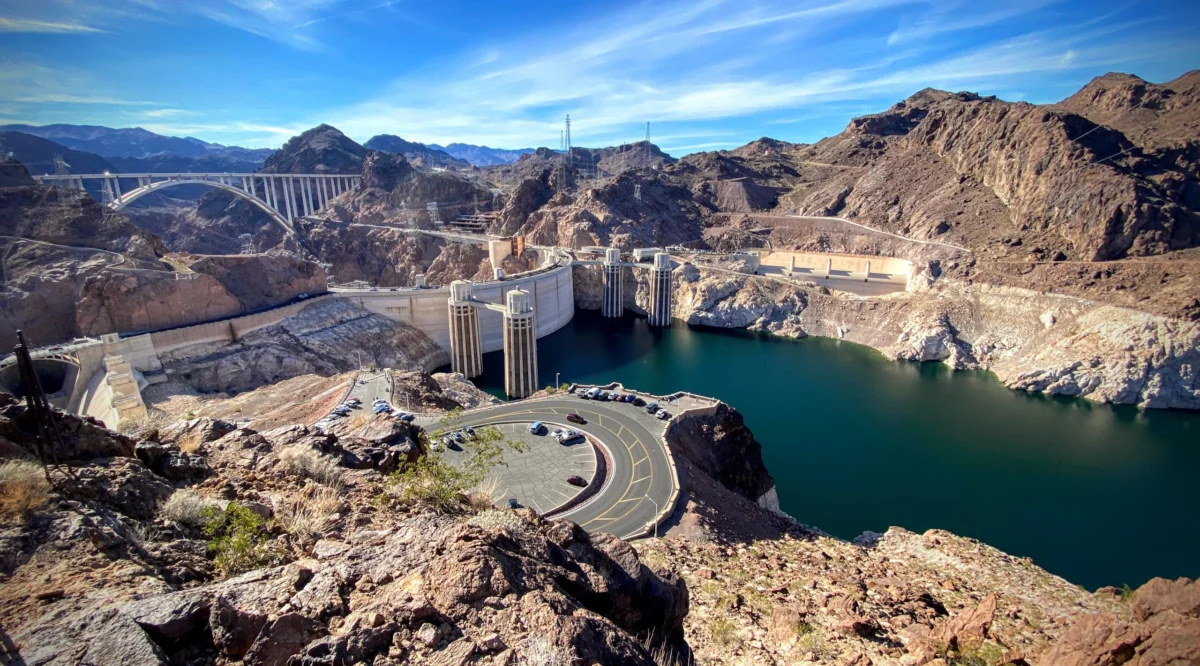
Arizona is officially entering the legal arena to challenge a federal water management plan for the Colorado River, a move that could significantly impact the state’s water allocation and its economy. The Arizona Department of Water Resources filed a motion Friday to intervene in a lawsuit previously initiated by Nevada, asserting that the federal government’s ten-year strategy for the increasingly strained river system would "devastate Arizona’s economy." State officials argue that the survival of Arizona’s towns, cities, tribal nations, agricultural sector, and industrial base is inextricably linked to a reliable supply of Colorado River water.
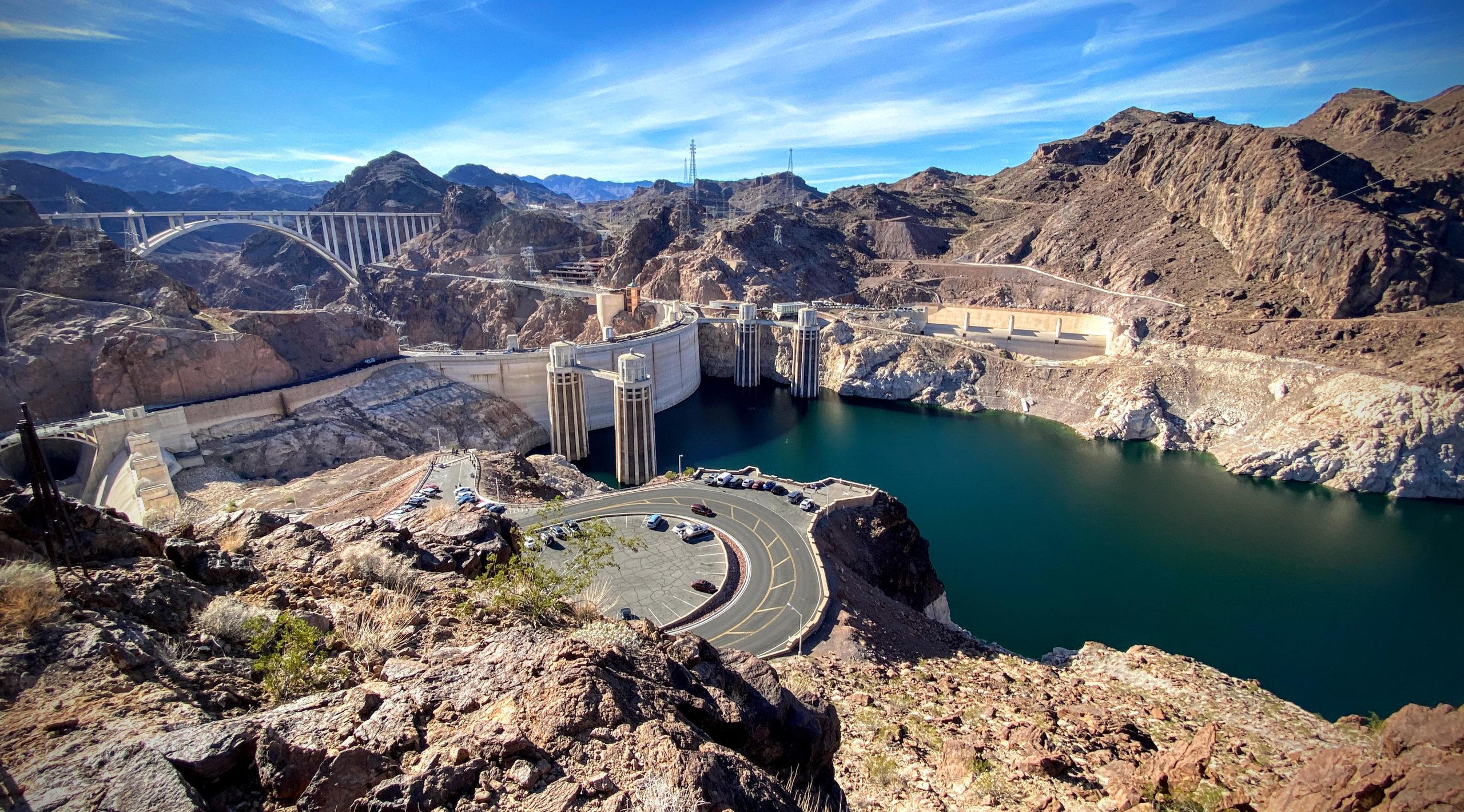
The genesis of this legal conflict lies in a lawsuit filed by Nevada in late August against several federal agencies. Nevada contends that the government’s plan disproportionately burdens the Lower Basin states. The Colorado River, a vital water source for an estimated 40 million people across seven U.S. states and parts of Mexico, has been in sharp decline. This reduction in flow is attributed to a confluence of factors: accelerating climate change, which diminishes snowpack and subsequent runoff into the river’s crucial reservoirs like Lake Mead and Lake Powell, and a foundational issue stemming from mid-20th-century water agreements that promised more water than the river can sustainably provide. With the seven basin states unable to reach a consensus on a collaborative management strategy, the federal government stepped in to implement a plan aimed at recalibrating water withdrawals with the river’s dwindling supply.
Both Arizona and Nevada are arguing that they have already made substantial efforts to conserve water and that the current federal plan unfairly targets them. Tom Buschatzke, Director of the Arizona Department of Water Resources, stated in an October 16th release that "The Lower Basin states have contributed millions of acre-feet of water toward stabilizing the river system." He highlighted Arizona’s significant sacrifices, noting that "With more than 5.5 million acre-feet of Arizona water left in Lake Mead since 2014, no state has sacrificed more." Buschatzke further criticized the federal decision for placing "the entire burden of sacrifice on the shoulders of three states," and declared Arizona’s intention to "join Nevada in challenging that framework."
The Colorado River system is geographically divided into the Upper Basin states – Colorado, New Mexico, Utah, and Wyoming – and the Lower Basin states – Arizona, Nevada, and California. The foundational legal framework governing water distribution is the 1922 Colorado River Compact, which originally allocated 7.5 million acre-feet of water annually to each basin, along with a smaller allocation for Mexico. These basin-wide allocations are then further divided among the individual states within each basin. To contextualize these volumes, one acre-foot of water is equivalent to approximately 325,851 gallons, enough to cover an acre of land with one foot of water. In Arizona, a single acre-foot is estimated to be sufficient to serve three single-family homes for an entire year.
California, as the largest consumer and with earlier water rights, receives the most substantial portion of Colorado River water, with an annual allocation of 4.4 million acre-feet, representing roughly 27% of the total. Arizona’s share is 2.8 million acre-feet annually, approximately 17% of the total, while Nevada receives a significantly smaller allocation of 300,000 acre-feet, about 2% of the total. These allocations are based on historical agreements and analyses, including those from Congressional reports and California public policy research.
The U.S. Bureau of Reclamation’s current plan mandates that the Lower Basin states absorb the brunt of the required water cuts. For Arizona, this translates to a potential reduction of 760,000 acre-feet per year, which constitutes nearly a quarter of its allocated water and represents the most substantial cut among the three Lower Basin states. California faces a proposed reduction of 440,000 acre-feet annually, and Nevada, 50,000 acre-feet. Cumulatively, these proposed cuts for the Lower Basin could reach up to 3 million acre-feet. In contrast, the federal government is not imposing mandatory cuts on the Upper Basin states. Instead, it is requesting voluntary contributions of 200,000 acre-feet from each Upper Basin state over a two-year period.
Arizona Governor Katie Hobbs voiced strong opposition to the federal plan, stating on Friday that "Arizona has always been willing to do our part to protect the Colorado River, but we will not accept a forced federal plan that solves this crisis on the backs of our families, farmers, and businesses."
The Department of the Interior, however, has criticized Arizona’s legal maneuver. A spokesperson for the Department stated that "Governor Hobbs is wrong, and it’s unfortunate to see Arizona playing politics instead of working toward meaningful solutions." The department emphasized that "Litigation won’t create a single additional drop of water or change the hydrologic realities facing the Colorado River Basin," and affirmed that it is actively working with basin states, tribes, and water users toward an agreement.
In its legal complaint filed alongside the motion to join Nevada’s lawsuit, Arizona asserts that the federal government’s environmental review process underpinning the decision was flawed. The state claims that every federal alternative considered "assumed that the Upper Basin States would make no meaningful reduction in their own use, no matter how little water the River produced." Consequently, the complaint argues, "The alternatives placed the full burden of any resulting shortfall on the Lower Basin."
Understanding Western water law is crucial to appreciating the complexities of this dispute. Water rights in the western United States are historically governed by the "first in time, first in right" doctrine. This principle prioritizes those who were the first to claim or purchase rights to river water, placing them ahead of later water users. This historical ordering means that Arizona’s Colorado River rights are considered lower in priority than California’s, which were established earlier. This prioritization is a significant factor in how water scarcity is managed and distributed.
Director Buschatzke elaborated on the potential ramifications for Arizona, warning that such reductions "could effectively dry up the Central Arizona Project canal system, as well as many of our on-river communities and would more than double the water cuts agreed to in the Lower Basin Agreement." The Central Arizona Project (CAP) is a critical 336-mile canal system that delivers Colorado River water to central and southern Arizona, serving millions of people and irrigating vast agricultural lands.
Nevada’s lawsuit, filed just three days before the U.S. Department of the Interior formally announced its Colorado River plan in August, argued that the proposed cuts would inflict "devastating environmental, socioeconomic, and health and human safety impacts to southern Nevada and its citizens." The lawsuit also asserts that the federal plan contravenes several provisions within the "Law of the River," a complex body of agreements, treaties, laws, and court decisions that collectively govern the management of the Colorado River.
Nevada Governor Joe Lombardo welcomed Arizona’s decision to join the legal challenge, describing it as "an important step in challenging a federal plan that unfairly burdens the Lower Basin and fails to require the Upper Basin to make meaningful reductions." Arizona’s strategy in joining Nevada’s existing lawsuit is to streamline legal efforts, avoiding the need to file a separate, though similar, lawsuit. This approach allows the state to effectively advocate for its own interests within the ongoing legal proceedings. "Arizona believes that taking this action now provides the best path forward for protecting Arizona water users," Buschatzke concluded. The unfolding legal battle underscores the profound challenges facing the Colorado River Basin, a region grappling with the existential threat of diminishing water resources in an era of increasing demand and a changing climate.