Rocky Gerung
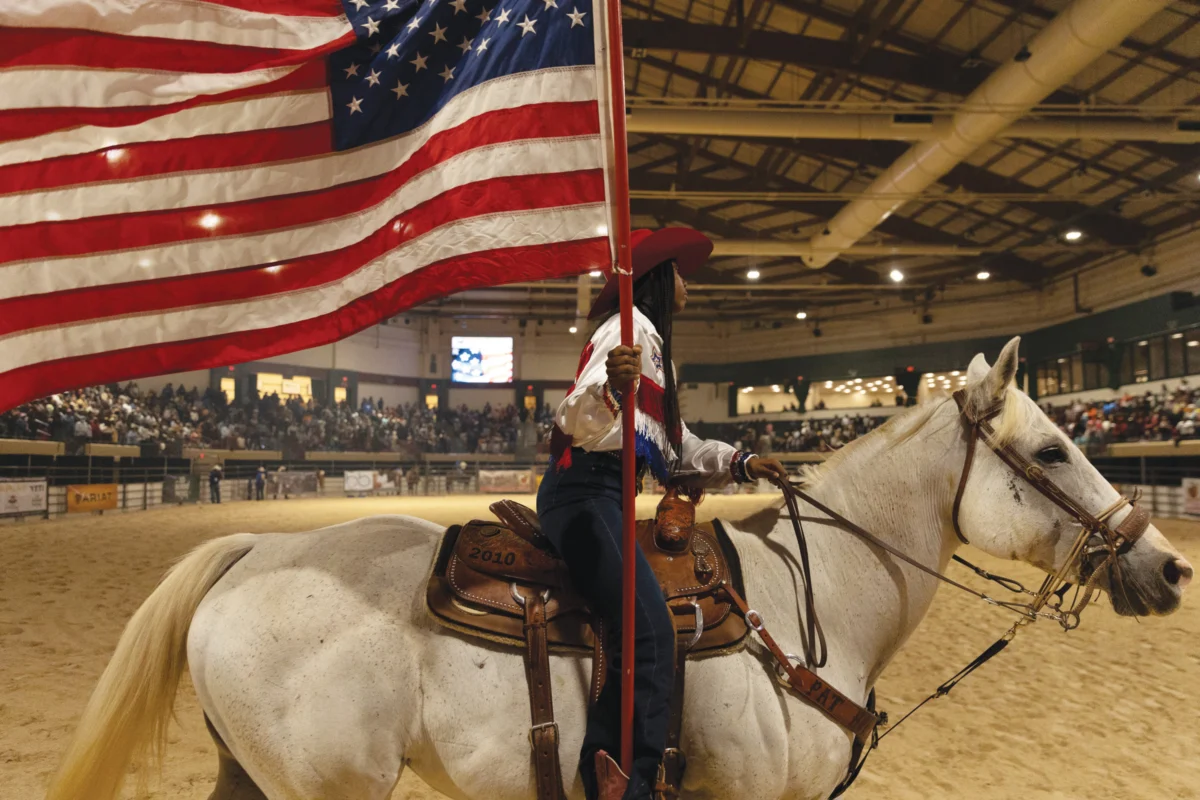
The recent three-part docuseries, "High Horse: The Black Cowboy," resonated deeply, offering a powerful and overdue exploration of the integral role Black individuals have played in the American West. The series masterfully weaves together compelling archival footage and photographs with contemporary scenes of Black cowboy life, charting a course through film, music, and marketing history to reveal how the popular narrative of the West has often been selectively curated, omitting essential contributions.
Executive produced by Jordan Peele’s Monkeypaw Productions and directed by independent filmmaker Jason Perez, a protégé of Spike Lee, "High Horse" avoids treating Black cowboys as a mere footnote. Instead, it constructs a clear lineage, beginning with the skilled labor of formerly enslaved people who expertly handled horses and cattle, moving through the era when Black jockeys dominated horse racing, and arriving at the present-day riders, ranchers, and entrepreneurs who continue this rich legacy. The documentary succeeds in keeping this history alive and relevant without resorting to didacticism, allowing the visuals and narratives to speak for themselves.
A particularly strong aspect of "High Horse" is its deliberate focus on the tangible realities of horsemanship: the rider’s posture, the subtle cues of their hands, and the sheer dedication of countless hours spent in practice. For anyone familiar with riding, these elements are immediately recognizable. A horse, by its nature, is indifferent to human stories or social standing; it responds solely to consistency, fairness, and clear communication. This fundamental truth about equine interaction underscores a broader point the series subtly makes: while the aesthetic of the cowboy is widely celebrated, the intricate craft and demanding labor involved are frequently overlooked.
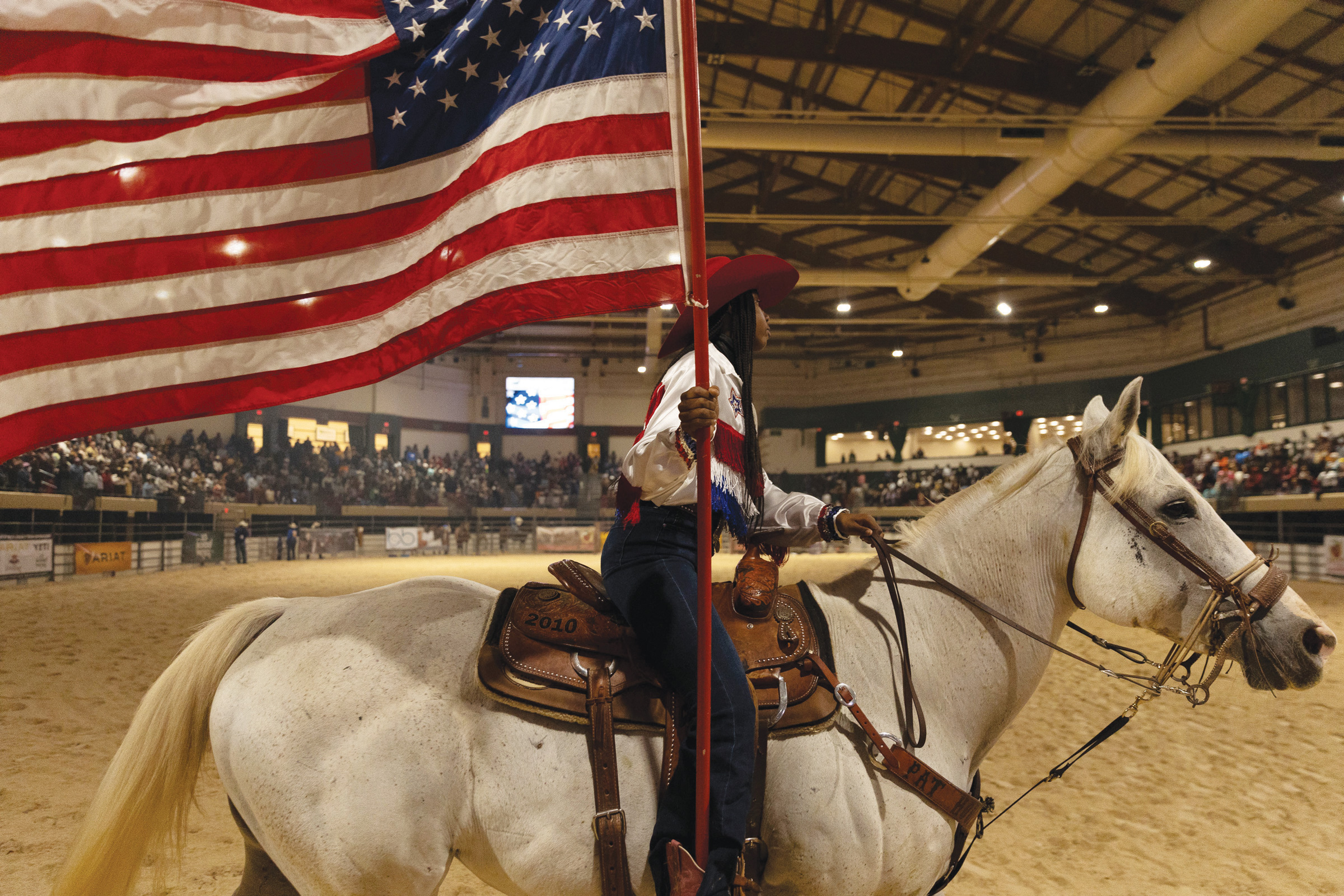
The series frequently lingers on images of Black riders, depicted as poised and steady against expansive landscapes or within urban environments shaped by the same historical currents. These visuals, though often simple and quiet, possess a profound resonance. For Black Americans, land is far more than mere scenery; it represents a complex tapestry of inheritance, loss, broken promises, and the fundamental distinction between being a transient visitor and a dedicated steward.
This personal connection to land and its history is deeply felt by many, including the author, whose own father, a Texas native, was involved in ranching and later managed land and livestock in California. This legacy inspired the creation of Outdoor Afro in 2009, initially conceived as a blog and a tribute to his father’s connection to the outdoors. Like "High Horse," Outdoor Afro sought to correct the historical record regarding Black people’s deep-rooted relationships with nature. This initiative has since blossomed into a national organization that annually connects thousands of Black families with outdoor experiences, emphasizing not a fleeting trend, but a profound sense of reunion and belonging.
In midlife, a renewed engagement with horsemanship has brought an unexpected sense of seriousness and personal growth. Riding has fostered increased patience and a heightened sense of self-honesty. It has also cultivated a more nuanced perspective on land, prompting a deeper consideration of personal lifestyle choices and their broader impact on both the Black community and the natural world.
The author’s current mare, True Haven, is a mustang sourced from the Twin Peaks Herd Management Area in the high desert along the California-Nevada border. The name itself serves as a reminder of finding refuge and practicing peace in all aspects of life. Horses, by their nature, demand a commitment to fairness and consistency, immediately signaling whether a rider is a dependable leader.

While owning a wild horse does not confer expertise in public lands and wildlife policy, it does foster an intimate understanding of stewardship and strengthens a commitment to protecting the nation’s public lands and wild spaces. The abstract nature of policy debates gives way to the concrete needs of another living creature when one holds a lead rope, focusing intently on ensuring its safety and clarity.
"High Horse" astutely recognizes that the narrative of Black cowboys is inextricably linked to the history of Black land ownership and connection. It moves beyond the romanticized imagery of open spaces to address the practical realities of acreage, access, land titles, taxation, and the power dynamics that have historically determined who has been able to remain on and work the land. While not delving into policy minutiae, the series boldly confronts a truth often avoided by many Westerners: the freedom associated with the West was never equitably distributed, and violence, both legal and extralegal, has been an intrinsic element of its geography.
However, "High Horse" is far from a somber elegy; at its core, it is a vibrant celebration of freedom and resilience. The series showcases young riders honing their skills and competing, elders imparting invaluable knowledge, and families upholding traditions. It depicts gatherings around horses, mirroring the communal spirit found in church potlucks or family reunions. In a cultural landscape where Black history is too often presented solely through the lens of trauma, this documentary offers a refreshing alternative, highlighting excellence, craftsmanship, humor, pride, discipline, and, crucially, joy.
If the series exhibits any limitations, it lies in its scope. Three episodes can effectively raise a banner of awareness but cannot encompass every facet of this complex history. The viewer might wish for more extensive coverage of Black women riders, a deeper exploration of the economic realities of horse ownership, and a more pronounced acknowledgment of the intertwined histories of Black and Indigenous peoples on Western lands.

Additionally, the series could have benefited from greater trust in the voices of its working riders. While the inclusion of well-known celebrities and scholars provides valuable reach and context, there is a risk that their interpretations might overshadow the firsthand accounts of Black cowboys and ranchers. The generations of experience and knowledge held by these individuals could often stand powerfully on their own, without extensive external interpretation.
Perhaps the most significant achievement of "High Horse" is its resolute refusal to frame the Black cowboy as an anomaly or an exception. It compels viewers to broaden their understanding of what it means to be "Western" by expanding the frame beyond the confines of traditional Hollywood portrayals. For anyone who cherishes the American West, this re-examination arrives at a critical and timely juncture.
The experience of watching the series evokes a powerful reflection on the initial moments with a new mare: the horse’s attentive gaze, its patient waiting, and its silent questions about the rider’s character and intentions. Similarly, the rider must confront their own intentions and capabilities. Just as a horse responds to clarity, consistency, and care, so too should our engagement with history be approached. To foster an honest West with a robust future, the complete story must be told, and the foundation upon which it is built must be protected.
"High Horse: The Black Cowboy" is not, and should not be, the final word on the subject. However, it represents a significant stride toward a vision of the West where Black riders are not regarded as peripheral figures but as fundamental contributors to the region’s identity and its conservation future.