Joko Susilo
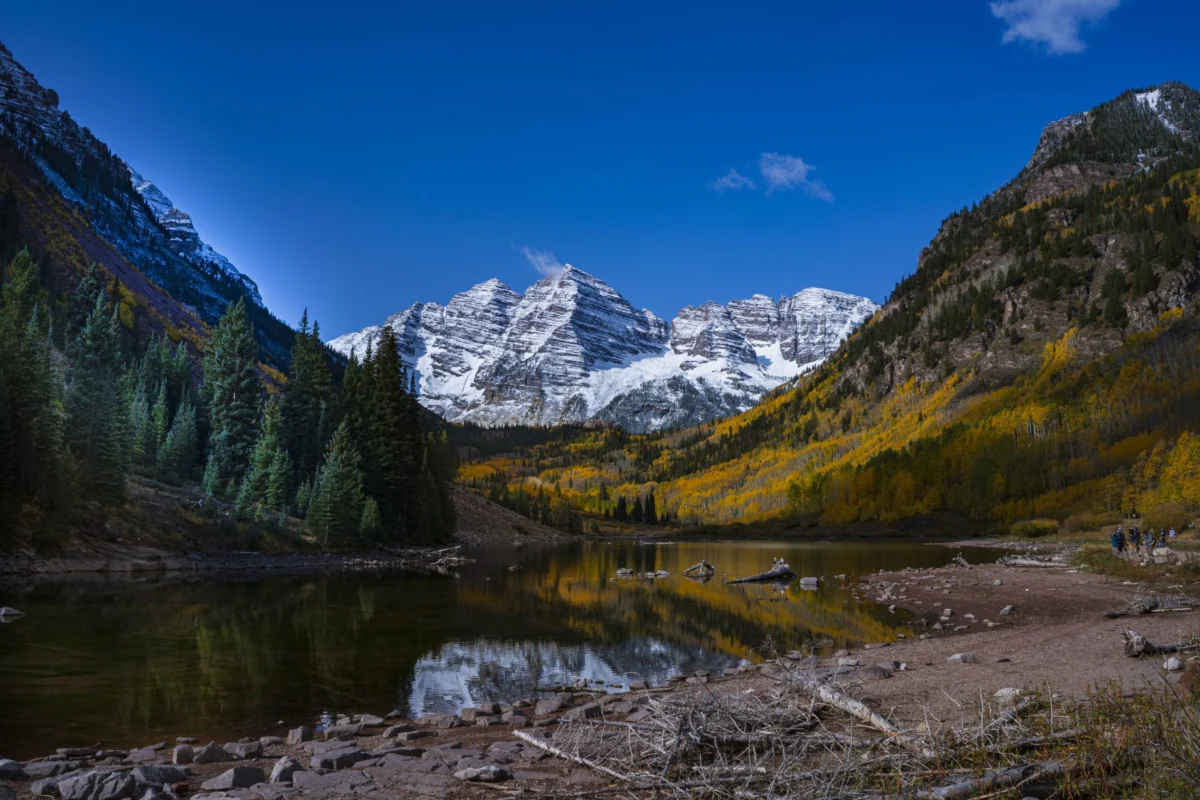
This administrative shift is directly attributable to the U.S. Forest Service’s diminished capacity to adequately manage the area, an agency grappling with severe financial constraints and a shrinking workforce. The Forest Service reported a loss of nearly 6,000 employees in 2025, and a proposed fiscal year 2027 budget from the Trump administration seeks an alarming 75% reduction in its overall funding. Locally, the White River National Forest, which encompasses the Maroon Bells-Snowmass Wilderness, has seen its year-round staff dwindle by a third since 2024, plummeting from 169 to 111 employees. This persistent underfunding has left the Maroon Bells Scenic Area operating at a deficit exceeding $300,000 annually, compelling the federal agency to seek alternative management solutions.
Nestled approximately ten miles outside the vibrant mountain town of Aspen, the scenic area serves as a critical gateway to the sprawling 181,000-acre Maroon Bells-Snowmass Wilderness, itself part of the vast 2.3 million-acre White River National Forest, one of the nation’s most visited national forests. The sheer volume of visitors underscores the area’s immense popularity and the management challenge it presents; last year alone, between May and October, the scenic area attracted approximately 191,000 people drawn to its breathtaking twin peaks, pristine lake, and extensive trail system. This intense public use necessitates robust infrastructure, regular maintenance, and vigilant resource protection, all of which have been compromised by the Forest Service’s financial woes.
The decision for Pitkin County to assume management, slated to begin in 2027, has ignited fears among conservationists and public land advocates who interpret it as a dangerous precedent. Aaron Weiss, executive director of the Center for Western Priorities, starkly articulated these concerns, stating, "This is the camel’s nose under the tent. The Trump administration wants to sell off lands wherever it can and privatize lands wherever it can’t. So this is the test case for privatization." These anxieties are rooted in a broader political discourse surrounding the administration’s perceived agenda to reduce federal landholdings and open up public spaces to private enterprise, potentially altering access and environmental stewardship. The Forest Service itself remained unresponsive to requests for comment regarding these accusations.
Despite the broader apprehension, local residents and organizations within the Roaring Fork Valley generally support Pitkin County’s intervention, albeit with a shared critique of the federal government’s role in creating the predicament. Will Roush, executive director of Wilderness Workshop, an environmental watchdog group based in the Roaring Fork, acknowledged, "The county is responding to unfortunate circumstances on behalf of our community. The real tragedy is this administration’s failure to adequately invest in and staff our federal land-management agencies and the places that are so fundamental to our state’s identity." This sentiment highlights a local desire to protect a cherished natural asset, even if it means stepping in where federal resources have faltered.
Pitkin County officials, while recognizing the concerns, emphasize the immediate necessity of their involvement. Gary Tennenbaum, director of Pitkin County Open Space and Trails, pointed to the county’s existing efforts, such as repairing and reopening essential bathroom facilities and clearing mudslide debris, as evidence of their commitment. Tennenbaum also dismissed fears of setting a privatization precedent, arguing that "the precedent has already been (set) that the federal government is not going to fund these things." He underscored the county’s dedication to preserving the iconic landscape, stating, "You got to find a way to manage the resources, because they’re too special to let go," and added, "The reality right now is our public lands are in trouble, and there are a lot of good counties out there that want to help."
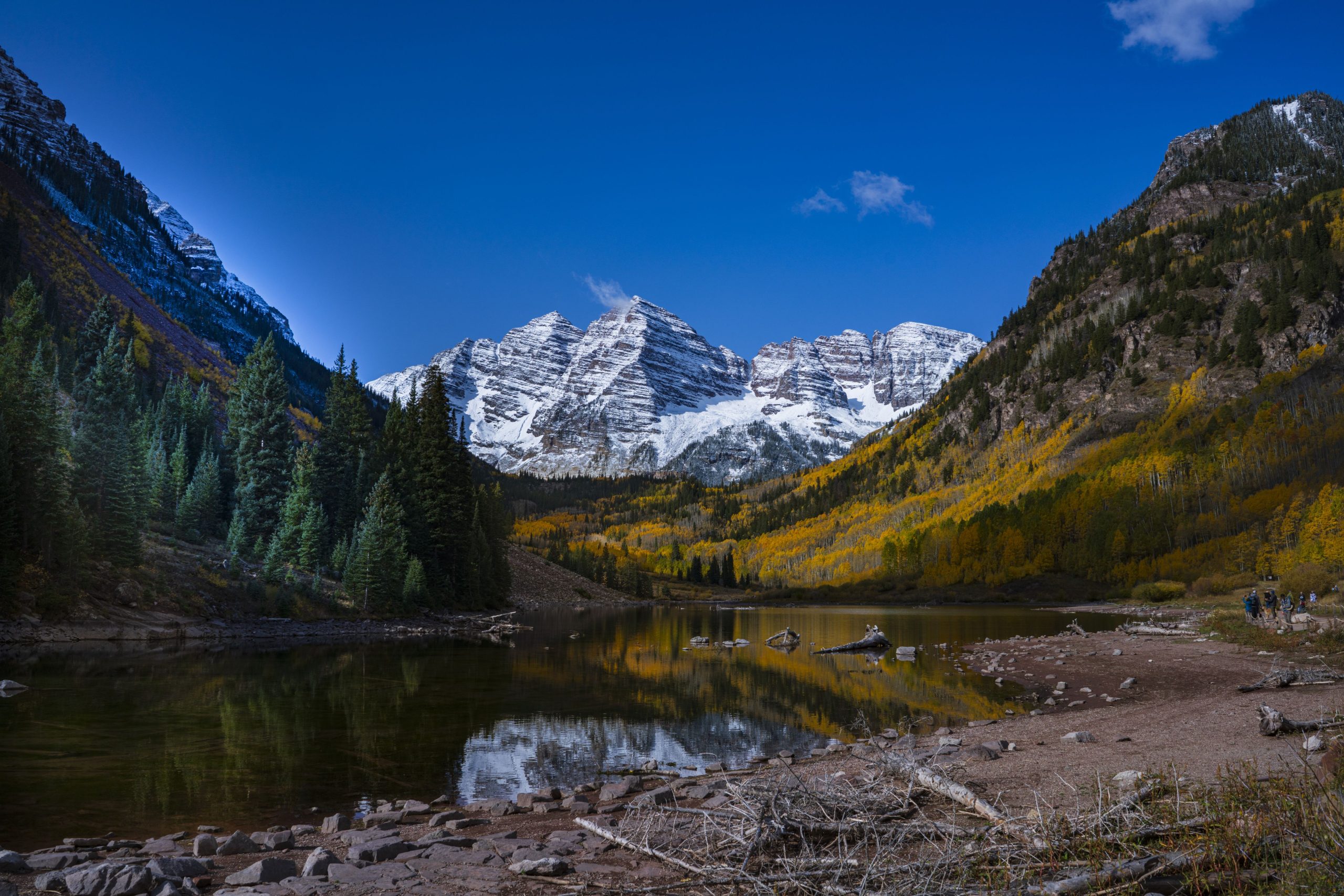
The county’s takeover is confined to the relatively small, developed scenic area, which a recently released Forest Service map clarifies to be roughly 1,300 acres, leaving the vast wilderness areas under federal purview. Tennenbaum also revealed that the Forest Service had indicated that if the county did not assume management, the agency would be compelled to solicit bids from private concessionaires. Critics contend that under such a profit-driven model, access fees would likely surge even more dramatically than under county management, further restricting public access to these natural wonders. Aaron Weiss characterized this federal stance as a coercive tactic, remarking, "The Trump administration is pulling a ‘That’s a nice mountain you got there, it would be a shame if something happened to it’ routine."
A critical implication of this management transfer, if it indeed establishes a precedent, lies in the varying capacities of local governments to undertake such responsibilities. Pitkin County, home to the affluent ski resort town of Aspen, possesses the financial resources to absorb the costs of facility and land management, including addressing years of deferred maintenance and repairs. However, as Mark Squillace, a professor of natural resource law at the University of Colorado Law School, articulated in a letter to county commissioners and the Forest Service, "A concession for Pitkin County is a slippery slope that could lead the Forest Service to pursue agreements like this in many other national forests with public and private parties that may not have the resources or commitment that Pitkin County brings to the table." This raises concerns about unequal standards of care and access across the national forest system.
Adding another layer of controversy, this management transfer represents a high-profile test case for the Forest Service’s recently updated National Environmental Policy Act (NEPA) rules. Effective since April, these revised regulations allow public-lands agencies to approve certain actions, termed "categorical exclusions," without the standard public input or a detailed written environmental finding. Historically, categorical exclusions were reserved for minor decisions like repainting buildings or temporary road closures. Legal experts like Squillace have vehemently contested their application in this context, calling the idea that the Forest Service could lawfully exclude this proposal "laughable." While Forest Supervisor Brian Glaspell maintained that issuing the permit is not a "wholesale transfer" but merely "an authorization to conduct activities in a specified manner," the agency did face public backlash, leading them to add a 15-day comment period that concluded on October 9.
The potential for this scenario to replicate across the nation is a significant concern. Weiss warned that such transfers are increasingly probable in states like Utah, which have already expressed a willingness to explore alternative management models for public lands. "If you can do that at the Maroon Bells, at one of the most iconic hikes in the state of Colorado," Weiss questioned, "why not anything else?" This fear of a domino effect underscores the broader implications for the accessibility and stewardship of public lands across the Western United States. This is not the first instance of federal land managers seeking relief from resource strain; in 2024, a similar arrangement was proposed for Sweetwater Lake, also within the White River National Forest, where 840 acres were transferred to Colorado Parks and Wildlife, though that deal committed to a full environmental impact statement with public scoping, a key difference that the Forest Service has not elaborated upon.
A core component of Pitkin County’s management plan involves establishing a new fund, generated from site fees, to cover maintenance and operational costs. While Tennenbaum noted that prices for the area have not changed since 1997, the proposed increases are substantial: vehicle entrance fees will jump from $10 to $30, and camping fees will rise from $15 to $33, though shuttle fares will remain consistent. All revenue generated will be dedicated exclusively to the management and upkeep of the scenic area. Critics, however, worry that such fee increases, particularly under local control, could circumvent established federal processes and potentially lead to a system where public recreation sites are forced to become self-sufficient, increasing incentives for resource extraction to maximize profits on federally managed lands. Squillace voiced concern that the line between providing services and exercising management responsibility, as defined by the Federal Lands Recreation Enhancement Act, is "pretty thin," creating a potential loophole for unintended consequences.
The final decision hinges on several approvals. The Forest Service will consider all public comments before formally signing the categorical exclusion, and the permit will still require final approval from both the agency and the Department of Agriculture. If approved, Pitkin County will commence management for the 2027 season under a five-year permit, renewable for an additional five years. Tennenbaum articulated a shared hope for a broader national solution, stating, "Hopefully, we can get a national reckoning, and we can get funding allocated to manage our public lands. Hopefully, that happens. And we would happily give it back." This sentiment encapsulates the complex dilemma facing public lands management today: a critical need for local solutions in the face of federal divestment, coupled with an enduring hope for renewed national commitment to these irreplaceable natural treasures.