Rocky Gerung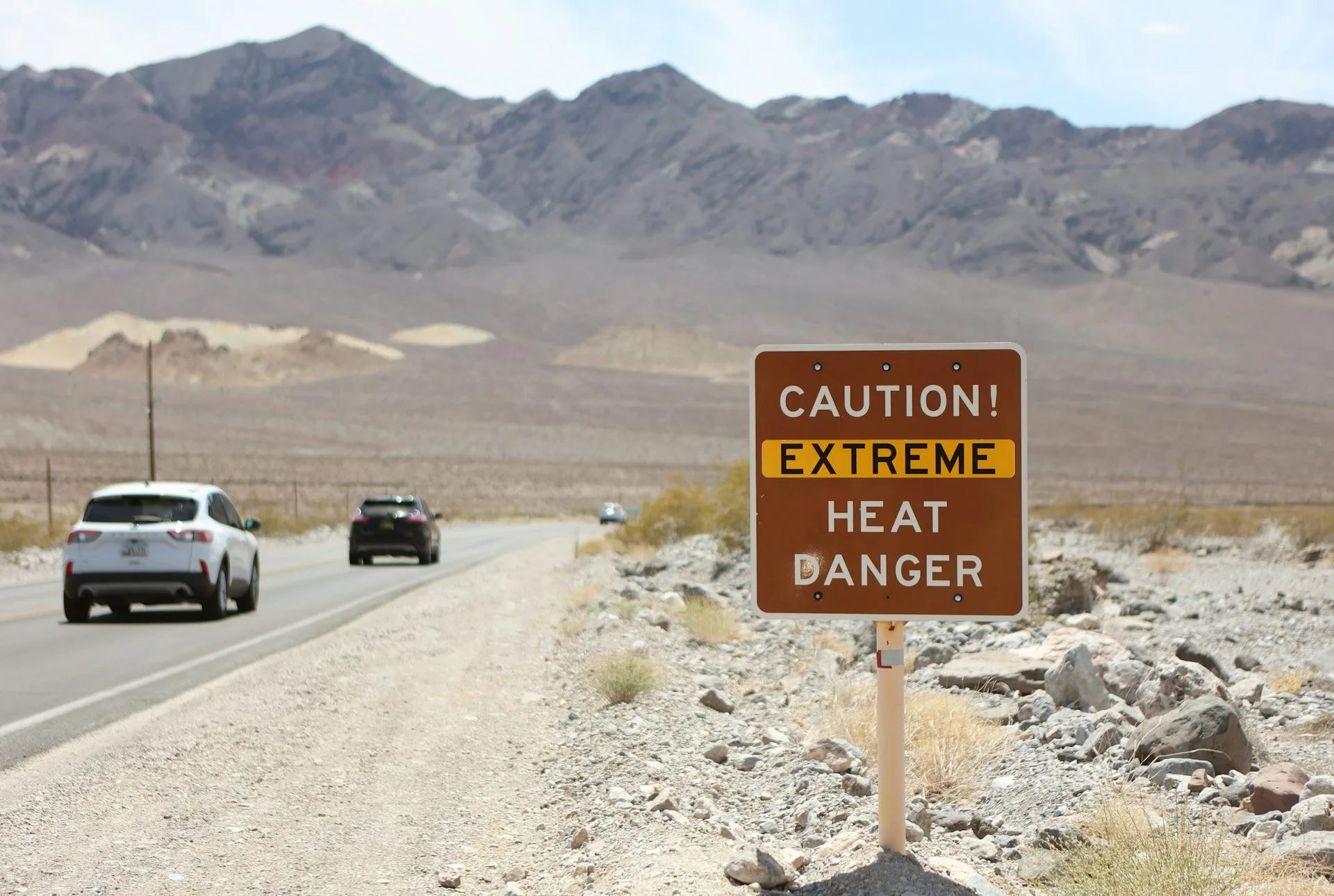
On February 12th, the Trump administration initiated a significant move to dismantle established climate policies by proposing to withdraw the 2009 endangerment finding, a pivotal determination that classified six key greenhouse gases, including carbon dioxide and methane from fossil fuel combustion, as direct threats to public health and welfare. This decision, however, flies in the face of extensive scientific consensus and carries profound implications for the health and safety of Americans, according to physicians, epidemiologists, and environmental health scientists. The administration’s arguments for dismissing the health risks associated with climate change are not only factually flawed but also pose a deeply dangerous disregard for the well-being of the population.

The scientific community has amassed substantial evidence demonstrating a clear and escalating connection between a changing climate and adverse human health outcomes. This evidence paints a stark picture of the risks faced by everyone, amplified by the administration’s policy reversal. Greenhouse gases, released into the atmosphere primarily through the burning of fossil fuels for vehicles, power generation, and industrial processes, accumulate and trap heat near the Earth’s surface, functioning much like a blanket that progressively warms the planet. This phenomenon, known as global warming, leads to more frequent and intense exposures to dangerous heat, particularly impacting vulnerable populations.
Extreme heat events are becoming more prevalent and severe, directly linked to the increased concentration of greenhouse gases. While mild heat-related illnesses are often recoverable, prolonged exposure, especially without adequate hydration and access to cooling measures, can prove fatal. Individuals who work outdoors, the elderly, and those with pre-existing chronic conditions such as heart, lung, or kidney diseases are disproportionately vulnerable to these extreme temperatures. Globally, heat-related deaths have seen a concerning rise, with a 23% increase observed between the 1990s and the 2010s, accounting for over half a million fatalities annually during that period. In the United States, the 2021 Pacific Northwest heat dome tragically claimed hundreds of lives, underscoring the immediate and lethal potential of extreme heat. Projections from climate scientists indicate that many regions worldwide, including major U.S. cities like Miami, Houston, Phoenix, and Las Vegas, will experience a significant increase in days where temperatures threaten human survival as climate change progresses.

Beyond heat, climate change is fueling a rise in extreme weather events. Warmer air possesses a greater capacity to hold moisture, leading to increased rainfall intensity, more powerful storms, and worsening flood conditions, as communities across the U.S. have tragically witnessed in recent years. Furthermore, elevated ocean temperatures provide more energy for hurricanes, intensifying their destructive power. The health consequences of increased flooding are multifaceted, encompassing drownings, injuries, and the contamination of water sources with dangerous pathogens and toxic chemicals. Individuals engaged in the arduous task of cleaning up after floods face additional risks from mold exposure, physical injuries, and significant mental distress. Climate change also exacerbates drought conditions, which disrupt food supplies and contribute to respiratory illnesses due to increased dust. The combination of rising temperatures and arid conditions dries out forests and grasslands, creating fertile ground for devastating wildfires.
The increasing frequency and intensity of wildfires, a direct consequence of climate change, are significantly degrading air quality across the nation. Wildfire smoke is a complex and toxic mixture containing microscopic particles, known as fine particulate matter (PM2.5), which can penetrate deep into the lungs. It also contains hazardous compounds such as lead, formaldehyde, and dioxins released during the high-temperature combustion of homes, vehicles, and other materials. These smoke plumes can travel thousands of miles, triggering heart attacks, increasing the risk of lung cancer, and contributing to a range of other health problems. Concurrently, warmer atmospheric conditions promote the formation of ground-level ozone, a potent irritant to both the heart and lungs. The continued burning of fossil fuels, a primary driver of climate change, also releases dangerous air pollutants that contribute to a host of serious health issues, including heart attacks, strokes, asthma exacerbations, and lung cancer.

The warming climate is also creating more favorable conditions for the spread of infectious diseases. As cold-blooded organisms, insects are highly sensitive to temperature fluctuations. Rising global temperatures lead to increased mosquito biting rates and accelerate the development of disease-causing agents within these vectors. Mosquito-borne illnesses such as dengue fever have been detected in several U.S. states, including Florida, Texas, Hawaii, Arizona, and California. New York recently reported its first locally acquired case of chikungunya virus, also transmitted by mosquitoes, highlighting the expanding geographical reach of these diseases. Beyond insect-borne infections, warmer temperatures contribute to an increase in diarrheal and foodborne illnesses, facilitated by bacteria like Vibrio cholerae. Heavy rainfall events can overwhelm sewage systems, leading to overflows into lakes and streams, further contaminating water sources. Conversely, drought conditions, particularly in arid regions like the desert Southwest, can increase the risk of coccidioidomycosis, a fungal infection commonly known as valley fever.
The multifaceted impacts of climate change extend to numerous other health concerns. Extended pollen seasons lead to increased exposure to allergens, exacerbating respiratory conditions like asthma and allergies. Declining crop yields due to climate-induced stresses can reduce access to nutritious foods, contributing to malnutrition and related health issues. The mental health toll of climate change is also significant, with studies linking extreme weather events to increased rates of anxiety, depression, and post-traumatic stress disorder. Furthermore, there is growing evidence suggesting a correlation between high-temperature days and increased rates of violent crime and suicide. Young children, older adults, pregnant women, and individuals with pre-existing medical conditions are among the most vulnerable populations. Lower-income communities often face amplified risks due to higher prevalences of chronic diseases, greater exposure to climate hazards, and limited access to resources for protection, medical care, and recovery following climate-related disasters.

The scientific evidence linking climate change to adverse health outcomes has grown considerably since the initial endangerment finding in 2009, and today, it stands as incontrovertible. Numerous studies confirm that heat, air pollution, the spread of infectious diseases, and food insecurity, all exacerbated by climate change, are worsening and contributing to millions of deaths worldwide each year. This scientific consensus aligns with the lived experiences of many Americans who have directly suffered the consequences of a changing climate, whether through illness during heat waves, respiratory distress from wildfire smoke, or injuries sustained during the aftermath of hurricanes.
Despite this overwhelming body of evidence, the Trump administration’s decision to withdraw the endangerment finding signals a deliberate disregard for the established scientific links between climate change and public health. This move, which underpins many existing climate regulations, is consistent with a broader policy agenda that includes reducing support for renewable energy sources and providing subsidies to fossil fuel industries, sectors known to directly endanger public health. In addition to rescinding the endangerment finding, the administration also moved to weaken emissions limits on vehicles, which represent the leading source of U.S. carbon emissions and a major contributor to harmful air pollutants like PM2.5 and ozone.

The implications of this policy shift extend beyond merely acknowledging endangerment; they highlight a critical duality. When governments actively work to mitigate the causes of climate change, they simultaneously address some of the world’s most significant health challenges. Transitioning to cleaner transportation and energy sources results in improved air quality, leading to a reduction in heart and lung diseases. Encouraging active transportation through safe infrastructure like sidewalks and bike paths promotes physical activity and lowers the risk of chronic diseases. In essence, confronting climate change directly contributes to the promotion of good health.
From a public health perspective, acknowledging the scientific facts underpinning the endangerment finding and accelerating the transition from fossil fuels to a clean, healthy energy future is paramount for national well-being. This shift represents not only an environmental imperative but also a fundamental investment in the health and prosperity of current and future generations. The evidence is clear: climate change poses a significant threat, and its mitigation offers substantial co-benefits for public health.