Rocky Gerung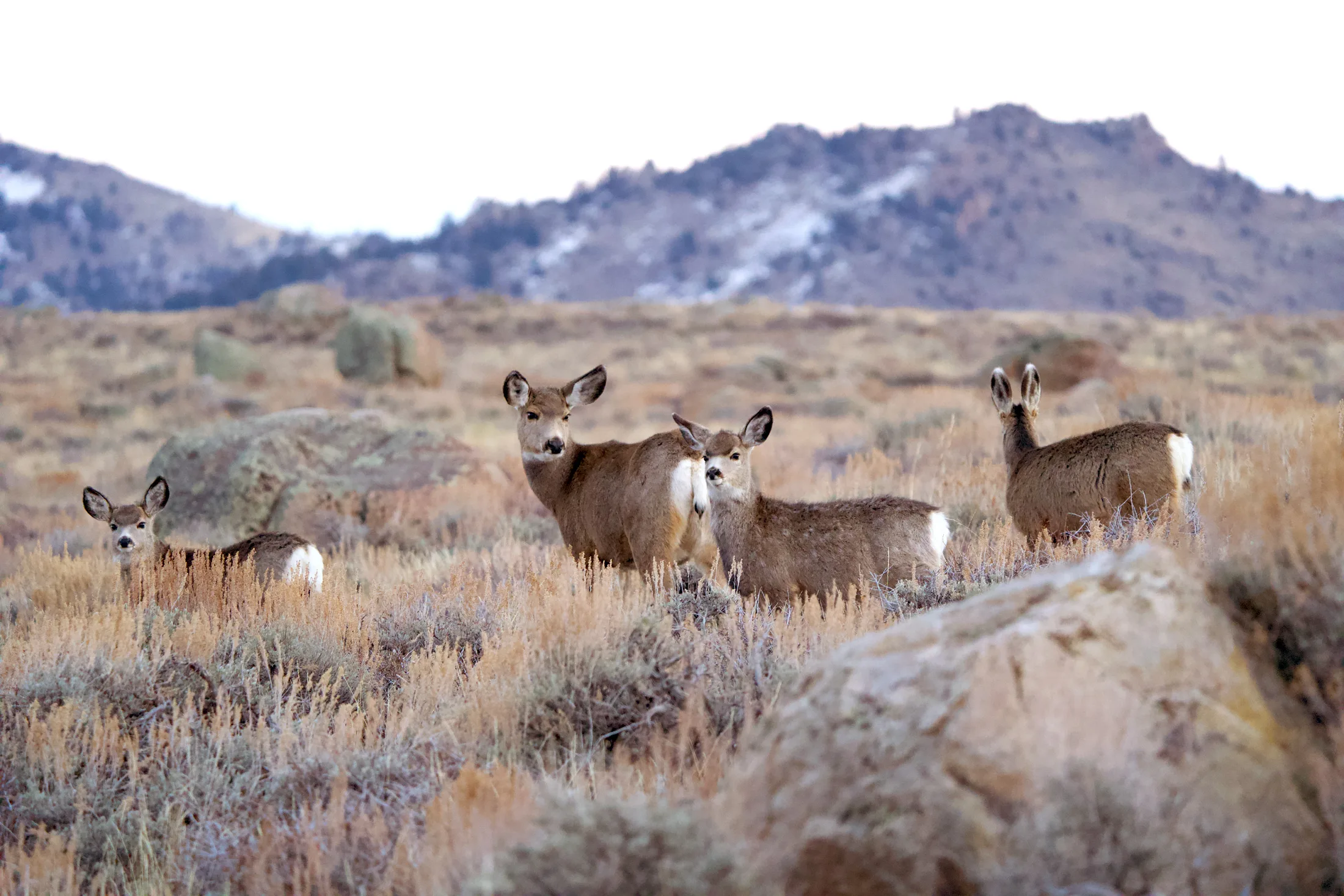
Mule deer navigating the vast sagebrush expanses of southwest Wyoming’s Red Desert undertake journeys that directly correlate with their health and the long-term viability of their populations, according to groundbreaking research from the University of Wyoming and the Wyoming Game and Fish Department. Each winter, thousands of these iconic ungulates call the Red Desert home, but their spring and fall movements reveal distinct strategies for survival. While some remain in the familiar wintering grounds, others embark on migrations of varying distances. A significant portion undertakes an impressive odyssey, traveling up to 150 miles into the higher mountain elevations, seeking out the freshest, most nutrient-rich foraging opportunities. This newly published research definitively establishes that those deer undertaking the most extensive migrations are the healthiest, live the longest, and consequently, contribute most significantly to the species’ reproductive success.
The study, published in the journal Current Biology, highlights the critical role of long-distance migration in sustaining the overall mule deer population in the region. "The migrating mule deer are the engine for the whole population," stated Anna Ortega, the lead author of the paper. "If you sever that migration, you will have far fewer animals." This conclusion is the culmination of a remarkable, decade-long research initiative that involved the capture and study of hundreds of deer annually, conducted in both spring and fall. Scientists meticulously measured fat reserves, assessed pregnancy rates, and tracked the survival of fawns born to mothers following different migratory paths.
The findings offer scientific validation for an observation long held by those familiar with the region: the ability to "surf the green wave"—the seasonal upward progression of vegetation into higher elevations—is paramount to mule deer survival. Brandon Scurlock, a wildlife biologist with the Wyoming Game and Fish Department who was not involved in the study but manages the Sublette herd, commented on the significance of the research. "Long-distance migrants have a lot of risk associated with them, with fences, vehicles and predator assemblages," Scurlock noted. "But is the risk worth it? It seems like it is." The study quantifies this risk versus reward, demonstrating that the rewards of accessing higher-quality forage outweigh the inherent dangers of extended travel.

Historically, mule deer populations likely benefited from a diverse range of migratory behaviors, with different strategies proving advantageous depending on environmental conditions. Matt Kauffman, a researcher with the U.S. Geological Survey at the University of Wyoming’s Cooperative Fish and Wildlife Unit and the originator of the study, explained that in eras with severe and early winters, deer that remained in the desert likely had a survival advantage, especially during their fall return journeys. However, the current environmental trajectory is shifting these dynamics. With a hotter and drier climate increasingly characterizing the American West, the desert’s year-round food resources are diminishing. This environmental stress is disproportionately impacting the sedentary desert-dwelling deer, leading to a noticeable decline in their numbers. Projections suggest that this segment of the population may even cease to exist within the next fifty years.
A key characteristic of mule deer, distinguishing them from more opportunistic species like elk or pronghorn, is their strong fidelity to established migratory routes. "Mule deer are really hard-wired," Kauffman explained. "They’re not like, ‘How are conditions this year? Is this a good year to stay or go?’ They have a strategy and do the strategy." This innate behavior means that the desert residents are unlikely to spontaneously adopt the long-distance migratory patterns of their more successful counterparts. Consequently, preserving the integrity of these migration corridors becomes not just an ecological consideration, but a critical imperative for the species’ survival.
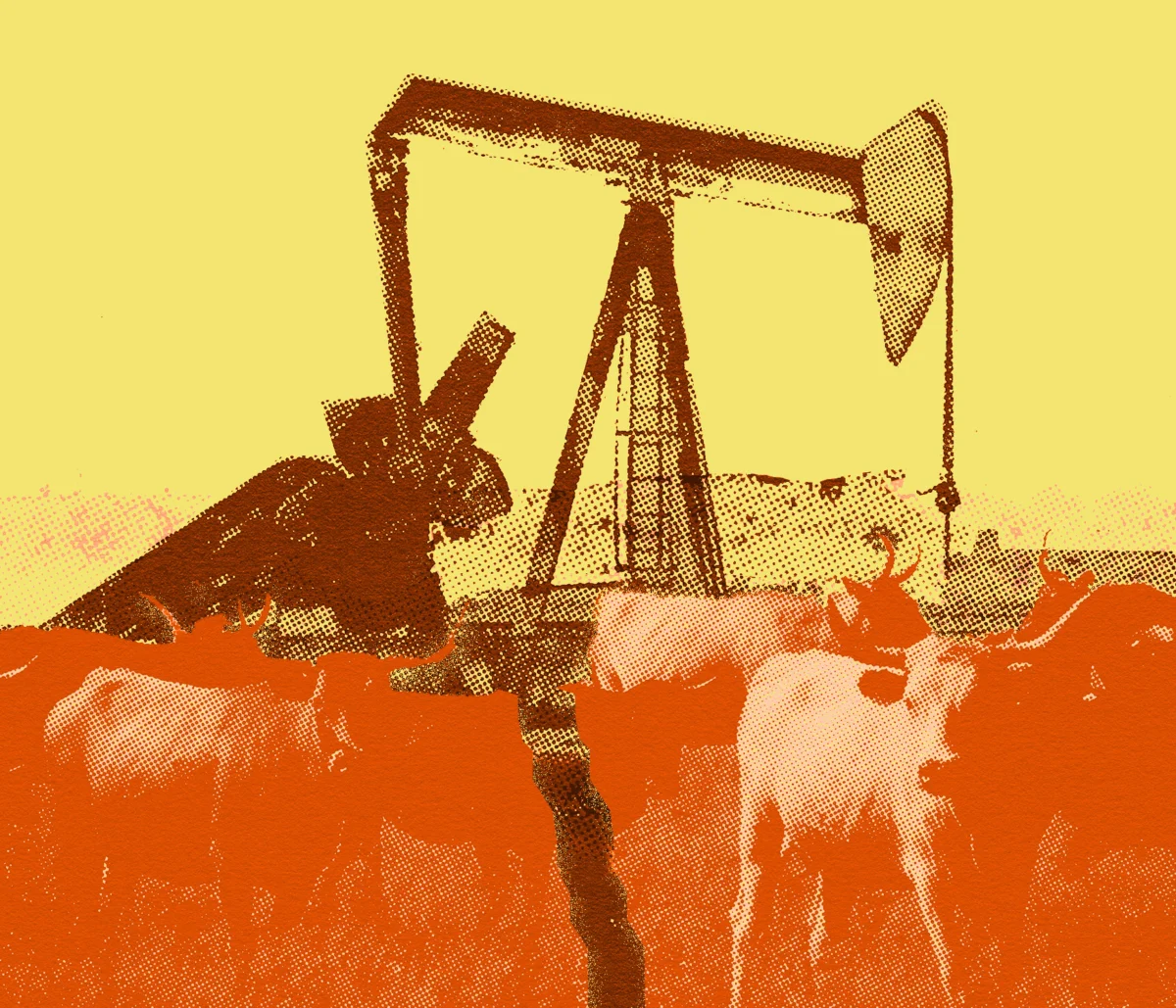
The Sublette deer migration has received some legislative attention, including a 2020 executive order aimed at protecting crucial migratory pathways. However, threats to these routes remain significant. Joey Faigl, co-founder and president of the Muley Fanatic Foundation in southwest Wyoming, emphasized the ongoing challenges. "There are so many things they face every year. It can either be housing or oil and gas or highway crossings," he stated. "There is always going to be something. And if people stop fighting for them, populations will continue to decline." The expansion of human development, including residential areas and energy extraction projects, coupled with the persistent danger posed by roadways, fragments and degrades the essential habitats and corridors that mule deer depend on.
The research underscores a broader understanding of wildlife migration as a complex adaptation to environmental variability and resource availability. Globally, many migratory species face similar pressures from habitat loss, climate change, and human encroachment. The insights gained from the Sublette mule deer provide a compelling case study for conservation efforts worldwide, highlighting the interconnectedness of landscape connectivity, individual animal health, and population resilience. Protecting these ancient pathways is not merely about safeguarding a single species; it is about maintaining the ecological processes that support entire ecosystems.

The study’s methodology, involving extensive fieldwork and advanced tracking technologies, represents a significant investment in understanding wildlife ecology. By employing helicopters for capture and employing rigorous scientific protocols over many years, researchers have been able to generate robust data that moves beyond anecdotal evidence. This detailed, long-term observation is crucial for deciphering the subtle but vital relationships between an animal’s behavior, its physical condition, and its reproductive output. The ability to link migratory distance directly to fat reserves and subsequent fawn survival provides a clear and quantifiable metric for conservation priorities.
The implications of this research extend beyond the immediate management of mule deer in Wyoming. It serves as a potent reminder of the ecological value of intact landscapes and the critical importance of preserving natural corridors that allow wildlife to move freely. As climate change continues to alter habitats and resource availability, species that can adapt through migration may possess a significant survival advantage, but only if their routes remain open and accessible. The study’s findings advocate for a proactive approach to land-use planning, emphasizing the need to identify and safeguard critical migration routes before they are irrevocably compromised by development. This includes investing in wildlife-friendly infrastructure, such as overpasses and underpasses, and implementing land management practices that support healthy forage along these vital pathways. The future of mule deer, and indeed many migratory species, hinges on our collective commitment to understanding and protecting their ancient journeys.