Rocky Gerung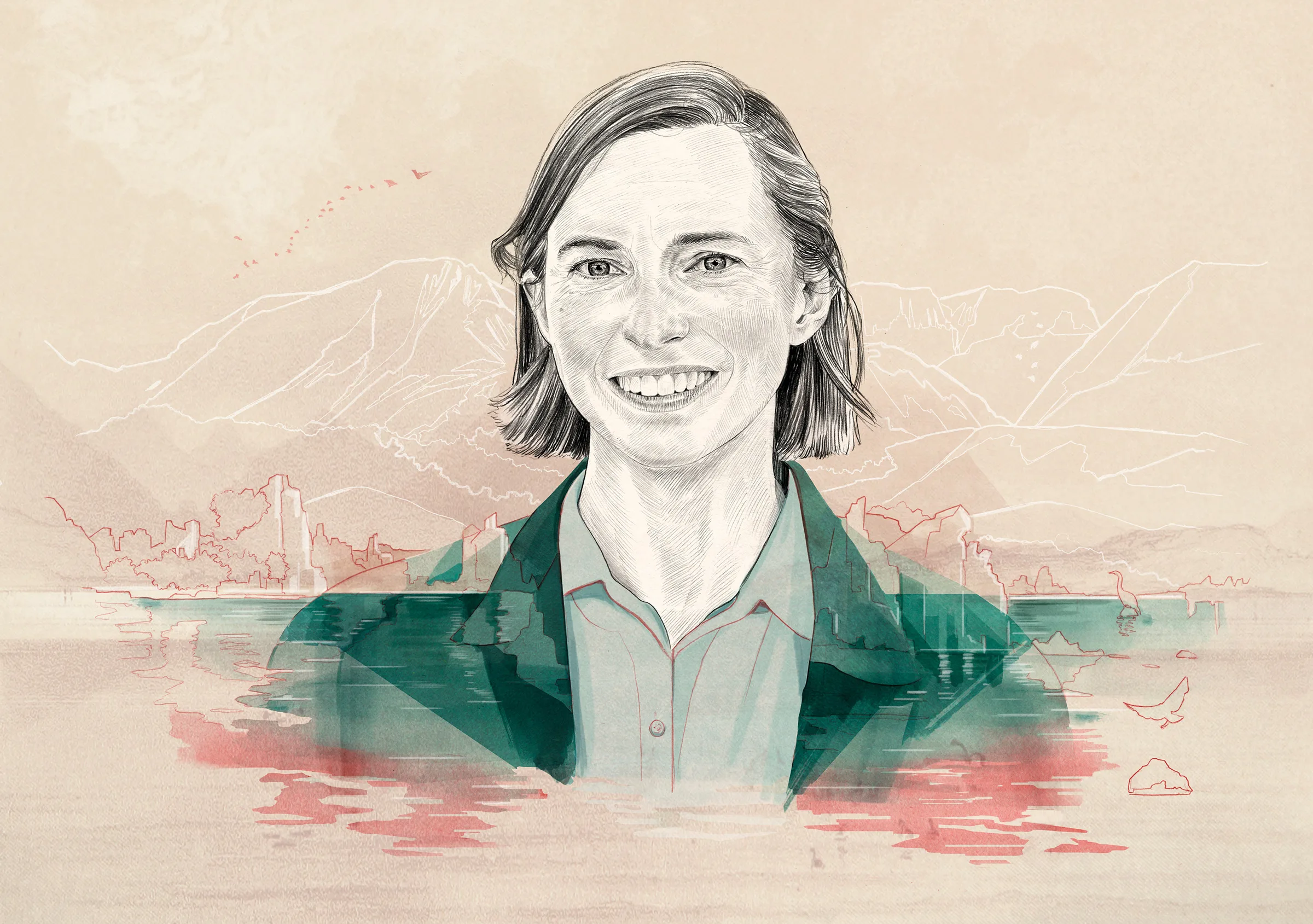
Caroline Tracey’s first encounter with a salt lake, California’s Salton Sea, was marked by a stark, unsettling sound – a crunch underfoot that revealed a landscape carpeted in the skeletal remains of fish. Yet, as she ventured closer to the water’s edge, this initial impression of desolation dissolved, giving way to the vibrant reality of an avian sanctuary, alive with the scurrying movements of sandpipers, plovers, and the elegant white forms of snowy egrets. This transformative experience, Tracey writes in her new book, Salt Lakes: An Unnatural History, was her first lesson: that places appearing barren or unappealing often harbor hidden vitality and intricate ecosystems, revealed only through patient observation.
Tracey’s debut work, published on March 17th, is a compelling exploration and celebration of these often-overlooked, yet critically important, saline water bodies. As a geographer and a contributor to High Country News, she has documented the existence of dozens of salt lakes globally, shimmering bodies of water nestled within arid desert valleys, their waters often tinged pink by microscopic algae and teeming with salt-tolerant crustaceans. However, these unique environments are facing an existential threat, with agricultural water diversion and the escalating impacts of climate change leading to the alarming desiccation of nearly all these lakes, posing severe risks to biodiversity and human well-being.
Her extensive research has taken her across the vast expanses of the Great Basin, and to the diverse landscapes of Kazakhstan, Mexico, and Argentina. In these journeys, Tracey meticulously chronicles both the shrinking shorelines of these vital lakes and the dedicated, varied communities striving to protect them. The book also unfolds as a deeply personal narrative, weaving her journalistic investigations with her own journey of self-discovery. She recounts her coming into her own queerness, detailing how her understanding of her desires and values was shaped through profound encounters with both literature and the natural world. Salt Lakes is characterized by its personal touch, its pragmatic approach, and a cautiously optimistic outlook, offering a profound meditation on the human experience in a world undergoing rapid and often challenging transformations.
In a recent conversation, Tracey elaborated on the multifaceted challenges confronting salt lakes, the innovative solutions being developed for their preservation, and the unique insights that an understanding of queerness can offer in confronting the profound losses associated with climate change.
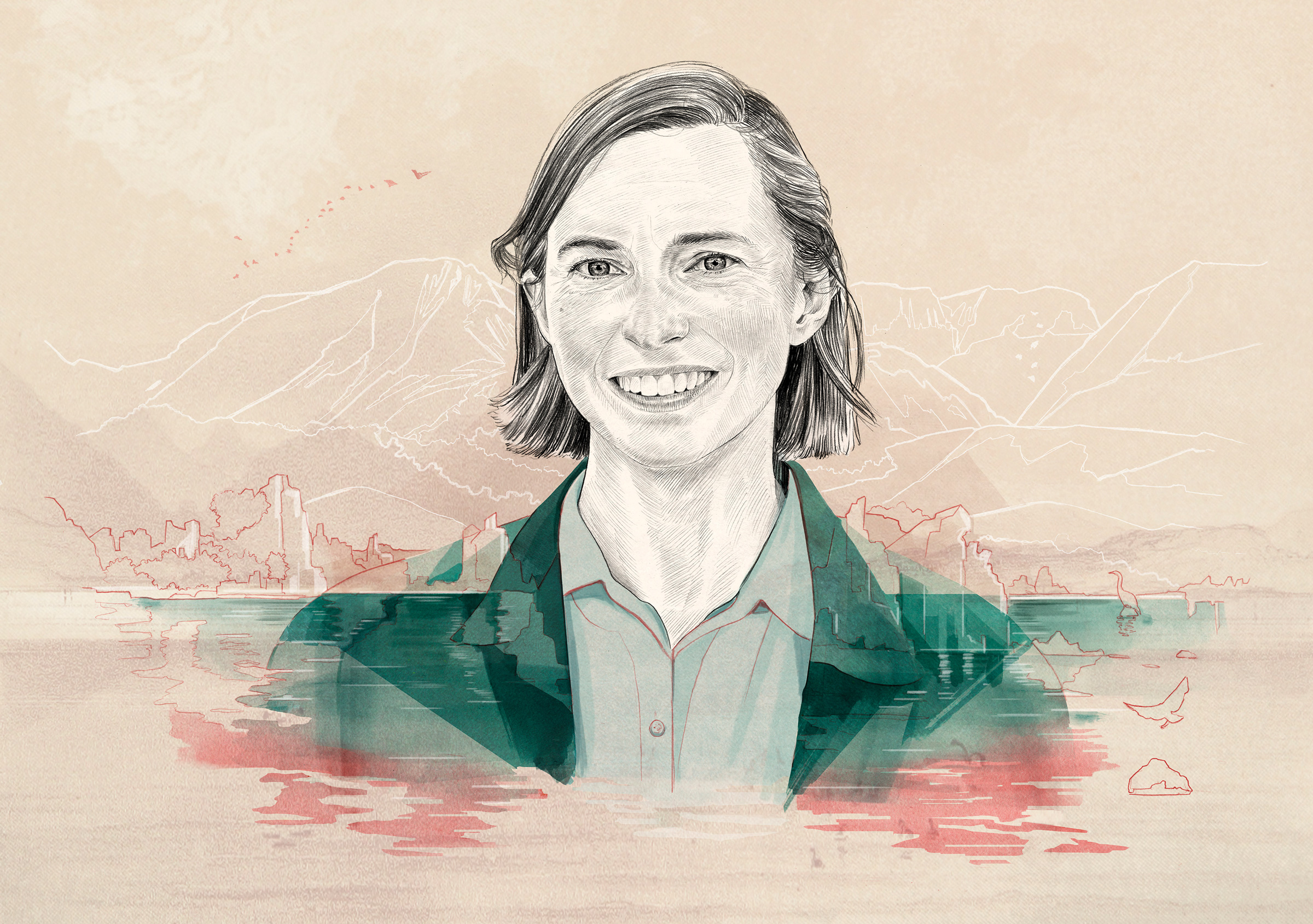
Her decade-long engagement with the subject of salt lakes, Tracey explains, was initially sparked by their striking visual presence. While traversing the Great Basin, she was captivated by their appearance: the dissolved minerals in their waters cause them to reflect the sky with an intensity that surpasses that of freshwater bodies. This aesthetic allure, she admits, was a significant draw for a long time, offering extraordinarily beautiful and unusual water features within arid landscapes. As her research deepened, she became increasingly fascinated by the complex histories of water diversion that have shaped these lakes, recognizing that an examination of salt lakes inevitably leads to an exploration of the Bureau of Reclamation and the history of irrigation in the American West. More recently, the emergence of diverse activist movements dedicated to their preservation has provided her with a wellspring of optimism, a valuable commodity for an environmental reporter often grappling with grim realities.
Despite its focus on ecological degradation, Salt Lakes radiates a surprising sense of hope. Tracey posits that the decline of salt lakes presents a more tractable problem compared to many other ecological restoration challenges. Her optimism stems from the fundamental geology of these systems: salt lakes typically form in closed basins, where they naturally evaporate when water inflow diminishes. Historically, the primary culprit has been water diversion for agriculture, particularly for crops like alfalfa and cotton. The straightforward solution, she suggests, involves reducing the cultivation of water-intensive crops in regions like the Southwest, thereby allowing more water to reach basins such as the Great Salt Lake. However, the accelerating impacts of climate change, manifesting in diminished snowpack, have introduced a more complex variable, reducing the overall availability of water and exacerbating the decline of these lakes.
Tracey highlights several promising initiatives aimed at protecting salt lakes. The Clean Air Act, for instance, is proving to be a crucial tool. As salt lakes dry, they generate significant amounts of dust, leading to severe respiratory problems for nearby communities, as experienced around California’s Salton Sea. This legal framework empowers affected communities to hold responsible entities accountable for the environmental consequences of lake shrinkage.
Another significant development is the application of the Public Trust Doctrine, a legal principle asserting the government’s responsibility to safeguard public waters within its jurisdiction. In California, a successful lawsuit brought by residents compelled the state to uphold this doctrine and protect its salt lakes, underscoring the power of shared public value in environmental stewardship. The Zuni Salt Lake in New Mexico offers another inspiring example, with a successful LandBack case that holds significant implications not only for salt lakes but for a broader range of land and water resources across the nation. Furthermore, a dedicated group of environmental humanities scholars, particularly those focusing on Mormon scripture, are actively engaged in the fight to protect the Great Salt Lake. Tracey believes that by drawing on religious concepts of the sacred, individuals can cultivate a deeper, more profound connection to place, a connection that transcends mere appreciation of natural beauty or a generalized commitment to environmentalism.
As Tracey traces the perilous trajectory of salt lakes and the burgeoning efforts to safeguard them, she simultaneously narrates her personal journey of queer adulthood in the American West. She reveals that the connection between these two narratives became increasingly apparent as her research progressed. She always envisioned the book encompassing a coming-of-age element and a critical examination of womanhood. Her exploration of salt lakes uncovered a surprising prevalence of queer ecology within these environments. She notes that brine shrimp exhibit remarkable reproductive adaptability, capable of reproducing in multiple ways, while the mating rituals of phalaropes present a reversed dynamic compared to most bird species, with larger, more colorful females and males taking on the primary role of nest incubation.

Ecology teaches us that biodiversity is inherently valuable, fostering complexity within landscapes. Tracey draws a parallel, suggesting that queer theory similarly champions diverse ways of living, advocating for greater complexity and variety within society.
Her experiences with queerness, Tracey reflects, have fundamentally altered her perspective on climate change, loss, and the potential for recovery. She views queerness and the act of writing as highly compatible, both positioning individuals as observers at a slight remove from societal norms. This vantage point, she contends, allows for a broader understanding of the multiplicity of possible life paths, challenging the necessity of the high consumption rates characteristic of previous generations.
Much of historical conservation efforts have focused on preserving pristine wilderness, safeguarding untouched landscapes from destruction. Queer ecology offers a different perspective, asserting that highly altered landscapes also possess significant ecological and biodiversity value.
Some salt lakes, like the Great Salt Lake, exist year-round, while others are ephemeral, primarily appearing as dry salt flats for most of the year, only filling with water after substantial storms or spring snowmelt. Tracey describes one of the most impactful experiences during her research as shifting her focus from the preservation of perennial lakes to contemplating the lessons offered by the ephemeral. In an era of climate change, where the prospect of permanent lakes becoming ephemeral is increasingly likely, she finds profound meaning in embracing and coexisting with ephemerality.