Rocky Gerung
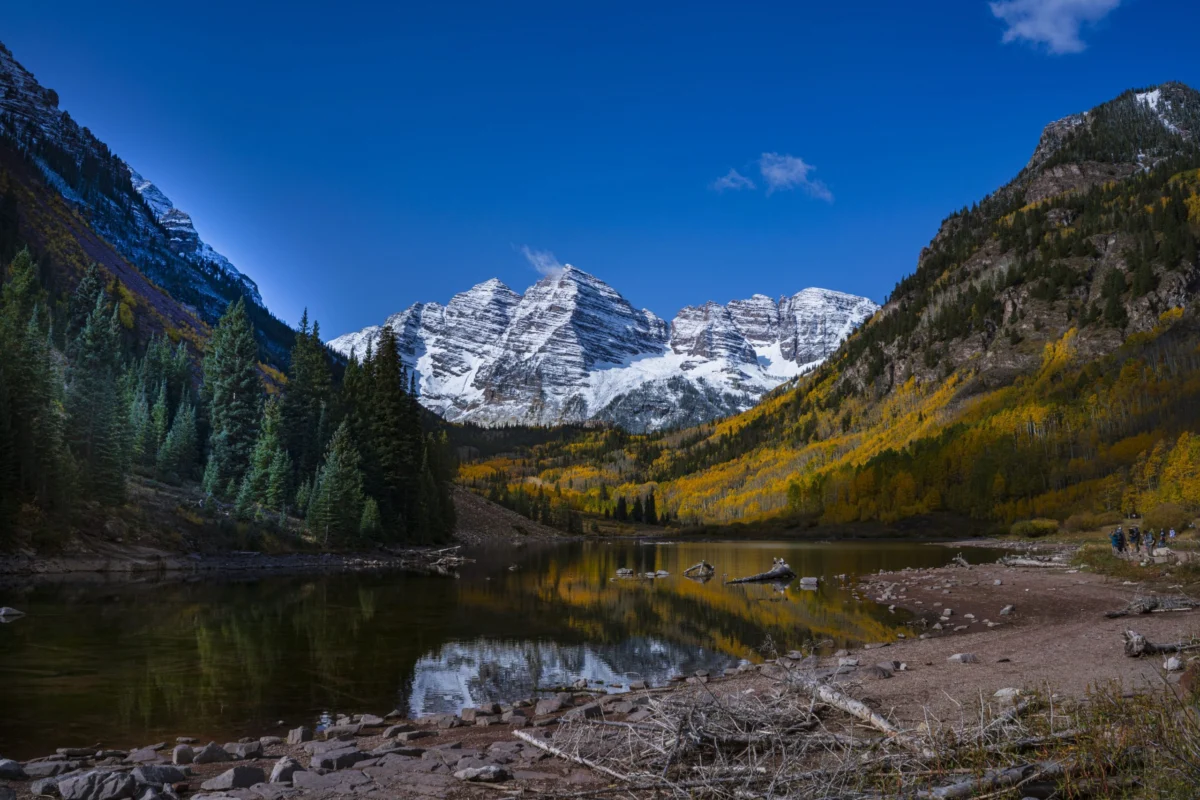
The vast expanses of America’s public lands and waters are far more than abstract geographical concepts; they are vibrant, living landscapes integral to the nation’s identity and well-being. These are the places where citizens connect with nature through hunting and hiking, where agricultural livelihoods are sustained through grazing, and where vital ecosystems regulate water flow. They hold profound cultural and spiritual significance for Indigenous peoples, serving as ancestral homelands. For countless families, these lands offer essential escapes and opportunities for children to discover the natural world, fostering a lifelong appreciation for conservation.
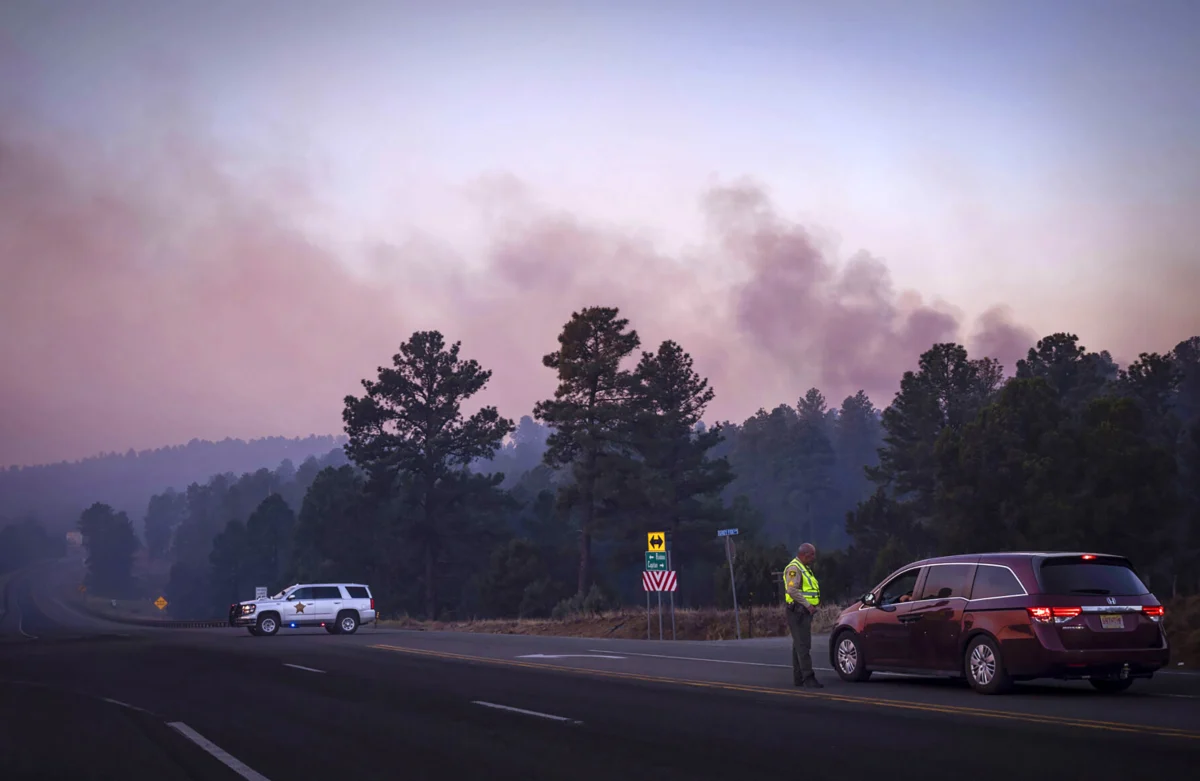
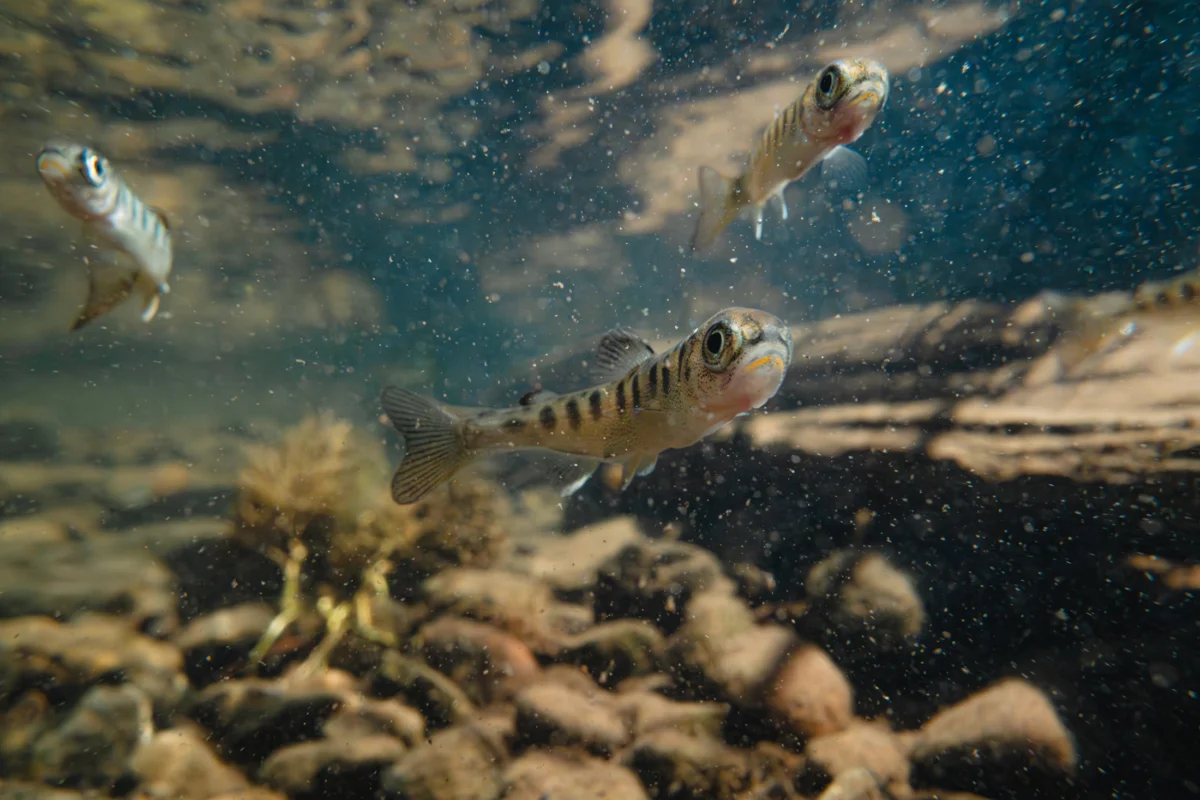
However, the very systems designed to manage these invaluable resources are showing undeniable strain, struggling to keep pace with an array of escalating challenges. Declining wildlife populations signal ecological distress, while popular recreation sites face overcrowding and chronic underfunding, diminishing the visitor experience and straining infrastructure. The specter of increasingly large and destructive wildfires, fueled by changing climate conditions, poses a significant threat to both natural landscapes and human communities. Climate change itself is rapidly altering fundamental ecological processes, from the health of ocean fisheries to the reliability of mountain snowpacks, outpacing the adaptive capacity of existing management institutions. Concurrently, communities are increasingly tasked with hosting essential energy projects, transmission lines, and mineral development, often without transparent decision-making processes, adequate resources, or guaranteed assurance that decisions align with the broader public interest.
These intricate challenges are compounded by the aging infrastructure and outdated legal frameworks governing public lands. Decades of experience within these systems, spanning leadership roles in federal agencies under both Democratic and Republican administrations, as well as significant contributions to national conservation policy organizations, reveal a consistent pattern. While the dedication of land managers, scientists, and wildland firefighters is commendable, their efforts are frequently hampered by archaic legislation, fragmented jurisdictional authorities, insufficient financial resources, and bureaucratic procedures that can transform even straightforward solutions into protracted endeavors.
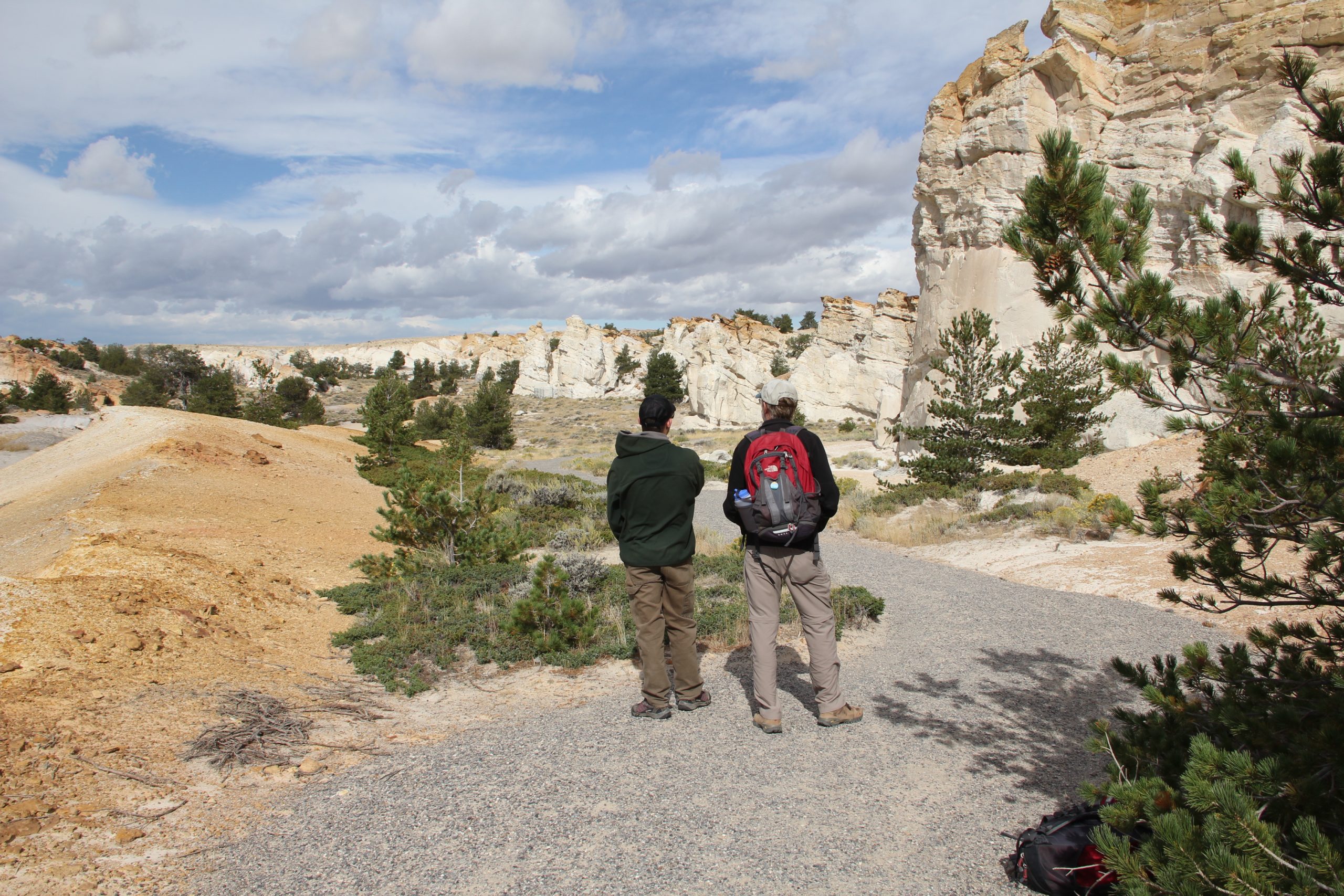
It has become increasingly evident that many of today’s most pressing issues transcend mere technical or financial deficiencies. They are deeply embedded within the structural foundations of our institutions and policies, reflecting an era with fundamentally different assumptions and realities. This leads to a crucial and urgent question: What do we truly desire from and for our public lands and waters in the present moment? This question cannot be answered by looking to the mid-20th century, when many of our foundational land management laws were enacted, nor can it be framed within a pre-climate change context, before the rise of mass recreation, large-scale renewable energy development, or the current biodiversity crisis. Instead, we must confront the realities of a nation that is demonstrably hotter, more densely populated, and increasingly complex in its economic and cultural fabric.
Addressing these multifaceted challenges necessitates more than superficial adjustments; it demands innovative thinking and the inclusion of a far broader spectrum of voices. A truly comprehensive reflection on the future of public lands cannot be confined to any single ideology, constituency, or geographic region. Our shared natural heritage belongs to all Americans, encompassing a diverse array of stakeholders including ranchers, outdoor enthusiasts, Indigenous peoples, urban families, energy sector professionals, and wildlife biologists. To effectively navigate the complexities of the 21st century, we must harness the collective wisdom and varied experiences of all Americans to forge a resilient vision that maximizes the benefits derived from our public lands and waters.
This vision entails a commitment to enhanced accessibility in parks and greater opportunities for outdoor engagement. It requires a focus on improving the quality and resilience of watersheds and ensuring abundant clean water resources. A paramount goal is the recovery of wildlife populations and the restoration of connected habitats. This includes fostering healthy forests, revitalizing degraded rivers, and strengthening collaboration with tribal nations in the stewardship of their ancestral territories. Furthermore, it necessitates amplifying the voices of local communities, promoting responsible development of clean energy and ethically sourced minerals, and ensuring more equitable access to the manifold benefits nature provides. Ultimately, this vision aims to cultivate greater American engagement in the ongoing process of shaping the future of these vital places.
Achieving this ambitious vision, however, requires a conscious effort to transcend established organizational boundaries and habitual modes of discourse. For too long, discussions surrounding public lands have been confined to insular circles, with agency experts conversing primarily amongst themselves, conservation organizations addressing their dedicated supporters, rural communities feeling marginalized from decisions impacting their livelihoods, and tribal nations persistently advocating for meaningful recognition of their sovereignty and stewardship responsibilities. An honest assessment reveals that even well-intentioned reform initiatives often remain constrained by the very institutional inertia and political divisions that contribute to current gridlock.

The status quo is not a neutral arbiter; it generates tangible consequences on the ground. Communities endure years of waiting for essential restoration projects, tribes grapple with the pursuit of co-management authority, firefighters operate under immense strain, families contend with overcrowded national parks, and species edge closer to extinction. If we aspire to a different future, we must pose different questions. Historically, periods of significant inflection in public land policy have prompted national introspection and institutional reinvention. A prime example is the comprehensive effort undertaken in the 1960s, when a bipartisan assembly of leaders and experts convened to fundamentally re-evaluate public land management practices, culminating in the landmark report "One-Third of the Nation’s Lands," which laid the groundwork for contemporary federal land policy.
Sixty years later, we stand at another critical juncture. However, the type of broad, visionary thinking that characterized past reforms is unlikely to originate solely from within government. Agencies are stretched thin, and congressional deliberation is often characterized by deep polarization. Political cycles tend to reward short-term achievements rather than the long-term design of robust systems. This reality does not diminish the urgency of the task; rather, it compels its expansion.
The broader civic sphere—encompassing universities, tribal governments, local municipalities, land managers, agricultural producers, conservation advocates, industry leaders, and community organizers—has a vital and expanding role to play in charting the next era of governance for our public lands and waters. This engagement is not intended to supplant public institutions but to foster their evolution. We require platforms where unconventional ideas can be explored without immediate partisan entanglement, where individuals with differing policy perspectives can nonetheless confront shared realities such as megafires, prolonged drought, and biodiversity loss, and where reform is understood not as a threat but as an essential component of effective stewardship.
In an increasingly divided nation, our shared lands and waters offer some of the most potent avenues for connection. They are the landscapes where many Americans encounter something profound and enduring, be it a vast river system, a fire-adapted forest, a delicate desert ecosystem, or a critical wildlife migration corridor. These natural wonders serve as powerful reminders that, beneath our diverse viewpoints, we remain connected by a shared physical and ecological commons. The manner in which we steward this commons in the coming decades will profoundly shape our communities, economies, cultures, and ecosystems. The systems we inherited have served us thus far, but the world for which they were designed no longer exists. The critical question remains: Are we prepared to pause, engage in more widespread listening, and create the necessary space for new ideas to take root—not as a superficial public relations exercise or a political maneuver, but as an indispensable act of stewardship for a nation in transition?