Rocky Gerung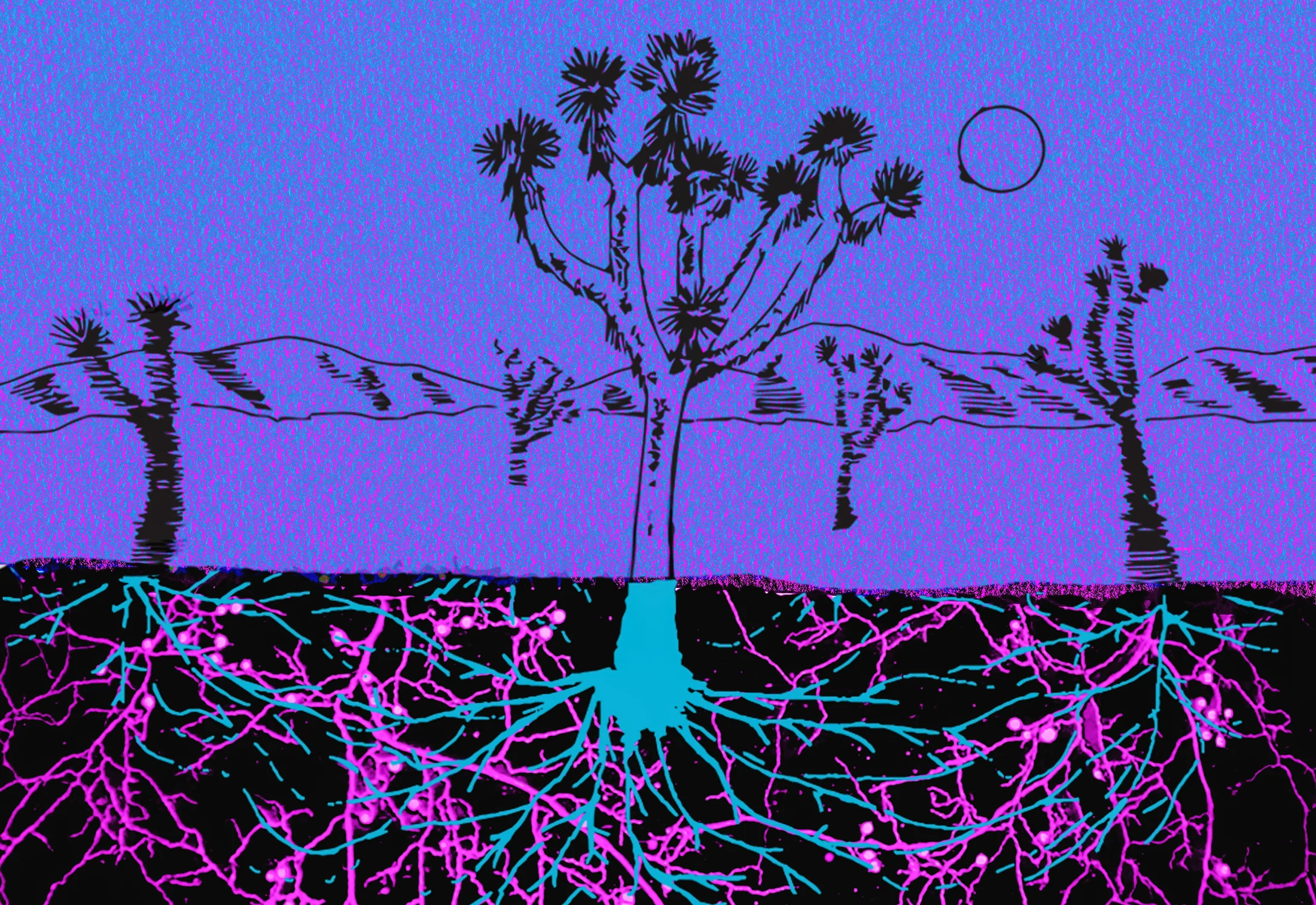
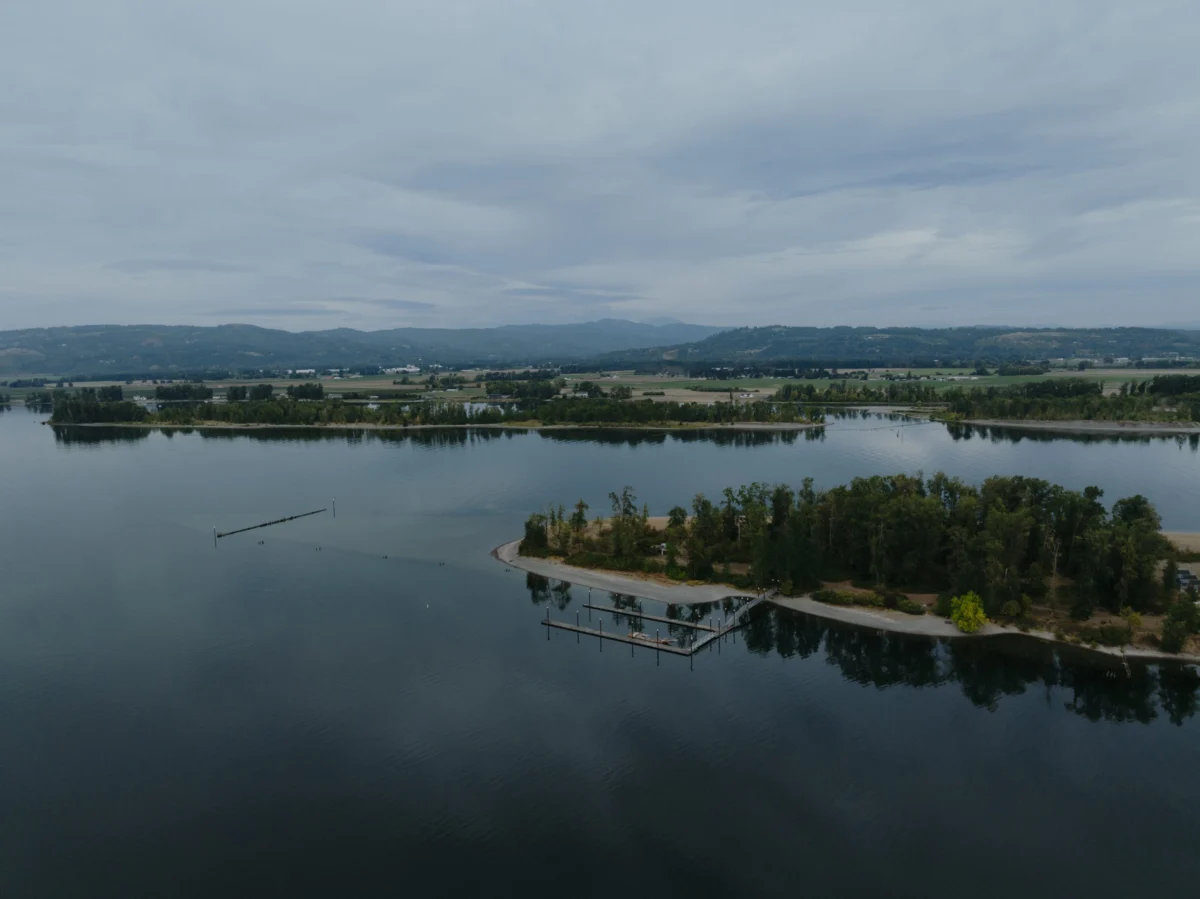
Beneath the verdant landscapes of California’s Sierra Nevada foothills, Oregon’s Willamette Valley, and the Columbia River Gorge straddling Washington and Oregon, lies a hidden, intricate web of life: a sprawling underground microbial network. This vast fungal system, often unseen and largely unappreciated, plays a pivotal role in the health of these ecosystems, supporting everything from the majestic trees to the prized edible mushrooms sought by foragers each spring. Regions like the Pacific Northwest and Northern California, renowned for delicacies such as the spring king bolete (Boletus rex-veris), and the Columbia River Gorge, a hotspot for Oregon black truffles, are testament to the rich fungal biodiversity thriving beneath the surface.
A groundbreaking new model, the Underground Atlas, developed by researchers at the Society for the Protection of Underground Networks (SPUN), is illuminating the global distribution of these vital network-forming, or mycorrhizal, fungi. The atlas reveals a startling reality: approximately 90% of the planet’s mycorrhizal biodiversity hotspots are located outside designated protected areas, leaving them vulnerable to human activities. The Western United States, in particular, is a treasure trove of ectomycorrhizal fungi, a symbiotic partner to trees and shrubs that forms crucial connections in conifer forests stretching from the Rocky Mountains to the Sierra Nevada, and thrives in the Pacific Northwest alongside Douglas firs, western hemlocks, and cottonwoods. Nearly five percent of the world’s ectomycorrhizal fungi hotspots are concentrated in this region, yet both the fungi and the plants they support are increasingly at risk from industrial agriculture, infrastructure development, and widespread soil disruption.
The interconnectedness of life on Earth is profoundly underscored by the fact that roughly 90% of all plant species engage in mutually beneficial relationships with mycorrhizal fungi. These microscopic fungal filaments extend from plant roots, facilitating a vital exchange of carbohydrates produced by the plant for essential minerals and nutrients absorbed by the fungi from the soil. This partnership not only fuels robust plant growth and enhances soil fertility but also plays a critical role in carbon sequestration. It is estimated that mycorrhizal fungi alone store approximately 13 billion tons of carbon underground globally, a figure equivalent to about one-third of annual global carbon emissions, acting as a significant buffer against climate change. "Everywhere you see a plant, this type of interaction is happening," explains Michael Van Nuland, lead data scientist at SPUN, emphasizing the ubiquitous nature of this fundamental ecological process.

Van Nuland aptly describes mycorrhizal fungi as the "circulatory system of the planet" due to their unparalleled efficiency in nutrient transfer between plants and the soil. Despite their immense ecological significance, fungi have historically received far less scientific attention and conservation focus compared to plants and animals. "We know native plants, we know native animals, but we don’t know native fungi," laments Aaron Tupac, a mycologist and community educator based in Los Angeles, California, highlighting a significant gap in our understanding of biodiversity. This disparity is partly historical; fungi were not recognized as a distinct kingdom of life until 1969, previously being categorized as part of the plant kingdom.
This growing awareness, however, is creating a unique window of opportunity for conservation. Kabir Peay, a biologist specializing in fungi at Stanford University, sees the public engagement sparked by initiatives like SPUN as a crucial turning point. "I think we’re in a really unique place where we start to have the momentum to build a case for the conservation of organisms that have really not been genuinely appreciated very much in the past," he states, underscoring the potential for a paradigm shift in how we value and protect fungal life.
While momentum is building, the path to comprehensive fungal conservation is not without its challenges. California, in 2022, initiated the first state-funded endeavor to systematically document its fungal diversity, a move aligned with the state’s ambitious goal of conserving 30% of its lands and waters by 2030. The CA FUNDIS project successfully cataloged and preserved over 10,000 different fungal species for future research before its funding was unfortunately discontinued in 2023. Concurrently, vital research efforts, including support for the world’s largest living soil fungi library at the University of Kansas, face the precarious threat of funding lapsing, jeopardizing critical advancements in our understanding and conservation of these essential organisms.
Protected areas such as national parks and forests undoubtedly benefit fungal communities, but as Van Nuland points out, "you can’t set up national parks everywhere for every ecosystem." The challenge lies in finding scalable and effective methods to protect fungal diversity wherever it exists. Fortunately, practical strategies are emerging: land managers can enhance fungal habitats by leaving more woody debris on the landscape, providing a crucial food source for these decomposers. On a smaller scale, individuals can significantly improve their backyard soil health through composting, thereby supporting the local mycorrhizal networks.

Integrating native plants with their corresponding fungal partners is also proving to be a powerful strategy for increasing the success of ecological restoration projects. SPUN researchers are actively working to identify fungi associated with the iconic Joshua tree in its native habitat, with the aim of incorporating these species into ongoing transplantation and restoration efforts. These efforts are critical, especially in light of California’s comprehensive conservation plan for the species, finalized in the summer of 2025. Furthermore, indigenous communities, such as the Gabrieleño Band of Mission Indians, are leveraging the natural bioremediation capabilities of fungi to remove heavy metals and pollutants from contaminated soils in Los Angeles, showcasing innovative applications for soil health and environmental cleanup.
Ultimately, scientists argue that effective fungal conservation must encompass active cultivation strategies, mirroring those already established for the protection of flora and fauna. While nurseries routinely propagate threatened plant populations and hatcheries raise salmon, "we are definitely not even close to that for thinking about the conservation of fungi," notes Peay, highlighting a significant gap in our conservation toolkit.
The accelerating pace of climate change is altering ecosystems more rapidly than scientists can fully document their fungal inhabitants, according to Tupac. This urgency underscores the need for proactive conservation measures, rather than waiting for fungal species to reach threatened or endangered status before mobilizing decisive action and securing necessary financial support. "My colleagues in the fungal conservation world are saying, ‘Perhaps we don’t have to just think about what is rare and scarce,’" he shares. "Why not make the case for protecting what is abundant?" This forward-thinking approach advocates for valuing and safeguarding the vast, essential fungal networks that underpin the health of our planet, regardless of their current perceived rarity.