Roger Danuarta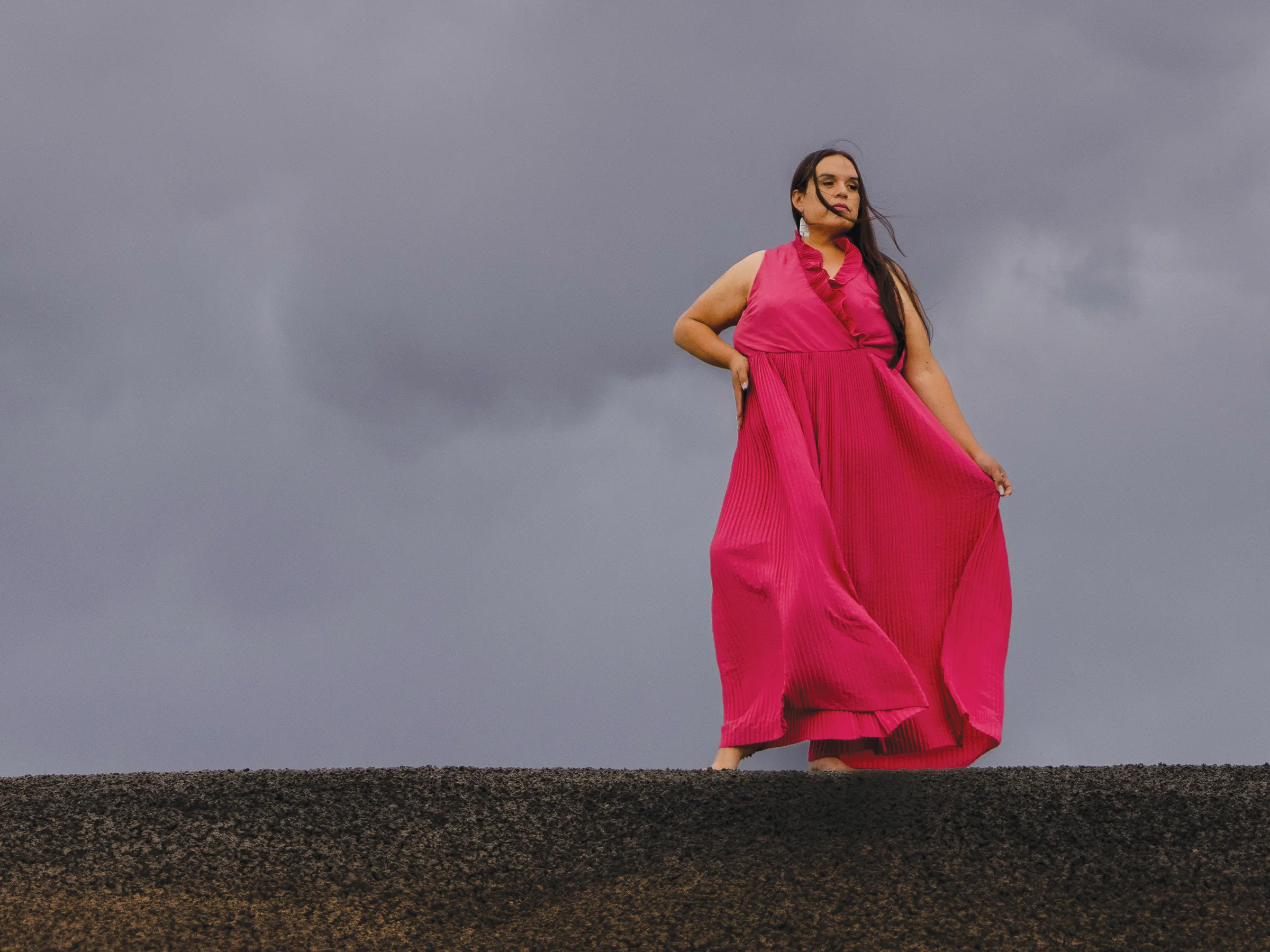
Ramonda Holiday, a Diné/Navajo R&B musician and the visionary founder of "Before the Rocks Cry Out," transforms profound personal experiences into a powerful narrative of healing and advocacy, launching an initiative that addresses critical health disparities within Indigenous communities. Her upcoming album serves as a poignant chronicle of her life, bravely recounting a journey from the depths of addiction and sex work as a trans woman in the early 2000s to a profound awakening marked by sobriety and spiritual deliverance. This deeply personal odyssey not only informs her artistry but also fuels her dedicated non-profit work, offering a unique blend of mental, spiritual, and physical health support through the universal language of music, primarily targeting Indigenous populations struggling with addiction and abuse.
The album’s narrative arc begins with raw, unflinching honesty, diving into the challenging realities of survival during a period when understanding and acceptance for transgender individuals, particularly trans women of color, were far less prevalent than today. Holiday’s lyrics paint vivid pictures of navigating systemic marginalization, societal prejudice, and the intense vulnerability inherent in her lived experience. For many transgender individuals in the early 2000s, access to affirming healthcare, safe housing, and employment was severely limited, often pushing them into precarious situations. The intersection of being Indigenous and transgender amplified these challenges, placing her at the nexus of multiple forms of discrimination and historical trauma. Her story resonates with countless individuals who have faced similar struggles, providing a voice for those who often remain unheard and offering a testament to the sheer resilience required to endure such circumstances.
As the album progresses, it marks a pivotal shift, detailing Holiday’s journey to sobriety and spiritual rebirth. This transition is not merely a personal triumph but a narrative of profound transformation, culminating in a gospel song penned during a period of incarceration. This particular piece serves as a heartfelt apology and a spiritual reckoning, encapsulating a moment of profound introspection and a commitment to a new path. It speaks to the redemptive power of self-reflection and the search for inner peace, a journey many individuals embark upon in recovery. This deeply personal narrative forms the bedrock of her advocacy, demonstrating that even from the most challenging beginnings, profound change and impactful service are possible.
This personal evolution directly inspired the creation of "Before the Rocks Cry Out," a non-profit organization rooted in the belief that holistic healing must encompass the mental, spiritual, and physical aspects of well-being. The organization’s focus on Indigenous communities is deliberate and crucial, recognizing the unique historical and ongoing trauma, cultural disconnection, and systemic barriers that often impede access to effective healthcare within these populations. Mainstream health services, often designed without cultural competency, can inadvertently alienate Indigenous individuals, leading to distrust and underutilization. "Before the Rocks Cry Out" strives to bridge this gap by offering support that is not only accessible but also culturally sensitive and deeply respectful of Indigenous traditions and spiritual practices.

The organization specifically targets individuals experiencing addiction and survivors of abuse, two pervasive issues that disproportionately affect Indigenous communities globally. Generations of colonial policies, forced assimilation, land dispossession, and systemic discrimination have resulted in intergenerational trauma, manifesting in elevated rates of mental health disorders, substance abuse, and violence. Holiday’s innovative approach confronts these challenges head-on by creating "safe spaces" where healing can commence. Instead of expecting individuals to navigate potentially intimidating or culturally insensitive traditional clinics, "Before the Rocks Cry Out" brings resources directly to the community, fostering an environment of trust and comfort.
A landmark event last year exemplified this innovative strategy, featuring renowned gospel artist Vicki Winans. This gathering was more than just a concert; it was a carefully curated experience designed to intertwine the uplifting power of music with practical support. Holiday strategically invited various behavioral health services from the region to participate, ensuring that attendees had immediate access to resources, information, and professional guidance. The fusion of inspirational gospel music, which often carries themes of hope, redemption, and spiritual strength, with direct access to mental health professionals, created an inviting and non-intimidating avenue for individuals to seek help. This model underscores the profound therapeutic potential of music, which transcends linguistic and cultural barriers, acting as a powerful catalyst for emotional expression, communal bonding, and spiritual renewal. For many, music provides a sense of belonging and understanding that verbal communication alone cannot achieve, making it an ideal medium for outreach to those who might otherwise be reluctant to engage with traditional support systems.
The global context of Ramonda Holiday’s work highlights the urgent need for culturally relevant and community-led healing initiatives. Across the world, Indigenous peoples continue to grapple with the enduring legacies of colonialism, including disproportionate rates of poverty, health disparities, and social marginalization. The World Health Organization and various international bodies have repeatedly called for greater investment in mental health services that are tailored to the specific cultural contexts of Indigenous populations, recognizing that a one-size-fits-all approach is often ineffective. Holiday’s model offers a tangible, replicable framework for addressing these complex issues, demonstrating how artistic expression and community engagement can be powerful tools for fostering resilience and promoting holistic well-being.
Furthermore, Holiday’s identity as a transgender woman advocating for marginalized communities adds another critical layer to her work. Transgender individuals, particularly those of color, continue to face systemic violence, discrimination, and barriers to healthcare access in many parts of the world. Her visible leadership provides a vital role model and a beacon of hope, demonstrating that transgender individuals are not only survivors but also powerful agents of change and healing within their communities. Her work champions intersectional advocacy, acknowledging that individuals exist at the crossroads of multiple identities, and that effective support must address these interwoven experiences.
"Before the Rocks Cry Out" stands as a testament to the transformative power of personal narrative and the universal capacity for healing. Ramonda Holiday’s journey from vulnerability to visionary leadership offers a compelling blueprint for how art, compassion, and community-driven initiatives can create meaningful change. By leveraging the therapeutic and unifying power of music, she is not only providing essential services but also nurturing a sense of belonging, cultural pride, and spiritual strength within Indigenous communities. Her work in Monument Valley echoes a global call for justice, equity, and holistic well-being, proving that even in the face of profound adversity, the human spirit can rise to inspire hope and facilitate profound collective healing.