Joko Susilo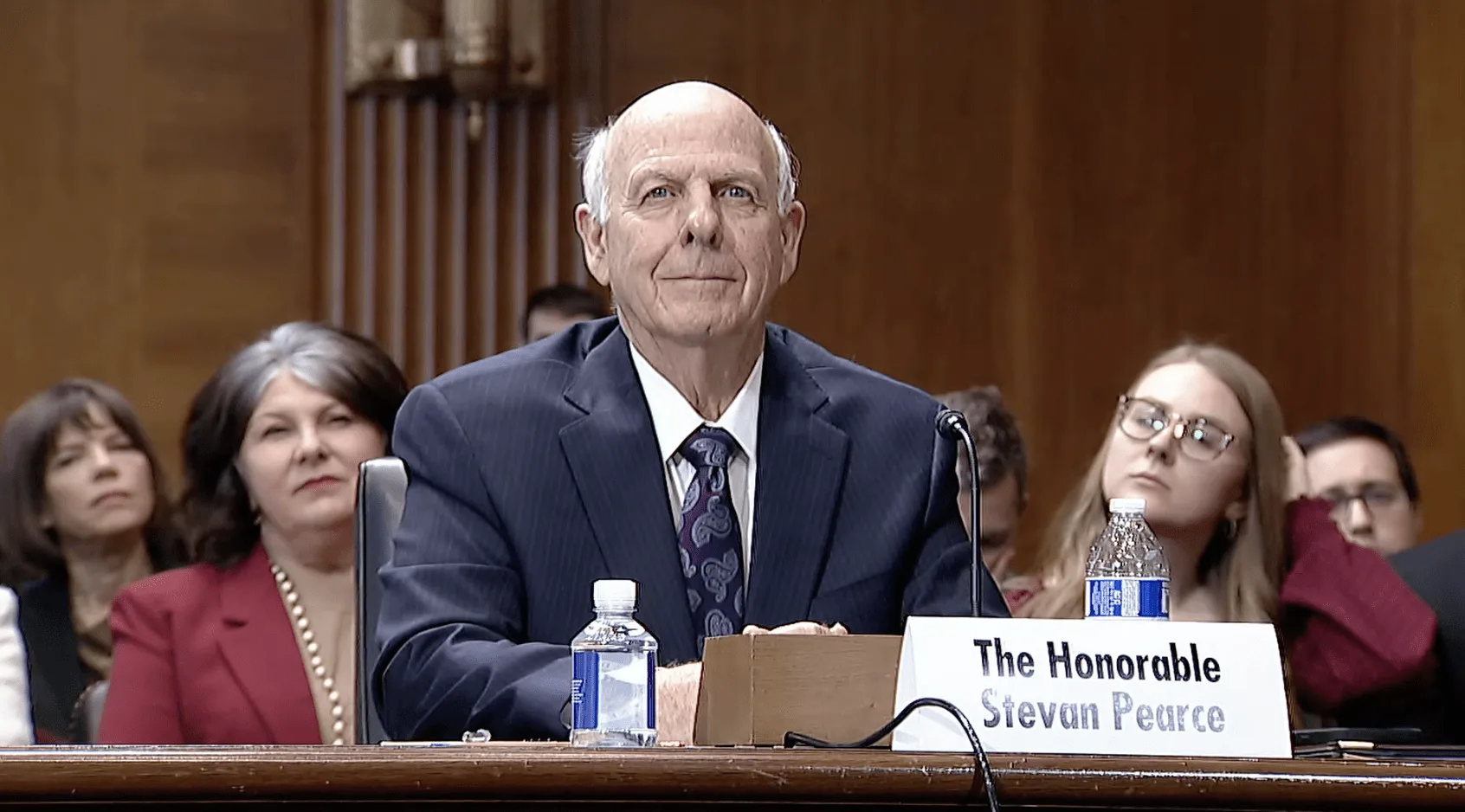
President Donald Trump’s nominee to lead the Bureau of Land Management (BLM), Steve Pearce, navigated a contentious confirmation hearing Wednesday, offering what critics described as contradictory explanations regarding his extensive record of advocating for federal land sell-offs. Pearce, a seasoned former Republican congressman from New Mexico, confronted a barrage of questions from the Senate Energy and Natural Resources Committee, primarily centered on his long-standing efforts to dismantle public land protections and promote their sale as a strategy to alleviate the national debt. Rather than disavowing his controversial past, Pearce instead underscored the inherent limitations of the BLM Director’s authority to unilaterally initiate such large-scale disposals of federal assets.
The Bureau of Land Management, an agency within the Department of the Interior, is responsible for managing over 245 million acres of public land, primarily in the Western United States. These vast stretches encompass a rich tapestry of ecosystems, from towering mountains and sprawling deserts to critical wildlife habitats and vital water sources. The BLM’s mandate is complex, balancing multiple uses including energy development, livestock grazing, timber harvesting, recreation, and conservation. This dual responsibility often places the agency at the nexus of fierce debate over land use and resource allocation, making the director’s role profoundly influential in shaping the future of America’s natural heritage. Pearce’s nomination, therefore, immediately drew widespread opposition from a diverse coalition of environmental groups, conservation organizations, and hunting and angling advocates who viewed his past legislative actions as fundamentally at odds with the agency’s stewardship mission.
During the hearing, Senator Ron Wyden (D-Ore.) directly challenged Pearce on his consistent legislative record concerning public lands. Pearce’s response, "I’m not so sure that I’ve changed," offered little comfort to those concerned about his long-held views. He quickly followed, however, with a strategic pivot: "I do not believe that we’re going to go out and wholesale land from the federal government," adding that "federal law says that we can’t do that from the BLM itself." This emphasis on the statutory constraints of the BLM director’s position became a recurring theme throughout his testimony, a rhetorical shield against direct accountability for his previous policy endorsements. When pressed on the designation of national monuments, Pearce deflected, stating it was a prerogative of the White House. Similarly, questions about supporting the sale of major federal land tracts were redirected to Interior Secretary Doug Burgum, framing the issues as beyond the direct purview of the BLM director.
Several senators, particularly those representing Western states, conveyed strong constituent concerns regarding Pearce’s historical advocacy for public land divestment. They highlighted a widely circulated letter that Pearce co-signed, urging former House Speaker John Boehner to sell federal lands to reduce the national deficit. This letter controversially asserted that "over 90% of [federal public] land is located in the Western states and most of it we do not even need." Such statements resonate deeply in states where public lands are not just economic engines but also integral to cultural identity and quality of life. Senator James Risch (R-Idaho) succinctly captured this sentiment, stating, "Idahoans do not want their public lands sold, period, full stop."
The opposition to selling federal public lands is not confined to political rhetoric; it is firmly rooted in public opinion across the American West. A recent Colorado College poll of Western state residents underscored this widespread sentiment, revealing that 76% of respondents opposed selling public land for housing development, and an even higher 74% opposed selling it for oil, gas, or mining operations. This strong public consensus reflects a deep appreciation for the recreational, economic, and intrinsic values these lands provide, from hiking and hunting to supporting local tourism economies and preserving critical ecosystems. The "Sagebrush Rebellion," a political movement dating back to the 1970s and 80s, which advocated for transferring federal lands to state control, periodically resurfaces, but direct calls for outright sales generally meet with significant public resistance.
While much of the direct criticism during the hearing came from Democratic members of the committee, its tone was notably tempered compared to the fervent backlash from public land advocacy groups in the preceding weeks. Senator Martin Heinrich (D-NM), in his opening statement, articulated the core concern: "[Pearce] called for the selling off of public lands. That makes it challenging for me to view his potential tenure at the BLM as one of stewardship." This highlighted the fundamental philosophical divide between those who view public lands as a shared national heritage to be conserved and those who see them as assets primarily for resource extraction or potential revenue generation.

A notable absence from the hearing’s questioning was any significant scrutiny of Pearce’s extensive ties to the fossil fuel industry and the potential conflicts of interest his appointment could entail. This omission raised eyebrows among watchdog groups and ethics experts. As previously reported by several investigative outlets, Pearce, who once headed the New Mexico State Republican Party, amassed considerable wealth within the oil-and-gas sector. His holdings include Trinity Industries, an oilfield services company he intends to transfer control of to his wife, as well as significant interests in multiple oil leases within the prolific Permian Basin, a critical region for U.S. oil and gas production. Furthermore, he maintains sizable investments in various fossil fuel and energy companies. If confirmed, Pearce would be legally required to divest many of these assets to avoid direct conflicts of interest.
The ethical implications of such ties are profound. As the head of the BLM, Pearce would directly oversee the agency’s oil and gas leasing programs, a role that involves making critical decisions on where and how energy development can proceed on federal lands. The perception of a director directly profiting from the industries they regulate can erode public trust and invite accusations of undue influence. During his congressional career, Pearce also received more than $2 million in campaign contributions from the oil and gas lobby, further entrenching his connections to the very industries whose activities he would now be tasked with managing and regulating. This confluence of personal financial interest, past political support, and future regulatory authority creates a challenging ethical landscape for his potential leadership of the BLM.
Despite the intense policy debates, Pearce attempted to humanize his stance by extolling the intrinsic value of public land access. He recounted growing up near Forest Service lands where his family vacationed, shared fond memories of spending time on federal public land outside Tucson, Arizona, with his granddaughter, and spoke of experiencing the "healing serenity of backpacking wilderness areas" after returning from Vietnam. These personal anecdotes aimed to portray a deep, personal connection to public lands, possibly to soften his image as a proponent of their sale.
However, a moment of perceived policy ignorance further fueled skepticism. When Senator Angus King (D-Maine) inquired whether Pearce believed Interior Secretary Doug Burgum’s directive—requiring his personal sign-off for all renewable energy projects on public lands—stood on firm legal ground, Pearce claimed insufficient familiarity with the policy to comment. This response drew sharp criticism from environmental advocates. Aaron Weiss, deputy director of the Colorado-based Center for Western Priorities, issued a statement asserting, "Based solely on his feigned ignorance of energy policy, Steve Pearce is unqualified to lead the Bureau of Land Management." Weiss further warned that Pearce’s ethics forms were "woefully inadequate and leave room for massive conflicts of interest if he is confirmed," echoing broader concerns about transparency and accountability.
Pearce’s nomination also comes with a unique political backdrop. He was not President Trump’s initial choice for the BLM leadership role. Kathleen Sgamma, a long-time oil and gas lobbyist, had abruptly withdrawn her nomination just hours before her scheduled confirmation hearing in April, after a watchdog group unearthed a private memo in which she had condemned Trump’s role in the January 6, 2021, attack on the U.S. Capitol. In stark contrast to Sgamma, Pearce has remained an unwavering loyalist and staunch defender of President Trump, even in the wake of the Jan. 6 events, rebuffing assertions that Trump incited violence. A now-deleted tweet from Pearce, posted days after the riot, famously declared that Trump "will be our President FOREVER and no one can take that away from us," underscoring his deep political allegiance.
The Senate Energy and Natural Resources Committee adjourned the hearing without a vote on Pearce’s nomination, leaving his fate, and by extension, the direction of public land management, in a state of uncertainty. The prolonged scrutiny of his record, coupled with the unaddressed ethical questions and the strong public sentiment against land sales, suggests a challenging path forward for his confirmation. The eventual decision will carry significant implications for the future of America’s vast public lands, impacting everything from energy development and economic activity in Western states to the preservation of critical ecosystems and recreational opportunities for generations to come.