Rocky Georgio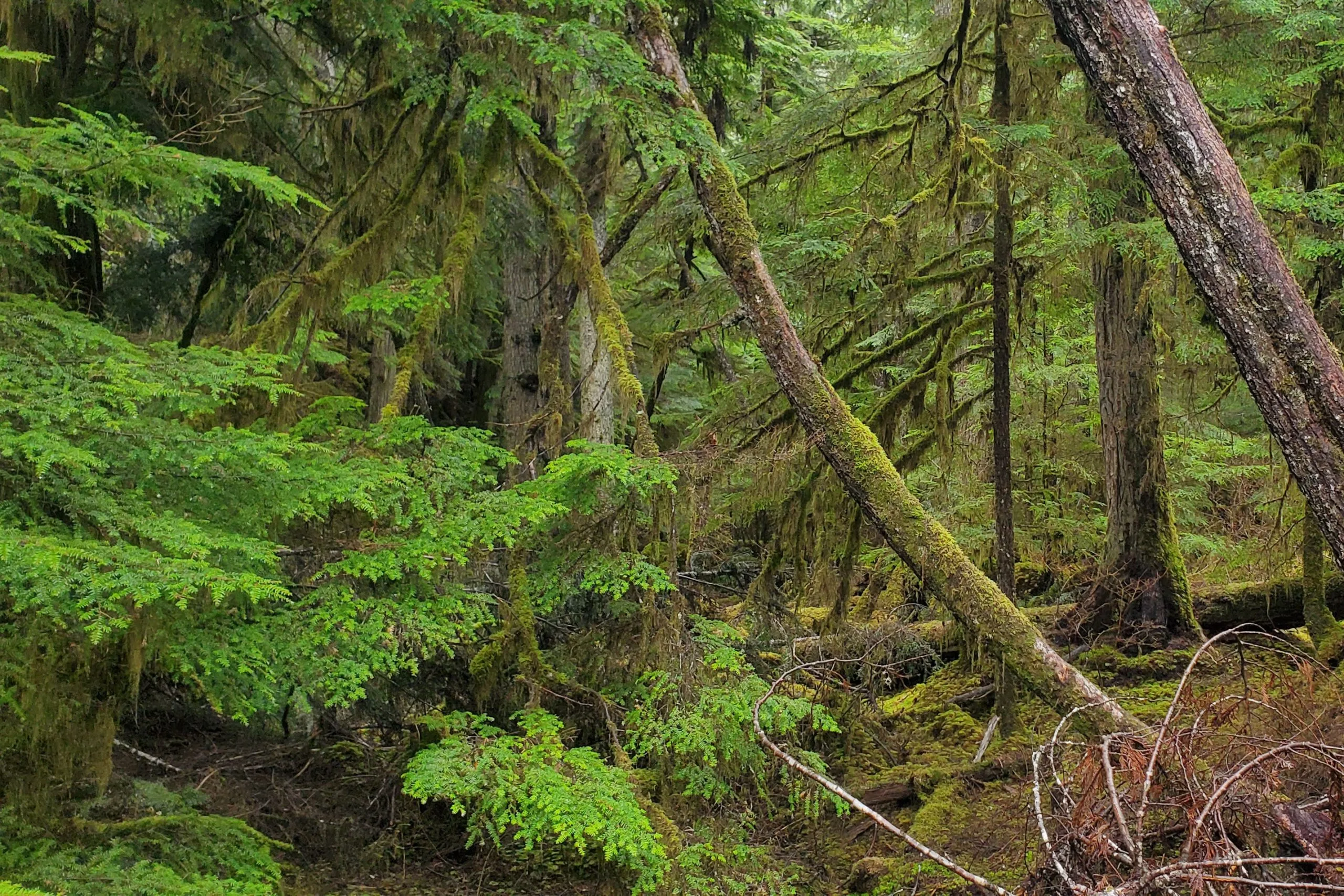
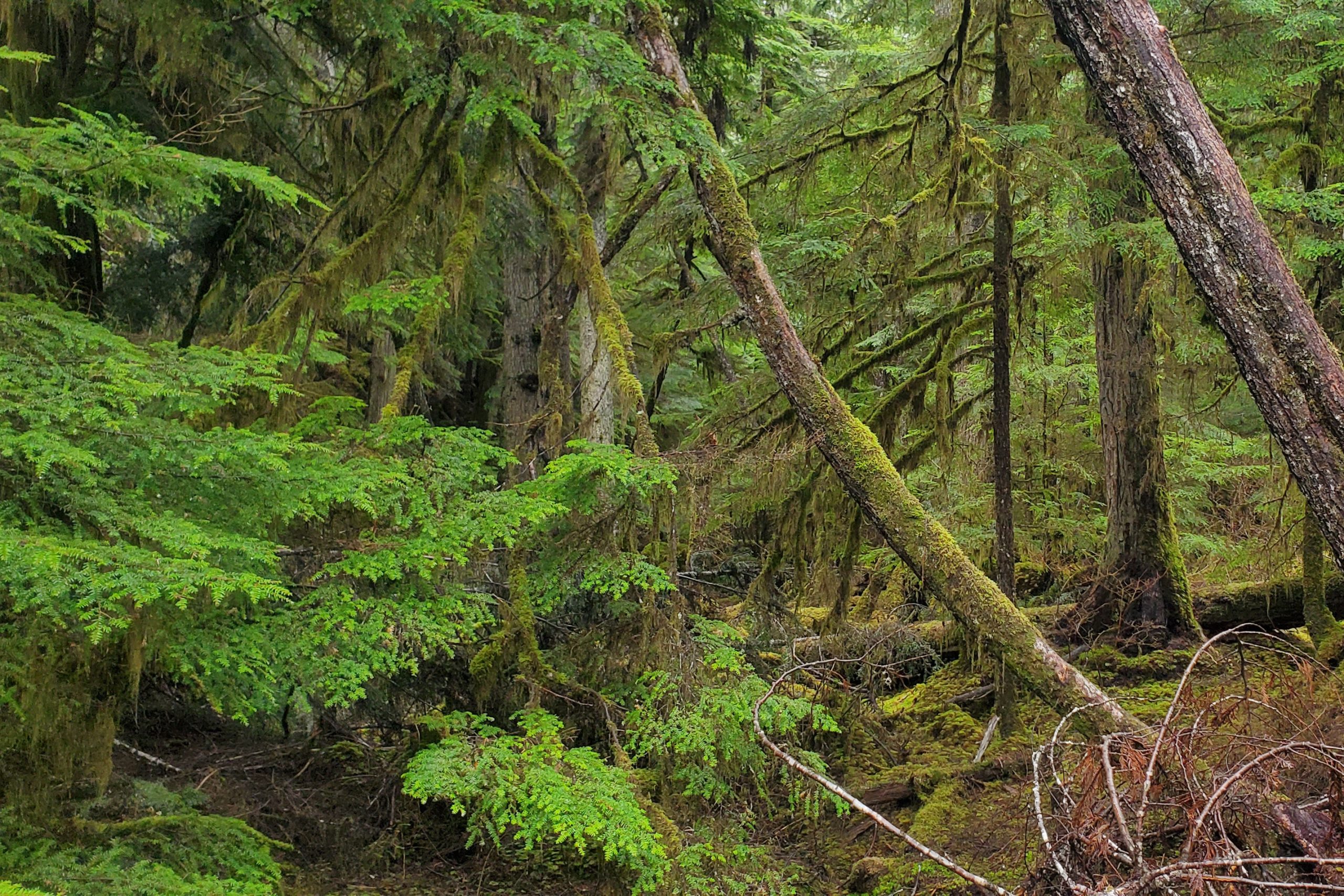
For a quarter-century, 58 million acres of American forest have remained untouched by new roads, logging equipment, and industrial development, effectively existing as "negative space" on industrial maps. This year, however, marks a dramatic and rapid departure from that status quo, as the 2001 Roadless Area Conservation Rule, which safeguarded some of the most secluded and pristine lands in the Western United States by prohibiting road construction and timber harvesting on 30% of U.S. Forest Service acreage, faces imminent repeal. This rule once served as a clear demarcation between industrial activity and natural landscapes, a boundary that has largely resisted the pervasive impact of development on surrounding areas.
On June 23, 2025, Secretary of Agriculture Brooke Rollins announced the intent to rescind the rule entirely, signaling a fundamental shift in national forest management. The process has since entered a critical phase, with the U.S. Department of Agriculture preparing to release a draft environmental impact statement and a formal proposed rule in the spring of 2026. This release will trigger a final public comment period, culminating in a definitive decision expected by late 2026.
This significant policy change is further amplified by a formal reorganization order for the Forest Service issued by the USDA on March 31. This structural overhaul, which includes the potential relocation or closure of regional offices and science centers, is widely seen as an effort to accelerate the implementation of resource extraction directives. While specific timelines are still being developed, this reorganization clearly indicates a pivot towards a more streamlined, extraction-focused management model for the agency.
These sweeping changes trace their origins to a presidential executive order signed on March 1, 2025. Executive Order 14225, titled "Immediate Expansion of American Timber Production," mandates a 25% increase in timber volume harvested from federal lands. Secretary Rollins subsequently issued an "emergency situation determination" on April 15, covering an extensive 112.6 million acres of national forest system land. This order cited the urgent need for rapidly scaled-up timber extraction, ostensibly to mitigate losses attributed to wildfires and insect infestations. The geographic scope of this memorandum is particularly striking, as the areas now designated for logging on a scale not witnessed since the 1970s significantly overlap with more than half of the acreage previously protected by the Roadless Rule. This effectively fast-tracks the opening of approximately 25.7 million acres of pristine landscape to logging, allowing the industry to commence operations before the formal repeal of the rule is finalized.
This administrative acceleration also bypasses a critical legal and ethical obligation: the federal mandate to consult with federally recognized tribal governments. These governments, possessing inherent sovereignty, treaty and reserved rights, and deep ancestral connections to vast tracts of federal land, have ancestral ties to approximately 44.7 million acres within inventoried roadless areas across 36 states. These very lands are now directly threatened by the USDA’s proposed rescission. The federal government’s apparent failure to engage in meaningful consultation with these sovereign nations constitutes a violation of its own longstanding regulations, including USDA executive orders that mandate collaborative engagement.

The Forest Service has already begun to expedite projects, leveraging the "emergency situation" designation to bypass standard environmental reviews on roadless national forest lands even while the formal repeal process is ongoing. This creates a scenario where the physical character of the backcountry can be irrevocably altered by new road construction and timber harvesting long before the legal status of the land is officially changed. For many observers, the pressing question is no longer if the Roadless Rule will be repealed, but rather how much of the roadless landscape will remain intact by the time the legal and administrative processes conclude.
The 2001 Roadless Rule was initially enacted in response to an $8.5 billion backlog in road maintenance within the Forest Service. It represented a pragmatic acknowledgment that the agency could not sustain, let alone expand, its existing 380,000-mile road network – the largest managed road infrastructure of any single government entity globally. Beyond addressing fiscal concerns, the rule protected the ecological integrity of the 30% of forest lands that remained undeveloped. These inventoried roadless areas were designated to preserve vital wildlife corridors, safeguard clean watersheds, and maintain a baseline of biological diversity, ensuring these 58 million acres remained the most resilient portions of the national forest system, shielded from the habitat fragmentation that inevitably follows industrial development. The rule also served as a form of budgetary insurance, allowing the government to avoid the escalating costs associated with maintaining roads in steep and unstable terrain. The current move to repeal it suggests a return to a management philosophy where infrastructure costs are subsidized by timber receipts, a model that many economists argue was the primary driver of the agency’s substantial maintenance backlog in the first place.
Recreation has long been a prominent argument in public discourse for maintaining the Roadless Rule. The logic is readily apparent: 159 million annual visitors seek out the 77,000 miles of recreational trails and 2,500 miles of designated Wild and Scenic Rivers that lie within roadless areas. Outdoor recreation on Forest Service lands contributes over $45 billion annually to the nation’s gross domestic product, a figure that consistently surpasses the economic footprint of industrial logging, especially when considering the long-term sustainability of tourism compared to the cyclical boom-and-bust nature of timber harvesting.

Beyond recreational pursuits, roadless areas provide tangible economic, cultural, and health benefits to a vast number of Americans, irrespective of whether they ever visit a national forest. In rural communities across the nation, the presence of intact, roadless backcountry is a significant driver of property values, a crucial source of drinking water, and a vital resource for local business revenue. Approximately 125.5 million people, roughly 39% of the continental United States population, rely on Forest Service lands for about 10% of their drinking water. These areas function as expansive natural filtration systems, purifying pollutants and regulating the timing of snowmelt. The current directive targets 32.25 million acres of what the Forest Service classifies as high-importance drinking water landscapes. Decades of Forest Service research consistently identify roads as the primary cause of water quality degradation in forested environments. The construction of roads into steep backcountry slopes fundamentally alters natural mountain hydrology, creating channels for soil erosion and increasing sedimentation in streams. This can overwhelm municipal water filtration systems, necessitating costly upgrades to water treatment infrastructure. The Roadless Rule effectively acted as an insurance policy for American taxpayers, protecting the purity of headwaters from unchecked development. Now, the legal safeguards that once prevented road construction in these sensitive watersheds have been significantly diminished.
This intensified push for resource extraction also impacts approximately 20 million acres of critical habitat for endangered or threatened species. For many animals, a road represents more than just a physical barrier; it signifies a disruption to migration routes and a constant source of stress. The fragmentation of large, contiguous habitats into smaller, isolated patches is one of the leading drivers of species decline. Furthermore, the issue of wildfire is complex. While the USDA cites wildfire mitigation as a justification for the emergency order, data from the Western Fire Chiefs Association indicates that the majority of wildfire ignitions – over 90% in some regions – are human-caused. The addition of hundreds of miles of logging roads into previously roadless tracts inevitably increases the risk of accidental ignitions by expanding human and vehicle access into the heart of forests. Industrial logging practices can exacerbate fire risk in the short term by leaving behind slash, or debris piles from cut trees, which dry out rapidly and act as kindling. By removing large, fire-resilient trees and opening the forest canopy, logging can alter the forest’s microclimate, making it hotter, windier, and more susceptible to the rapid spread of fires.
The most immediate logging activities are currently planned for the Pacific Northwest and Northern Rockies. Under President Trump’s Timber Extraction Directive, the Forest Service is working towards a 25% increase in timber volume, aiming to reach 4 billion board feet by 2028. In certain national forest districts, planning has advanced to the site-specific phase, where the use of the emergency designation allows contractors to begin establishing survey camps and salvage infrastructure in a fraction of the traditional timeframe. This industrial acceleration poses a significant threat to the recovery of ecosystems that are only now beginning to stabilize. In Alaska, for instance, where the Tongass National Forest encompasses 9.2 million roadless acres, the threat is both ecological and economic. The Tlingit & Haida Nations have formally requested that the USDA suspend its decision until meaningful consultation can be conducted. Joel Jackson, president of the Organized Village of Kake, a federally recognized Tlingit tribe, stated, "Our forests are just now healing from the extensive clear-cut logging in the past. Number one is food security, and our deer and moose are rebounding. The remaining old growth timber is so important for providing shelter, the berries and our medicines. It provides shade for our streams to keep them cool, so our salmon can return year after year." Judith LeBlanc, executive director of Native Organizers Alliance and a member of Oklahoma’s Caddo Nation, commented, "The Trump administration has weakened environmental impact assessments by cutting public comment periods and limiting reviews of impacts on public lands. On top of that, they have also refused to engage in the legally required consultations with Tribal nations. Tribes have an inherent right to determine the future of their ancestral homelands. Consultation and consent is not optional."

Across the board, public sentiment remains overwhelmingly in favor of preservation, creating a significant disconnect between the administration’s actions and the views of the citizenry. An analysis by the Center for Western Priorities, a nonprofit advocating for clean energy and conservation in the West, of the 625,000 comments submitted by the public during the initial government comment period in September revealed that 99% of respondents favored retaining the Roadless Rule – a level of consensus rarely seen in federal rulemaking processes. Despite this overwhelming opposition, a new comment period is expected following the release of the draft environmental impact statement. Many critics contend that this comment period is merely a formality, given that the emergency order permits projects to advance far more rapidly than the typical multi-year planning cycle. A substantial number of these projects are anticipated to be actively underway on the ground as early as this summer.
The emergency logging directive represents a fundamental shift towards a commodity-driven management style that treats national forests more like timber warehouses than complex, multifunctional ecosystems. It effectively trades long-term ecological services, such as carbon sequestration, water filtration, and wildlife habitat, for short-term industrial access. The framing of an "emergency" enables a level of resource extraction not seen on public lands in half a century. As the Forest Service proceeds with the implementation of this directive, America’s roadless areas are entering a period of profound uncertainty. The long-term costs – measured in degraded water quality, lost recreation revenue, increased wildfire potential, and the decline of sensitive species – will ultimately far outweigh the short-term volume of timber extracted from these lands. The current administration’s vision of public lands as a temporary resource stands in direct opposition to the foundational mandate of the Forest Service, as articulated by its first chief, Gifford Pinchot: "to provide the greatest good for the greatest number of people in the long run."