Johny Prima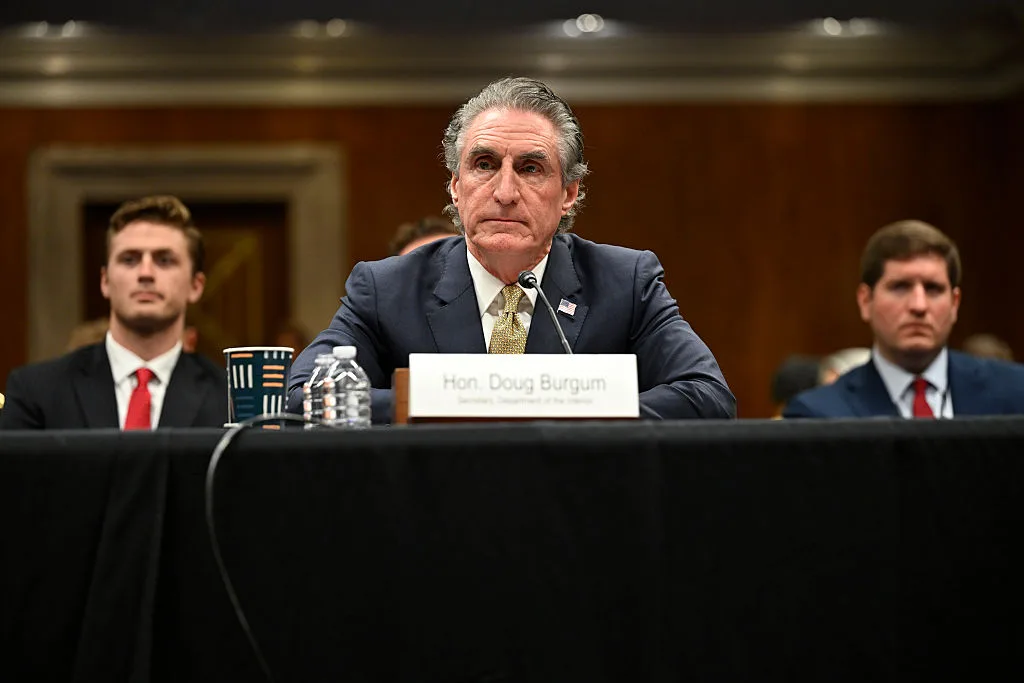
The Bureau of Indian Affairs (BIA), a pivotal agency within the U.S. Department of the Interior, is poised for another significant overhaul, including further substantial staff reductions, a move that has ignited strong opposition from tribal leaders nationwide. This revelation emerged during a recent congressional hearing focused on federal funding for Indigenous communities for fiscal year 2027, where tribal representatives voiced grave concerns about the implications for essential services and the integrity of the federal trust responsibility. Mark Macarro, president of the National Congress of American Indians (NCAI) and chairman of the Pechanga Band of Indians, delivered the stark warning to lawmakers, asserting that a reorganization plan, set to implement deep cuts to personnel critical for program administration and funding distribution, was being pursued without the requisite consultation with tribal nations. This alleged lack of engagement and disregard for potential impacts has become a central point of contention, threatening to further strain already delicate federal-tribal relations.
Macarro’s testimony highlighted the profound frustration within Indian Country, stating, "Just this week, we learned that the Bureau of Indian Affairs is planning on releasing and implementing a reorganization plan that will make significant cuts to the staff critical in administering programs and distributing funding to tribal nations." He emphasized the unilateral nature of the decision, noting, "This action has been done without consultation with tribal nations and without consideration of the impact it will have on the delivery of programs and services." This new wave of proposed cuts comes on the heels of an intensive, year-long reorganization across the Department of the Interior that has already resulted in an 11% reduction in the Indian Affairs workforce. The consequences of these prior reductions are already well-documented, with the Government Accountability Office (GAO) reporting that the staffing cuts have "caused delays in carrying out work, left regions and agencies with critical gaps, an exacerbation of previously identified issues with lack of sufficient workforce capacity." These delays directly impede critical functions ranging from land-into-trust applications and water rights negotiations to tribal justice support and economic development initiatives, all of which are fundamental to tribal sovereignty and self-determination.
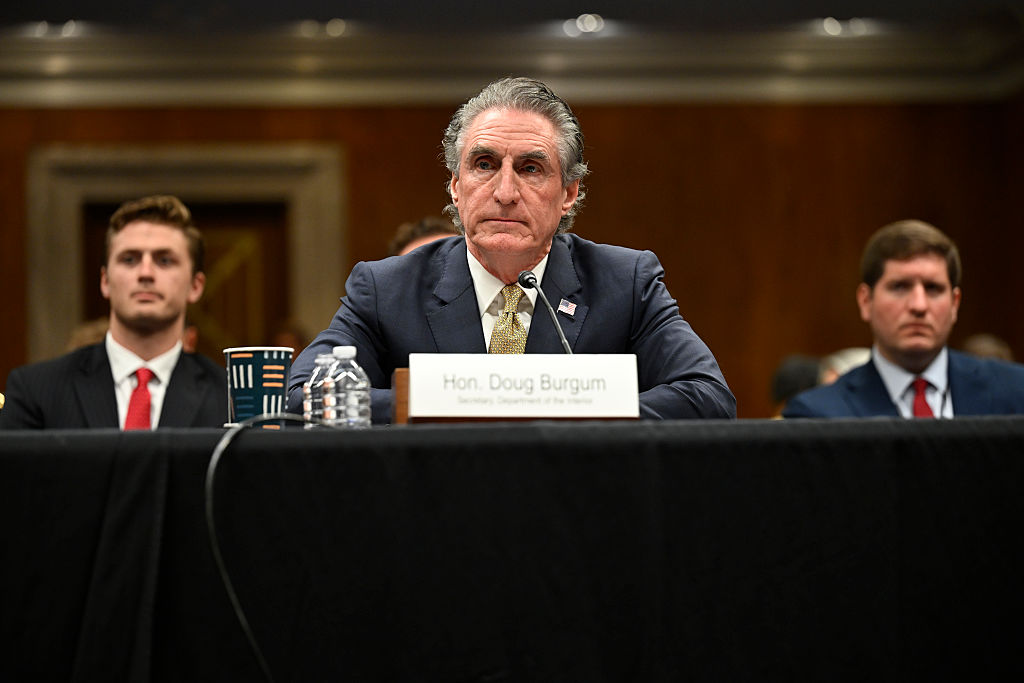
While Macarro did not elaborate on the specific details of the planned reorganization or the precise manner in which the information was obtained, the Department of the Interior offered its perspective. Assistant Secretary for Indian Affairs Billy Kirkland, in an emailed statement, affirmed the agency’s commitment to federal responsibilities to tribal communities. Kirkland stated, "Under President Trump’s leadership, we are prioritizing maximizing resources and enhance operational effectiveness across the organization to cut bureaucratic waste. These efforts reflect our commitment to streamlining government operations while ensuring that Indian Affairs efforts remain strong, effective, and impactful." He further articulated the administration’s philosophy, asserting, "This administration believes that a more effective path forward is one that reduces federal overreach and empowers tribal governments to tailor solutions that best meet the unique needs of their communities. This shift in approach will ultimately foster greater self-governance and more responsive, culturally relevant services."
However, tribal leaders argue that genuine empowerment and self-governance cannot be achieved through unilateral federal actions that diminish the capacity of agencies designed to uphold treaty obligations and the federal trust. The BIA, established in 1824, has a complex and often controversial history, transitioning from an instrument of assimilation to an agency tasked with supporting tribal governments and delivering services. Its current mandate includes critical functions like managing tribal lands held in trust by the U.S. government, funding education through the Bureau of Indian Education (BIE), supporting tribal law enforcement, and facilitating economic development. Deep cuts to its already strained workforce directly undermine its ability to fulfill these obligations, thereby eroding the trust relationship that is paramount to federal-tribal policy.
Macarro’s plea to the congressional committee underscored this point: "We urge the committee to encourage Indian Affairs to reverse course and engage in robust and collaborative consultations with tribal nations before taking any action that would imperil the already understaffed Indian Affairs workforce." This call for consultation is not merely a procedural request but a fundamental demand rooted in treaty rights, executive orders, and departmental policies that mandate government-to-government engagement before decisions impacting tribal nations are made. The absence of such consultation on a matter as critical as agency restructuring and staffing levels is seen as a direct affront to tribal sovereignty.
Adding to the controversy, the latest reorganization plans appear to contradict previous assurances given to the Government Accountability Office. A GAO report published in January revealed that as of December 2025, Indian Affairs officials had stated there were "no plans to reorganize or further reduce the workforce," although they acknowledged that "existing functions might need to be restructured or realigned to achieve administration priorities." The rapid shift in this position has fueled skepticism and distrust among tribal leaders regarding the agency’s transparency and commitment to consistent policy. The GAO report detailed significant workforce reductions that have already taken place since January 2025, with the Bureau of Indian Affairs losing 13% of its staff, the Office of the Assistant Secretary for Indian Affairs seeing a substantial 27% reduction, and the Bureau of Indian Education experiencing a 5% decline. These cuts were not uniform, disproportionately impacting critical regional offices: the Pacific Regional Office lost 29% of its staff, the Southern Plains office saw a 26% reduction, and the Alaska Regional Office faced a 22% decrease. These figures are particularly alarming given that the BIA has been consistently identified as understaffed and underfunded for many years, struggling to meet the growing needs of over 570 federally recognized tribes.
The impact of these staffing shortfalls extends far beyond bureaucratic inconvenience. It translates into real-world consequences for tribal communities, manifesting as protracted delays in processing vital financial assistance, approving critical infrastructure projects, and providing essential social services. For instance, reduced staff in land management can slow down energy development or agricultural leases on tribal lands, directly impacting tribal economies. Insufficient personnel in law enforcement support can compromise public safety in remote Indigenous communities. The GAO noted that Indian Affairs officials had not yet analyzed the projected cost savings from these cuts, raising questions about the efficacy and rationale behind the measures.

The challenges are not confined to the Department of the Interior. Parallel concerns have been raised within the U.S. Department of Agriculture (USDA), which also serves tribal nations in crucial areas like food security, land management, and rural development. At the same congressional hearing, Cody Desautel, President of the Intertribal Timber Council and a member of the Colville Confederated Tribes, reported that the Office of Tribal Relations within the USDA had already lost approximately 75% of its staff in the past year. This office serves as a primary point of contact for tribal nations on a vast array of issues, from policy consultations and co-stewardship agreements for national forests to supporting tribal food programs. Desautel acknowledged recent improvements in Forest Service consultation but stressed that severe staffing shortages remained a critical impediment to effective partnership.
The USDA itself is embarking on a proposed reorganization that could lead to further staff losses, a plan that has also met with robust opposition from tribal leaders. Two tribal consultations held last fall regarding these plans occurred notably during a government shutdown, further complicating engagement. As reported by Government Executive, tribal leaders voiced strong objections to the USDA’s reorganization, citing the department’s failure to consult before introducing the plan, the inevitable disruption to services, and the long-term negative impact on tribes, despite the justification as a cost-saving measure. A summary of these consultations revealed a tribal leader describing the reorganization as "a failure of USDA to adhere to its own consultation policy," while another warned that "mass relocations will destroy irreplaceable knowledge about Treaty rights, forest conditions, and working relationships built over decades, and new staff unfamiliar with the land will make mistakes." This highlights the invaluable institutional knowledge and relationship-building that is lost with staff turnover and cuts, particularly in agencies dealing with complex historical, legal, and environmental issues specific to Indigenous lands.
The cumulative effect of these proposed and existing staffing cuts across federal agencies serving Indigenous communities poses a severe threat to the federal government’s ability to uphold its trust and treaty obligations. It undermines tribal sovereignty, impedes self-governance initiatives, and ultimately jeopardizes the well-being and progress of Native American nations, demanding urgent and collaborative reconsideration from policymakers.