Johny Prima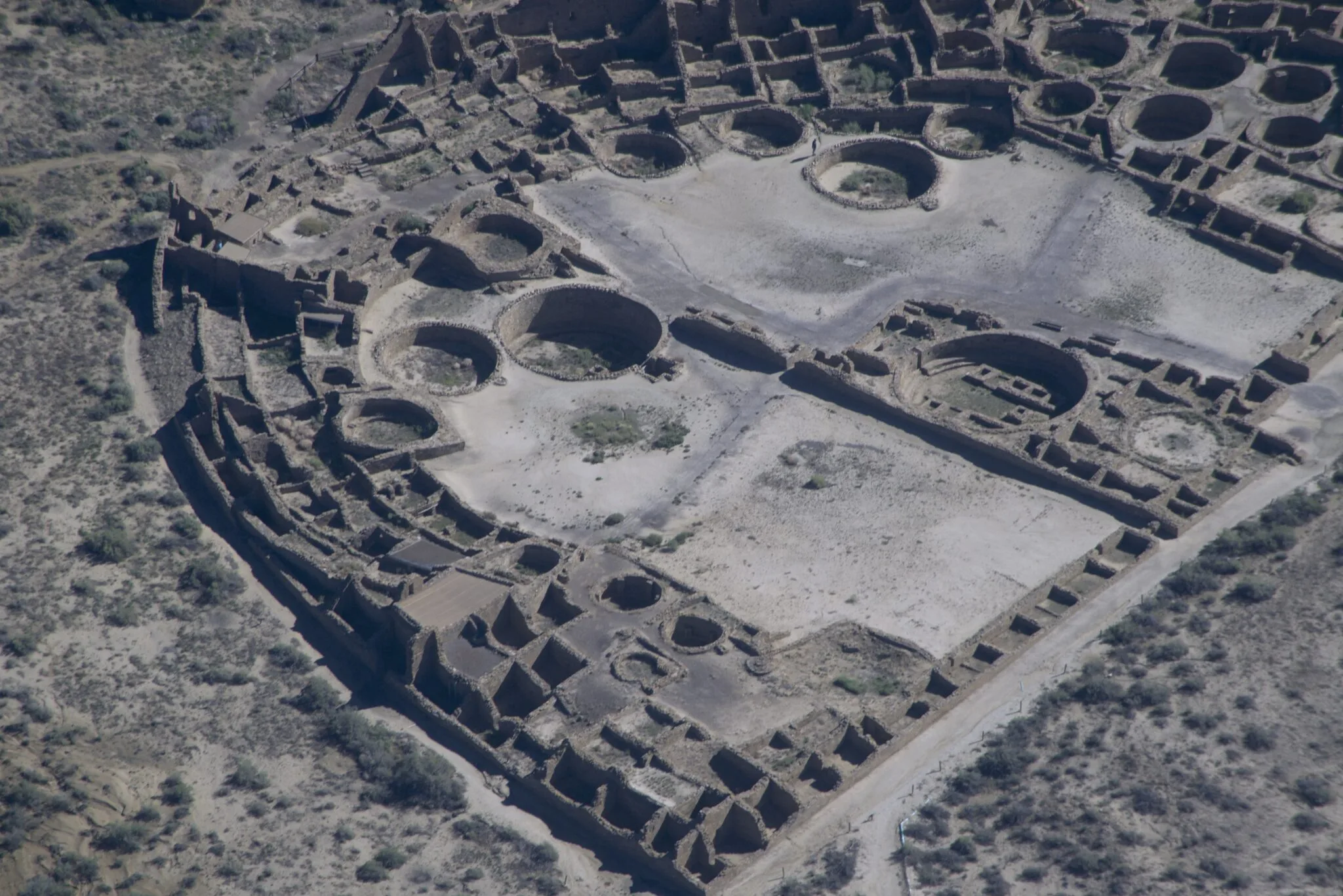
New Mexico’s federal delegation and tribal officials have launched a unified protest against the administration’s accelerated efforts to dismantle a crucial federal ban on oil and gas drilling in the revered lands surrounding Chaco Culture National Historical Park. The contentious move, characterized by critics as a brazen attempt to bypass democratic processes, allows for an unusually brief and restrictive public comment period, triggering accusations of profound disrespect towards Indigenous communities and the historical integrity of a globally significant site.
For the past year, the administration has actively pursued a proposal to revoke a Biden-era directive, Public Land Order No. 7923, which established a 20-year moratorium on new oil and gas leasing and development on federal lands within a 10-mile radius of Chaco Canyon. This protective buffer zone was meticulously crafted to safeguard the invaluable cultural and spiritual landscape that defines Chaco, a UNESCO World Heritage site that holds immense ancestral significance for numerous Pueblo and Navajo communities.
On Monday, the U.S. Bureau of Land Management (BLM) published an online announcement initiating a mere seven-day "scoping period" for public comment as part of an environmental review process. This truncated window, slated to conclude on April 7, conspicuously overlaps with major religious observances including Easter, Passover, and several traditional holidays central to Pueblo life. The narrow timeframe, coupled with the exclusive reliance on an online submission portal, has ignited a firestorm of condemnation from New Mexico’s political leaders and Indigenous advocates.
The entirety of New Mexico’s congressional delegation, all Democrats, swiftly issued vehement statements criticizing both the proposed reversal of protections and the egregious brevity of the comment period. U.S. Senator Martin Heinrich, a prominent voice on the U.S. Senate Energy and Natural Resources Committee, underscored the profound cultural value of the site. "Chaco Canyon is a living cultural landscape that holds deep historical meaning and is a sacred space for many of our New Mexico Tribes," Senator Heinrich stated, asserting that the site "is not just one more place to drill." He further decried the administration’s actions as demonstrating an unbounded "disrespect toward New Mexicans."
Echoing Heinrich’s sentiments, U.S. Senator Ben Ray Luján characterized the seven-day comment period as "inadequate and disgraceful" when considering the monumental stakes involved in the fate of a "1,000-year-old sacred site." Their collective efforts to secure Chaco’s enduring protection include the reintroduction of legislation last April aimed at establishing permanent safeguards for the canyon.
New Mexico Land Commissioner Stephanie Garcia Richard, who independently enacted a 20-year prohibition on oil and gas activities across more than 72,000 acres of state trust lands within Chaco’s protective perimeter in 2023, also joined the chorus of opposition. She branded the administration’s scheme to reopen the area to energy development as a "disastrous plan," advocating strenuously for a substantially extended and more accessible public comment process. Garcia Richard articulated the sentiment of many, saying, "Giving only seven days for communities to respond, with no public meetings planned, is a slap in the face to the people who have called this place home long before there ever was a United States government."
Tribal leaders have voiced particular alarm over the procedural limitations imposed by the BLM. Acoma Pueblo Governor Charles Riley highlighted the critical issue of digital inequality, telling Source NM that the requirement for online-only submissions presents a "substantial barrier" for many tribal members. "Too many of our community members and elders have inconsistent or unreliable internet access," Riley explained, emphasizing that "this approach basically excludes voices that should be included." The All Pueblo Council of Governors, representing 19 sovereign Pueblo nations, expressed deep dismay at the federal government’s move to undermine the existing protections. Chairman Joey Sanchez of Santa Ana Pueblo reiterated the unyielding reverence for the site, declaring, "Chaco Canyon will always be revered and respected as a sacred place by Pueblo people. We will use our collective voice to continue the fight."
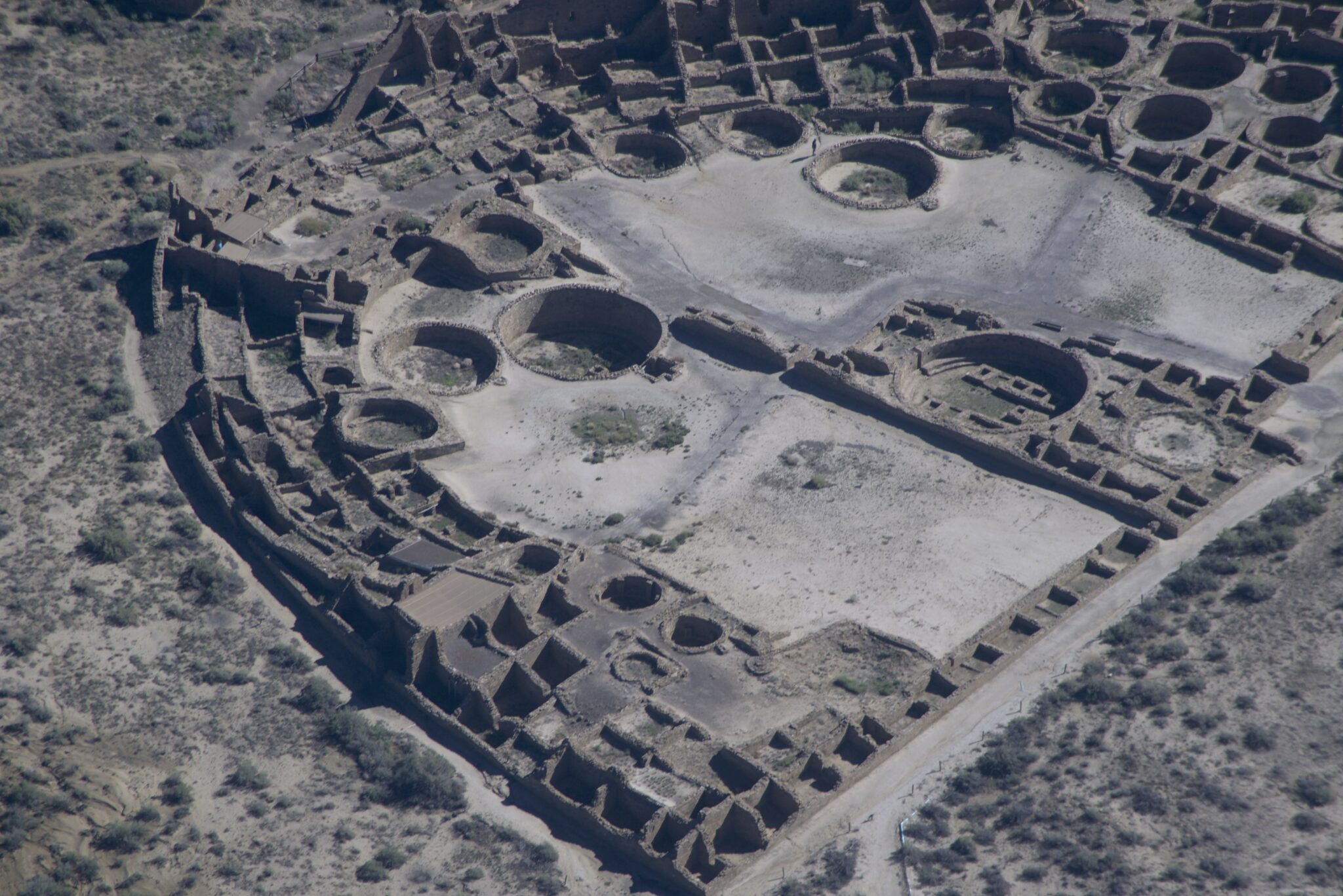
Chaco Culture National Historical Park, nestled in northwestern New Mexico, stands as an unparalleled testament to the ingenuity and spiritual depth of the Ancestral Puebloans. Flourishing between 850 and 1250 CE, Chaco Canyon served as a major center of culture, trade, and ceremony, boasting monumental multi-story masonry "great houses" like Pueblo Bonito, intricate road systems, and sophisticated astronomical alignments. Its exceptional universal value, recognized by UNESCO, lies in its complex societal organization, advanced architectural and engineering skills, and profound spiritual significance that continues to resonate with contemporary Indigenous peoples. For generations, Chaco has been considered an ancestral homeland, a place of pilgrimage, and a vital link to cultural identity for the descendants of its original inhabitants.
The proposed reversal by the administration aligns with a broader agenda of prioritizing domestic energy production, a policy often championed under the banner of energy independence and economic growth. The San Juan Basin, where Chaco Canyon is situated, has a long history of natural gas and oil extraction, contributing significantly to New Mexico’s state revenue and employment. However, this economic impetus frequently clashes with the imperative to protect irreplaceable cultural sites and the fragile desert environment. Oil and gas development in close proximity to such sites poses multiple threats, including visual and auditory disturbances from drilling rigs, roads, and associated infrastructure; increased air pollution from methane and other volatile organic compounds; potential contamination of scarce water resources; and the destruction of archaeological resources. These impacts not only degrade the visitor experience and the natural landscape but also desecrate lands sacred to Indigenous peoples, hindering their ability to practice traditional ceremonies and maintain their cultural connections.

The restrictive public comment period raises significant legal and ethical questions regarding compliance with federal statutes such as the National Environmental Policy Act (NEPA) and the Administrative Procedure Act (APA). NEPA mandates that federal agencies conduct thorough environmental reviews for actions that could significantly affect the environment, requiring meaningful public involvement. A truncated, online-only comment period, particularly one scheduled during major holidays, severely limits public participation and undermines the spirit of transparent governance and informed decision-making. Critics contend that such a process may be legally vulnerable and demonstrates a predetermined outcome rather than a genuine solicitation of public input.
Furthermore, the federal government maintains a unique trust responsibility to Native American tribes, obligating it to protect tribal lands, resources, and cultural heritage. Meaningful consultation with tribes is a cornerstone of this responsibility, extending far beyond a limited online comment portal. The digital divide, a persistent challenge in many rural and Indigenous communities, renders online-only engagement inherently inequitable, effectively silencing voices that should be at the forefront of decisions impacting their ancestral lands. This situation exemplifies a global tension between the pursuit of economic development through resource extraction and the preservation of irreplaceable cultural heritage and ecological integrity, a balance many nations grapple with in their protected areas.
The concerted opposition from New Mexico’s political establishment and Indigenous communities signals a protracted battle over Chaco Canyon’s future. Advocates are preparing to leverage legislative avenues, potential legal challenges, and continued public advocacy to ensure that the sacred landscape of Chaco receives the permanent protection it deserves. This ongoing conflict underscores the profound and enduring value placed on ancestral lands and cultural heritage, asserting that some places transcend economic calculations and must be preserved for their intrinsic worth and the generations to come.