Johny Prima
The integrity of Indigenous identity, a cornerstone of cultural survival and self-determination, faces an intensifying crisis marked by pervasive fraudulent claims to Native heritage. Recent headlines have spotlighted numerous public figures, including Sacheen Littlefeather, Elizabeth Warren, Thomas King, and Elizabeth Hoover, whose assertions of Indigenous ancestry have been revealed as unfounded or outright fabrications. This widespread phenomenon, colloquially termed "pretendianism," remains a deeply contentious and often underexamined issue, even within Native communities themselves. The discourse is politically charged and socially volatile, frequently devolving into online crusades where self-appointed "pretendian hunters" pursue social media recognition. While the problem of identity fraud is undeniably real and causes significant harm, these often-vicious vigilante efforts risk conflating personal vendettas and flawed methodologies with legitimate concerns for Indigenous peoples, further complicating an already delicate landscape.
Amidst this fraught environment, scholar and author Dina Gilio-Whitaker (Colville) bravely confronts the intricate challenges of "pretendianism" in her seminal new book, Who Gets to be Indian? Ethnic Fraud, Disenrollment, and Other Difficult Conversations About Native American Identity. Gilio-Whitaker argues for an honest, rational, and vulnerable conversation, one that transcends the toxicity of social media spaces to delve into the profound historical and systemic roots of this contemporary dilemma. Her work seeks to illuminate not only the phenomenon of individuals falsely claiming Native identity but also its inverse counterpart: tribal disenrollment, where legitimate members are stripped of their communal ties. Both, she contends, are products of the enduring legacies of colonialism and capitalism.
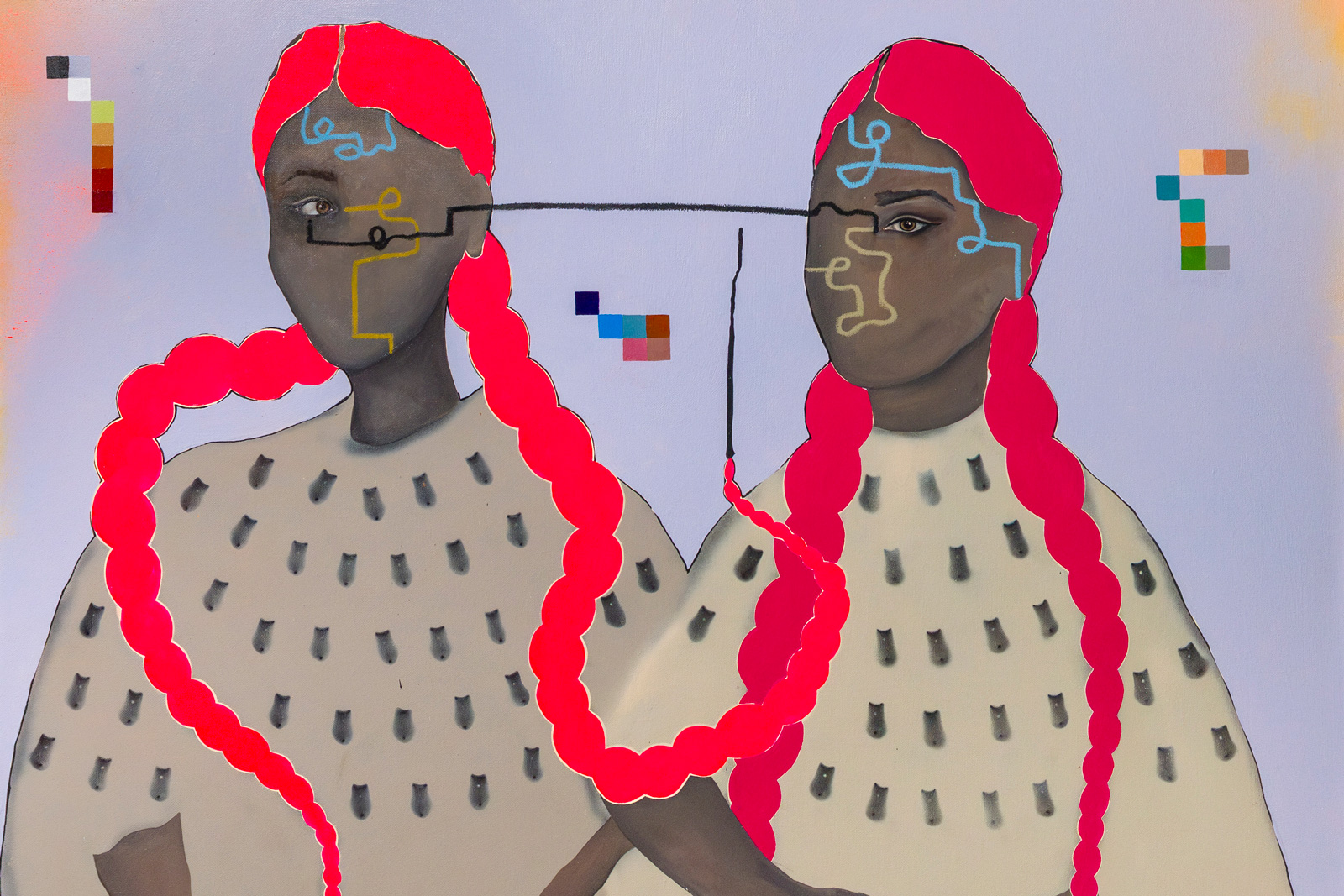
Gilio-Whitaker highlights the historical reluctance within many Native circles to openly discuss identity fraud. This reticence, she explains, stems directly from the relentless assaults on Indigenous identities throughout centuries of colonialism. From the moment of European arrival, Native peoples’ self-conceptions, communities, families, and sovereign nations have been systematically disrupted. This historical trauma has created a quagmire of confusion around what it means to be Native, particularly when identity is viewed through the individualistic lenses of free speech and private property, rather than collective belonging. Historically, Native communities have often been characterized by generosity and an open, trusting nature—a virtue that, unfortunately, has been exploited by those seeking to appropriate Indigenous identities for personal gain or prestige.
The sensitivity of this topic is undeniable, touching upon deeply personal family histories and ancestral connections. For many, like Gilio-Whitaker and enrolled tribal members, genealogical lines are clear and well-established, rooted in documented lineage with federally recognized tribes or recognized Indigenous nations. The true controversy, however, centers on those who lack such clear documentation. While it is true that Native peoples are among the most thoroughly documented populations in the United States, with extensive records often mandated by colonial administrations, historical disruptions such as forced relocation, assimilation policies, and the severing of family ties mean that a lack of documentation does not automatically negate legitimate Indigenous heritage. Yet, these historical ruptures also create fertile ground for "wishful thinking" or deliberate fabrication, making the discernment of authentic claims incredibly challenging.
Some fear that publicly addressing the issue of "pretendianism" could provide ammunition for non-Native detractors, reinforcing existing prejudices or fueling further ignorance. However, Gilio-Whitaker counters that ignoring the problem has demonstrably failed Indigenous communities, contributing directly to the current crisis. Her book fills a critical void, offering a rational, historically informed framework for understanding the nuances of identity fraud. It seeks to develop a precise language and methodology for discussing these complex phenomena beyond the often-destructive "call-out culture" prevalent on social media. The goal is not to shame, but to foster accountability and dialogue.

The process of scrutinizing an individual’s family history can feel invasive, raising questions about when such claims warrant public examination. Gilio-Whitaker proposes developing formal vetting processes, beginning with a direct and respectful inquiry to the individual about their claims. The objective is not to engage in perpetual "calling out" but to normalize a culture of accountability. When individuals make claims to Native identity, especially when they benefit from such claims (e.g., in academic appointments, artistic grants, or public recognition), they should be prepared to transparently explain their connections to specific Indigenous communities and adhere to tribal protocols, rather than reacting defensively. She draws a powerful parallel to "stolen valor," where individuals falsely claim military service, emphasizing that such claims are rightly scrutinized due to the benefits and honor associated with them. Similarly, claiming Native identity without legitimate ties can inflict significant harm and disrespect upon genuine Indigenous communities.
Gilio-Whitaker posits that both "pretendianism" and tribal disenrollment are symptomatic of the interlocking forces of capitalism and colonialism, which have systematically dislodged Indigenous North Americans from their traditional land-based lifeways and forcibly integrated them into a cash-based economic system. In this settler-colonial framework, land is reduced to mere private property, a commodity for exploitation. The logic extends to identity itself, which becomes a personal possession rather than a collective, relational attribute. Thus, the theft of Indigenous identity becomes an insidious extension of the historical theft of Indigenous lands, resources, and cultural heritage. As scholar Kim TallBear famously states, it is often seen as "the last thing that settlers can take."
The pervasive focus on individual identity within this colonial paradigm can pull Indigenous peoples away from their ancestral collectivist ways of thinking. This individualistic approach represents a "cul-de-sac of colonial thinking," as Gilio-Whitaker describes it. Escaping this trap requires a conscious return to collectivist principles, recognizing that everyone, to some degree, has been impacted by colonial systems. This process of decolonizing the mind involves re-normalizing Indigenous knowledge systems, where identity is inherently relational and community-centered. When Indigenous people traditionally introduce themselves, they do so by articulating their kinship ties and community affiliations—a protocol that underscores the collective nature of identity. Gilio-Whitaker advocates extending this understanding to all who claim Indigenous identity, urging them to demonstrate their connections based on tribal protocols and community recognition.

Urban pan-Indian culture, while often a vital space for Indigenous peoples disconnected from their reservations and homelands, is also critically examined in the book as a potential "on-ramp" for "pretendians." For many who grew up away from traditional territories, pan-Indian gatherings provided a crucial sense of community and a "facsimile of culture." These spaces are essential for belonging and connection, and Gilio-Whitaker emphasizes that her critique is not a call to dismantle them. However, she points out that the inherent trust and generosity of Native people within these environments, particularly during the Red Power movement of the 1960s and 70s, made them vulnerable to infiltration by posers. She shares her own candid experience of being "duped" by individuals who falsely claimed Native heritage, highlighting the deep emotional and personal impact of such deceptions. This personal vulnerability underscores the pervasive nature of the problem and the urgent need for robust systems of accountability within pan-Indian spaces.
Gilio-Whitaker’s inclusion of her own family history and personal journey of reconnection in the book serves as a powerful act of vulnerability. She reveals her lifelong struggle with feelings of not being "enough" in her own Nativeness, an experience she recognizes as far from unusual among Indigenous peoples, regardless of their blood quantum or enrollment status. This shared vulnerability aims to create a safe space for others to acknowledge and explore their own identity struggles, fostering the open and honest conversation that is central to her work.
For those genuinely interested in reconnecting with their tribal cultural heritage while avoiding the pitfalls of race-shifting or being mistaken for a fraud, Gilio-Whitaker offers clear guidance: diligent genealogical homework is paramount. If a direct, clear connection to a tribe, cultivated through lived experience, is absent, individuals must undertake the rigorous work of tracing their lineage. This process demands honesty, rigor, and crucially, a willingness to accept the findings, even if they reveal that the claimed connection is not verifiable. The commitment to truth, accountability to authentic Indigenous communities, and the acceptance of one’s true heritage are the essential foundations for navigating the complex and sacred terrain of Native identity.