Roger Danuarta
The Western United States faces an acute and escalating housing crisis, a severe challenge that transcends mere affordability to redefine the very concept of homeownership and community. From the pristine peaks of Rocky Mountain resort towns, where the proliferation of short-term vacation rentals has systematically eroded the supply of long-term housing, to the innovation hubs of the California Bay Area, where the gravitational pull of high-paying tech companies has sent housing prices soaring to astronomical levels, the dream of owning a home has become an increasingly distant mirage for countless working families. This escalating pressure is particularly evident in states like Montana, Wyoming, Idaho, and Colorado, where the allure of wilderness and open spaces attracts affluent individuals seeking second homes or luxury retreats, further exacerbating the scarcity and pushing essential workers out of their communities. Indeed, a stark illustration of this imbalance reveals that seven of the ten states currently grappling with the most significant housing shortages nationwide are concentrated within this vibrant, yet strained, Western region. This pervasive lack of accessible and affordable housing inflicts a profound sense of hopelessness and instability, a sentiment explored and reimagined in Samantha Paige Rosen’s compelling new book, Living, Together: Reimagining Community in the Age of Disconnection. Rosen’s work delves into a myriad of contemporary perspectives on an age-old societal solution: communal living.

Through a rich tapestry of essays and intimate interviews, Living, Together, published by Beacon Press, champions the radical notion that communal living need not be merely a pragmatic response to dire financial constraints but rather a profoundly beneficial arrangement capable of fostering robust support systems and deep human connection. This timely anthology challenges a deeply ingrained cultural narrative within American society, where the pursuit of independent living is often lauded as an ultimate milestone and a definitive achievement. As Rosen poignantly observes, "The messaging in American culture that living independently…is an important milestone, even an achievement, is nearly inescapable." Yet, for an ever-growing segment of the population, this aspiration remains agonizingly out of reach. Rosen argues forcefully that "shaping our homes to better address physical, social, emotional, and financial needs is essential for our survival," suggesting a fundamental shift in how society conceives of housing and interdependence.
The genesis of Rosen’s exploration stems from her own transformative personal experience. In her late twenties, navigating the complexities of mental health struggles, identity, and chronic pain while living alone, Rosen faced an untenable 10 percent rent increase. This financial pressure prompted a return to her parents’ home, an arrangement she initially viewed as temporary but which unexpectedly offered a holistic sense of relief. The household dynamic proved remarkably harmonious, with shared responsibilities and mutual support blossoming into an unexpected period of well-being. This symbiotic arrangement endured for five years, long after Rosen had regained her footing, prompting her to ponder a fundamental question that underpins her entire project: "How might we live together in order to have happier, healthier, and more connected lives?" To answer this, Rosen convened a diverse chorus of 21 contributors, ranging from twenty-somethings to nonagenarians, all residing across the United States, to illuminate the multifaceted reasons and profound benefits people derive from communal living.

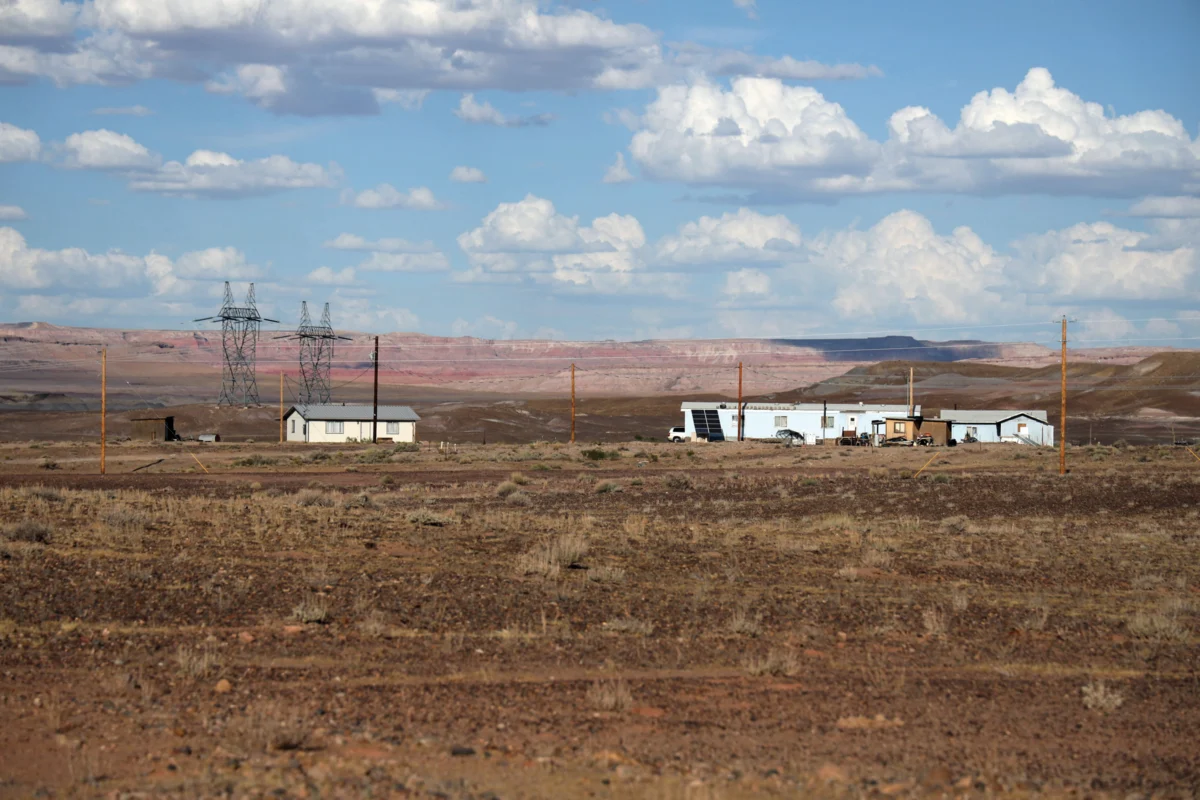
The book’s narratives provide vivid illustrations of these benefits. In a tender and revealing essay, Adam Vitcavage, founder of the literary platform Debutiful, recounts the healing of a strained family relationship in Arizona. This state has witnessed an astonishing 72 percent increase in rent between 2010 and 2022, while the median sale price of houses surged by 57 percent, placing immense pressure on residents. Vitcavage’s sister, navigating the aftermath of a divorce, moved into his home, and their new proximity facilitated an unexpected mending of their nearly estranged bond. Living under the same roof allowed them to "stop wearing masks… maybe for the first time," revealing the profound emotional and psychological solace communal living can offer beyond economic relief.
Further west, San Francisco presents another stark example of a housing crisis that has driven families away, forced arduous commutes, and placed immense strain on its senior citizens. Here, Jake Montano’s essay describes finding sanctuary and strength within the queer community. Montano, known in drag pageants as Imelda Glucose, chronicles their journey into a chosen family home, where many residents were estranged from their biological families. This intentional community, Montano eloquently writes, "plays a critical role in addressing and remedying experiences of homophobia," underscoring how communal living can create vital spaces of affirmation and resilience for marginalized groups.

Even in sprawling Los Angeles County, which has seen its population decrease by over 500,000 residents in the past decade, housing demand continues to escalate due to a surge in single-residence occupancy and a chronic undersupply of new housing units. Author Gabrielle Korn, seeking to bridge her own financial gaps, began renting out her home office on Airbnb. To her surprise, she forged deep emotional connections with the transient guests. Inspired by these interactions, she founded The Pink Door Artist and Writer Residency, offering a haven for creatives who would otherwise be priced out of such enriching opportunities, transforming a personal necessity into a communal artistic endeavor.
The extreme end of this housing spectrum is starkly visible in Jackson Hole, Wyoming, located in the nation’s wealthiest county. Here, housing prices have skyrocketed, fueled by the insatiable demand for ultra-luxury properties from status-seeking celebrities and plutocrats. In response to this exclusionary market, Adam Meyer hosts immensely popular monthly dinner parties, drawing together friends and strangers, many of whom have been definitively priced out of homeownership. This ritual, born from Meyer’s college-era daydreams of all his friends living together in a grand apartment building, echoes a yearning for simpler, more connected times. He fondly recalls, "I really did love that part of dorm life — walking by your neighbor’s room, seeing their door open, and chatting for thirty minutes," illustrating a desire to recreate intentional community and combat the atomization often associated with modern urban living.

Living, Together extends beyond individual anecdotes, reminding readers that societies possess the agency to fundamentally reimagine and reshape their living environments. The book highlights inspiring examples of collective action and progressive policy. Boulder, Colorado, for instance, recently achieved a significant victory by unanimously repealing long-standing occupancy limits, regulations often explicitly designed to restrict cooperative housing and communal living arrangements. In another instance of grassroots empowerment, residents of a mobile home park in Durango, Colorado, collaboratively purchased their site with crucial assistance from a land trust, thereby safeguarding their community from corporate acquisition and ensuring long-term affordability. Elsewhere in the country, Rosen introduces readers to innovative intergenerational neighborhoods that foster mutual benefit by integrating seniors with families adopting children through the foster system, creating rich environments of shared support, wisdom, and care.
In a global landscape increasingly defined by the pervasive influence of private equity in real estate markets, skyrocketing property values, and the unsettling specter of vacant second homes haunting picturesque resort towns, people are actively seeking out and forming communities to collaboratively solve problems and embrace communal living. Rosen’s big-hearted introduction to the anthology pays homage to fellow editor Margot Kahn, who aptly describes the anthology form as "the town hall bound in pages." Anthologies inherently invite open discussion, diverse viewpoints, and constructive counterpoints. In our contemporary world, where even traditional town halls frequently devolve into sites of polarized conflict, this harmonious choir of voices advocating for the profound benefits of building community deserves a resounding welcome from readers eager for connection, practical solutions, and a renewed sense of belonging.