

 Joko Susilo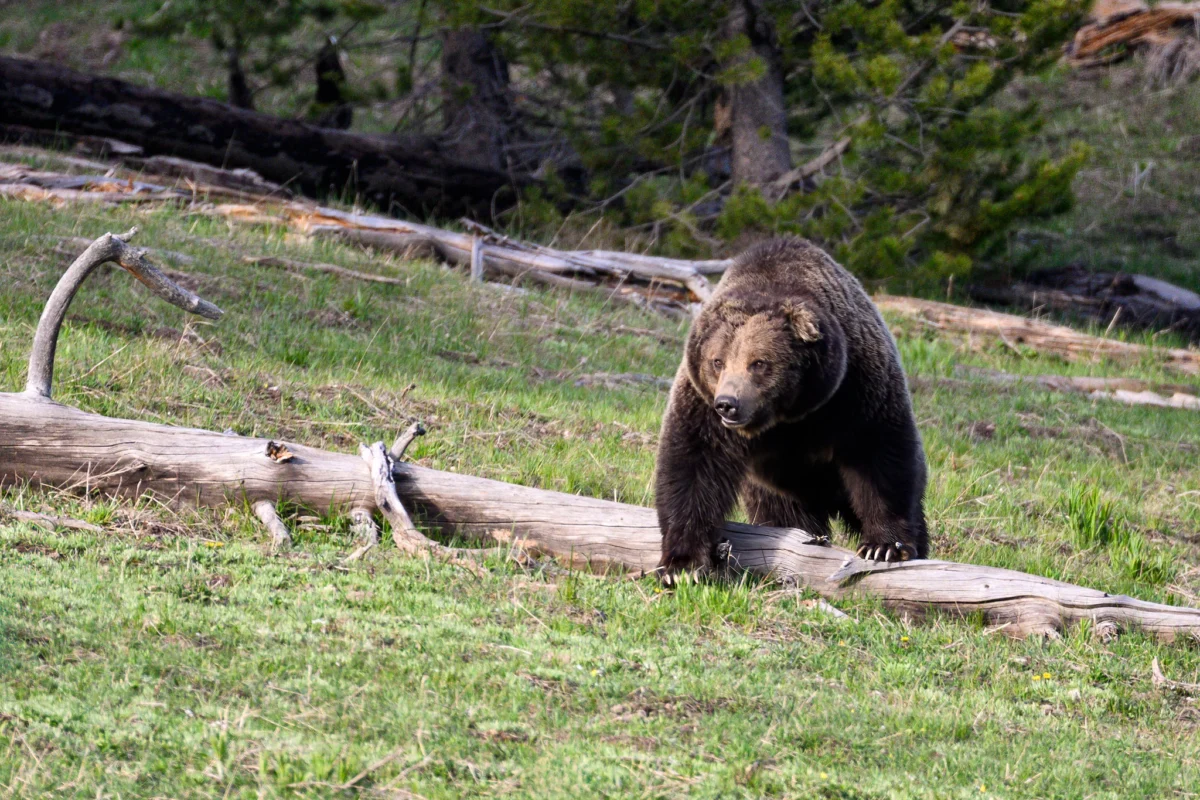
The Trump Administration on Tuesday announced a sweeping proposal to transfer the management of grizzly bears in the Lower 48 states from federal oversight to state control, a move that redefines a half-century of conservation efforts and immediately sparked controversy among environmental advocates. Secretary of the Interior Doug Burgum, joined by Governors Greg Gianforte of Montana, Mark Gordon of Wyoming, and Brad Little of Idaho, unveiled the new rule at a press conference strategically held in the heart of grizzly country, just north of Yellowstone National Park, signaling a profound shift in wildlife governance. This initiative marks a significant departure from previous federal strategies, aiming to empower states with greater autonomy over these iconic apex predators.
From a makeshift stage set against the rugged backdrop south of Big Sky, Montana, Governor Gianforte lauded the grizzly bear’s resurgence as "one of America’s greatest conservation successes." He underscored the growing challenges stemming from the bears’ remarkable recovery, pointing to an uptick in human-bear conflicts occurring with unsettling frequency in residential areas, recreational spaces, and agricultural lands across the region. "Montana is ready to have full authority to manage grizzly bears," Gianforte asserted, echoing a sentiment long held by many Western states that argue local control is essential for effective wildlife stewardship. This perspective emphasizes that state agencies, with their intimate knowledge of local landscapes and communities, are best positioned to navigate the complex interplay between expanding bear populations and human development.
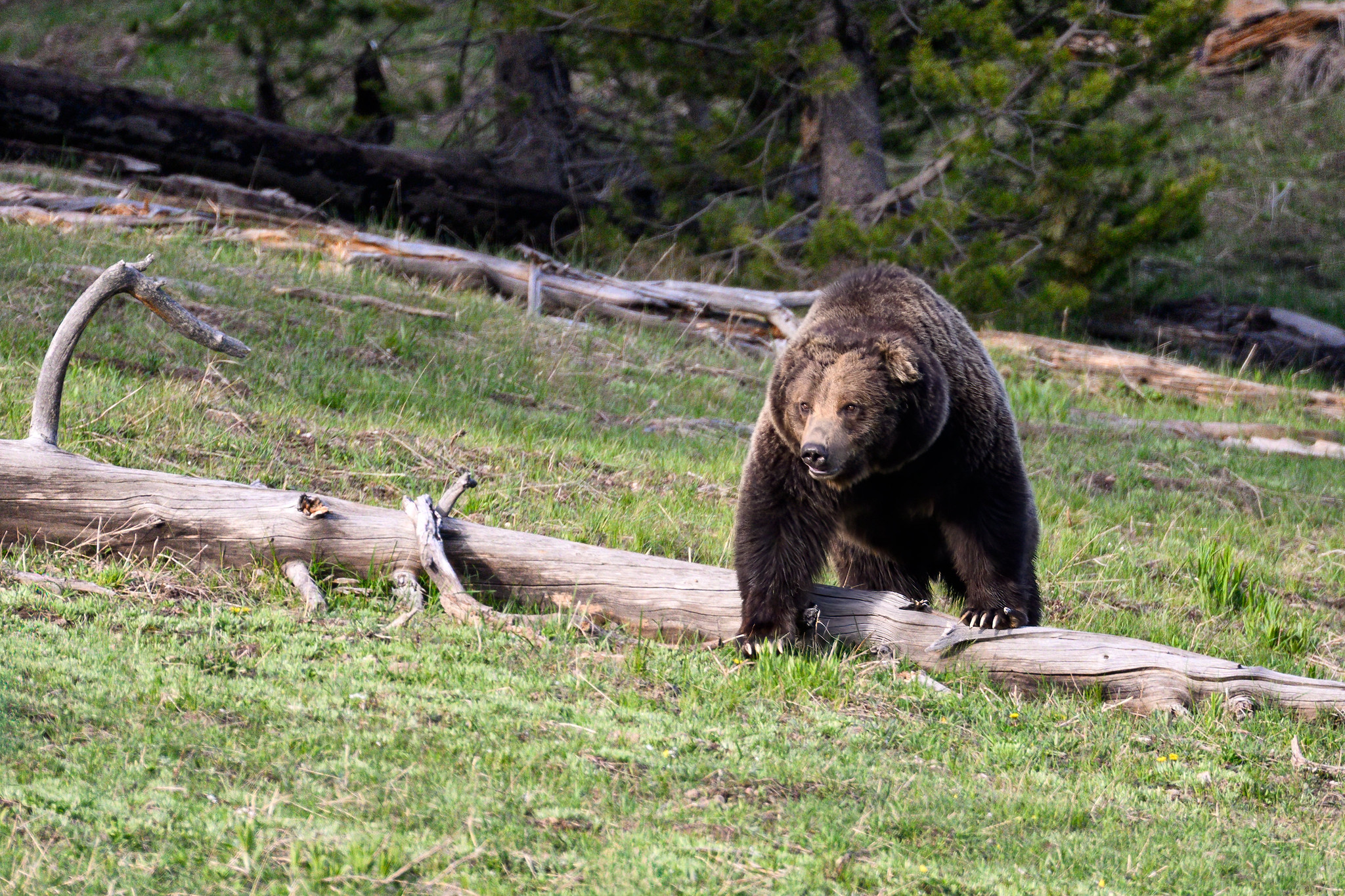
The journey of the grizzly bear, Ursus arctos horribilis, from the brink of extirpation to its current status is indeed a testament to sustained conservation efforts. In 1975, the U.S. Fish and Wildlife Service (FWS) listed grizzlies as "threatened" under the Endangered Species Act (ESA) in the Lower 48 states. At that critical juncture, fewer than 600 grizzlies roamed south of the Canadian border, remnants of populations that once numbered in the tens of thousands across vast swathes of the American West. The ESA, a landmark piece of legislation enacted in 1973, provided a crucial legal framework for protecting and recovering imperiled species and their habitats. Under its powerful provisions, federal resources were channeled into research, habitat restoration, and strict prohibitions against harming bears, gradually allowing their populations to stabilize and grow.
Today, thanks to these protections, two major grizzly bear populations thrive in and around the Greater Yellowstone Ecosystem (GYE) and the Northern Continental Divide Ecosystem (NCDE) near Glacier National Park, each boasting approximately 1,000 bears. These populations represent the bedrock of grizzly recovery, showcasing the species’ resilience when afforded adequate protection and space. Beyond these strongholds, a scattering of smaller, more isolated ecosystems also supports grizzly bears, albeit with significantly fewer individuals, underscoring the ongoing need for connectivity and genetic diversity across their historical range. The species’ recovery has not only secured its survival but also restored a vital component of the Western wilderness, bringing ecological balance to these complex landscapes.
Despite this success, the path to delisting grizzlies has been fraught with legal and political challenges. The federal government previously attempted to remove ESA protections for grizzlies, specifically within the Greater Yellowstone Ecosystem, on two separate occasions—in 2007 and 2017. Both efforts were met with successful lawsuits from environmental groups and ultimately overturned in court, primarily due to concerns about the adequacy of state management plans, genetic isolation, and the long-term viability of the populations. Undeterred, the states of Idaho, Montana, and Wyoming continued to petition for the removal of federal protections, arguing that their populations had met recovery goals. In January 2025, during the final hours of the Biden administration, the FWS denied these petitions, reaffirming the bears’ protected status under a new rule.

The rule announced by the Trump administration takes a markedly different approach, sidestepping a direct delisting. Instead, it amends the Biden administration’s 2025 edict by introducing a new revision under Section 4(d) of the Endangered Species Act. Under this revised framework, grizzly bears will remain listed as "threatened," but the federal government will cede day-to-day management authority to the states. Section 4(d) of the ESA allows the FWS to issue special rules for threatened species, providing flexibility to regulate activities that might otherwise be prohibited, as long as these regulations contribute to the conservation of the species. This novel application aims to bridge the gap between federal protection and state autonomy, a move described by Christy Clark, Director of Montana Fish, Wildlife and Parks, as a "dress rehearsal for delisting."
For decades, one of the most contentious issues surrounding delisting has been the potential for state-sanctioned grizzly hunts. Critics argue that allowing hunting could jeopardize the fragile recovery, while proponents suggest it is a necessary tool for population management and fostering social tolerance. Montana, for instance, has a five-year moratorium on pursuing the animals post-delisting, and Governor Gianforte explicitly stated that the new 4(d) rule would not immediately permit a hunt in his state. While the full text of the new 4(d) rule is yet to be published, Secretary Burgum and the three governors emphasized that it would grant states significantly more flexibility to manage grizzlies on the ground, enabling a transition from an era focused primarily on species recovery to one centered on long-term stewardship. This could include state-led decisions on lethal control in conflict situations, relocation strategies, and specific habitat management practices.
However, environmental organizations and wildlife advocates view this policy shift with deep skepticism and alarm. Andrea Zaccardi, a senior attorney at the Center for Biological Diversity, expressed profound disappointment, stating, "We’re disappointed the Trump administration is trying to make it easier to kill grizzly bears." These groups fear that granting states greater control, even without a full delisting, could lead to increased grizzly mortality and undermine the progress achieved under federal protection. Jenny Harbine, managing attorney at the nonprofit environmental law firm Earthjustice, highlighted a broader pattern of federal actions she believes threaten grizzly populations, including weakened environmental reviews, the rescinded roadless rule that protected critical wilderness areas, and fast-tracked logging and mining projects. "This does not create a situation where the service should be relaxing protections for grizzly bears," Harbine asserted, emphasizing that grizzlies, as a species facing ongoing habitat fragmentation, climate change impacts, and human encroachment, "need them more than ever."

The debate over grizzly bear management reflects a larger national tension regarding the balance of power between federal and state authorities in conservation, particularly concerning species recovered under the ESA. While states often champion local control and the ability to tailor management to specific regional needs, federal oversight typically provides a broader, ecosystem-level perspective, ensuring consistent protection across state lines and safeguarding against potential political pressures that could compromise species recovery. The economic implications are also significant; healthy grizzly populations support a thriving ecotourism industry, drawing visitors to national parks and wilderness areas, while human-bear conflicts can impose substantial costs on ranchers and rural communities. Globally, nations grapple with similar challenges in managing large carnivores, from wolves in Europe to tigers in Asia, highlighting the universal complexities of human-wildlife coexistence. This new 4(d) rule is almost certainly headed for legal challenges, setting the stage for another protracted battle over the future of grizzly bears in the American West and the interpretation of the Endangered Species Act itself.







