Joko Susilo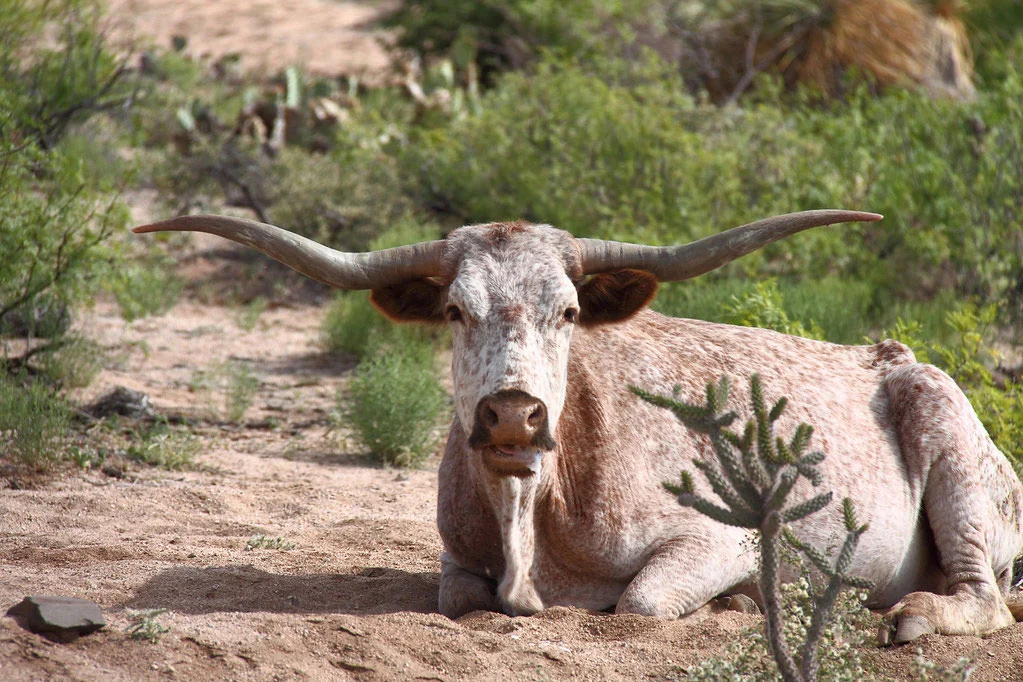
The Yellowjacket grazing allotment, an expanse of approximately 8,600 undulating acres of sandstone canyons, piñon and juniper forests, and sagebrush-covered mesas, near the Colorado-Utah border within the revered Canyon of the Ancients National Monument, now stands at a critical juncture. This region, lacking the dramatic allure of the red-rock country further west, possesses a subtle beauty and profound cultural significance, home to dozens of catalogued Puebloan archaeological sites ranging from monumental "castles" and hilltop shrines to distinctive Hovenweep-style towers. For over a century, these fragile ecosystems and irreplaceable cultural resources endured the persistent impacts of cattle grazing, which contributed to the trampling of delicate cryptobiotic crusts, the erosion of ancient walls, and the degradation of scarce riparian zones in this arid landscape. Following the voluntary relinquishment of the Bureau of Land Management (BLM) grazing lease by the livestock operator in 2005, a 2016 study by researchers from the Grand Canyon Trust and the University of Colorado documented the land’s gradual but discernible ecological recovery.
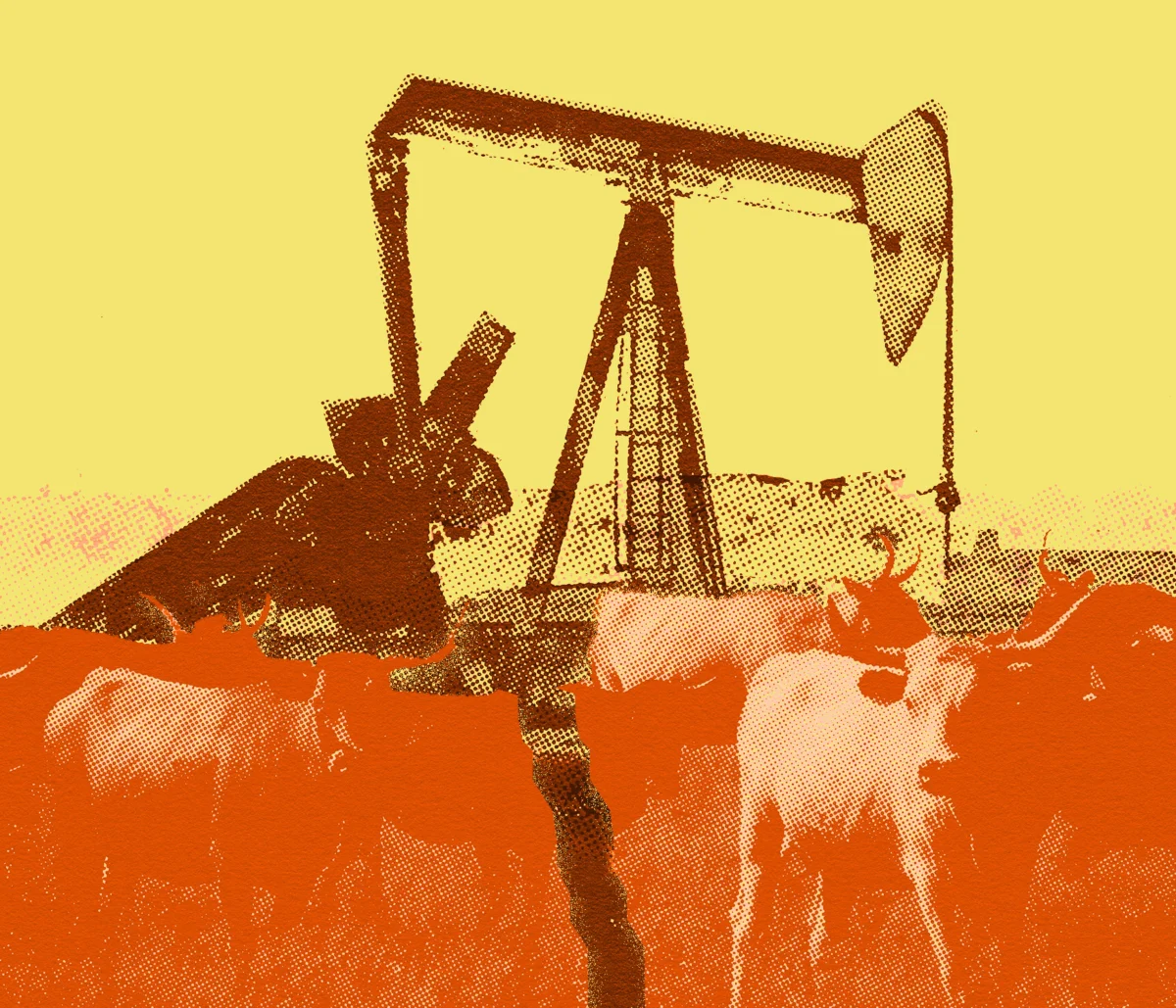
However, the prospect of renewed grazing, with its associated ecological and cultural impacts, looms large. The Yellowjacket allotment, alongside numerous neighboring parcels, now appears on a recently unveiled BLM map titled "Federal Grazing Lands Potentially Available." This controversial map identifies hundreds of currently livestock-free allotments spanning some 24 million acres across the Western United States, many of which were voluntarily retired by leaseholders – often in exchange for financial compensation – specifically to benefit wildlife and facilitate ecosystem restoration. This initiative represents a cornerstone of the Trump administration’s multi-agency drive, spearheaded by the U.S. Department of Agriculture (USDA) and the Department of the Interior, to substantially increase the number of cattle on public lands. The administration’s strategy involves the promulgation of new grazing regulations, the active restocking of vacant leases, and the implementation of policies that empower ranchers with greater autonomy in monitoring and managing their own grazing allotments.
The stated objective of these sweeping changes, articulated in a USDA white paper, is to "boost the supply of American born, raised, and harvested beef" by streamlining processes and cutting "bureaucratic red tape." Both USDA and Interior Department leaders have underscored their commitment to "maintaining grazing capacity wherever possible," even in areas where the land is severely degraded. This approach has drawn praise from figures like former USDA Secretary Brooke Rollins, who lauded the administration for "putting America’s farmers and ranchers first." Yet, this domestic focus on increasing beef production on public lands stands in stark contrast to other, less publicized, executive actions. Simultaneously, the administration advanced policies to quadruple beef imports from Argentina and bolster imports from Brazil and China, measures primarily aimed at ensuring consumer affordability for products like "Big Macs" – a significant economic reality often overlooked in the rhetoric surrounding domestic ranching support.

Among the numerous contradictions within the nation’s beef policy, public-land grazing presents perhaps the most glaring. Historically, livestock grazing has occupied the largest geographical footprint and enjoyed the least regulatory oversight among the various extractive uses permitted on America’s public lands. This unfettered access has persisted despite widespread acknowledgement of its detrimental impacts on land health, water quality, and even global climate. Grazing permits, typically issued for ten-year terms, are often renewed with minimal environmental review, effectively granting permittees a near-lifetime tenure that can even be leveraged as collateral for private loans. While the National Park Service generally prohibits grazing within its parks and monuments, the practice has continued virtually unimpeded across vast stretches of land managed by the BLM and the U.S. Forest Service, often under a "multiple-use" mandate that critics argue frequently prioritizes commodity production over conservation.
The enduring debate – or rather, the lack of substantive debate – surrounding public land grazing fees offers a stark illustration of the BLM’s historic posture, earning it the moniker "Bureau of Livestock and Mining" among critics. In 1978, Congress established a formula for setting these fees, with a crucial caveat that they could not fall below $1.35 per Animal Unit Month (AUM), a metric representing the amount of forage consumed by one cow and calf for a month. Decades later, these fees have barely moved, reaching a paltry $1.69 per AUM in 2025. This effectively means that a rancher can graze a cow-calf pair, consuming a half-ton or more of forage, for less than the cost of a premium cup of coffee. Economic analyses consistently demonstrate that the true market value of the forage is substantially higher, and fees would need to increase dramatically for the grazing program to even cover its administrative costs, let alone the environmental externalities.

Past attempts to modernize grazing fees and align them with market rates have consistently faltered. A proposal during the Clinton administration to increase AUM rates met with widespread outrage from the powerful ranching lobby and their political allies in the Western states, ultimately failing to materialize. President Obama’s modest effort to add an administrative charge to the existing fee also never came to fruition. Even the Biden administration, initially signaling a desire for reform, later quietly abandoned these efforts. Furthermore, the Biden administration controversially designated active grazing lands as "conserved" areas in some instances and formulated management plans that largely preserved livestock grazing across national monuments like Grand Staircase-Escalante and Bears Ears. Ironically, Bears Ears, a landscape of unparalleled archaeological and ecological importance, arguably enjoyed greater protection from livestock impacts prior to its designation as a national monument, highlighting the political complexities that often overshadow conservation objectives.
Given the historical deference to public-lands ranching, it seemed improbable that any administration could adopt an even more benevolent stance. While Interior Secretary Doug Burgum’s primary focus during the Trump administration largely centered on advancing the "energy dominance" agenda – characterized by fast-tracking environmental reviews and accelerating the leasing of land and drilling permits for oil, gas, and mining interests – the administration nonetheless undertook a series of targeted policy changes to appease the livestock lobby. In February, the BLM formalized a memorandum of understanding (MOU) with the Public Lands Council, a prominent lobbying organization representing public-lands ranchers, granting livestock operators the authority to monitor their own grazing allotments. This was quickly followed by a joint USDA and Interior Department MOU specifically aimed at bolstering the American beef industry, with a particular emphasis on expanding public-lands grazing. Further cementing this shift, the BLM proposed new grazing regulations designed to simplify permit renewals, conspicuously removed references to grazing as a "conservation use," and significantly curtailed opportunities for public input in management decisions.

Concurrently, the administration rescinded the Public Lands Rule, a measure that some ranchers had "irrationally feared" would lead to the "eradication" of public lands grazing, despite its actual intent to promote responsible resource management. In a move criticized by conservationists, the administration also reverted to allowing ranchers to deploy M-44 devices, commonly known as "cyanide bombs," for coyote control on public lands, a practice fraught with risks to non-target wildlife and domestic animals. Moreover, bowing to pressure from groups like the Montana Stockgrowers Association, the administration revoked American Prairie’s grazing permits to run bison – a native species with significant ecological benefits – on BLM grazing allotments in Montana.
Despite these concerted efforts, it remains uncertain whether these policy shifts will genuinely benefit Western ranchers. The overall number of cattle on public lands has steadily declined over recent decades, a trend primarily attributable to economic pressures, market consolidation, and the diminishing carrying capacity of drought-stricken lands, rather than stringent BLM regulations. Furthermore, there is no clear indication of significant demand from eligible livestock operators to lease the newly available vacant allotments that the administration is actively promoting. Many ranchers choose to vacate or understock existing allotments because the land itself, increasingly impacted by climate change and prolonged drought, simply cannot sustainably support higher numbers of cattle.

Crucially, some 2 million acres of the "potentially available" allotments identified on the recent BLM map were vacated through voluntary buyout programs. In these arrangements, conservation organizations financially compensate willing sellers to relinquish their federal grazing leases, allowing the land to rest and recover, or to mitigate conflicts with wildlife and recreational users. In many instances, the ranchers were already considering transitioning away from the demanding business of public lands grazing, often due to the land’s degraded state or the challenges posed by climate change. While these buyouts are often hailed as a "win-win" scenario, a significant caveat exists: current federal law does not permit these voluntarily vacated allotments to be permanently withdrawn from the grazing system, a loophole that the administration now appears intent on exploiting.
If the administration were genuinely committed to supporting these ranchers and fostering a sustainable future for the Western landscape, it would advocate for a "just transition" away from public-lands grazing, a practice that is already in decline despite governmental attempts to prop it up. Such a transition would include robust support for legislative initiatives like the Voluntary Grazing Permit Retirement Act, or similar bills, which would empower conservation groups to permanently purchase and retire federal grazing allotments from willing ranchers and livestock operators. However, these bills have historically struggled to gain traction, largely due to the apprehension among many Western politicians, spanning both parties, who fear appearing to take any action that might lead to fewer cattle on the land.

In the Yellowjacket allotment in southwestern Colorado, the current administration’s actions risk creating the illusion of upholding a mythical ranching "heritage." Peering behind this façade reveals a less palatable truth: reinforcing this illusion would necessitate sacrificing a landscape that has only recently begun to heal, an irreplaceable cultural heritage etched into the very stones of ancient Puebloan sites, and ultimately, the region’s own rich and authentic American heritage that transcends a single, often unsustainable, land use. The choices made today will determine whether these precious public lands are managed for enduring ecological and cultural value or subjected to short-sighted policies that undermine their long-term health and significance.