

 Joko Susilo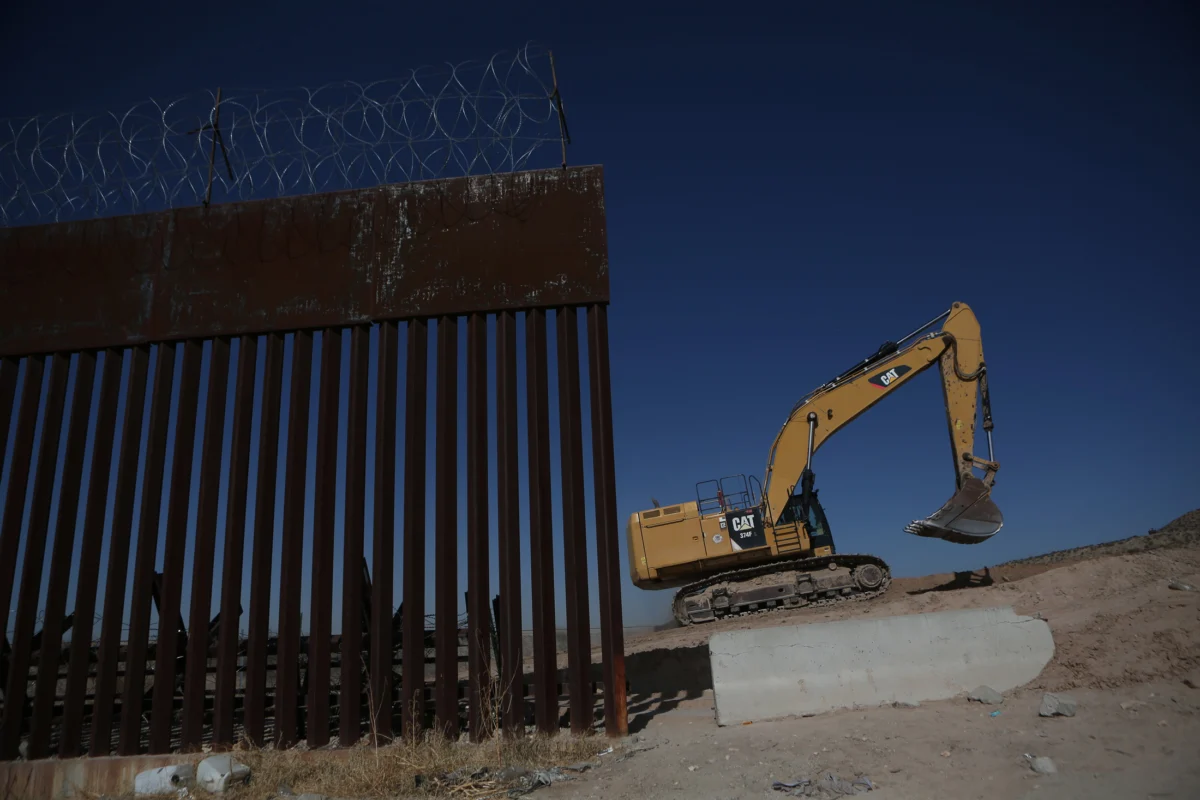
Bozeman, Montana-based Barnard Construction Company, Inc., a prominent engineering contractor, recently marked its 50th anniversary, a milestone celebrated on its website with a narrative tracing its origins to 1975 when founder Tim Barnard arrived in Montana with little more than a thousand dollars and a vision. The company’s storied history includes impressive feats like natural gas pipeline construction in Utah, hydropower projects in Alaska, and significant federal contracts for dam removal in Washington to restore vital spawning habitats for native salmon species. However, a glaring omission from this public chronicle is the company’s most lucrative and politically charged endeavor: the billions of taxpayer dollars it has garnered for constructing segments of the U.S.-Mexico border wall, a flagship project of former President Donald Trump, nor does it detail the profound financial ties between the company’s leadership and the former president.
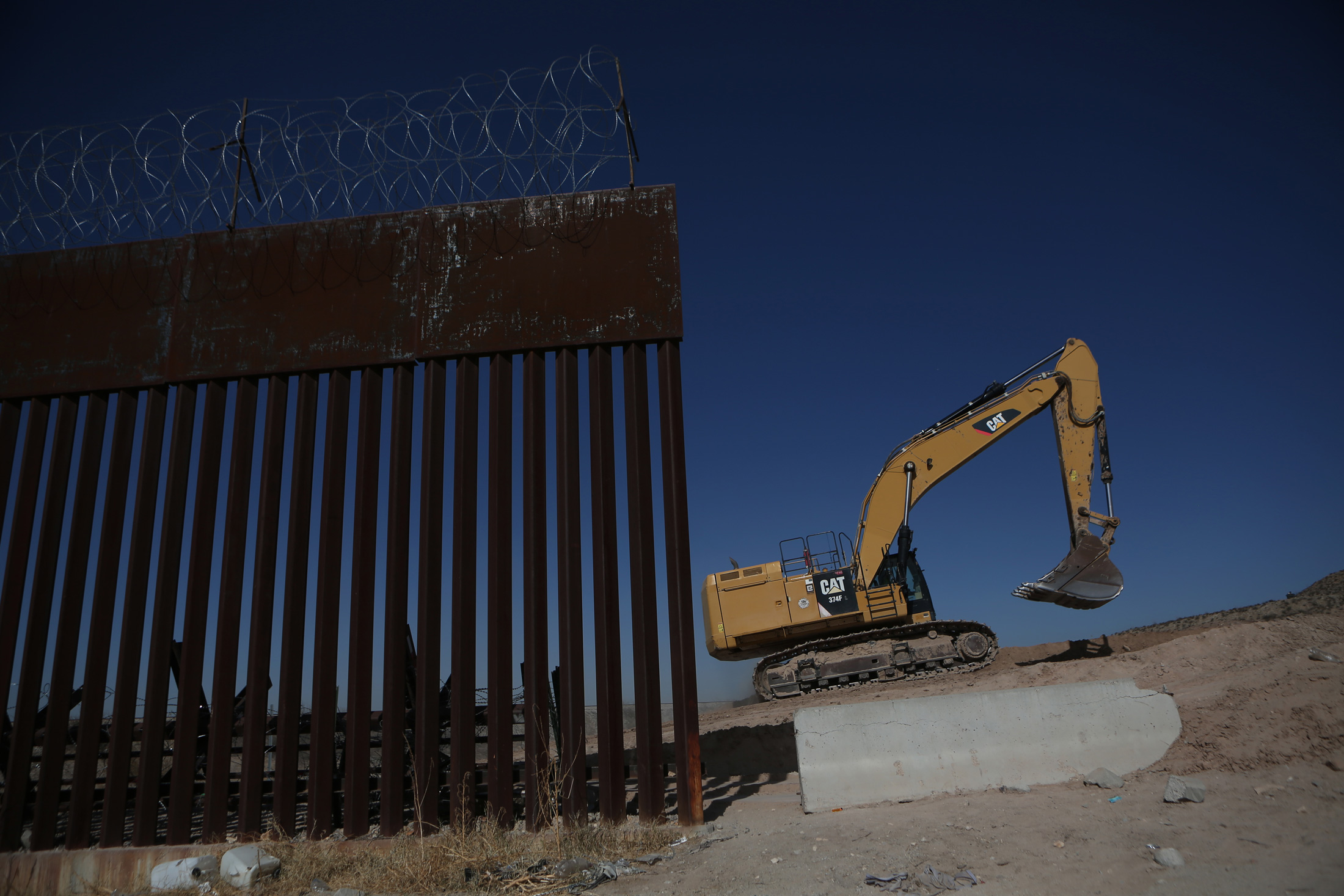
The ambitious border wall initiative became a central pillar of Trump’s political agenda, particularly during his 2024 campaign, following its initial push during his first term. Early in his administration, the "One Big Beautiful Bill Act" controversially earmarked a colossal $46.5 billion for the project. To accelerate construction, the administration systematically waived dozens of federal contracting laws, bypassing environmental reviews, cultural heritage protections, and other standard regulations. This expedited process channeled over $28 billion in contracts to a select consortium of companies, as confirmed by U.S. Customs and Border Protection (CBP).
An exhaustive analysis of publicly available federal spending data reveals Barnard Construction as one of the project’s foremost beneficiaries. The company and its various affiliates have secured more than $5.6 billion in federal border construction contracts since Trump’s return to office. When factoring in their earlier contracts for the same project, the total financial windfall surges to an astonishing figure exceeding $7 billion, placing Barnard among the elite group of contractors heavily reliant on this singular, large-scale infrastructure project.
Coinciding with this unprecedented surge in federal awards, Federal Election Commission (FEC) records illuminate a substantial pattern of political donations. Company chairman Tim Barnard and his wife have contributed millions of dollars over the years to Republican candidates and causes, including a staggering sum of more than $1 million directly to Trump’s presidential campaigns. These contributions, particularly their magnitude and timing relative to contract awards, have ignited significant scrutiny from ethics watchdogs and industry experts alike, who contend that such financial ties raise serious questions about the integrity of the competitive bidding process and the potential for undue influence.
Indeed, the substantial contracts awarded to Barnard have drawn sharp criticism, with competitors echoing the concerns of legal and procurement specialists. In May, New York-based contractor Posillico Civil, Inc., launched a lawsuit against the federal government, alleging that CBP disproportionately allocated the lion’s share of new Texas and New Mexico wall construction contracts to just two firms: Barnard and North Dakota-based Fisher Sand & Gravel. This legal challenge underscores a broader perception within the industry that the contracting landscape for the border wall project lacked genuine competitive opportunities, favoring a limited number of politically connected entities.
While Barnard Construction’s corporate headquarters, an architecturally distinct building on the northern outskirts of Bozeman, may blend into the Montana landscape, the far-reaching financial influence of its chairman, Tim Barnard, is undeniably visible across the community. His name graces significant local institutions, including a science building at Montana State University, a nearby domestic violence shelter, and a prominent aquatics center. Beyond these public endowments, the Barnards have consistently channeled hundreds of thousands of dollars into Montana conservative groups and political campaigns, reinforcing their deep entrenchment within the state’s political and philanthropic fabric.
The company’s financial trajectory has mirrored its expanding federal portfolio, with revenue surpassing $1 billion in 2024, solidifying its position among the top 150 engineering firms nationally, according to the industry authority Engineering News-Record. While Barnard has historically undertaken projects for various federal agencies, including the National Park Service, the Forest Service, and the Bureau of Reclamation, an overwhelming majority—more than 80%—of the total value of its federal awards now stems from border wall contracts. This concentration intensified significantly under the Trump administration, with the company receiving several such contracts even before its leadership donated $5,600 to Trump’s re-election campaign, and further contributions to key Trump cabinet members like J.D. Vance, Marco Rubio, and Ryan Zinke.
A particularly contentious episode involved a 2019 contract awarded to Barnard’s subsidiary, BFBC. Initially valued at $142 million, ProPublica reporting uncovered how this contract quietly ballooned to over $1 billion through a series of administrative modifications, often without transparent justification. For one specific section, the firm was promised $33 million per mile of wall, a figure approximately $13 million higher than the government’s standard price at the time. This prompted Rhode Island Senator Jack Reed to call for an immediate investigation, decrying it as a "no-bid contract to an apparently politically-connected, private contractor." A subsequent Government Accountability Office (GAO) report echoed these concerns, advising the Army Corps of Engineers to fundamentally rethink its procurement strategy for border projects.
Despite these warnings and public scrutiny, neither Barnard nor the administration appeared deterred. In 2024, FEC records show the Barnards contributed a substantial $1 million to a fundraising committee for Trump’s presidential campaign, alongside an additional $3,300 to a Trump political action committee. Following these donations, federal spending records indicate Barnard Construction received an astounding $4.54 billion in new awards from CBP. Further contracts totaling over $260 million were granted to subsidiary BFBC by the Department of Defense (DoD) for wall construction, and Barnard Spencer Joint Venture, a collaboration with Arizona-based Spencer Construction, secured $853 million in contracts, a sum that has since expanded by over $75 million since their initial award in September.

Charles Tiefer, an emeritus law professor at the University of Baltimore and former U.S. commissioner on wartime contracting, characterized these awards as an "enormous transfer" of public funds to a private entity. He noted the sheer scale of the Barnards’ political contributions fundamentally compromises the perception of fair competition. "If you tip a waiter fifteen bucks, that doesn’t raise any red flags," Tiefer remarked, "But if you tip them 150 bucks or 300 bucks, then somebody watching may wonder what you’re getting special that you’re not supposed to be." Barnard representatives have not responded to multiple requests for comment regarding these allegations and the growing controversy.
The lawsuit filed by Posillico Civil, Inc., on May 13, further amplified these concerns, directly challenging the Trump administration’s contracting practices. Posillico asserted that CBP pledged approximately 73% of the value of new Texas wall contracts to only two of 11 pre-approved contractors: Barnard and Fisher Sand & Gravel. Fisher, another significant beneficiary, has its own history of controversial projects, including its role in building a private border wall and its financial links to We Build the Wall, a scandal-plagued nonprofit whose board notably included former Trump strategist Steve Bannon. Federal spending databases show Fisher has accumulated nearly $15 billion in border construction contracts over the years, with over $13 billion awarded under the current administration. Posillico’s lawsuit specifically contended that the contracting process lacked "genuine competitive opportunities" and alleged that CBP failed to maintain transparent price-comparison analyses or adequate documentation of its contract award methodology. In response, CBP stated it does retain documentation for its decisions but declined to disclose it, citing pending litigation, asserting that "Border Wall contracts awarded are based on the contractor’s qualifications to perform the work in a timely manner and at prices deemed fair and reasonable."
While the practice of pre-approving a list of contractors is not unusual for large federal projects, it is typically intended to streamline, not eliminate, competition among those qualified firms, Tiefer explained. However, at least one of Barnard’s largest new CBP contracts—a $1.6 billion award in April to construct 112.5 miles of "secondary wall" in eastern New Mexico—was granted without any competitive bidding. A CBP spokesperson attributed this to "various factors particular to that project," while federal spending records explicitly listed "urgency" as the rationale for bypassing competition. Scott Amey, a lawyer investigating federal contracts for the Project On Government Oversight, questioned this justification, asking, "What was so urgent that they couldn’t bid it to other contractors that are already on the pre-approved list?"
The vast network of new construction contracts awarded to Barnard and its affiliates spans across all four U.S. border states, encompassing projects that involve building "secondary" walls, replacing existing barrier segments, and installing advanced surveillance technology. Key projects include 60 miles of new lighting and technology near the California-Arizona border, the replacement of 20 miles of existing wall through western Arizona’s Barry M. Goldwater Range, and the construction of 6 miles of "barrier fencing" near Antelope Wells, New Mexico. In New Mexico’s Luna, Doña Ana, and Hidalgo counties, Barnard is tasked with building over 20 miles of new wall, 110 miles of a second wall, and 80 miles of new technology. Further south, the company is constructing 30 miles of wall near Del Rio, Texas, and 10 miles of new wall in the critical Rio Grande Valley.
Among these, the most controversial are Barnard’s two contracts in West Texas, collectively valued at nearly $2 billion, for constructing just over a hundred miles of new, 30-foot steel bollard wall through the remote and ecologically sensitive Big Bend region. Despite being the largest Border Patrol sector along the Mexican border, Big Bend consistently experiences some of the fewest crossings due to its rugged terrain and remote location, accounting for just 1.6% of all "apprehensions" on the southern border in the current fiscal year. This region is also a jewel of Texas’s public lands, home to Big Bend National Park, and its border counties are economically dependent on river tourism, making the proposed wall profoundly disruptive.

To fast-track construction through Big Bend, the Department of Homeland Security has waived dozens of critical environmental and cultural regulations, raising alarms among conservationists and local communities. The project also threatens hundreds of private landowners with property seizure through eminent domain, fueling widespread resentment. Local opposition to the wall has been near-universal and bipartisan, even drawing strong condemnation from local law enforcement. In March, five county sheriffs in the region issued a joint statement imploring the federal government to reconsider the construction, warning that "major permanent infrastructure, accompanied by lighting systems, access roads, and maintenance corridors would permanently alter one of the most remote and ecologically significant border landscapes in the United States." Barnard also faced direct criticism from local officials after its subcontractors began using heavy machinery to clear a county road leading to the border without consulting local authorities. County Judge Curtis Evans of Presidio County expressed strong displeasure, telling Marfa Public Radio, "You’re not going to be able to improve a county road without commissioner court approval… I’m not pleased with them not contacting the county and going through cooperation and collaboration channels in order for everyone to be transparent."
As news of Barnard’s extensive involvement in the border wall project spread, a surprising wave of opposition emerged in its home state of Montana. In April, local artist and river guide Morgan Kemp, originally from El Paso, organized a Bozeman screening of the 2019 documentary The River and the Wall, which vividly explores the multifaceted impacts of wall construction in Texas. Kemp emphasized the importance of local residents understanding that a Montana-based firm was constructing this controversial barrier. "If a company that’s local is going to travel all the way down to the other side of the country and border to build something like this and take away people’s lands and access, what would stop them from doing it locally?" she questioned. Approximately 30 attendees, many of whom were astonished by the Big Bend region’s unexpected beauty and tranquility, participated in the screening. "Most people think Texas, they think tumbleweeds, flat plains, nothing super diverse going on," Kemp explained. "It’s like, no, this is such an ecological oasis that is so important and so special." Following the event, attendees penned postcards to the Barnards, urging them to reconsider the contracts, with one particularly poignant message directly addressed to the couple: "Mary and Tim, do not do this. No amount of money is worth it." The mounting criticism from both border communities and its own backyard casts a long shadow over Barnard Construction’s half-century legacy, transforming its celebration into a national discussion about transparency, ethics, and the profound human and environmental costs of federal contracting on a grand scale.







