

 Joko Susilo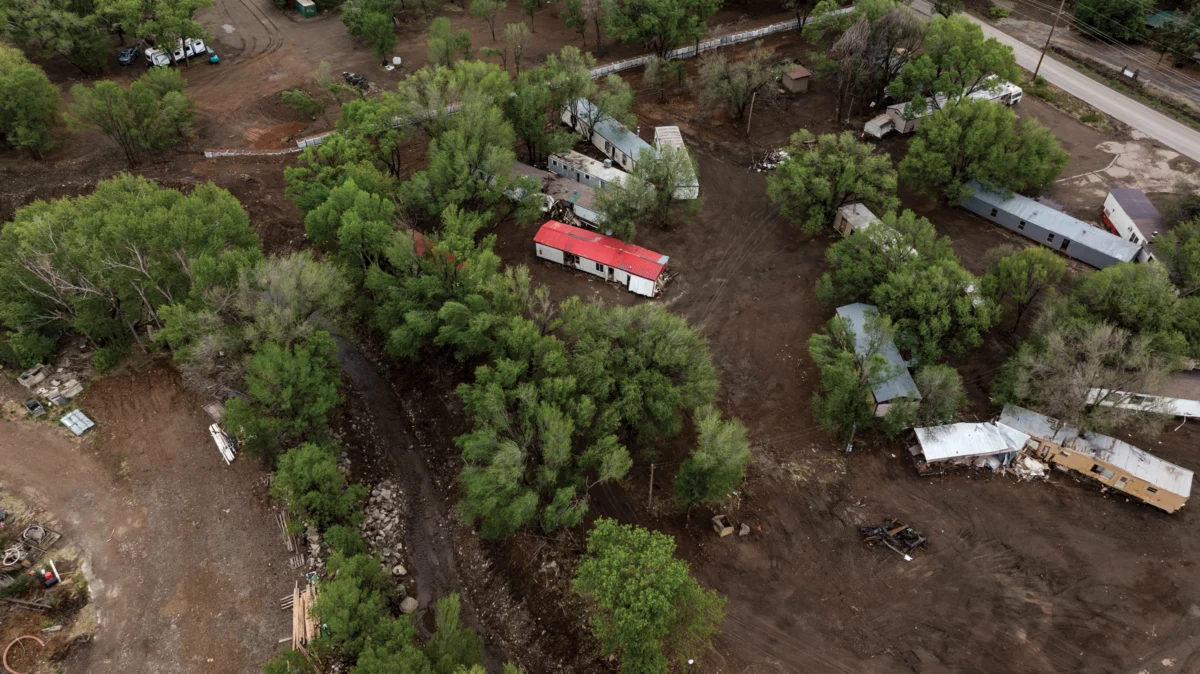
The tranquil mountain town of Ruidoso, New Mexico, once a verdant sanctuary for outdoor enthusiasts, now stands at the forefront of a pressing global challenge: how communities adapt to a new era of compounding climate disasters. For Lindsay and Corey Sexton, Ruidoso was to be their dream, a long-planned haven away from the desert heat, where their young son could hunt, ski, and explore pine forests. They found their ideal ranch house on the meandering Rio Ruidoso, a picturesque spot embodying the very essence of mountain living. Yet, on the summer day in 2024 they prepared to finalize their purchase, two devastating wildfires, the Salt and South Fork blazes, erupted just outside town, incinerating 1,400 structures and forever altering the landscape. Miraculously, their new home was spared the immediate inferno, but the reprieve proved tragically brief.
The morning after the Sextons moved into their riverside property, a firefighter delivered an urgent warning: "Y’all need to go." Just a few inches of rain had transformed the normally placid Rio Ruidoso into a raging torrent, unleashing a flash flood directly toward their new residence. This swift and violent transformation of the waterway was a direct consequence of the recent wildfires. The intense heat had scorched vast tracts of vegetation, which typically anchor soil and absorb rainfall, rendering the mountain slopes around Ruidoso into treacherous, hydrophobic surfaces. This effectively turned the terrain into a dangerous network of runways for mud and debris, channeling unprecedented volumes of water directly into the river system.
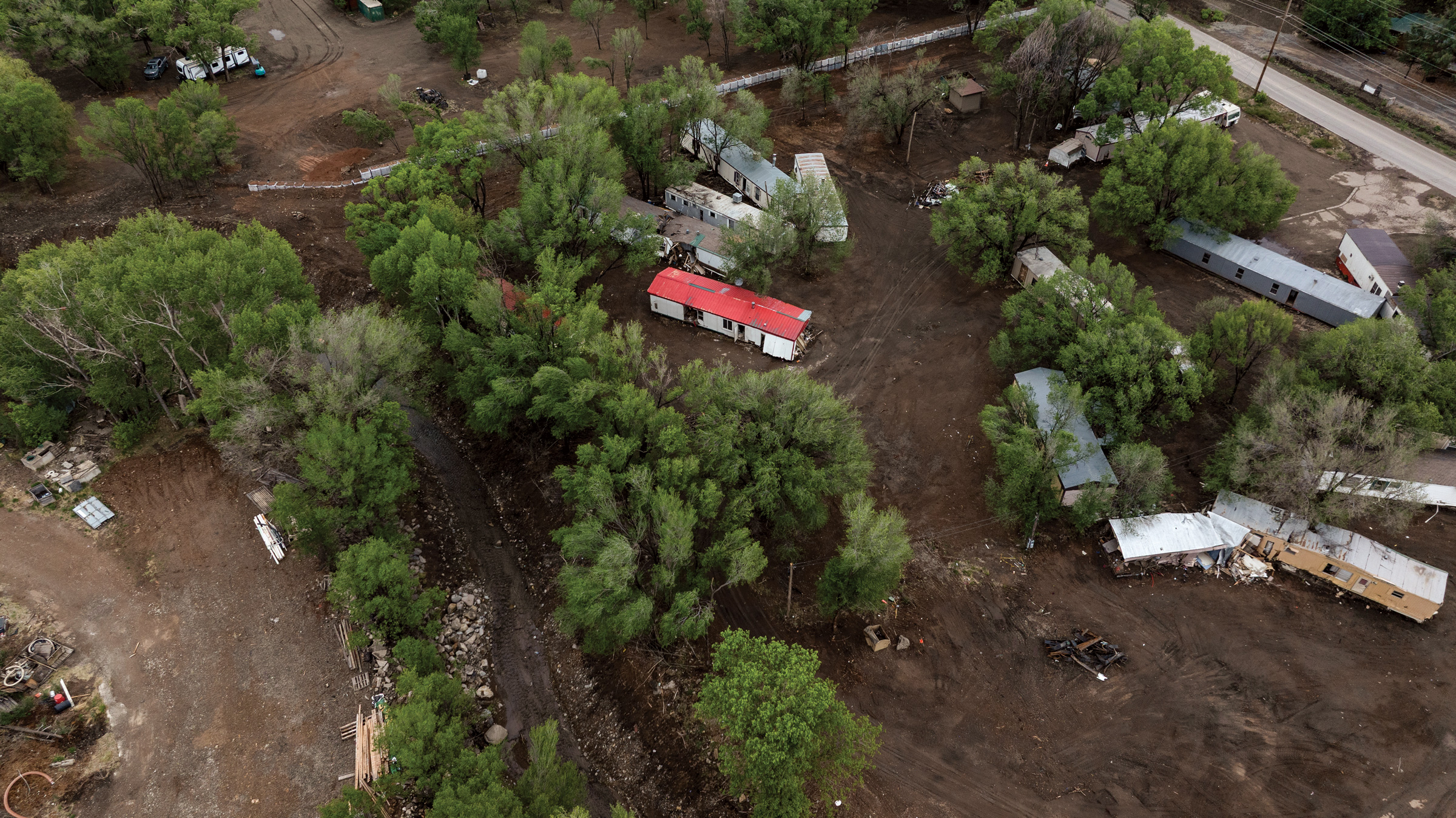
As New Mexico’s monsoon season intensified, the floods became a relentless threat. The Sextons, desperate to protect their investment and their family, constructed an eight-foot sandbag barrier between their home and the river. Despite their valiant efforts, last July brought a catastrophic, record-setting 20-foot wall of brown water surging around the riverbend. Corey Sexton, witnessing the raw power of the deluge, courageously intervened, rescuing two individuals trapped in the churning water. However, the horror of the event was etched into his memory as he watched helplessly as a small child was pulled under the powerful current and swept away.
That four-year-old girl was one of three lives tragically lost in the July 8 flood, an event that inflicted widespread devastation, damaging hundreds of homes and profoundly disrupting a community already reeling from the preceding wildfires. Experts now universally warn that the danger is far from over; flood risk often intensifies for several years following a major blaze, and heavier, more erratic rainfall patterns, a hallmark of climate change, could precipitate even more destructive events. The Sextons, their dream home now a symbol of profound risk, want to leave. However, they grapple with a deeply ethical dilemma: selling their house to another unsuspecting family feels morally untenable. "Somebody else buys it, and then they’re in the same predicament," Corey Sexton reflected, surrounded by the undecorated living room that now feels more like a temporary shelter than a permanent home. "I don’t think that anybody, honestly, should be on the river."
Local officials in Lincoln County, keenly aware of the escalating peril and the community’s trauma, echo Sexton’s grave concerns. This spring, they unveiled a groundbreaking initiative: a voluntary property buyout program. Collaborating with the U.S. Department of Agriculture’s Natural Resources Conservation Service (NRCS), Lincoln County is offering to purchase at-risk properties at their pre-damage market rates. The acquired homes will then be systematically demolished or relocated, and the land permanently converted into open space. This strategic transformation aims to create natural buffers, enhancing the watershed’s resilience and mitigating the impact of future floods. With an initial commitment of $235 million in secured funding, officials envision acquiring approximately 400 properties from willing sellers, a bold proposal that could dramatically reshape the demographic and geographic fabric of this 8,000-person mountain town.

Voluntary property buyouts have served as a critical tool in the United States since the late 1980s, enabling tens of thousands of homeowners across all 50 states to escape homes located in floodplains, along precarious riverbanks, and vulnerable coastlines. These programs have been extensively deployed in the wake of catastrophic events such as Hurricanes Sandy and Harvey, providing a pathway for communities to retreat from increasingly untenable locations. However, Lincoln County’s initiative marks a significant precedent: it stands as one of the first regions in the country to explicitly utilize federal buyout funding to address the cascading disaster of post-fire flooding. As the Western U.S., and indeed many other fire-prone regions globally from Australia to the Mediterranean, grapples with the escalating frequency and intensity of wildfires followed by torrential rains, Ruidoso’s pioneering effort offers a compelling and potentially replicable model for mountain towns striving to achieve long-term survival and resilience in the face of a changing climate. This confluence of fire and flood, often termed "cascading hazards," is becoming a defining feature of the climate crisis, demanding innovative and decisive adaptation strategies.
Ruidoso, a community historically characterized by its conservative political leanings, might seem an unlikely proponent of what some online commenters have pejoratively labeled a government "land grab." Yet, the pragmatic realities of escalating disaster costs have swayed even the staunchest skeptics. Harlan Vincent, the region’s Republican state representative, initially approached the concept of government buyouts with considerable skepticism. However, a rigorous examination of the economic implications ultimately convinced him of its necessity. Before last summer’s devastating flood, the State of New Mexico had already allocated a substantial $100 million towards recovery efforts from the South Fork and Salt fires. Now, the mayor of Ruidoso estimates the total recovery cost could skyrocket to an astronomical one billion dollars. Even with pledges of tens of millions in federal aid, it became starkly apparent that repeatedly rebuilding in areas destined to flood again and again was not only fiscally irresponsible but also morally unsustainable, draining public resources and perpetuating human suffering.
The partnership with the USDA’s NRCS proved pivotal. Lincoln County was already engaged with the agency on various mitigation strategies, including critical debris removal and aerial seeding efforts aimed at stabilizing denuded slopes. The NRCS, whose mandate includes watershed protection and disaster recovery, operates a longstanding buyout program. While typically applied to conventional flood scenarios, Lincoln County’s unique post-fire context met the agency’s criteria, demonstrating an urgent need to restore its watershed and safeguard lives and properties still facing imminent danger. The NRCS approved the county’s innovative buyout proposal, agreeing to cover up to 75% of the acquisition and restoration costs.

To bridge the remaining financial gap, local officials, spearheaded by Representative Vincent, successfully lobbied the New Mexico Legislature. This spring, lawmakers established a new state fund, allocating $70 million specifically for land acquisition, restoration, and broader disaster recovery efforts. This fund is designed to provide potential state matches for local governments that have secured federal emergency grants, creating a robust, multi-layered funding mechanism. "When you go up against Mother Nature, it’s not going to work out so good for you," Vincent candidly stated, acknowledging the humbling power of natural forces. "We’re trying to get along with her." This sentiment reflects a growing global understanding that communities must learn to coexist with and adapt to environmental realities rather than perpetually battle them.
This proactive approach does not signify a wholesale abandonment of flood-prone areas, but rather a strategic reallocation and redesign of human interaction with these landscapes. Lincoln County officials envision the buyouts as a catalyst for rejuvenating Ruidoso’s vital outdoor economy. The community has suffered estimated losses exceeding $100 million in tourism revenue following the successive disasters. By transforming purchased properties into new public lands, Ruidoso can create a resilient, attractive destination. Representative Vincent, in a January op-ed for the Ruidoso News, articulated a vision of a new riverside park, thoughtfully designed with essential water retention and safety features such as dams and detention ponds. "Think of the opportunities we can build around that," he wrote, "more places for people to walk and picnic with their families, fish in the river, and see healthy wildlife populations." This holistic approach integrates ecological restoration with economic recovery, aiming to leverage natural infrastructure for both protection and prosperity.
While buyout programs in other U.S. states have successfully repurposed floodplains into public amenities like trails, wetlands, and parks, this level of proactive, integrated planning remains relatively uncommon, according to Liz Koslov, a University of California-Los Angeles sociologist who specializes in studying buyouts. "A lot of the time, it just looks abandoned," she observed, noting that "what happens to land has totally been an afterthought." This oversight can have severe repercussions. Thoughtful landscape design becomes particularly critical in wildfire-prone regions like Ruidoso. While open space offers protection against flood damage, if left unmanaged, overgrown vegetation can quickly become a new fire hazard. In communities confronting multiple, interconnected environmental threats, simply abandoning land is not a viable or responsible option; active stewardship is paramount to ensure that one hazard is not merely replaced by another.

One afternoon in early March, Lincoln County Manager Jason Burns navigated the back roads of Ruidoso, pointing out homes with broken windows, their structures visibly sagging towards the waterlogged riverbanks. "We’re gonna open this all up," he declared, articulating the county’s commitment to ensuring "we don’t have more homes floating down the river." To be eligible for the NRCS buyout program, applicants must meet specific federal requirements, including U.S. citizenship and verifiable permanent access to the at-risk property. Once these baseline criteria are met, the county then prioritizes applications based on existing damage and future risk. Burns and his team have meticulously categorized over a thousand vulnerable properties into five tiers, focusing initial efforts on applicants in the first two tiers – those whose homes have been completely destroyed or severely damaged.
Navigating the complexities of these buyouts inevitably involves challenging and often emotionally charged discussions. At a packed public meeting in late March, residents peppered Burns with a barrage of questions that underscored the multifaceted difficulties: How would an appraiser accurately assess the value of homes that have been entirely washed away? Would second homes qualify for the program? What about the residents of mobile home parks, many of whom owned their homes but not the land beneath them, and now faced displacement? These inquiries highlight the intricate social and economic fabric of communities impacted by disasters, where one-size-fits-all solutions rarely suffice.
By early May, the county had received more than 300 applications from property owners, with just over 150 preliminarily deemed eligible. Appraisers had commenced site visits, marking a tangible step forward. However, the ultimate participation rate in the program remains uncertain, reflecting the profound personal and practical calculus residents must undertake. Just across the river from the Sextons, Mike Abraham exemplified this difficult decision-making process. His backyard lay buried beneath a thick layer of silt and debris, and floodwaters had reached nearly three feet high inside his house. "I’ve been through four disasters, each time trying to rebuild," he recounted, his voice heavy with the weight of repeated loss. "This last time has decimated me completely."

Abraham spent months after the July flood shuttling between hotels and friends’ homes. Now, he lives in the two undamaged rooms of his house, without basic amenities like heat or running water. Despite these hardships, he remains deeply conflicted about leaving. The property has been in his family for 45 years, and he has called it home for two decades. He harbors a lingering belief that with sufficient mitigation infrastructure, the worst impacts of future flooding could still be averted. Moreover, a significant practical concern looms: he worries that a buyout payment would not adequately cover the cost of a new home in the area, where housing stock is already limited and increasingly expensive.
Abraham’s concern is both real and common in buyout scenarios, according to Miyuki Hino, a climate adaptation researcher at the University of North Carolina at Chapel Hill. "Especially for lower-resourced households, just being handed a check is not enough to really make the move a success," Hino explained. Without comprehensive support that addresses not only property value but also relocation assistance, access to affordable housing, and social services, buyouts can inadvertently exacerbate existing inequalities and fracture the very communities they aim to preserve. The emotional, psychological, and financial toll of forced displacement can be immense, particularly for those with deep roots in a place.
Abraham struggled to articulate what it would take to convince him to relinquish his home. As he spoke in his yard, two elk gracefully wandered across the river, folding their legs to rest in the sun. "What price do you put on that?" Abraham asked, gesturing towards the serene scene. "What price do you put on waking up every day and seeing nothing but beautiful life?" His poignant question underscores the profound, often unquantifiable, value that people attach to their homes, their communities, and their connection to the natural world, values that challenge purely economic calculations in the face of escalating climate threats. Ruidoso’s journey serves as a microcosm of a global dilemma, where communities must weigh the tangible costs of staying against the intangible losses of leaving, charting a difficult course toward an uncertain future.







