Rocky Georgio
Ancient Hopi prophecies, long foretelling a time when the Earth would shake and life become severely disrupted with the arrival of non-Indigenous nations, are finding resonant echoes in the present-day environmental challenges of the American West. This cultural wisdom, which gained wider recognition through the 1982 film Koyaanisqatsi—a Hopi term meaning "life out of balance"—is now being visibly manifested in record-breaking heat domes, diminished snowpack, and pervasive drought conditions that have gripped the region throughout the spring. These are not isolated incidents but rather the tangible signs that Hopi elders and ancestors have warned about for generations, reflecting a profound imbalance between human activity and the natural world.
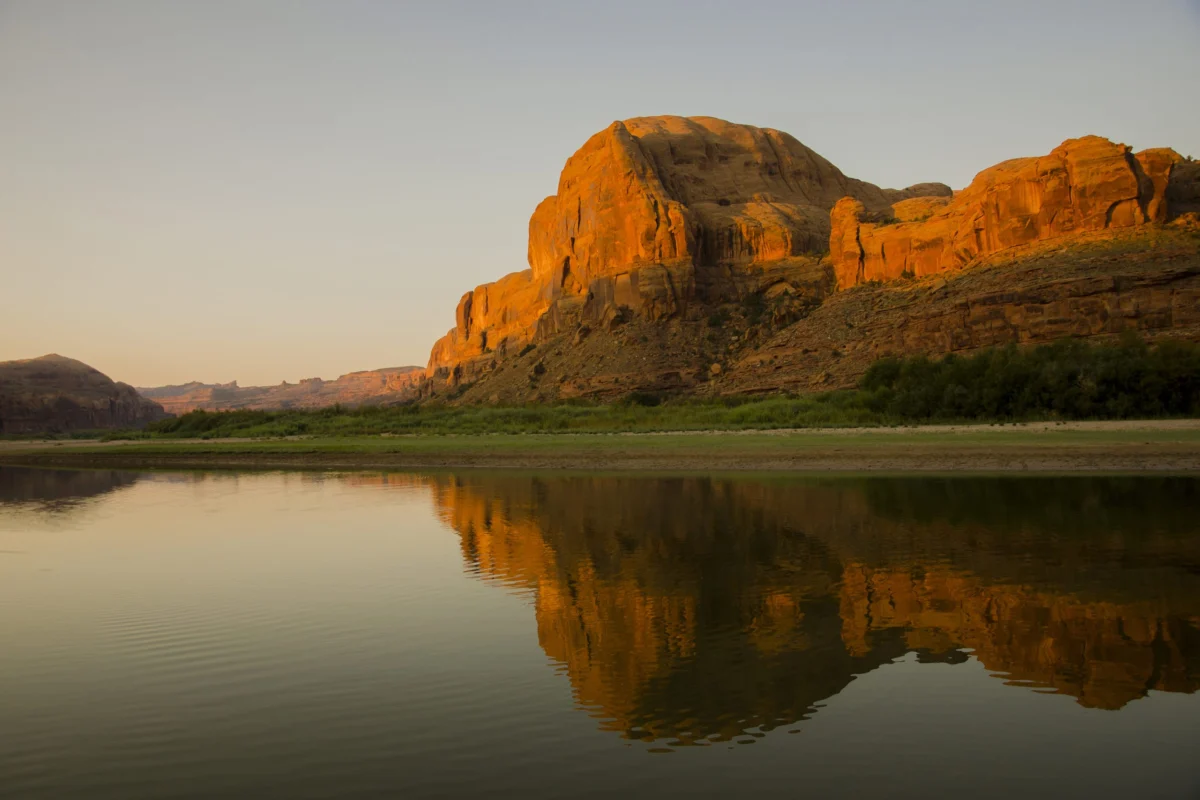
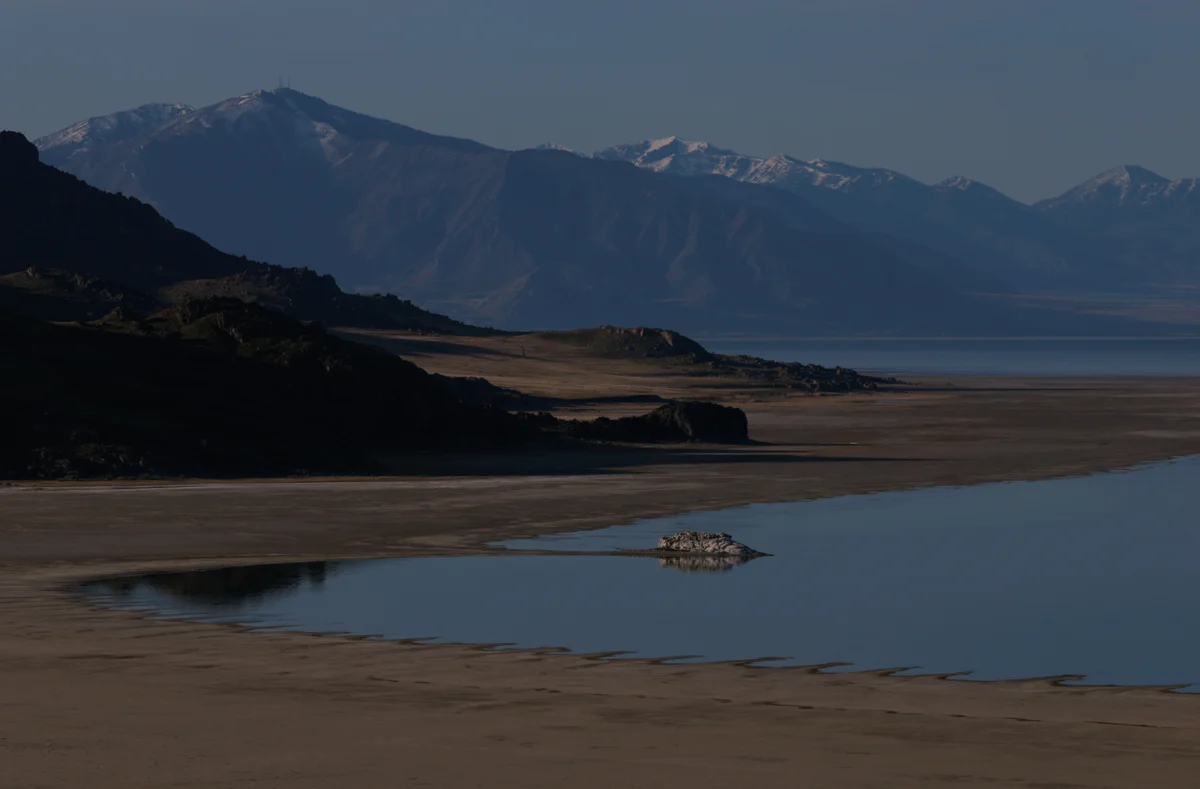
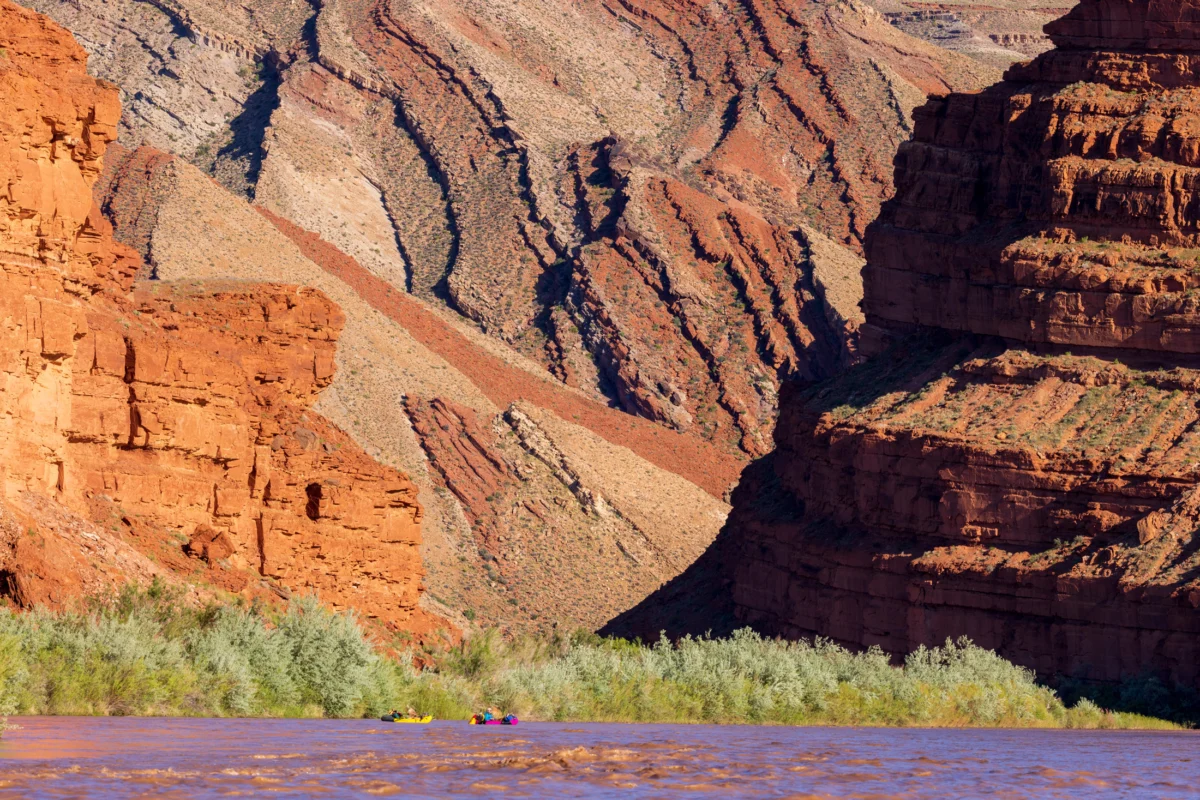
The Colorado River, known to the Hopi as Pisisvayu, is now a stark symbol of this imbalance, largely contained by the Glen Canyon Dam and feeding into the dwindling Lake Powell. This once-mighty river, essential to numerous ecosystems and communities, is effectively dammed, its waters held captive, and its natural flow to the Sea of Cortez (paatuwaqatsi) is obstructed. The dam’s artificial reservoir, Lake Powell, not only smothers sacred Hopi sites but also diverts water to development projects far from its historical course. This situation is replicated by two other major dams in Arizona constructed on the Pisisvayu, illustrating a systemic approach to water management that contrasts sharply with the traditional Hopi reverence for water, which they viewed as a sacred relative.
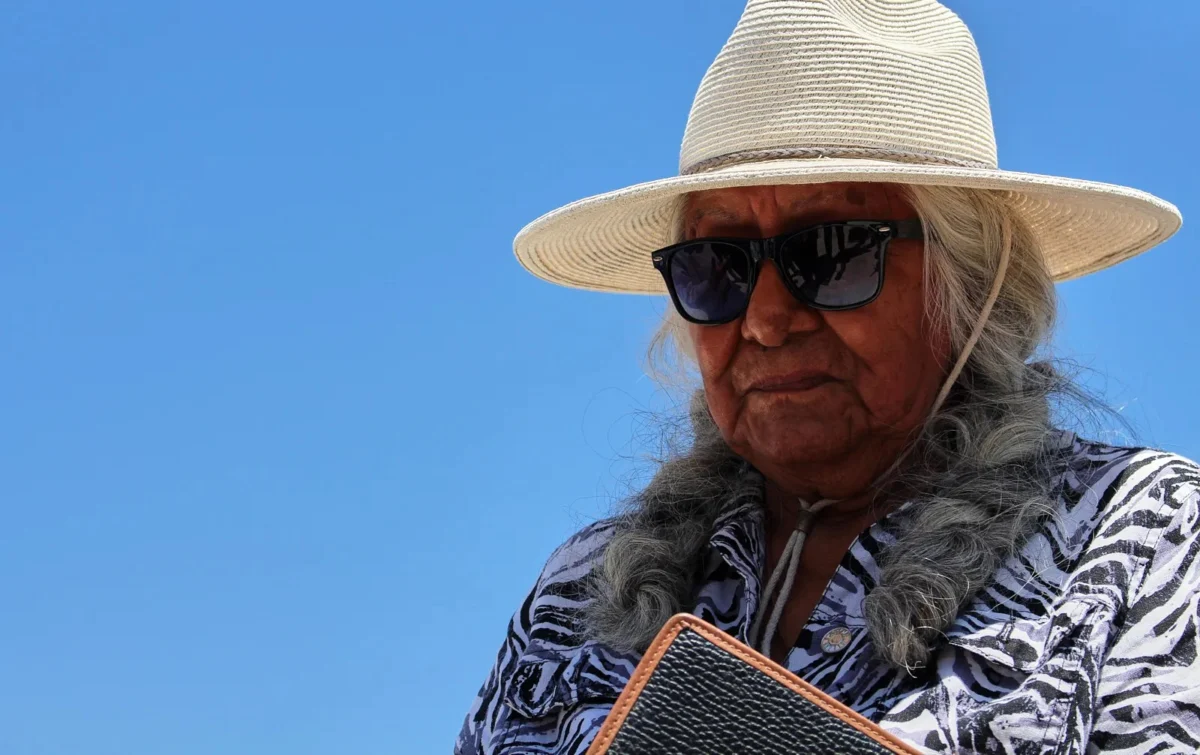
Historically, the Hopi people maintained a profound covenant with the Creator to act as stewards of both the land and its water. Before colonization, they diligently carried water to their mesa-top villages, undertaking arduous journeys to transport this vital lifeblood for their ceremonies and daily needs. As dry farmers, their agricultural practices have, for the past six decades, relied exclusively on natural rainfall and snowpack to sustain their crops on the reservation lands in northern Arizona, a territory carved out by the federal government from their ancestral homeland, Hopitutskwa. Beyond farming, the author has decades of experience in ranching, utilizing wood for home heating, and understanding the intimate challenges of living in harmony with the land. Practicing traditional methods, such as rounding up cattle on horseback instead of relying on all-terrain vehicles, minimizes environmental impact and preserves vegetation. Even when physical injuries sustained during military service prevent horseback riding, the author rounds up cattle on foot, embodying the deep sense of stewardship inherent in Hopi culture.

Over many generations, the Hopi have witnessed significant transformations in the animal populations, human communities, landscapes, and food systems. They have observed water being diverted for non-essential uses, such as golf courses and swimming pools fed by the Central Arizona Project, amenities absent on Hopi lands. This raises a fundamental question: are these diversions meeting genuine needs or catering to manufactured wants? The contrast between the scarcity experienced on Hopi lands and the abundance of luxury consumption elsewhere highlights a critical ethical and environmental dilemma.
Current legislation and management practices at federal and state levels often reflect an alarming ignorance and a persistent refusal to heed the wisdom of those with generations of experience in living with the land. The author argues that the continued prioritization of foreign interests and the commodification of land and water resources by federal agencies—including the U.S. Forest Service and the Bureau of Land Management, overseen by Congress and the executive branch—prevent water from remaining on the land. The recent decision to grant Oak Flat, a sacred Apache site in central Arizona, to the mining conglomerate Rio Tinto, under the guise of a land exchange, is seen as a final act of colonialism. Rio Tinto, a non-American company, is poised to undertake water-intensive mining operations, raising urgent questions about the source of this water and the company’s commitment to addressing downstream pollution affecting cities like Phoenix and Tucson.
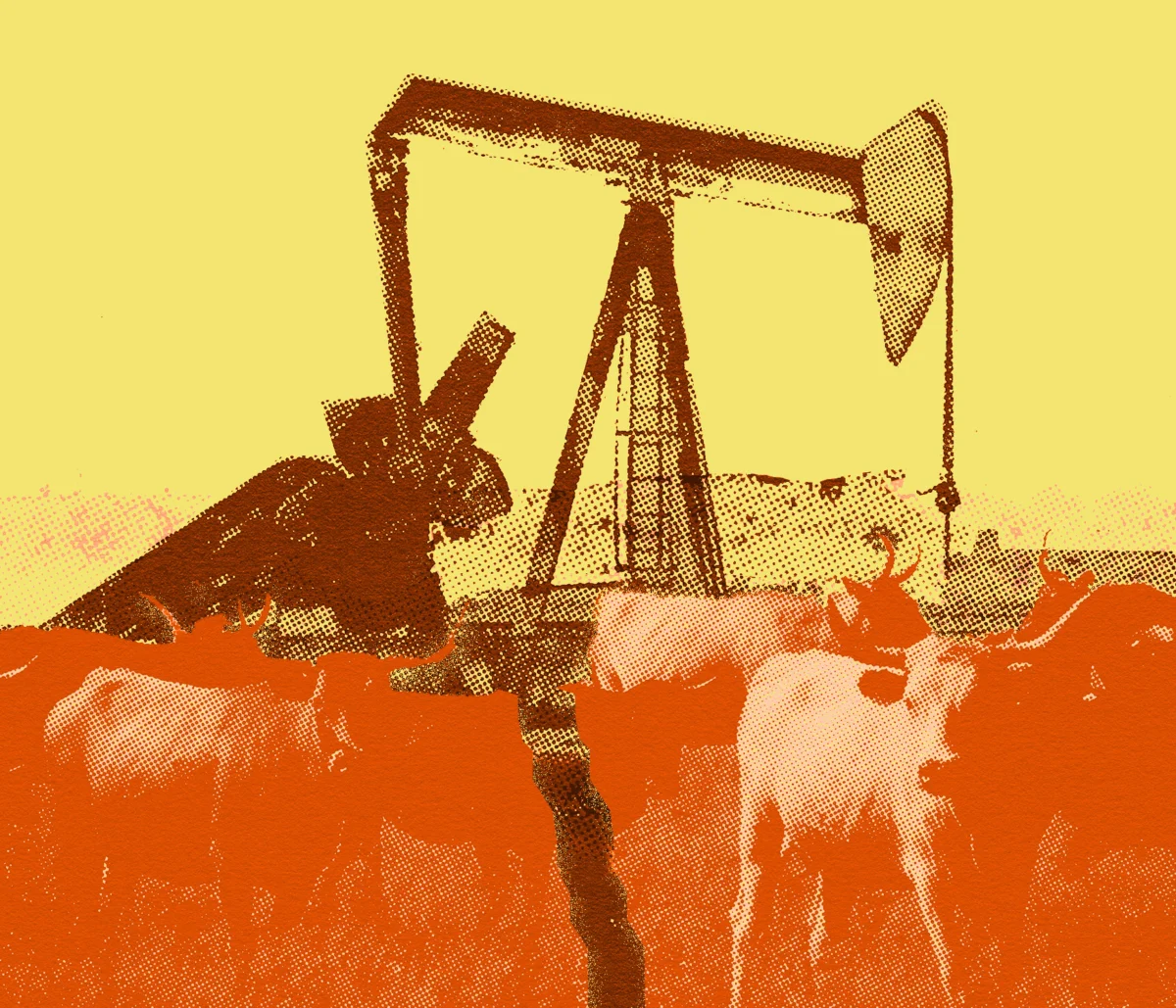
Across Hopitutskwa, particularly in New Mexico, federal agencies and decision-makers, influenced by special interests like the oil and gas industry, are implicated in widespread hydraulic fracturing (fracking). This practice exacerbates the climate crisis and further depletes water resources through its wasteful processes, a phenomenon occurring globally. The author reiterates the critical distinction between need and want, emphasizing that such destructive practices are driven by want. For the Hopi, upon death, their bodies’ moisture rejoins the Earth, becoming part of the Oomawsinom, or Cloud People, a spiritual journey that is being obstructed by emissions, pollutants, and a pervasive disrespect for water.
In Arizona, a wave of anti-wolf and anti-wildlife legislation, promoted by the cattle industry to benefit distant shareholders, has emerged at both state and federal levels. One such bill, HB 2160, even proposed allowing special interest groups to manage wolves if they fell under state jurisdiction. Notably absent from these discussions were tribal voices, despite the Hopi’s long history of coexisting with wolves and other so-called predators without resorting to such drastic measures. This legislative push is viewed as a deliberate distraction, a manufactured hysteria designed to divert attention from the accountability of state and federal agencies for the dire state of many wild species. Wolves, scientifically recognized as keystone species, play a crucial role in maintaining water on the land by regulating herbivore populations and allowing vegetation to flourish. The Creator, in establishing the balance of the ecosystem, included waterfowl, reptiles, amphibians, and raptors as vital components, not merely for human management, but as integral messengers essential for bringing water back to the land.

The U.S. Forest Service and the Bureau of Land Management operate under a "multiple-use mandate" that treats ancestral lands as mere balance sheets, employing outdated metrics of success such as cattle headcounts and timber yields. While mandated to consult with tribes, these consultations often amount to brief, perfunctory phone calls with tribal government officials, lacking the genuine face-to-face engagement and deep relational work vital for understanding cultural practitioners’ perspectives. Consultation, the author stresses, is not equivalent to consent. The fundamental truth remains: "We cannot drink oil or money." These so-called public lands are suffering from overgrazing, thinning projects, and the environmental toll of recreational ATV use. Furthermore, existing protective laws are being eroded by the Trump administration, which is heavily influenced by the fossil fuel industry. Precious time is being spent defending basic ecological principles when proactive efforts are needed to compel these agencies to serve the interests of the people, the land, and the animals. Success should be redefined to prioritize keeping water on the land through the promotion of abundant biodiversity, enhanced habitat connectivity, and fostering co-existence.
Mismanagement of the land in the pursuit of profit lies at the heart of this global environmental catastrophe and the erosion of life itself. This is the underlying reason that ancestral Hopi sites were submerged by the creation of Lake Powell, a testament to the settler belief that water could be unnaturally contained in concrete reservoirs, bending the wild river to human will. However, as Lake Powell’s waters recede due to climate change, revealing the submerged ancestral sites, the Hopi understanding of water’s true nature is validated: water is not held by artificial structures. Instead, water is sustained within the bodies of animals, in the branches of trees, and in the moisture of the soil of old-growth forests. Water is kept on the land when populations of deer and elk are naturally regulated by their wolf relatives, allowing vegetation to thrive. Water remains on the land when it is not extracted through drilling or blasting for fracking, mining, and extraction. Ultimately, water is held within our human bodies, intimately connected to the entirety of creation, where every drop is precious. Paahuquatsi—water is life. Kwakwkwy: Thank you.