Roger Danuarta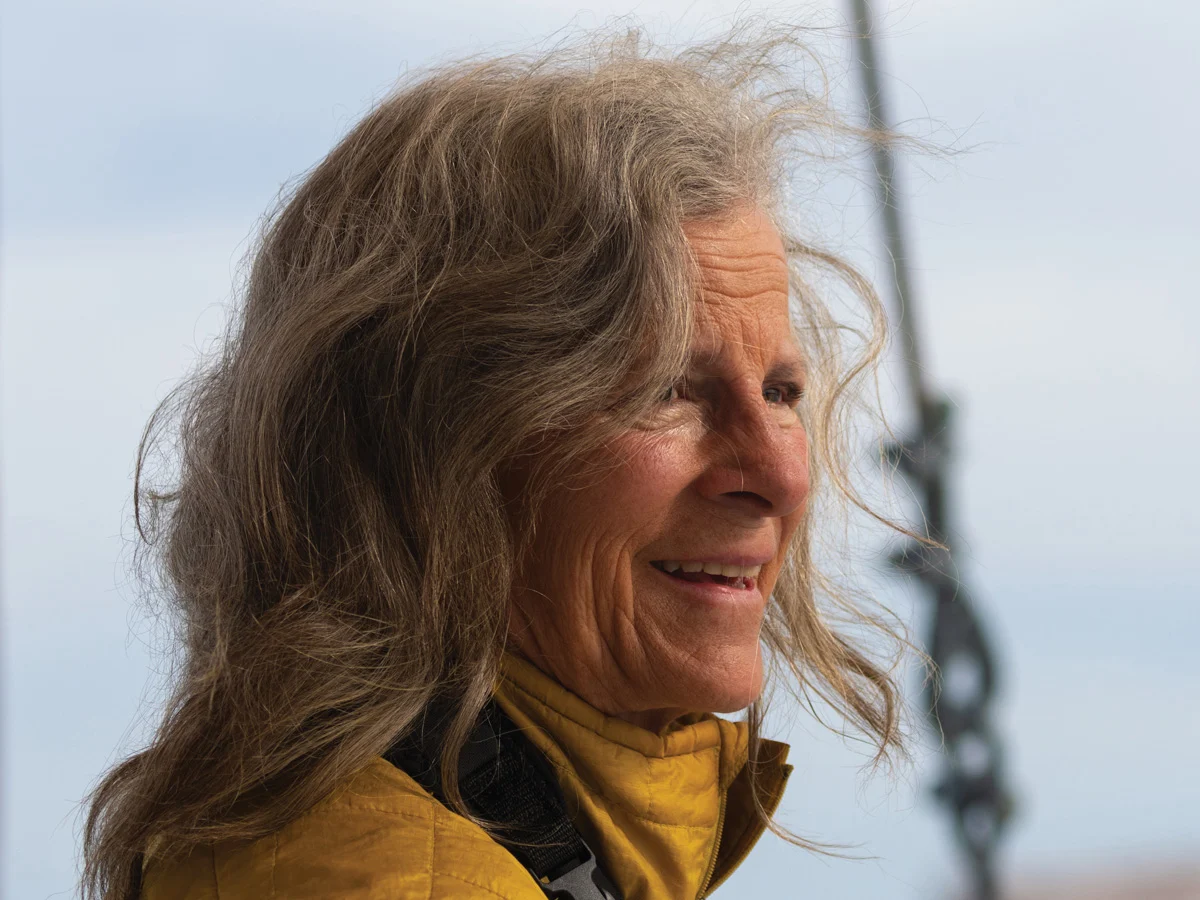
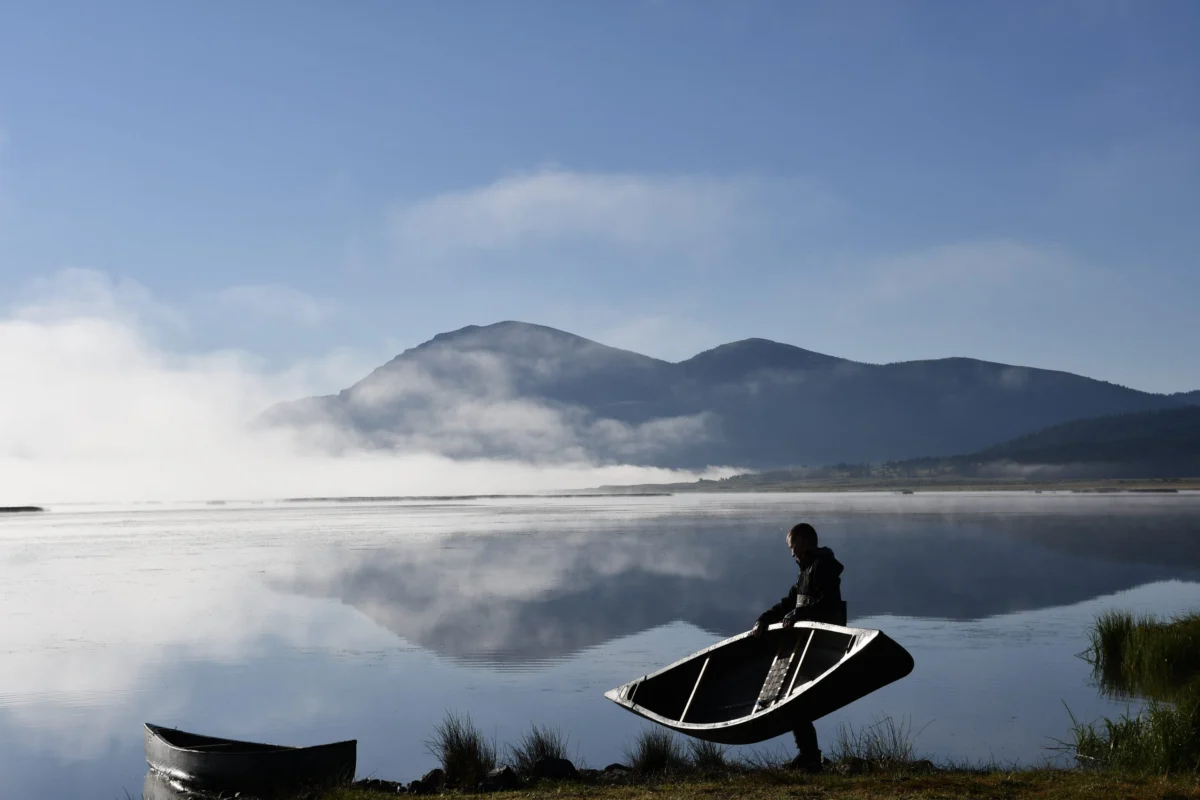
Benedict’s lifelong passion for nature was ignited during a formative childhood in upstate New York, where she spent countless hours camping, hiking, canoeing, and fishing with her parents. This early immersion cultivated an innate curiosity, evident in her basement "museum" where she meticulously displayed collected snakeskins, animal scat, and feathers. Her spirit of independence was forged early; at just 13, she embarked on a solo hundred-mile trek along Vermont’s historic Long Trail, a testament to the resilience and self-reliance instilled by her parents. "I was a strong person because my parents built me that way," Benedict reflects. "They gave me the bravery to chart my own course in life." This self-determined path ultimately led her to the rugged beauty of the Western United States and, subsequently, to becoming an indispensable patron of High Country News.
"HCN plays a crucial role in helping us understand the critical environmental issues of our time," Benedict asserts, highlighting the publication’s capacity to deliver "stories that highlight the problems we are facing and how we can get back on track." Her belief in the power of informed narrative is deeply rooted in her own scientific background and extensive experience. Her journey West began as a student at the University of Colorado Boulder, where she delved into geology and biology, disciplines that would shape her career. It was during her tenure at the Niwot Ridge Mountain Research Station, a globally recognized Long Term Ecological Research (LTER) site nestled in the Front Range of the Rocky Mountains, that she met the distinguished research scientist Jim Benedict. Their shared intellectual curiosity and reverence for the natural world blossomed into a partnership, leading to their marriage a year later and their eventual settlement on a picturesque mountain ranch northwest of Boulder. Jim Benedict, an internationally celebrated glaciologist whose work was pivotal in understanding alpine ecosystems and climate change impacts on glaciers, passed away in 2011. "We were married for 40 years," Audrey recalls fondly. "He was my mentor and we were kindred spirits." Their enduring bond was defined by a mutual dedication to scientific inquiry, environmental stewardship, and education.

Driven by this shared ethos, Audrey Benedict founded Cloud Ridge Naturalists in 1979, a nonprofit organization dedicated to fostering a deeper appreciation for the natural world through immersive experiences. For four decades, she personally led natural history expeditions spanning the vast landscapes of western North America, from the icy reaches of the Arctic to the remote wilderness of Antarctica. These journeys were more than mere tours; they were profound educational experiences designed to connect participants intimately with diverse ecosystems and their inhabitants. "It was one of the most meaningful careers I could have embarked on," she explains, describing her mission to "take people to experience the natural world and illuminate the wondrous ways in which plants and animals are adapted to the ecosystems they live in." Through Cloud Ridge Naturalists, Benedict empowered countless individuals to become more informed and engaged stewards of the planet.
Her expertise and insights are also captured in her prolific writing. Benedict is the author or co-author of five award-winning books, including a comprehensive field guide to the Southern Rockies, and seminal works exploring the unique ecologies of Great Sand Dunes National Park, the intricate marine environment of the Salish Sea, and the vital migratory pathways of the Pacific Flyway. These publications serve as invaluable resources for naturalists, scientists, and casual observers alike, deepening understanding of critical North American landscapes and their biodiversity. In 2021, responding to the evolving landscape of outdoor access exacerbated by the COVID-19 pandemic and the subsequent overcrowding of natural spaces, Benedict strategically refocused Cloud Ridge Naturalists. While maintaining its core mission of highlighting natural history, the organization pivoted towards publishing, ensuring its educational legacy could continue to reach a broader audience even as physical expeditions became more challenging.
Her commitment to direct scientific support continues with her latest ambitious nonprofit venture, Project Murrelet. Operating from her cottage in Washington’s ecologically rich San Juan Islands, Benedict is currently overseeing the meticulous green retrofit of a 38-foot steel-hulled motor yacht. This vessel is being transformed into a state-of-the-art, seagoing research platform, which will be made available at no charge to scientists for long-term marine and climate change studies in the Pacific Northwest. Project Murrelet directly addresses the critical need for sustained funding and accessible infrastructure for marine research, a sector often vulnerable to fluctuating government budgets despite the escalating urgency of ocean health issues like acidification, plastic pollution, and warming waters. This innovative initiative will provide invaluable support to researchers studying everything from plankton dynamics to marine mammal populations in a region recognized globally for its ecological significance and susceptibility to climate impacts.

Benedict firmly believes that robust science is intrinsically linked to robust reporting. "I’ve always admired HCN’s in-depth stories and the opportunities it provides for the next generation of journalists," she states. She emphasizes the ongoing necessity for High Country News to continue its vital work of uncovering challenging truths about biodiversity loss, the complexities of public-lands management, and other profound environmental and cultural issues facing the American West. In an era where environmental challenges are increasingly complex and often politically charged, independent journalism serves as a crucial bridge between scientific discovery and public understanding, fostering accountability and informed decision-making.
A significant expansion of HCN‘s reach, and one that deeply excites Benedict, is the Western Environmental Reporting Collaborative (WERC). "I’m really excited about this effort, and it’s motivated me to give more to help HCN ramp this up," she explains, referencing the generous three-year donation provided through her family’s foundation. The WERC initiative is a groundbreaking partnership designed to build a robust network of environmental reporters across the Western U.S., deepening local coverage of critical issues such as public and private lands use, water scarcity and drought, wildlife conservation, and wildfire management. With a particular focus on often-underserved rural and Indigenous communities, which are frequently at the forefront of environmental impacts, the project aims to empower local newsrooms. Launched recently, WERC strategically embeds reporters at partner news organizations in Montana, Wyoming, Colorado, and Arizona, with plans for expansion to all 12 Western states. This collaborative model addresses the pervasive challenge of "news deserts" in local journalism, ensuring that nuanced, in-depth environmental stories from across the vast and diverse American West receive the attention they demand.
Now in her mid-70s, Audrey Benedict reflects deeply on the environmental stewardship legacy she and Jim had envisioned and tirelessly worked towards. Her profound joy in sharing "joyous experiences in wild places like I had as a kid" is tempered by a palpable concern for the world her grandchildren will inherit. She grapples with the poignant question of whether future generations will be afforded the same opportunities to experience and connect with those cherished landscapes. Her life’s work, from leading expeditions to founding research platforms and supporting critical journalism, stands as a powerful testament to her unwavering belief in the possibility of a better future. Audrey Benedict’s profound generosity and the genuine friendship she has extended to the staff of High Country News over the years embody the inspiring community spirit that has sustained this influential institution for 56 years, serving as a beacon of dedication for environmental conservation and informed public discourse in the American West and beyond.