Roger Danuarta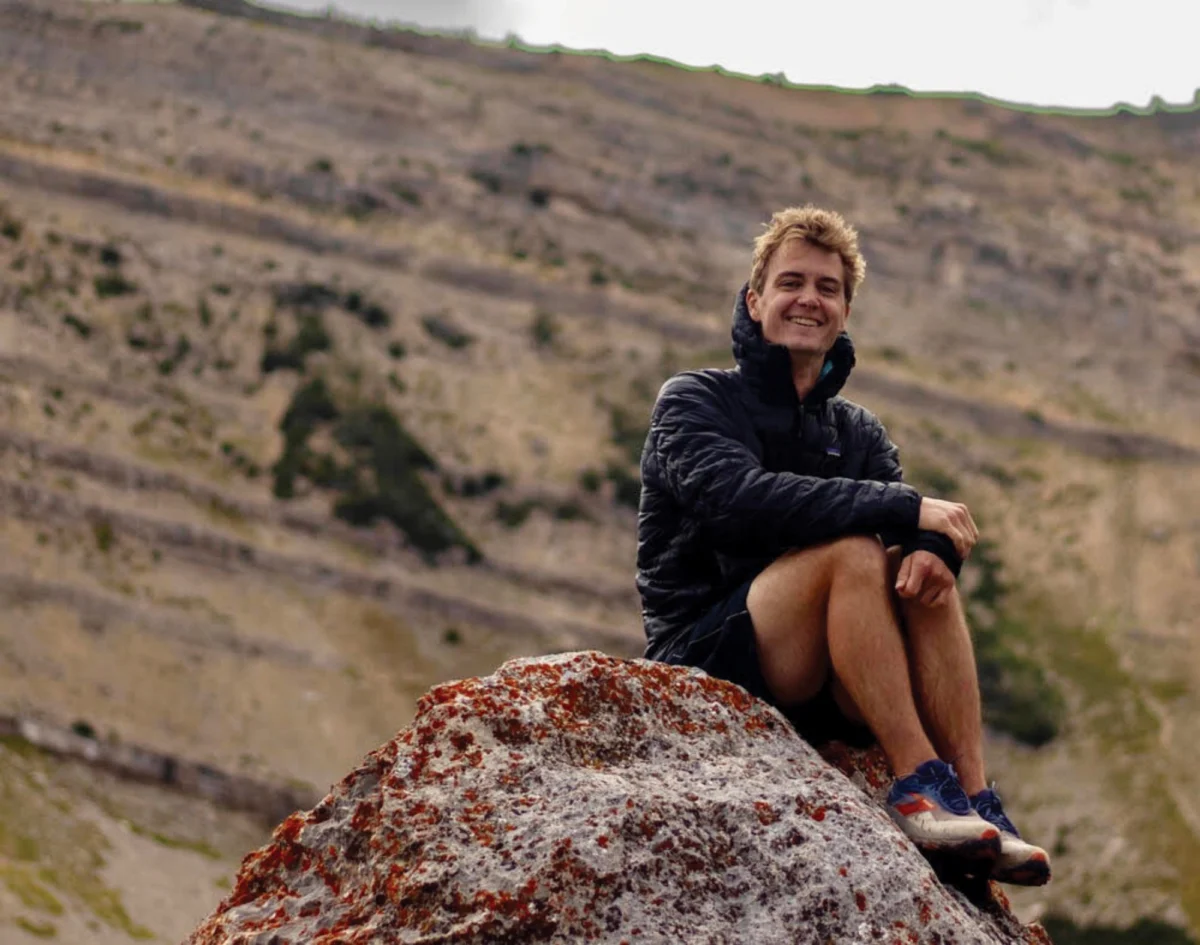
For years, High Country News (HCN) journalists have cultivated robust partnerships with a diverse array of media organizations, spanning local newspapers, influential statewide non-profits, and nationally recognized investigative powerhouses such as ProPublica, Type Investigations, and the Food & Environment Reporting Network. This collaborative ethos extends to the free dissemination of its rigorously researched stories. Over the past twelve months alone, nearly 200 distinct news outlets, from small community papers like the Big Bend Sentinel and the Chilkat Valley News to prominent environmental and independent media platforms including Grist, Mother Jones, and Native News Online, have republished HCN content. This widespread syndication highlights the critical role HCN plays in filling information gaps, particularly in underserved rural and Indigenous communities, and in amplifying complex regional issues to a broader audience.
This year marks a pivotal expansion of HCN’s collaborative efforts with the launch of the Western Environmental Reporting Collaborative (WERC). This ambitious initiative is designed to embed dedicated environmental reporters directly into local newsrooms across 12 Western states, commencing with Arizona, Colorado, Wyoming, and Montana. The WERC addresses a growing need for specialized environmental coverage in a region grappling with some of the most pressing ecological challenges globally, from climate-driven wildfires and persistent drought to resource extraction conflicts and biodiversity loss. By placing experienced reporters within local news operations, WERC aims to significantly deepen the quality and quantity of environmental journalism at the grassroots level, ensuring that critical local narratives are unearthed and shared with both immediate communities and the wider world. This model not only provides much-needed journalistic capacity but also fosters a network of expertise, allowing for more comprehensive, nuanced reporting on interconnected issues that transcend state lines.
To shepherd this expanding network of collaborators and to oversee the burgeoning WERC program, HCN proudly announced the appointment of Billy Arnold as its new Partnerships Editor in July. Arnold brings a wealth of hands-on experience in community journalism, having dedicated eight years to the Jackson Hole News & Guide, where he rose through the ranks from arts and culture editor to government reporter, environmental reporter, and ultimately, managing editor. His journey into journalism, which began with freelancing arts and culture stories while simultaneously working as a ski instructor and bussing tables at the iconic Mangy Moose Restaurant & Saloon, speaks to a deep-seated passion for storytelling and an intimate understanding of community dynamics.
Arnold’s diverse background has instilled in him a profound appreciation for the delicate balance required in local news: the necessity of rigorous accountability reporting coupled with stories that authentically capture a community’s unique character and its intricate connections to the broader world. He vividly demonstrated this understanding during the dramatic collapse of a section of Wyoming Highway 22 in June 2024, which severed travel over the vital Teton Pass. In the immediate aftermath, Arnold went beyond the immediate crisis, interviewing residents who suddenly faced grueling three-hour commutes to jobs in Jackson from more affordable communities in Idaho. This reporting illuminated the socio-economic vulnerabilities and regional interdependencies exposed by infrastructure failures. Similarly, his environmental reporting often took him to neighboring Sublette and Lincoln counties, where he meticulously documented the epic migrations of pronghorn and mule deer, highlighting the critical importance of wildlife corridors and the threats posed by human development and climate change.

Reflecting on his time in the Greater Yellowstone Ecosystem, Arnold observed, “It’s amazing how many people and animals come in and out of the Greater Yellowstone Ecosystem. I started to see this as one interconnected region rather than Jackson, Bozeman, Cody.” This holistic perspective, recognizing the fundamental interconnectedness of natural and human systems across the vast Western landscape, was a significant factor in his selection from a competitive field of over 140 applicants. In his new role, Arnold will leverage this firsthand experience to mentor and support local newsrooms, helping them to enhance their environmental coverage. He emphasizes that in the American West, environmental issues are inextricably linked to virtually every other facet of life – from economic development and public health to indigenous rights, land use policy, and infrastructure planning. His vision for WERC is to empower local journalists to explore these complex interdependencies, providing their communities with the context and depth needed to address challenges proactively.
In a separate but equally significant development for the organization, High Country News management and the HCN Union proudly announced the successful negotiation and signing of their inaugural contract. This landmark agreement comes after more than a year and a half of dedicated negotiations, following a decisive vote in 2024 by a dozen HCN employees to join the Denver Newspaper Guild. This unionization effort is part of a broader, national trend seeing a significant surge in labor organizing within news organizations and non-profits across the country, as employees seek greater job security, fair compensation, and a stronger voice in their workplaces amidst an evolving media landscape.
The new contract not only formalizes many of the progressive benefits that HCN staff already enjoyed but also introduces substantial new provisions. Existing benefits now enshrined in the agreement include the organization’s commitment to covering 100% of employees’ health insurance premiums, generous contributions to their 401k retirement plans, and up to 12 weeks of paid leave for significant life events such as welcoming a new baby, caring for a loved one, or navigating personal medical issues or emergencies. These provisions underscore HCN’s long-standing commitment to employee well-being, now reinforced through a binding collective bargaining agreement.
Further strengthening the terms of employment, the contract grants members of the union’s bargaining unit a 4.5% pay increase, a crucial adjustment in an era of rising living costs. Recognizing the evolving nature of work, particularly in the post-pandemic era, the agreement also includes a $25 increase in the monthly work-from-home allowance, acknowledging that most HCN employees now operate remotely, outside of the traditional Paonia, Colorado, office. Critically, the contract also provides union members with greater input into the selection of health insurance options and the industry salary surveys used to establish pay rates, fostering increased transparency and employee participation in decisions that directly impact their financial and physical well-being. Moreover, the agreement establishes clear guidelines and structured processes for resolving grievances and disputes, ensuring a fair and equitable mechanism for addressing workplace concerns. Concurrently, the contract affirms management’s fundamental right to continue guiding the organization in a manner that best advances HCN’s overarching mission.
While the path to a final agreement occasionally presented challenges, both parties have acknowledged that the collaborative spirit ultimately prevailed, resulting in a contract that is clear, balanced, and built to endure. This foundational agreement is poised to strengthen HCN and its entire dedicated team, fostering a more stable, equitable, and empowered work environment. The successful negotiation serves as a testament to both management’s and employees’ shared commitment to the long-term health and vitality of the institution and its critical journalistic mission in the American West.