Roger Danuarta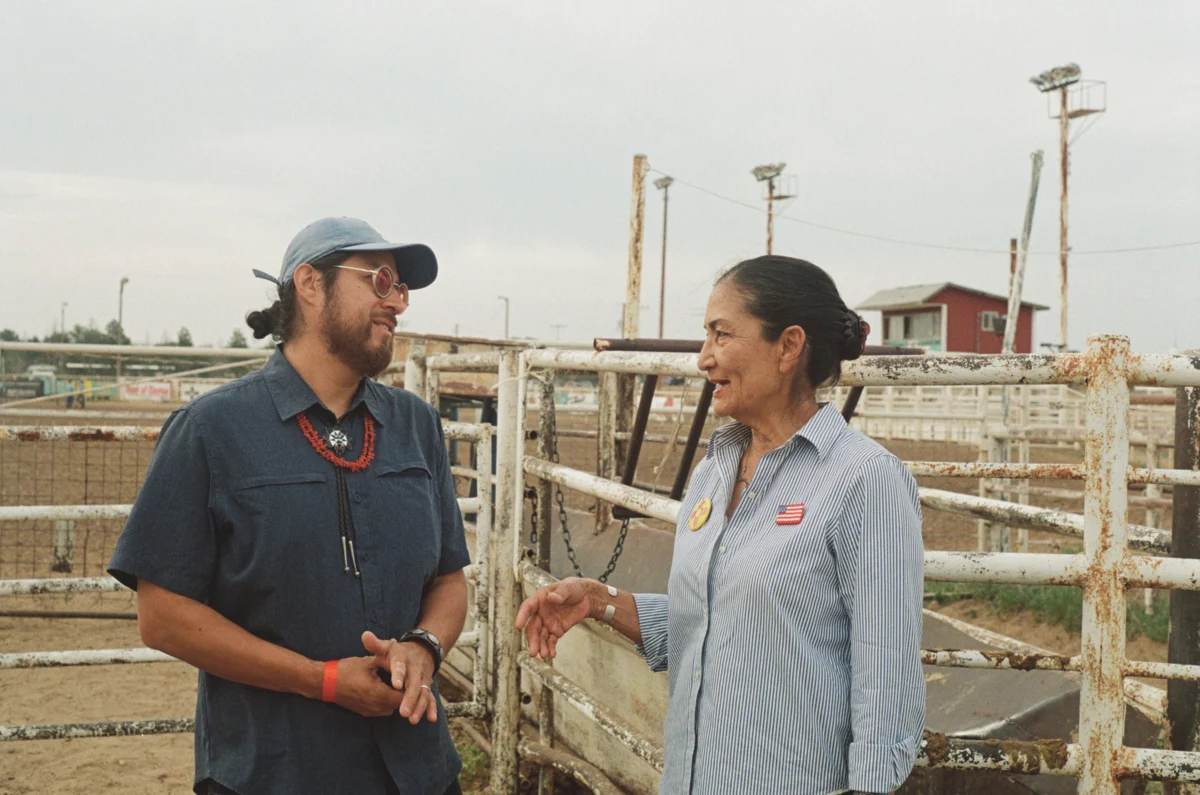
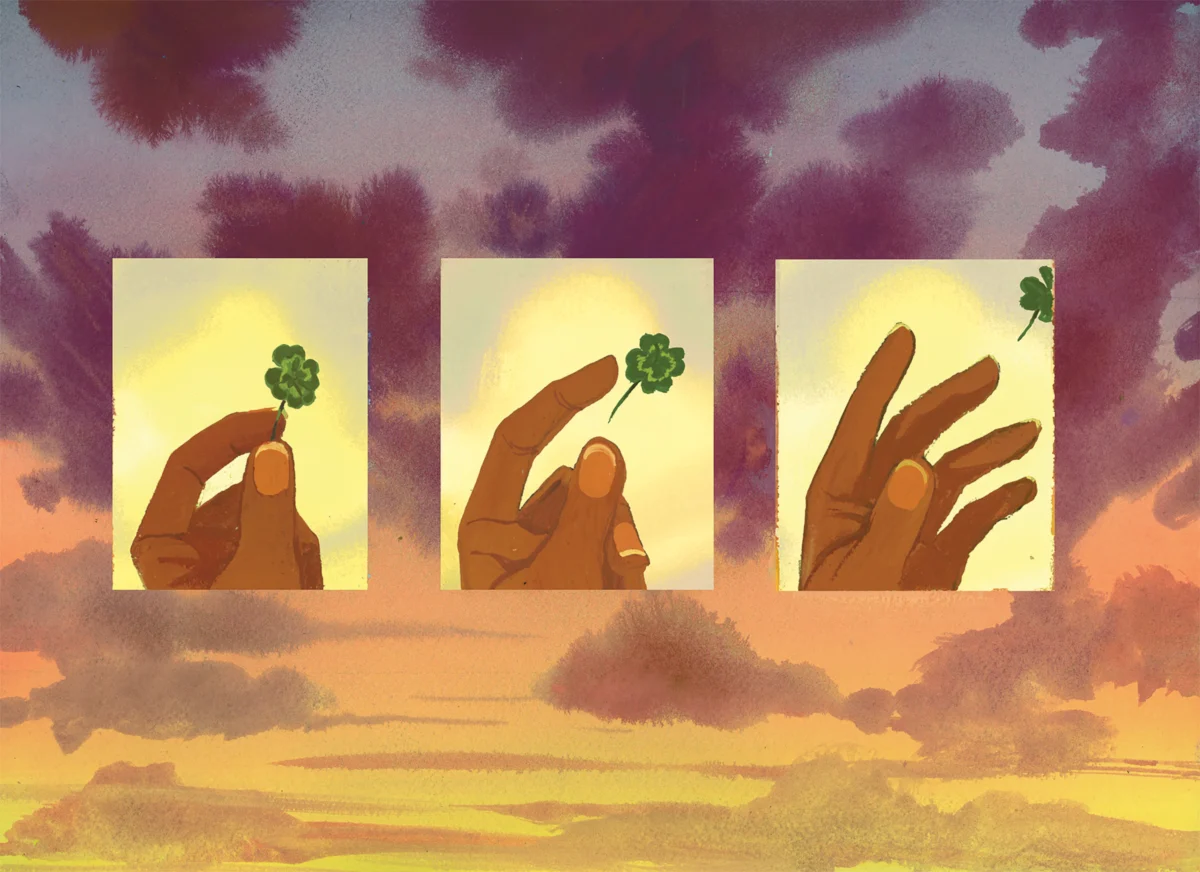
In the pre-dawn quiet of the American Southwest, a profound ritual unfolds, a practice as ancient as the red clay soil from which the corn pollen is harvested. This sacred offering, made with the right hand facing east toward the majestic Sandia Mountains, is more than a prayer; it is a declaration of presence, a centering of self within the vast tapestry of existence. It embodies a land-based belief system, shared by Pueblo relatives in the Zuni Mountains and across Indigenous communities globally, asserting that life is a continuous journey forward, requiring intentional path-setting. Gratitude for the morning, peaceful intentions for the day, and acknowledgement of ancestors – both immediate and those who have passed – are woven into this timeless ceremony, a connection to generations past and future. This enduring practice, carried on since time immemorial, reflects a deep respect for the Earth and a profound understanding of one’s place within the natural world.
It is along this "corn pollen trail," metaphorically and literally, that many Indigenous leaders find their grounding, including Deb Haaland, a distinguished relative from the Laguna and Jemez Pueblos. Haaland, who begins her days with a similar recommitment to the teachings of her grandparents, embodies the resilience and enduring wisdom of her heritage. Her grandparents, contemporaries of many in the Pueblo community, shared a common knowledge and way of life that continues to guide their descendants. Haaland made history as the first Indigenous Secretary of the Interior under the Biden administration, a role that saw her navigate complex issues of federal land management with a perspective deeply informed by her land-based beliefs. Since 2025, she has been tirelessly campaigning across New Mexico, from the rural expanses of Gallup and Shiprock to the political hub of Santa Fe, before returning to her Albuquerque home. Her journey, she asserts, is a testament to her ancestors’ enduring strength, propelling her to the forefront of New Mexico’s gubernatorial race and positioning her as a pivotal figure in the nation’s post-Trump reconstruction efforts.

Haaland’s potential ascent to the governorship would mark a significant milestone for New Mexico, making her the state’s third consecutive female governor and, more profoundly, the first Native American to hold the office. Her commanding victory in the Democratic primary, securing a 45-percentage-point lead, underscored the strong public mandate for her progressive vision. Her comprehensive platform champions expanded public health care, robust state environmental regulations, an increased state minimum wage, the strategic leveraging of energy profits for community-centric policies, and the vital advancement of tribal sovereignty. These pillars reflect a holistic approach to governance, seeking to uplift all New Mexicans while addressing historical inequities and modern challenges.
The prospect of a Native American governor presents a nuanced and, in some ways, contradictory dynamic. The very position of state power, historically wielded as an instrument of racist violence against tribal nations, is now sought by an Indigenous leader. Yet, this paradox also signifies a profound opportunity for transformative change. If elected, Haaland would assume the critical responsibility of managing relationships with New Mexico’s 23 tribal nations. She would leverage existing legislative frameworks, such as the New Mexico State-Tribal Collaboration Act of 2009, to foster genuine partnerships between state agencies and tribal leaders on policy development and implementation. This landmark legislation mandates that state agencies engage in working partnerships and negotiate practices with tribes, mirroring the federal government’s trust and treaty obligations. Having intimately understood these obligations as a Pueblo woman and as Interior Secretary, Haaland is uniquely positioned to champion tribal self-determination and sovereignty within the state government. Her tenure at the Interior Department showcased how land-based belief systems could inform and revolutionize federal land management, setting a precedent for her potential leadership in New Mexico.
Haaland’s vision extends to addressing the lingering impacts of the previous federal administration, particularly its perceived focus on chaos over tangible solutions for everyday Americans. She has articulated a clear strategy to reclaim voters alienated by rhetoric, emphasizing that people demand attention to issues directly affecting their lives, such as rising costs and community stability. Her commitment to democratic principles and responsive governance forms a critical component of the broader "post-Trump reconstruction" narrative, aiming to restore trust in institutions and prioritize the well-being of citizens.

A core tenet of her platform involves educating non-Native populations about tribal sovereignty, a concept often misunderstood or overlooked. Haaland underscores the profound historical presence of Pueblo Indians in the Rio Grande Valley since the late 1200s, whose ancestral homelands were vast and whose current tribal boundaries often represent mere fractions of their original territories. Many tribes have had to actively repurchase land to rebuild their land base, highlighting a history of dispossession and exploitation that breeds skepticism towards external entities. Haaland emphasizes that it is incumbent upon "outsiders"—corporations, project developers, and emerging leaders—to proactively cultivate relationships built on transparency and trust, recognizing that tribes deserve respect and a rightful place at the table in any endeavor affecting their ancestral lands, even if physically adjacent rather than directly on their reservations. This includes visible impacts like transmission lines, asserting that tribal input is not merely a courtesy but a fundamental right.
Haaland notes a growing awareness among business leaders regarding the pronouncement of tribal capital. This signifies an evolving understanding of the multifaceted value that tribes bring to the state, encompassing not only economic contributions but also cultural heritage, environmental stewardship, and community resilience. The State-Tribal Collaboration Act in New Mexico has been instrumental in formalizing this recognition, ensuring that the state respects tribal sovereignty, land bases, and economic contributions. This proactive engagement is crucial for fostering sustainable development and equitable growth across the state.
Water management in New Mexico, a state perpetually grappling with drought and increasing population demands, is another critical focus for Haaland. She asserts that any industry seeking to relocate to New Mexico must demonstrate sustainability, with water resources unequivocally prioritized for human consumption. This policy stance is vital for ensuring long-term environmental and social stability in an arid region facing the accelerating impacts of climate change.

In the wake of federal actions perceived as destructive to environmental protections, Haaland sees an urgent opportunity for states like New Mexico to fill the regulatory void. She maintains that the state has no choice but to step up, given the federal government’s ongoing obligations despite program cuts and personnel reductions. Her administration would vigorously pursue legal action against the federal government for encroaching on state sovereignty, environmental degradation, or failing to deliver promised benefits to New Mexicans. This aggressive stance, focused on building robust legal teams, reflects a determination to protect the state’s natural resources and its citizens’ welfare through judicial avenues.
Perhaps one of the most poignant and necessary aspects of Haaland’s agenda is the commitment to ensuring that the history of the federal Indian Boarding School era is comprehensively taught in New Mexico’s public schools. She passionately argues that Native American history is not a sidebar but an integral component of American history, a shared past that every citizen must confront and understand. Her own family’s experience—her grandparents forcibly separated from their families and sent to institutions like St. Catherine’s in Santa Fe, and her great-grandfather’s arduous two-visit journey over five years by horse and wagon—underscores the profound personal and intergenerational trauma inflicted by these schools. She vividly recounts how sites like Fort Union served as cruel way stations where Native children were stripped of their identities before being dispatched to distant boarding schools. New Mexico’s deep and painful history with these institutions, she stresses, obligates every New Mexican to learn and acknowledge this past, fostering a collective understanding that is essential for healing and reconciliation.
Deb Haaland stands at a pivotal juncture, poised to redefine governance in New Mexico by weaving together progressive policy with the timeless wisdom of her ancestral heritage. Her journey from the corn pollen trail to the highest echelons of state power represents a powerful testament to resilience, sovereignty, and the enduring spirit of Indigenous leadership, offering a compelling model for the nation and beyond.