Roger Danuarta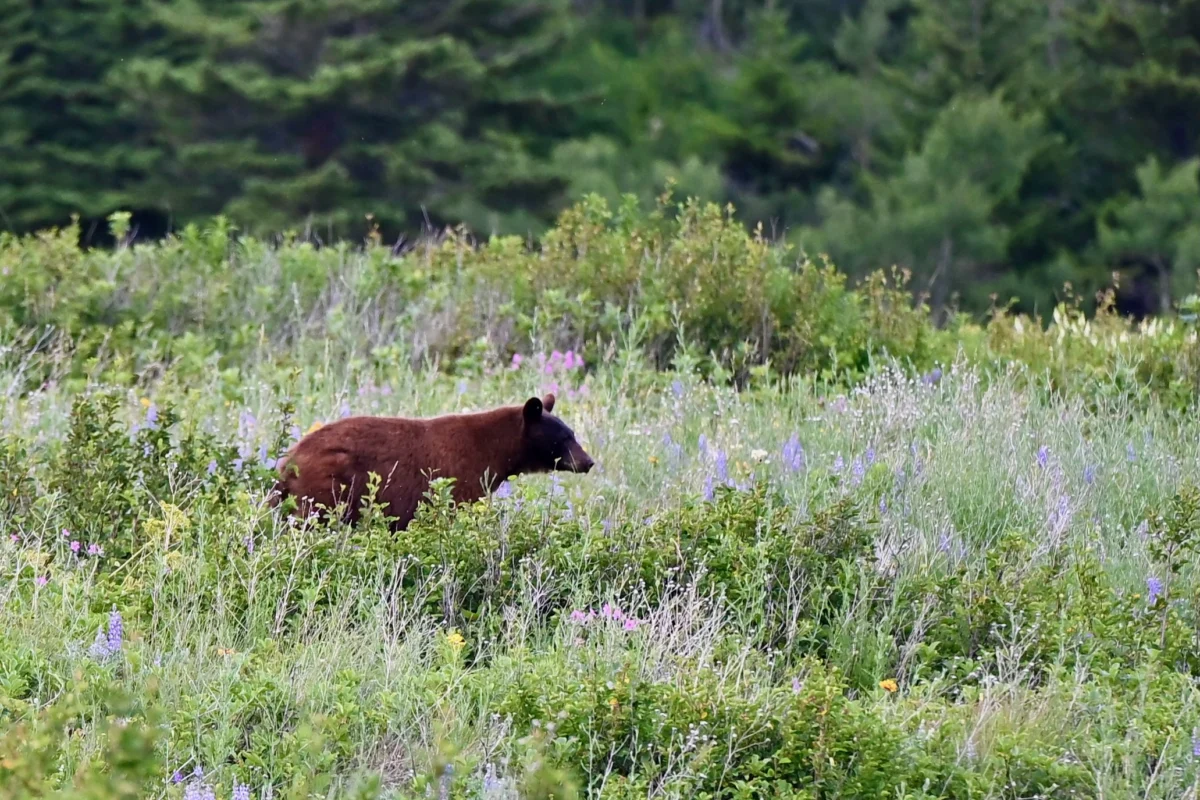
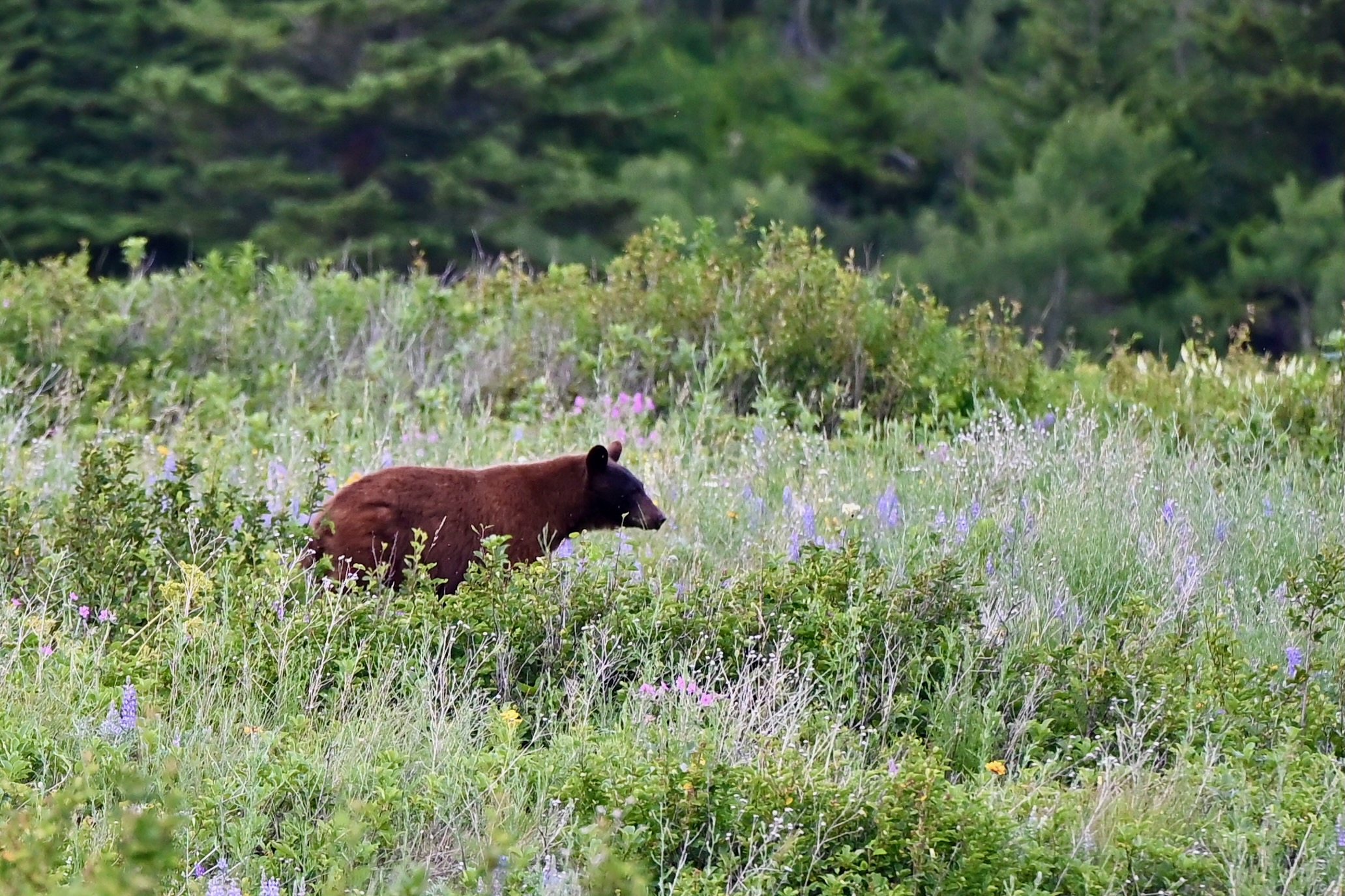
A seemingly idyllic summer jog on a winding local trail transformed into a heart-stopping encounter for one individual and their seven-year-old black lab mutt, Camas, as the dog suddenly froze, its hackles raised, before emitting a sharp, unfamiliar bark. The pungent, unmistakable scent of a wild animal hung in the air, prompting an immediate reflex to reach for the bear spray. Less than twenty yards away, a striking cinnamon black bear perched halfway up a tree, its gaze fixed on the duo. As Camas held her ground, growling, the bear eventually retreated, leaving behind a profound sense of relief and a moment of proud assumption: the dog had served as an early warning, a protector in the wild. This deeply ingrained belief, common among outdoor enthusiasts navigating bear country, posits that canine companions act as vigilant alarms or even formidable deterrents against potential ursine threats. However, this widely accepted wisdom, long rooted in anecdotal tales and personal experiences, now faces significant scrutiny from rigorous scientific inquiry.
Until recently, empirical data to substantiate or refute the efficacy of dogs in preventing or mitigating bear encounters remained largely elusive. A groundbreaking new study published in the esteemed Journal of Wildlife Management has meticulously analyzed a vast array of bear-dog conflicts, spanning the diverse habitats of black, polar, and brown bears from the frosty expanses of Alaska to the humid landscapes of Florida. The comprehensive findings of this research critically challenge the popular notion that dogs inherently enhance human safety in bear-inhabited territories, prompting a fundamental reevaluation of the role pets play in wilderness excursions.
"If you think a house pet is likely going to be your bear, not only detector but deterrent, you might want to think twice about that," cautioned Tom Smith, the lead author of the pivotal paper and a distinguished research wildlife biologist at Brigham Young University in Utah. Smith’s extensive career, which began over three decades ago studying bears in Alaska’s iconic Katmai National Park, has established him as one of the world’s foremost experts on human-bear interactions. His influential research has shaped public understanding of bear spray and firearms as deterrents, making him a go-to resource for safety advice in the wild. The imperative to thoroughly investigate the bear-dog dynamic intensified for Smith following a tragic 2023 incident in Canada’s Banff National Park, where two hikers and their dog perished in a grizzly attack while tent camping. The urgency of this issue has only grown, underscored by recent viral incidents, including a jogger and their dog mauled near Island Park, Idaho, and separate, widely circulated recordings of grizzly encounters involving dogs in Banff and Alberta this past summer. These events underscore a critical need for data-driven safety protocols as human populations increasingly encroach upon wildlife habitats globally.
Smith’s meticulous analysis encompassed 326 recorded bear-dog encounters over more than a century, drawing from an exhaustive compilation of sources including newspaper archives, federal and state government reports, specialized books, records maintained by other bear experts, and extensive internet searches. The sheer volume and historical breadth of the data allowed for an unprecedented examination of these complex interspecies interactions.
The study’s findings reveal a stark reality that often contradicts conventional assumptions about bear country preparedness. A significant proportion of individuals venturing into these areas appear ill-equipped and potentially naive regarding the actual risks and consequences of bear encounters, particularly when accompanied by dogs. The data indicated a concerning lack of defensive tools; bear spray, a highly effective non-lethal deterrent, was carried in only about one-tenth of the cases, and a firearm in approximately one-third. This suggests a widespread over-reliance on the perceived protective abilities of dogs. Tragically, these encounters resulted in the deaths of five people and 56 dogs, underscoring the severity of these conflicts.

Far from being reliable early warning systems, dogs alerted their owners to the presence of a bear in a mere 1 in 11 of the analyzed incidents. Even more surprisingly, dogs actively provoked the bear, initiating the conflict, in over half of all cases. Once an encounter began, canine behavior rarely aligned with a protective role: dogs engaged in direct conflict with bears approximately 40% of the time, fled in 20% of encounters, and did not engage at all in roughly 17% of cases. These statistics significantly diminish the long-held belief in dogs as steadfast protectors.
One of the most critical factors influencing the outcome of these interactions was the use of a leash. Unleashed dogs were involved in six times as many incidents as their leashed counterparts. Smith explained that dogs roaming freely can inadvertently dart ahead of their owners or crash through dense undergrowth, startling a bear that might otherwise remain unnoticed or unprovoked. A particularly perilous phenomenon identified in the study was the "boomerang effect," where a dog, after encountering and fleeing from a bear, inadvertently leads the pursuing bear directly back to its owner. This occurred in 27 of the analyzed encounters, with a staggering 70% of the human owners sustaining injuries in these specific incidents. Furthermore, the innate human instinct to protect a beloved pet often led owners to intervene physically in a bear-dog scuffle, frequently without any deterrent. In a sobering 85% of such cases, these owners were subsequently injured, highlighting the profound risks associated with such interventions.
The research also reinforced the established principle that larger human groups generally experience fewer conflicts with bears. However, the presence of a dog dramatically altered this risk profile, effectively doubling the odds of a conflict for groups of the same size when a canine companion was present. Taken collectively, these findings paint a clear picture: bears and domestic dogs generally do not coexist peacefully. Smith posits that this antagonism may stem from the deep-seated evolutionary relationship between bears and wolves, the ancestors of modern dogs. For millennia, wolves competed fiercely with bears for vital food resources, were known to kill bear cubs, and often displaced bruins from carcasses. This ancient rivalry, still observable in places like Yellowstone National Park where both species thrive, suggests that modern dogs may inadvertently trigger these primal, territorial instincts in bears.

Smith acknowledges that, like any robust scientific inquiry, his data presents certain limitations and nuances. Crucially, the dogs examined in this analysis were primarily domestic companions, not specialized, highly trained guardian dogs specifically bred and conditioned to fend off predators from livestock. Indeed, other research indicates that such professional guardian dogs can effectively reduce bear presence around ranches and farms. Moreover, the inherent bias in conflict data means that the study predominantly captures encounters that went significantly awry, rather than the vast majority of instances where people and their pets traverse bear country without incident. "For the most part, people and their dogs pass through bear country without incident," Smith emphasized in the paper, underscoring that conflicts, while impactful, represent a fraction of total interactions.
Despite these caveats, the core message of the study is not to discourage taking dogs into bear country, but rather to empower outdoor enthusiasts with knowledge that can dramatically improve their safety. "The takeaway isn’t to keep dogs out of bear country," Smith clarified. "The takeaway is there are things you can do that greatly improve your odds." Best practices, now strongly supported by Smith’s data, remain paramount: travel in groups, diligently eliminate attractive food odors when camping, and make consistent noise while hiking. Bear bells, often marketed as deterrents, are largely ineffective. Above all, Smith asserts, "You have no business being in bear country without a deterrent."
Dogs, the study unequivocally demonstrates, simply do not fulfill this critical deterrent role. For the vast majority of recreationists, bear spray offers the highest likelihood of fending off an aggressive bear. Firearms can also be effective, but only for highly experienced users proficient in their deployment under extreme duress. Regardless of the chosen deterrent, it is imperative to carry it in an easily accessible location, ready for immediate use within split seconds, and to practice its deployment regularly. Bear encounters can escalate and conclude in an instant, leaving no room for fumbling.

If the decision is made to bring a dog into bear country, adhering to leash laws is not just a regulatory compliance but a critical safety measure. "It’s not just dogs and bears," Smith noted, highlighting the broader ecological impact. "It’s also dogs and everything else." Uncontrolled dogs can harass or injure other wildlife, from skunks and ground squirrels to marmots and grouse, disrupting natural ecosystems and potentially leading to unwanted encounters. The author’s own experience with Camas, a beloved companion who has both alerted to bears and, in younger years, treed a black bear or chased wildlife she shouldn’t, perfectly encapsulates the unpredictable nature of even the most cherished pets in wild environments.
Ultimately, the lesson gleaned from this extensive research is not a blanket condemnation of dogs in the wilderness. It is a profound reminder that dogs, for all their loyalty and companionship, remain animals driven by instinct, whose behavior in the face of a large predator can be inherently unpredictable. While the individual bond with a pet is deeply personal, when venturing into bear country, it becomes an odds game. The data unequivocally indicates that dogs, by their very presence and unpredictable actions, often increase the risk of conflict rather than mitigate it. They can, as often as not, exacerbate a situation rather than improve it. "It’s a personal thing, it really is," Smith concluded, acknowledging the unique relationship between each person and their dog. "We work in statistics with a pool of instances. But you are not a pool of instances. You’re you." This research provides invaluable guidance for informed decision-making, ensuring that our love for our canine companions does not inadvertently compromise safety in the wild, safeguarding both human lives and the well-being of the majestic wildlife with whom we share these increasingly interconnected landscapes.