Roger Danuarta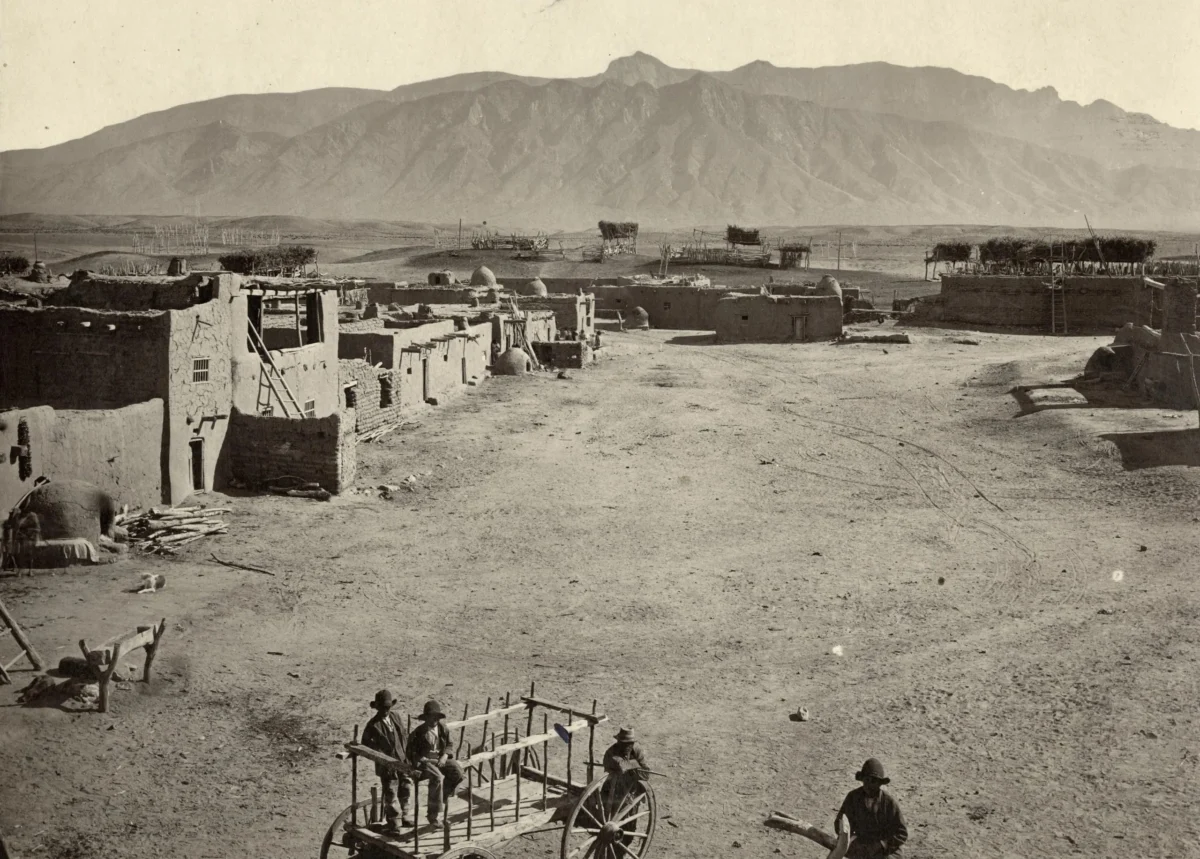
For millennia, the Pueblo of Sandia has maintained an unbroken spiritual and physical connection with the majestic Sandia Mountain and the life-giving Rio Grande, a relationship deeply woven into the fabric of their identity in what is now known as New Mexico. Throughout centuries of profound geopolitical upheaval, marked by the incursions of Spanish, Mexican, and American governments, the Pueblo people steadfastly upheld their ancestral charge to care for these sacred lands and waters, continually offering prayers for the health and vitality of their communities and the entire natural world around them. This enduring legacy of stewardship, resilience, and profound reverence for their ancestral domain now frames a critical appeal to federal lawmakers and the broader public: support the transfer of a vital portion of Sandia Mountain to tribal management, a move deemed essential for preserving culture, ecosystem integrity, and the very essence of their sovereignty in an increasingly volatile world.
The Sandia Mountain, known in Tiwa as T’uf Shur Bien, meaning "Green Mountain," stands as an immutable spiritual anchor for the Pueblo. It serves not merely as a geographical landmark but as their sacred church, a steadfast protector, and an indispensable source of communal well-being. Beyond its profound cultural significance, the mountain encompasses a diverse tapestry of ecosystems, providing critical habitat for an array of wildlife and offering unparalleled natural beauty and recreational opportunities for hundreds of thousands of residents and visitors to the Middle Rio Grande Valley. However, the Pueblo leadership contends that this invaluable resource faces escalating threats, necessitating a shift in management to ensure its long-term preservation and the perpetuation of their traditional ways.
The specific request before Congress calls for the transfer of lands within the T’uf Shur Bien Preservation Area from the administrative purview of the U.S. Forest Service, an agency under the U.S. Department of Agriculture, to the Bureau of Indian Affairs (BIA) within the Department of the Interior. This proposed transfer represents more than a mere bureaucratic realignment; it is a fundamental assertion of tribal sovereignty and a strategic step toward empowering the Pueblo of Sandia to implement culturally informed conservation strategies that reflect their ancient bond with the land.
While acknowledging the dedicated efforts of local Forest Service employees who have strived to protect this special area through various political administrations, the Pueblo has concurrently witnessed a distressing pattern of degradation. Evidence of neglect and disrespect abounds, manifest in widespread litter, pervasive graffiti, chronic deferred maintenance, breached fence lines, proliferation of illegal trails, violations of occupancy regulations, and general degradation perpetrated by individuals who appear to hold little regard for either the sacredness or the ecological beauty of Sandia Mountain. Even more alarmingly, the Pueblo has documented the destruction of irreplaceable cultural sites and persistent encroachment into sensitive areas, places the federal government explicitly committed to protect with the passage of the T’uf Shur Bien Preservation Trust Area Act in 2022.
The 2022 Act itself emerged from decades of complex legal battles and protracted negotiations, aiming to rectify a deeply rooted historical injustice. The story begins in 1748 when the King of Spain originally granted lands to the Pueblo, a grant subsequently confirmed by the U.S. Congress in 1858 following the Treaty of Guadalupe Hidalgo. This treaty, which concluded the Mexican-American War and reshaped the geopolitical landscape of the American Southwest, affirmed many existing land grants. The congressional confirmation of the Sandia Pueblo’s grant stipulated that its eastern boundary should extend to the "main ridge" of the mountain. Yet, a crucial 1859 survey, conducted in a mere four days with what the Pueblo describes as arbitrary haste, inexplicably meandered along the foothills proximate to the Pueblo rather than adhering to the true main ridge of the Sandia Mountain area. This erroneous survey resulted in the unjust exclusion of approximately 10,000 acres from the Pueblo’s rightful land grant, a historical grievance that has resonated through generations.

The T’uf Shur Bien Act of 2022 was specifically designed to address this enduring loss, restoring a measure of justice by acknowledging the historical claim to the ridgeline. It enshrined provisions guaranteeing tribal members "free and unrestricted access to the Area for traditional and cultural uses," while simultaneously safeguarding the interests of private landowners situated within the claim area. Furthermore, the Act explicitly committed to defending the wilderness character of the area in perpetuity and prohibiting detrimental activities such as logging, mining, and other forms of industrial development. However, despite these legislative protections, the current administrative structure under the Forest Service has proven insufficient to stem the tide of environmental and cultural degradation, prompting the Pueblo to seek a more robust and responsive management framework.
In advocating for the land transfer from the USDA to the Department of the Interior, the Pueblo of Sandia has undertaken an extensive and transparent outreach campaign. This involved conducting over 75 meetings with a diverse array of stakeholders, including lawmakers, neighboring communities, local businesses, and individual community members, meticulously explaining the rationale and imperative behind this proposed shift. Yet, despite these diligent efforts to foster understanding and build consensus, the Pueblo acknowledges the persistence of disinformation circulating within certain media outlets and segments of the public, often fueled by misunderstandings about tribal land management.
To counter these narratives, the Pueblo of Sandia unequivocally states its commitment to ensuring continued public access. The proposed transfer will not deny access to private landowners or responsible, respectful recreational users. Crucially, all authorized existing uses or activities, alongside established public rights-of-way for roads and utility corridors, will remain fully intact. Visitors will continue to enjoy the natural splendor of the area. The fundamental objective is not to restrict access but to enhance protection; the lands, waters, and invaluable wildlife of Sandia Mountain will remain protected, not just for the Pueblo, but for the benefit of all current and future generations.
The transfer of the T’uf Shur Bien Preservation Area to Pueblo management offers distinct and compelling advantages. As a sovereign nation, the Pueblo possesses the inherent authority and the profound cultural mandate to better protect its unique culture, cherished traditions, and ancestral way of life. This self-governance empowers them to implement land management practices that are deeply rooted in traditional ecological knowledge (TEK), a sophisticated system of understanding the natural world passed down through generations. Such practices are often inherently sustainable, fostering biodiversity, ecological resilience, and a balanced relationship with the environment.
Furthermore, Pueblo stewardship offers a more effective bulwark against future development pressures, ongoing degradation, and the escalating threat of catastrophic wildfires, a critical concern across the arid Western United States. By leveraging local solutions, drawing upon intimate knowledge of the landscape, and deploying culturally tailored strategies, the Pueblo of Sandia can facilitate more efficient and effective intergovernmental coordination efforts. This includes enhancing emergency responses, bolstering public safety initiatives, and ensuring more culturally sensitive law enforcement within the area, addressing the very issues of litter, encroachment, and cultural site destruction that currently plague the mountain.
The profound religious and traditional meaning of Sandia Mountain for the Pueblo necessitates its preservation in a manner that honors its sacredness. Concurrently, its conservation and protection are paramount for the overall ecological health of the entire Middle Rio Grande Valley, a vital watershed supporting diverse communities and ecosystems. In a global context increasingly recognizing the critical role of Indigenous peoples in environmental stewardship, the Pueblo of Sandia stands as a testament to the enduring power of ancestral knowledge. There exists no entity with a longer, more profound, or more consistent record of love, care, and responsible guardianship for Sandia Mountain than those who have called this land home since time immemorial. This proposed land transfer is not just a local issue; it is a vital step towards rectifying historical injustices, strengthening tribal sovereignty, and securing a more sustainable future for a cherished natural and cultural treasure.