Roger Danuarta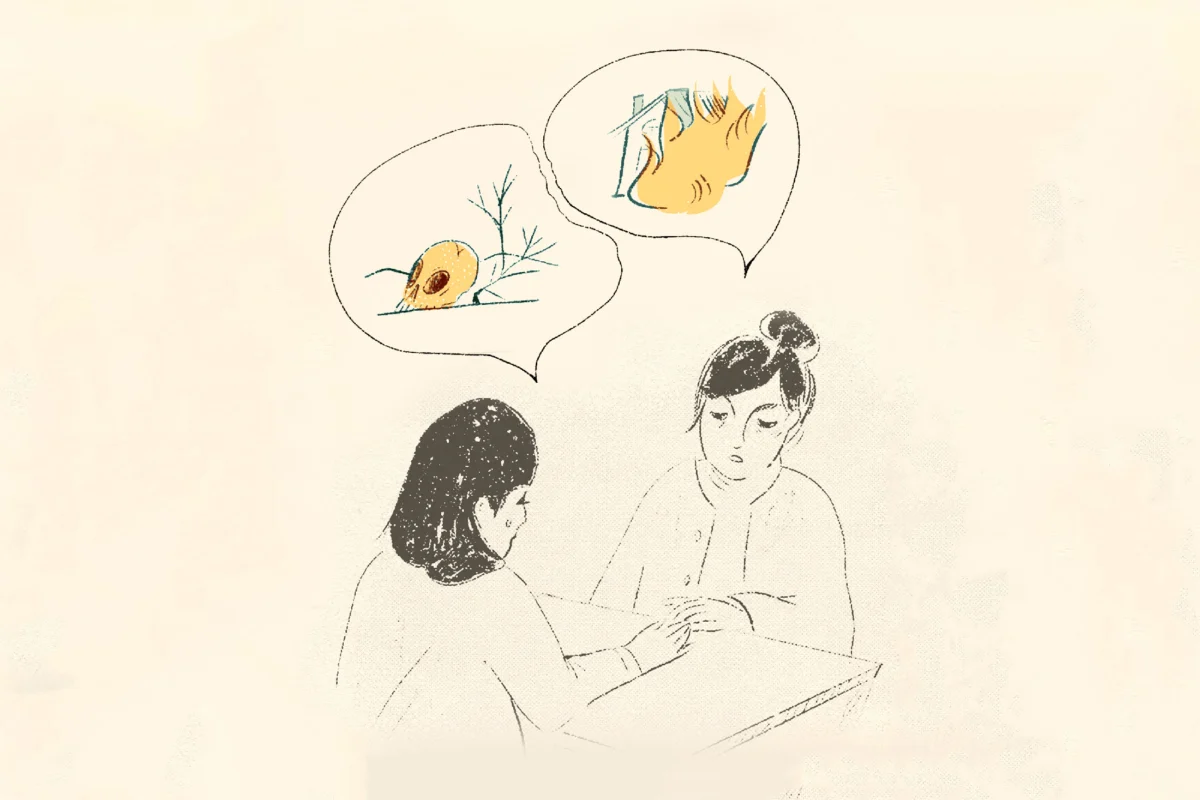
A significant majority of Americans, approximately two-thirds, express deep concern over climate change, yet a profound disconnect persists between this widespread worry and a clear understanding of their potential influence in driving effective climate action. Across the globe, from the scorched landscapes of California to the dwindling snowpacks of the Rockies, the tangible impacts of a warming planet are increasingly undeniable and visible, directly affecting millions. Deadly wildfires now regularly devastate communities, as seen in the intense blazes that have become a summer staple in the American West, while historic droughts and unpredictable precipitation patterns threaten water security for vast populations. Last winter’s record-low snowfall in critical mountain ranges, for instance, portended severe water shortages, a crisis further exacerbated by spring heatwaves that decimated remaining snowpack, underscoring the interconnectedness of these environmental challenges. Scientists from institutions like the World Weather Attribution consistently link the escalating intensity and frequency of such extreme weather events to anthropogenic climate change, solidifying the scientific consensus that humanity’s activities are fundamentally altering Earth’s climate system. However, for many, this scientific understanding remains abstract, failing to translate into a clear pathway for personal or collective engagement. Atmospheric scientist Katharine Hayhoe, a distinguished professor at Texas Tech University, offers a deceptively simple yet profoundly powerful first step: talk about it.
Hayhoe, renowned globally for her pioneering research in climate science and her exceptional ability to bridge the gap between complex scientific data and public understanding, champions the power of open dialogue. Through extensive outreach efforts, including her widely acclaimed Talking Climate newsletter, engaging TED Talks, and her influential book "Saving Us," she has cultivated a unique skill for connecting with diverse audiences, meeting them precisely where they are in their understanding and beliefs, all while keeping the overarching urgency of the climate crisis in sharp focus. Her work is a compelling argument for cultivating hope amidst prevalent climate despair, fatalism, and outright denialism. Hayhoe envisions a future where the 2030s could herald a new era of mass mobilization, demanding audacious climate action and fundamentally reshaping society for the better. This transformative future, she posits, could very well emerge from the seemingly small, everyday interactions – casual conversations with neighbors, classmates, colleagues, or strangers at a bus stop or barber shop – that gradually build a shared understanding and commitment.

Hayhoe emphasizes that talking is not merely a passive act but the fundamental catalyst for meaningful action. Data from organizations like Yale Climate Communication consistently reveal that while a vast majority of people are worried about climate change, fewer than half actually hear anyone discuss the subject even occasionally. This silence, Hayhoe argues, creates a dangerous vacuum: if a topic remains undiscussed, it implicitly signals a lack of importance, leading to apathy rather than concern, and ultimately, inaction. To effectively address the climate crisis, she outlines a three-pronged approach: engaging the "head, heart, and hands." The "head" represents intellectual understanding – grasping that climate change is real, human-caused, and already impacting the planet. Many individuals have reached this stage, acknowledging the reality of the crisis. However, a critical gap often remains in connecting this cognitive understanding to personal relevance, or the "heart." When asked if climate change will affect them, many still respond negatively, failing to connect global trends to their immediate lives and communities. Hayhoe’s strategy involves helping people bridge this gap, often by simply acknowledging their lived experiences of "weird weather" and then gently connecting these personal observations to the broader scientific understanding of climate change. This organic process allows individuals to internalize the issue, moving from abstract knowledge to personal concern. Finally, the "hands" represent the transition from concern to tangible action. This involves illuminating the vast array of existing and scalable solutions that can not only mitigate climate change but also enhance quality of life, create economic opportunities, and foster more resilient communities. These solutions encompass advancements in renewable energy, sustainable agriculture, urban planning, and innovative policy frameworks.
The effects of climate change are not abstract predictions; they are a present reality, manifesting as increasingly intense wildfires in Australia, devastating floods in Germany, prolonged heatwaves across South Asia, and unprecedented droughts in the Horn of Africa. Hayhoe, who resides in Texas – a state, much like California, prone to a wide spectrum of natural disasters – routinely engages individuals by asking if they perceive the weather as "getting weirder." She notes that virtually everyone responds affirmatively, often sharing anecdotal evidence of unusual seasons or extreme events. This shared experience becomes the entry point for conversation, allowing her to facilitate the "head-to-heart" connection by simply affirming their observations and explaining how these local phenomena align with global climate trends. This approach empowers individuals to connect the dots themselves, fostering a sense of ownership over the issue rather than feeling lectured.
While federal climate policies often dominate headlines and can significantly influence the pace of progress, Hayhoe offers a nuanced perspective on systemic change. She likens climate action to a "giant boulder already rolling down the hill," propelled by millions of hands. Although national administrations, like the former Trump administration, may attempt to alter this trajectory by dismantling regulations or withdrawing from international agreements such as the Paris Accord, the underlying momentum of climate action at sub-national and corporate levels remains robust. Cities, states, and major corporations across the United States and globally continue to set ambitious emissions reduction targets, invest in renewable energy infrastructure, and implement sustainable practices. The undeniable economic benefits of clean energy, coupled with rapidly advancing technology and declining costs, mean that the transition away from fossil fuels is, in many sectors, becoming economically irreversible. This distributed action, Hayhoe argues, ensures that progress continues despite federal headwinds, highlighting the resilience of a multi-faceted, global movement.

A concerning trend Hayhoe has observed is "climate hushing," a widespread reluctance to discuss climate change openly, particularly in politically charged environments. This phenomenon, often driven by fear of reprisal, social discomfort, or perceived polarization, stifles the very conversations necessary for action. Organizations, especially those reliant on public funding or operating in conservative regions, may shy away from using terms like "climate change" to avoid controversy. To combat this hushing, Hayhoe advocates for a strategic shift in what is discussed rather than how it is discussed. She recounts a pivotal experience addressing water managers in Texas, a region with a strong conservative presence. Knowing that two prior speakers had explicitly rejected the reality of climate change, Hayhoe opted to avoid the terms "climate change" or "global warming." Instead, she focused on climate variability, historical data, future projections, and strategies for climate resilience – topics directly relevant to their work. The positive reception and subsequent feedback, including one attendee who enthusiastically agreed with everything she said while simultaneously rejecting "global warming," underscored her point: framing the discussion around shared values, practical benefits, and local impacts can circumvent ideological barriers and foster agreement on solutions, even if the underlying scientific terminology remains contentious for some.
For many, the sheer scale of the climate crisis evokes feelings of despair and helplessness. However, Hayhoe, aligning with thinkers like Rebecca Solnit, contends that it is not too late to shape a less severe future. She attributes this despair not to a lack of understanding or concern, but to a perceived absence of effective solutions – the missing "heart-to-hand" connection. Individuals who feel despair have often fully grasped the science and connected it emotionally to their own lives and the future of loved ones, but they believe there is nothing meaningful that can be done. This sense of powerlessness is often exacerbated by a Western cultural emphasis on individualistic action, focusing solely on personal choices like diet, transportation, or energy consumption. While these individual acts are important, Hayhoe echoes environmentalist Bill McKibben’s profound insight: "the most important thing an individual can do right now when it comes to climate action is not be such an individual."
The true power for change, Hayhoe asserts, lies in collective action and advocacy. Historical movements for social change – from civil rights to women’s suffrage – were not driven by isolated personal choices but by organized groups of people using their collective voices to demand systemic transformation. The courage and commitment of figures like Martin Luther King Jr. were amplified by thousands who marched, organized, and advocated alongside him. Today, the climate movement calls for similar collective engagement. By joining forces with others in communities, workplaces, religious institutions, or advocacy groups, individuals can transform their despair into purposeful action, advocating for policies, supporting innovative solutions, and building a groundswell of public will that no single administration or political agenda can entirely suppress. These conversations, initially small and personal, blossom into a powerful collective narrative, fostering a shared sense of agency and forging the path toward a more sustainable and equitable world.