Johny Prima
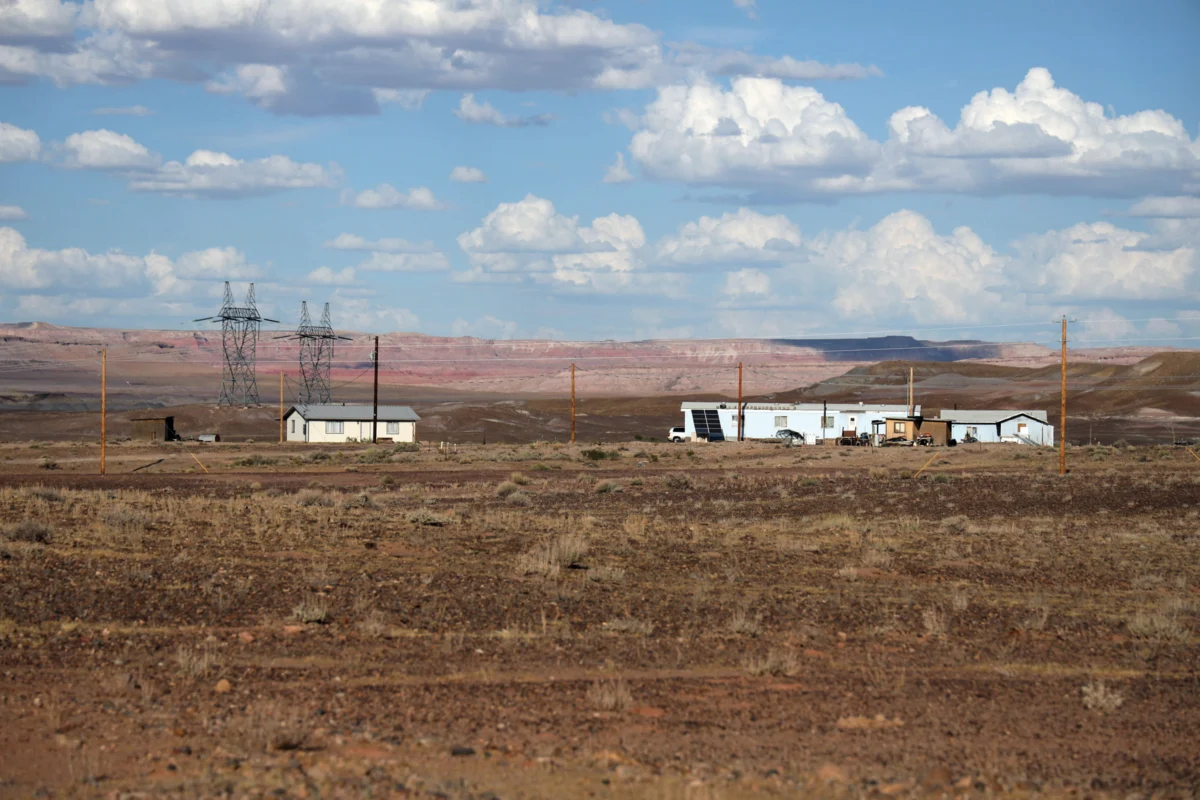
The profound warnings embedded within Hopi culture, which foretell a future where the Earth quakes and life is ruptured by the arrival of non-Indigenous nations, resonate with chilling clarity in the contemporary American Southwest. This ancient wisdom, encapsulated in concepts familiar to many through the 1982 film Koyaanisqatsi – a Hopi word signifying "life out of balance" – powerfully contrasts the escalating pace of industrialization with the enduring sanctity of ancestral lands. Today, record-breaking heat domes, unprecedented declines in snowpack, and a pervasive lack of moisture across the Western United States are not merely meteorological anomalies but tangible manifestations of the environmental breakdown that Hopi elders and ancestors have prophesied for generations. The land, once bountiful, now bears the scars of a ruptured balance, compelling a critical examination of modern resource management through the lens of Indigenous ecological knowledge.
Central to this unfolding crisis is the plight of Pisisvayu, known to the wider world as the Colorado River. This vital artery of the American Southwest finds its historical flow catastrophically impeded by pahâ’uutsi, the Glen Canyon Dam. The dam’s creation has transformed the river into Lake Powell, a vast, stagnant reservoir likened by some to "clotted blood," baking under an intensifying sun. This engineered obstruction not only smothers sacred Hopi sites beneath its receding waters but also diverts the river’s life-giving essence into burgeoning development projects, such as those in St. George, Utah. Consequently, the Colorado River’s historic journey to paatuwaqatsi, the Sea of Cortez, is truncated, denying downstream ecosystems and communities the water they historically relied upon. Glen Canyon Dam is but one of three major dams in Arizona built to harness Pisisvayu‘s waters, reflecting a settler-colonial ideology that prioritizes control and commodification over the intrinsic value of water as a living entity. For the Hopi people, water is not a commodity but a sacred relative, a fundamental aspect of their covenant with the Creator to steward both land and water responsibly.
This deep reverence for water is woven into the fabric of Hopi daily life and cultural practices, standing in stark contrast to prevailing Western paradigms. For generations predating colonization, the Hopi undertook arduous journeys, hauling water long distances up steep hills to their mesa-top villages, carrying this lifeforce for ceremonies and sustenance. This tradition of resilience underpins their renowned practice of dry farming, a sophisticated agricultural method that relies exclusively on natural rain cycles and snowpack for crop irrigation. For over six decades, Hopi farmers have cultivated food on the small reservation square in northern Arizona, a territory carved out by the federal government from the vast expanse of Hopitutskwa, their traditional lands. Beyond dry farming, traditional ranching methods, often involving rounding up cattle on horseback or even on foot to minimize land damage and preserve delicate vegetation, exemplify a commitment to ecological stewardship. Even personal sacrifices, such as continuing ranching on foot despite military service injuries, underscore the profound sense of duty to the land that the Creator bestowed upon the Hopi. This holistic approach starkly contrasts with the high-impact, resource-intensive agricultural and industrial practices that dominate the region today.

Over many generations, the Hopi people have been eyewitnesses to profound and often devastating transformations across their ancestral lands, affecting animals, people, landscapes, and traditional food systems. They have observed with dismay as precious water resources are siphoned away from the land, not for essential human needs, but for what is perceived as luxury: the irrigation of golf courses and the filling of swimming pools via massive infrastructure projects like the Central Arizona Project. This stark disparity raises a fundamental question from the Hopi perspective: are these allocations driven by genuine need or by insatiable wants? The Hopi community, which largely lacks such amenities, embodies a different set of values, prioritizing communal well-being and ecological balance over private indulgence.
The current legislative and management frameworks governing natural resources often reflect a profound ignorance and an unwillingness to heed the wisdom of experienced Indigenous stewards. Federal agencies, including the U.S. Forest Service and the Bureau of Land Management, along with the U.S. Congress and the executive branch that oversee them, are perceived as consistently prioritizing external, often corporate, interests over the well-being of the land and its Indigenous inhabitants. These bodies manage public lands and waters as if they were mere commodities to be exploited and sold to the highest bidder, undermining efforts to retain water on the land. A glaring example is the proposed land exchange of Oak Flat, a sacred site for the Apache people in central Arizona, to Rio Tinto. This multinational mining corporation, not even based in the United States, seeks to extract copper under the guise of economic prosperity. Yet, mining is an intensely water-intensive undertaking, raising critical questions about the source of the immense water volumes required and, crucially, who will bear the responsibility for cleaning up the inevitable pollutants that will inevitably flow downstream into major population centers like Phoenix and Tucson. This represents a perilous expansion of colonial practices onto the last remaining vestiges of Indigenous sacred lands.
Across Hopitutskwa and beyond, particularly in New Mexico, the pervasive influence of special interests, notably the oil and gas industry, drives rampant fracking operations. These activities, often sanctioned by the very agencies meant to protect the land, exacerbate the climate crisis by releasing greenhouse gases and further deplete already scarce water resources through their inherently wasteful processes. This pattern of resource extraction and environmental degradation is not confined to the American Southwest; it is a global phenomenon, prompting the urgent re-evaluation of societal needs versus wants. For the Hopi, the spiritual ramifications of such environmental disrespect are deeply felt. They believe that upon passing, their body’s moisture returns to the Earth, transforming them into Oomawsinom, the Cloud People, an essential part of the hydrological cycle and a continuation of life. The relentless emissions, pollutants, and the pervasive disrespect for water are seen as obstructing this sacred spiritual journey, severing the vital connection between humanity, the Earth, and the spirit world.
The ecological imbalance is further compounded by legislative efforts that undermine natural predator populations. In Arizona, numerous anti-wolf and anti-wildlife bills have been introduced at both state and federal levels, largely at the behest of the cattleman’s industry, seeking to enrich shareholders who often have no direct connection to the land or its long-term health. One such bill, HB 2160, notably attempted to grant special interest groups exclusive management authority over wolves, should they fall under state jurisdiction, while conspicuously excluding tribal voices. This exclusion is particularly egregious given that Indigenous communities have coexisted with wolves and other so-called "predators" for millennia without resorting to such extreme measures or manufactured panic. This legislative push is often perceived as a calculated distraction, designed to divert public attention from the systemic failures of state and federal agencies to protect vulnerable wildlife and hold powerful interests accountable. Scientific data overwhelmingly demonstrates that wolves are keystone species, critical for maintaining healthy ecosystems by regulating herbivore populations, thereby allowing vegetation to flourish and, crucially, helping to retain water on the land. The Creator, in forming humans and animals, established an intricate balance, designating all creatures – waterfowl, reptiles, amphibians, raptors – as messengers vital to the regeneration of water and the overall health of the ecosystem.

Federal land management agencies, including the U.S. Forest Service and the Bureau of Land Management, operate under a "multiple use mandate" that fundamentally treats aboriginal lands as a balance sheet. Their outdated metrics of success, focusing on raw numbers like heads of cattle grazed or trees logged, fail to account for ecological integrity or cultural significance. While these agencies are mandated to consult with tribes, such consultations often devolve into superficial 30-minute phone calls with tribal government officials, entirely lacking the face-to-face engagement and deep relational work essential for genuine collaboration with cultural practitioners. This hollow exercise underscores a critical principle for Indigenous communities: consultation does not equate to consent. The stark reality is that oil and money cannot sustain life; only clean water can. These "public lands" are visibly drying out from chronic overgrazing, intensive thinning practices, and the erosive impact of recreational off-road vehicle use. Furthermore, the few protective environmental laws that exist have been systematically dismantled, particularly under administrations beholden to the fossil fuel industry, exacerbating an already precarious situation. Indigenous communities are forced to expend precious time and resources defending basic protections, diverting energy from proactively pushing these agencies to genuinely serve the people, the land, and the animals, and to redefine success metrics to prioritize water retention through abundant biodiversity, enhanced habitat connectivity, and authentic coexistence.
The profound mismanagement of land in the pursuit of profit lies at the heart of this escalating global disaster, threatening the very continuation of life. It is the reason why countless ancestral sites were irrevocably submerged beneath the waters of Lake Powell. Settler mentality erroneously believed it could literally imprison water within an unnatural concrete bowl, bending the wild river to human will. However, as the waters of Lake Powell recede dramatically due to the relentless pressures of climate change, revealing long-submerged ancestral sites, the inherent wisdom of the Hopi is affirmed. They have always understood that water cannot be contained in such an artificial manner. Instead, water is intrinsically held within the intricate web of life: in the bodies of animals, in the branches and leaves of trees, in the moisture-rich soil of old-growth forests. Water is conserved when deer and elk populations are naturally regulated by their wolf relatives, allowing vital vegetation to thrive and sequester moisture. Water is preserved when it is not violently drilled, blasted, or fracked from the Earth’s depths for industrial exploitation. Ultimately, water is held within our own human bodies, connecting us inextricably to the whole living system, every drop precious and sacred. Paahuquatsi – water is life.