Rocky Gerung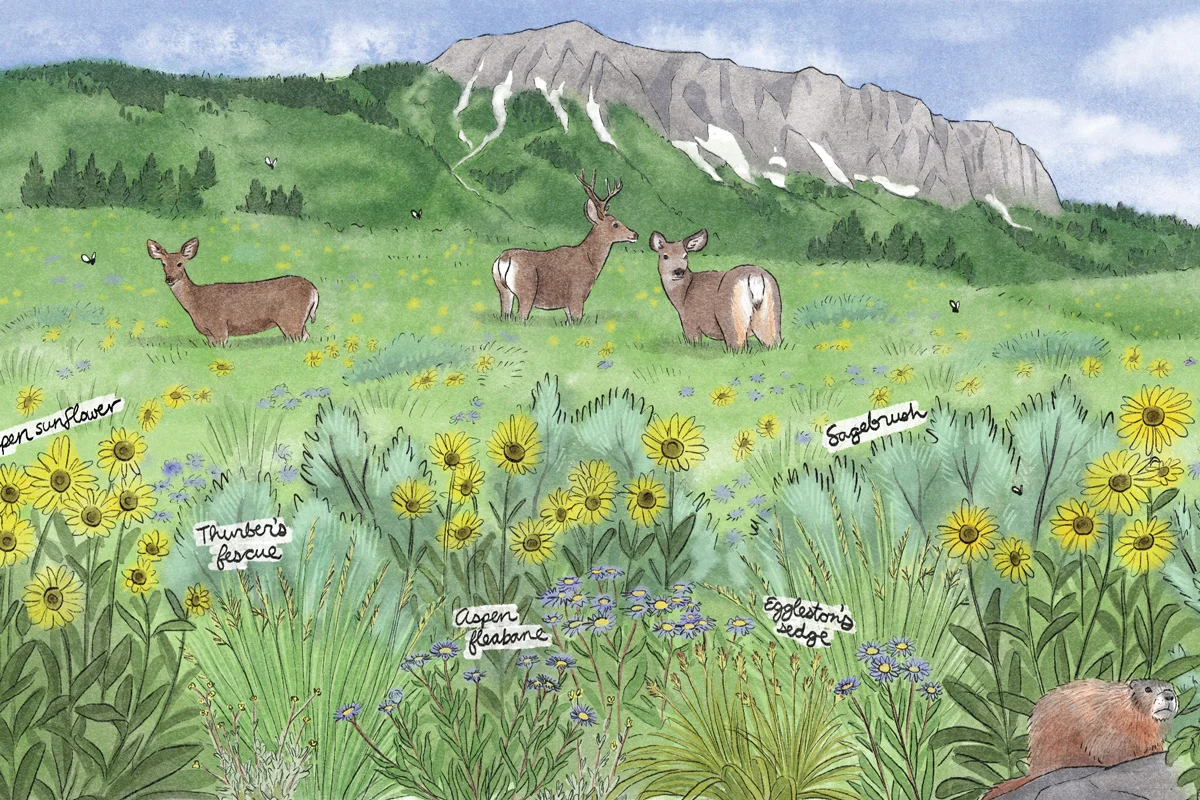
The natural world is a symphony of communication, with plants engaging in intricate dialogues both above and below the soil surface. Above ground, their vibrant petals act as beacons, their bright colors, sweet scents, and the promise of nectar and pollen shouting a welcome to pollinators, orchestrating the vital process of reproduction. Beneath the earth, a more subtle but equally crucial conversation unfolds through their roots, whispering to the vast networks of mycorrhizal fungi with whom they share a profound, symbiotic relationship. These underground partners are essential architects of healthy ecosystems, diligently drawing carbon deep into the soil while simultaneously facilitating the plants’ uptake of vital carbohydrates and essential minerals. This intricate dance of nutrient exchange and communication forms the bedrock of plant life and, by extension, the health of entire biomes.
However, the very nature of this botanical discourse is undergoing a dramatic transformation in our increasingly warming world. For nearly three decades, researchers have been meticulously observing the subtle yet significant shifts occurring within these natural communication channels. A pioneering, long-term climate change experiment, spearheaded by ecologist John Harte at the University of California, Berkeley, has been artificially warming a subalpine meadow near Gothic, Colorado, for an unprecedented 29 years, making it one of the longest-running investigations of its kind globally.

The experimental setup involved the strategic use of heat lamps to elevate the soil temperature in designated test plots by approximately 3.6 degrees Fahrenheit (2 degrees Celsius). This level of warming, while seemingly modest, represents a critical threshold for many ecosystems. Under current climate projections, this temperature increase is considered an optimistic scenario for average global temperature rise by the end of the 21st century; indeed, regional models for Colorado suggest a warming of more than 6 degrees Fahrenheit could be anticipated. The researchers meticulously documented the cascading effects of this elevated temperature, observing profound changes both on the surface of the meadow and within its subterranean layers. These shifts in temperature proved to be a powerful selective force, dictating which plant species thrived and which ones receded, triggering a cascade of ripple effects that permeated the entire ecosystem. These effects extended from the soil microbial communities and nutrient cycling to the local wildlife and even influenced the frequency and intensity of wildfires.
Delving deeper into the subterranean shifts, a separate yet related study by Lara Souza, a plant ecologist at the University of Oklahoma, and her colleagues, examined the consequences of a meadow transitioning from a diverse composition of grasses and forbs to a landscape increasingly dominated by patches of sagebrush. Their findings, recently published in the prestigious peer-reviewed journal Proceedings of the National Academy of Sciences, reveal a disturbing alteration in the ongoing dialogue between plants and fungi. Souza describes this shift as a "decoupling," signifying a fundamental change in the symbiotic relationship. As the beneficial mycorrhizal fungi, which form mutualistic partnerships with plants, are gradually replaced by saprotrophic fungi – organisms that specialize in digesting dead organic matter – the formerly reciprocal conversation between plants and the soil transforms. This vital two-way exchange, where nutrients and resources flowed freely in both directions, becomes a more one-sided, exploitative relationship. This fundamental alteration has profound and serious implications for the survival and vitality of the remaining wildflowers and their ability to flourish in these altered environments, threatening the intricate web of life they support. The decline of mycorrhizal networks not only impacts plant health but also has broader consequences for soil structure, carbon sequestration, and the overall resilience of these vital ecosystems. The shift towards saprotrophic dominance can lead to reduced soil aggregation, increased erosion, and a diminished capacity for the soil to store carbon, exacerbating climate change. Furthermore, the loss of healthy plant communities directly affects the herbivores that depend on them, and subsequently, the carnivores that prey on those herbivores, demonstrating the far-reaching ecological ramifications of this underground communication breakdown. The delicate balance that sustains these vibrant meadows is being disrupted, underscoring the urgent need to understand and protect these often-overlooked subterranean connections. This research highlights a critical vulnerability in our planet’s ecosystems, one that demands greater attention and conservation efforts to preserve biodiversity and ecological stability in the face of unprecedented environmental change. The implications extend beyond local meadows, resonating with global concerns about the health of forests, grasslands, and agricultural lands, all of which rely on these fundamental plant-fungal partnerships for their long-term sustainability. Understanding and mitigating the forces driving this decoupling is paramount for ensuring the future of natural landscapes worldwide.