Roger Danuarta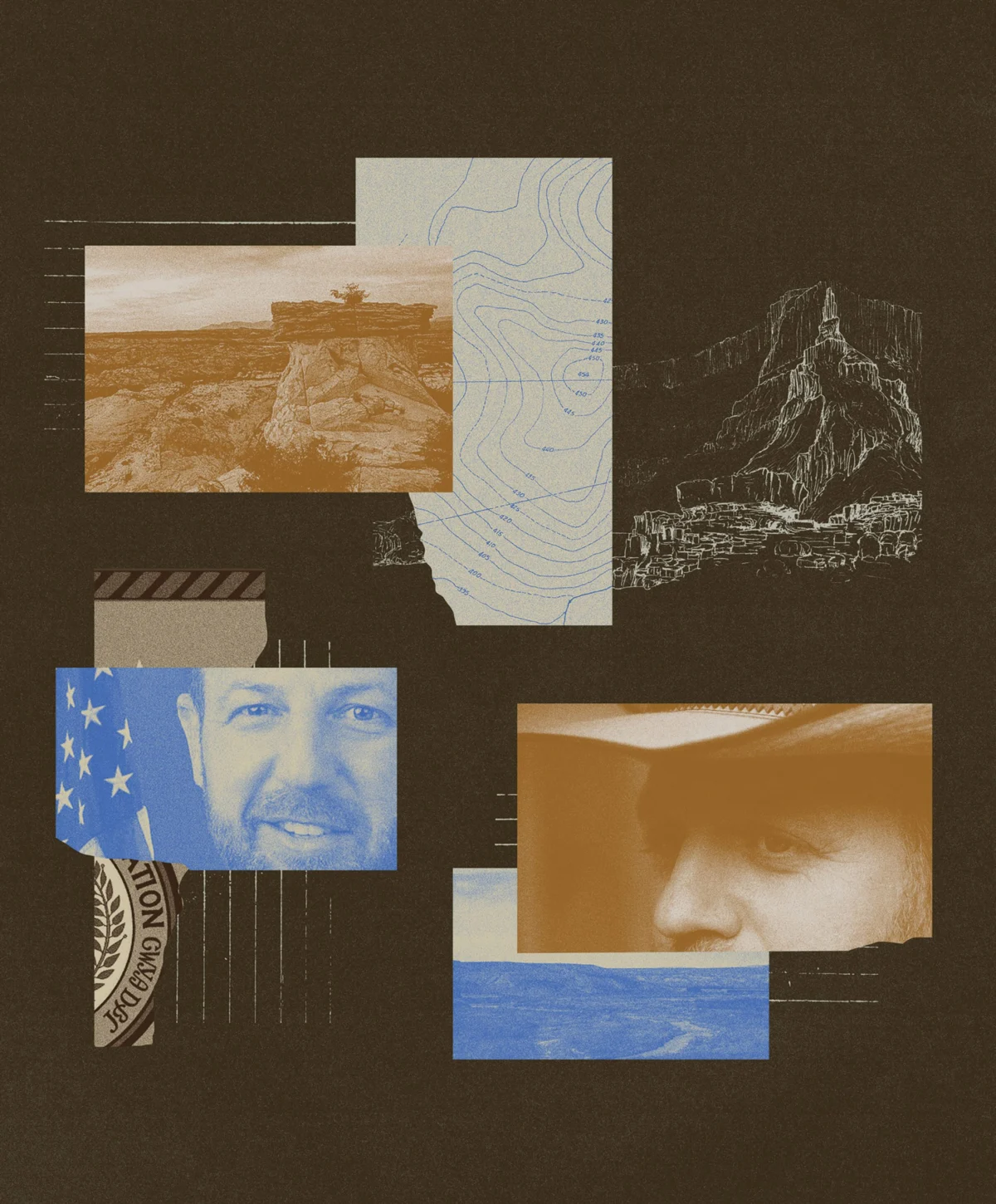
In 1980, a convention of self-proclaimed "sagebrush rebels" convened, drawing legislators, industry representatives, and local citizens united by a singular, fervent desire: to wrest control of millions of acres of Western public lands from federal hands. Joan Nice, reporting on the event, captured its essence as "part celebration, part show," marking the rapid ascent of what had been a regional, often fringe, movement onto the national stage. Weeks prior, Ronald Reagan, a self-identified sagebrush rebel, had swept into the presidency, infusing the movement with a potent sense of optimism regarding its legislative prospects. The rebels articulated their grievances with federal land managers in stark terms, with one Idaho resident lamenting, "They want to lock up 700,000 acres for 600 birds," encapsulating a deep-seated frustration over perceived federal overreach impacting local livelihoods and resource access. This sentiment, rooted in a historical tension between federal authority and local autonomy, gained traction amidst growing concerns over environmental regulations and resource allocation in states where the federal government owned a substantial portion of the land.
Despite the initial euphoria surrounding Reagan’s election, his administration ultimately did not usher in the sweeping changes to land ownership that many rebels envisioned. The complex legal frameworks governing public lands, such as the Federal Land Policy and Management Act of 1976, which codified federal ownership and management, proved difficult to dismantle. Consequently, the movement’s resentments, though subdued, continued to simmer throughout the subsequent decades, occasionally boiling over into direct confrontation. By 2016, this struggle over public lands had become inextricably linked with a broader, more belligerent anti-government ideology within the right-wing movement, which eventually found a powerful champion in Donald Trump. His rhetoric resonated with those who felt marginalized by federal policies, portraying environmental protections as burdensome regulations that stifled economic opportunity. This culminated in July 2017, when Trump drastically curtailed protections for over 2.9 million acres across the Bears Ears and Grand Staircase-Escalante national monuments in Utah. In doing so, he echoed the familiar refrain of the unnamed Idahoan, describing the land as "locked up, off-limits, closed," and making unsubstantiated claims such as, "You can’t go hunting, you can’t go fishing, you can’t do anything, you can virtually not even walk on it," despite federal monument designations generally allowing for diverse recreational activities.
The historical roots of this ongoing debate are crucial for understanding the current political landscape, offering essential context for the movements and individuals shaping the American West today. In 1997, Paul Larmer’s report, "Beauty and the Beast," offered an illuminating glimpse into the communities bordering Grand Staircase-Escalante National Monument, which President Bill Clinton had designated the previous year under the Antiquities Act. This executive action, a power wielded by presidents since Theodore Roosevelt to protect significant natural and cultural sites, was met with fierce local opposition. The monument’s creation effectively crushed a proposal to mine an estimated 62 billion tons of coal, a significant economic blow to a region historically reliant on resource extraction. Yet, Larmer observed a nuanced shift, noting that even some initial opponents began to acknowledge two undeniable realities: "Southern Utah’s mining, logging and ranching are in decline; and the region is already a public-lands playground for the world." This observation highlighted a community teetering uneasily on the precipice between a fading, extraction-based economy and the burgeoning tourism industry, with its own distinct seasonal boom-and-bust cycles. Larmer presciently asked whether the anger and resentment would ever truly fade.

It did not, at least not entirely. Despite the political contention, the economic landscape in monument-adjacent counties experienced significant transformation. Between 2001 and 2022, job growth surged by 51%, and per capita incomes rose by 41%, indicating a clear economic shift away from traditional industries toward service, recreation, and tourism sectors. However, Grand Staircase-Escalante, along with Bears Ears, has remained a potent political lightning rod, channeling deep-seated anxieties about the future of rural communities and the optimal use and valuation of Western lands. These anxieties often transcend purely economic arguments, refracting into profound questions of community identity: Who are we? What do we stand for? The conflict between resource development and conservation is not merely about economics; it touches upon deeply held values, traditions, and the very definition of progress in the modern West.
This intersection of identity and political ideology is central to Graham Lee Brewer’s 2019 profile, "Markwayne Mullin is for Trump — and Indian Country." Brewer captured Mullin’s ascent when he was an Oklahoma representative, before his rise to the Senate and his eventual appointment as Secretary of the Department of Homeland Security under a Trump administration. Mullin, a citizen of the Cherokee Nation, defies conventional stereotypes of Indigenous identity, both in his appearance and his legislative approach. Brewer described a politician seemingly full of contradictions: an ultra-conservative figure known for bipartisan deal-making, and a white-passing individual who advocates for tribal sovereignty while serving an administration that has actively rolled back measures intended to bolster that very sovereignty.
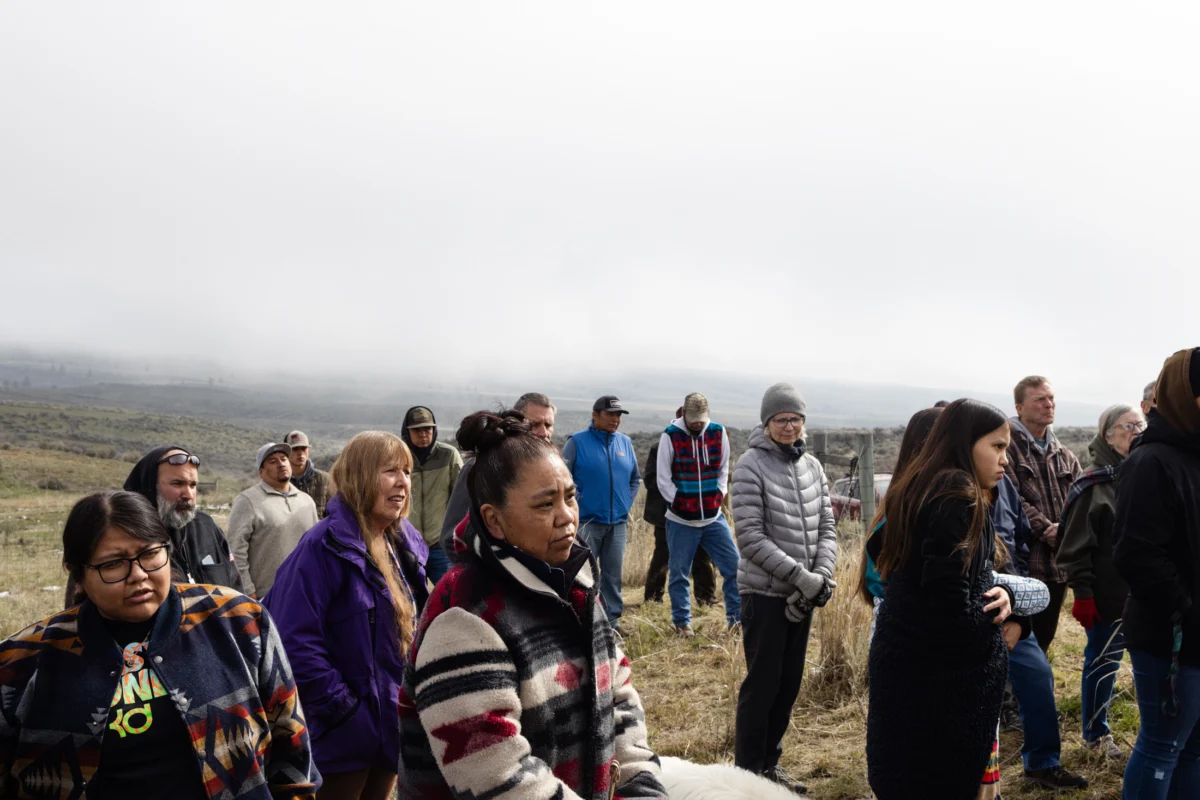
A stark example of this paradox unfolded with Trump’s decision to drastically shrink Bears Ears National Monument, a move that simultaneously eliminated the groundbreaking tribal land commission originally established for its co-management. This act undermined a critical precedent for collaborative stewardship between the federal government and sovereign tribal nations, impacting the five tribes with ancestral ties to the sacred landscape. Since taking the helm at DHS, Mullin has invoked his Native identity to defend his department against accusations of racism, even as DHS presses forward with constructing new segments of the U.S.-Mexico border wall along the southern boundary of the Tohono O’odham Reservation in Arizona. This construction, opposed by the tribe, threatens sacred sites, ancestral burial grounds, and critical environmental resources. Brewer’s original question – "Is Markwayne Mullin good or bad for Indian Country?" – remains a complex and poignant dilemma, highlighting the difficult choices faced by Indigenous leaders navigating national political currents, and the challenge of advocating for tribal interests within an administration whose policies have often proven hostile to tribal self-determination and land rights.
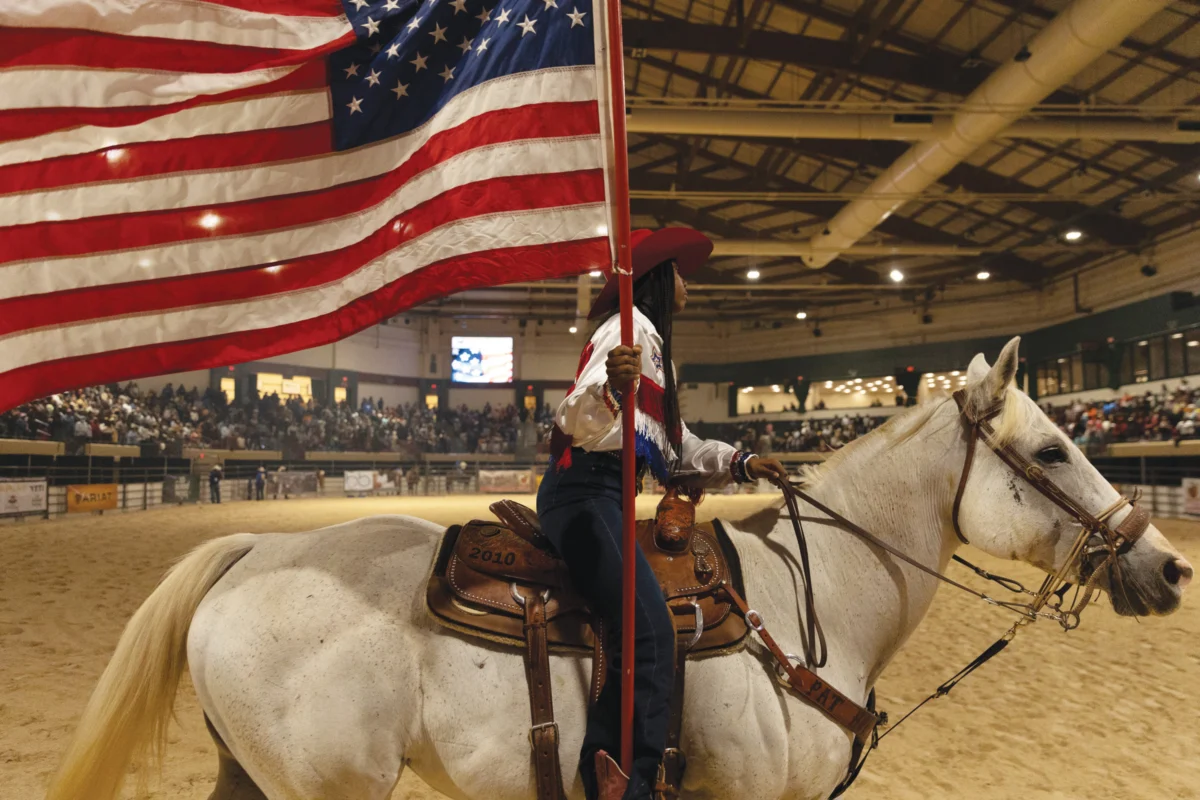
Many of the enduring tensions illuminated by these archival stories are playing out with renewed intensity in the current election season, underscoring the persistent divisions within the Western United States. During the Sagebrush Rebellion, the "rebels" skillfully presented themselves as the authentic voice of the West, a narrative often perpetuated by media, despite evidence that their policy proposals, particularly wholesale land transfers, were generally unpopular among the broader populace. Today, a similar trope persists, with white men in cowboy hats frequently portrayed as the quintessential representatives of the West’s inhabitants, a depiction that profoundly flattens the region’s intricate demographic and cultural complexity. The modern American West is a mosaic of vibrant urban centers, diverse rural communities, burgeoning Indigenous populations, and a growing influx of new residents, all contributing to a far more varied political and social landscape.

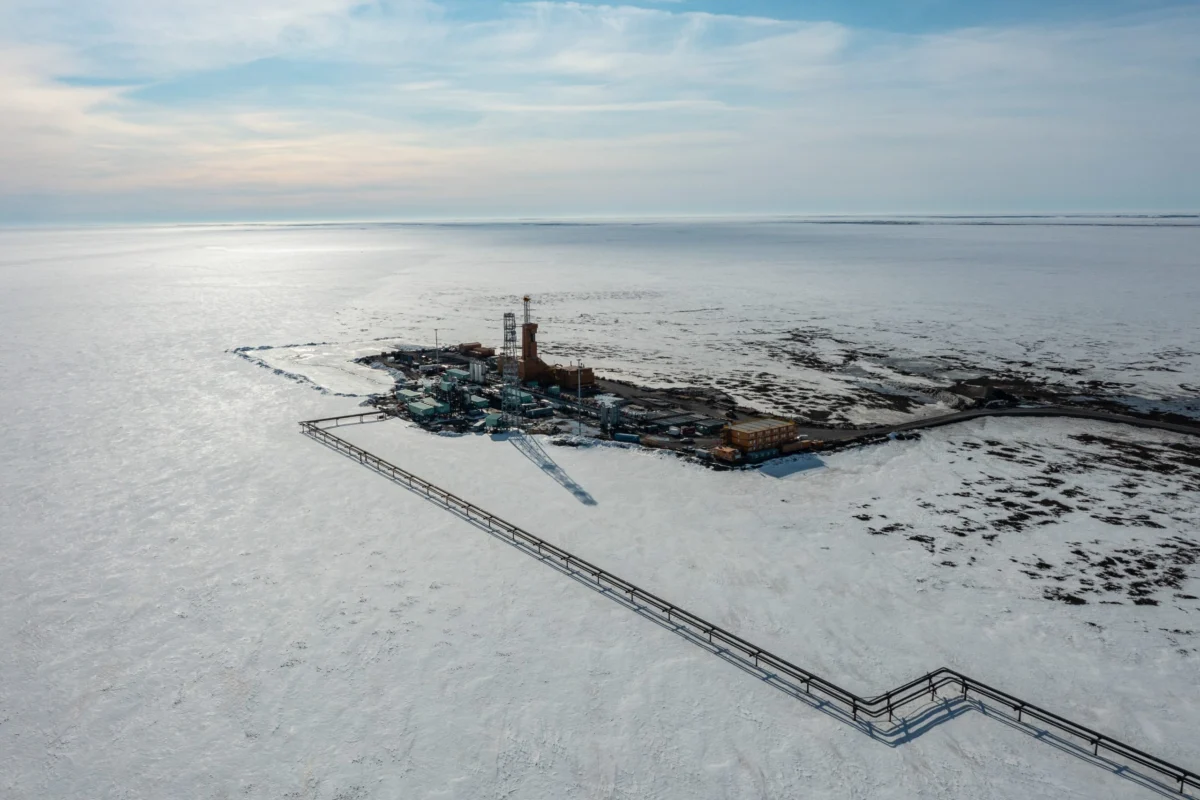
This complexity is particularly visible in a number of high-stakes races this fall, where the Western states could play a pivotal role in determining the balance of power in both chambers of Congress. The Alaska Senate race, for instance, offers a compelling illustration of this evolving dynamic, pitting Mary Peltola, a moderate Democrat and Alaska Native who grew up deeply connected to traditional subsistence fishing near the Bering Sea, against Republican incumbent Dan Sullivan, who hails from Cleveland and attended Harvard. This contrast highlights not only ideological differences but also a fundamental divergence in lived experience, cultural background, and understanding of the land and its resources. Such contests underscore how the West’s unique history and contemporary challenges are shaping national politics, making it a critical battleground for federal policy, environmental stewardship, and the future of diverse communities.
These origin stories serve as powerful reminders that while the past informs the present, it does not predetermine the future. Instead, they emphasize that the trajectory of the American West – its lands, its people, and its political landscape – is actively being shaped right now, through ongoing policy debates, electoral outcomes, and the continuous redefinition of identity and belonging in a dynamic region.